Yellowstone is massive, wild, and unlike any other place in the U.S. That’s why many first-time visitors wonder about driving vs walking: best way to see Yellowstone. Should you explore from your car, or is walking the better way to truly experience the park?
The truth is simple: there is no single answer. Understanding driving vs walking: best way to see Yellowstone depends on time, mobility, season, and what kind of experience you want. This guide breaks it down clearly so you can plan the smartest trip possible in 2026.
First, Understand Yellowstone’s Size
Before deciding driving vs walking: best way to see Yellowstone, you need to understand scale.
Yellowstone National Park covers:
-
Over 2.2 million acres
-
Five entrances
-
Long distances between attractions
-
Wildlife spread across vast valleys
You cannot realistically “walk” Yellowstone the way you walk a city or small park. That’s why the driving vs walking: best way to see Yellowstone debate exists in the first place.
Driving in Yellowstone: The Practical Reality
For most visitors, driving is the foundation of driving vs walking: best way to see Yellowstone.
Why Driving Is Essential
-
Attractions are far apart
-
Roads form a large figure-eight loop
-
Wildlife sightings often happen roadside
-
Many iconic views are car-accessible
If you are short on time, driving is the only way to see multiple regions in one trip.
What You See Best by Driving
When thinking about driving vs walking: best way to see Yellowstone, driving clearly wins for:
-
Grand scenic overlooks
-
Wildlife in Lamar and Hayden Valleys
-
Geyser basins spread miles apart
-
Mountain passes and lakes
Most famous Yellowstone photos are taken within short walks from parking areas.
Downsides of Driving Yellowstone
Driving is necessary, but it has drawbacks in the driving vs walking: best way to see Yellowstone comparison.
-
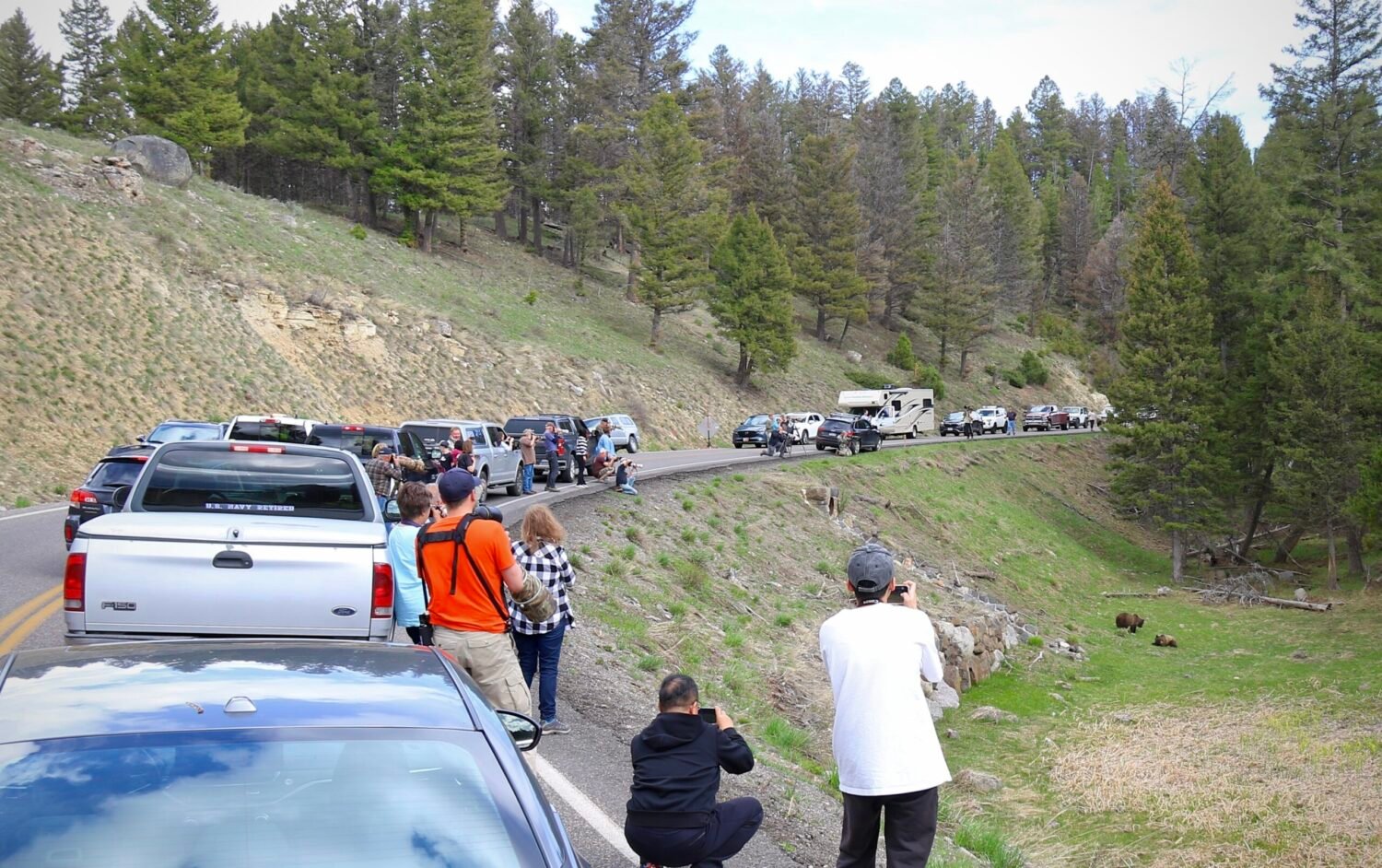
Traffic jams from wildlife
-
Limited parking at peak hours
-
You see highlights, not hidden details
-
Can feel rushed if poorly planned
This is where walking comes in.
Walking in Yellowstone: Where It Shines
Walking (or short hikes) is where Yellowstone becomes personal. In driving vs walking: best way to see Yellowstone, walking delivers depth, not distance.
What Walking Gives You
-
Silence away from crowds
-
Close-up geothermal features
-
Wildlife tracks and smells
-
Details cars miss
Even a 1-mile walk can completely change how Yellowstone feels.
Boardwalk Walks vs Real Hiking
Not all walking is the same in the driving vs walking: best way to see Yellowstone debate.
Boardwalk Walking
-
Flat and accessible
-
Ideal for all ages
-
Leads through geyser basins
-
Short and safe
Trail Hiking
-
Fewer people
-
Deeper nature experience
-
Requires preparation
-
Weather-dependent
Both are valuable, but neither replaces driving.
Best Yellowstone Experience: Combine Driving and Walking
The real answer to driving vs walking: best way to see Yellowstone is not one or the other—it’s both.
The Smart Strategy
-
Drive between major regions
-
Park at key areas
-
Walk boardwalks and short trails
-
Drive again to the next zone
This approach gives you reach and immersion.
How Much Walking Is Enough?
Many visitors overestimate how much walking Yellowstone requires. In reality, the best balance for driving vs walking: best way to see Yellowstone is:
-
70–80% driving
-
20–30% walking
That includes:
-
Boardwalk loops
-
Short scenic hikes
-
Wildlife pull-outs with brief walks
You do not need to be a serious hiker to enjoy Yellowstone deeply.
Driving vs Walking by Traveler Type
Families
Driving dominates driving vs walking: best way to see Yellowstone for families.
-
Easier logistics
-
Bathrooms nearby
-
Flexible schedules
Seniors
Driving plus boardwalk walking is ideal.
-
Minimal elevation gain
-
Benches and rest areas
-
Safe viewing platforms
Adventure Travelers
Walking matters more, but driving is still essential.
-
Use driving to reach trailheads
-
Walk for solitude and exploration
Seasonal Impact on the Choice
Season strongly affects driving vs walking: best way to see Yellowstone.
Summer
-
Heavy traffic
-
Walking early morning or evening is best
Fall
-
Fewer crowds
-
Walking becomes more rewarding
Spring
-
Some roads closed
-
Walking limited by snow
Winter
-
Driving mostly restricted
-
Guided snow travel replaces both
For most travelers, late summer and early fall offer the best balance.
Common Mistakes Visitors Make
When choosing driving vs walking: best way to see Yellowstone, avoid these mistakes:
-
Trying to “walk the park”
-
Spending all day driving without stopping
-
Skipping short walks near attractions
-
Underestimating distances
Yellowstone rewards balance, not extremes.
Final Verdict: Driving vs Walking in Yellowstone
So, driving vs walking: best way to see Yellowstone?
-
Driving is essential to access the park
-
Walking is essential to truly experience it
-
The best Yellowstone trips combine both
Drive to see Yellowstone’s scale. Walk to feel its power. That balance is the real answer to driving vs walking: best way to see Yellowstone—and it’s what makes a visit unforgettable.