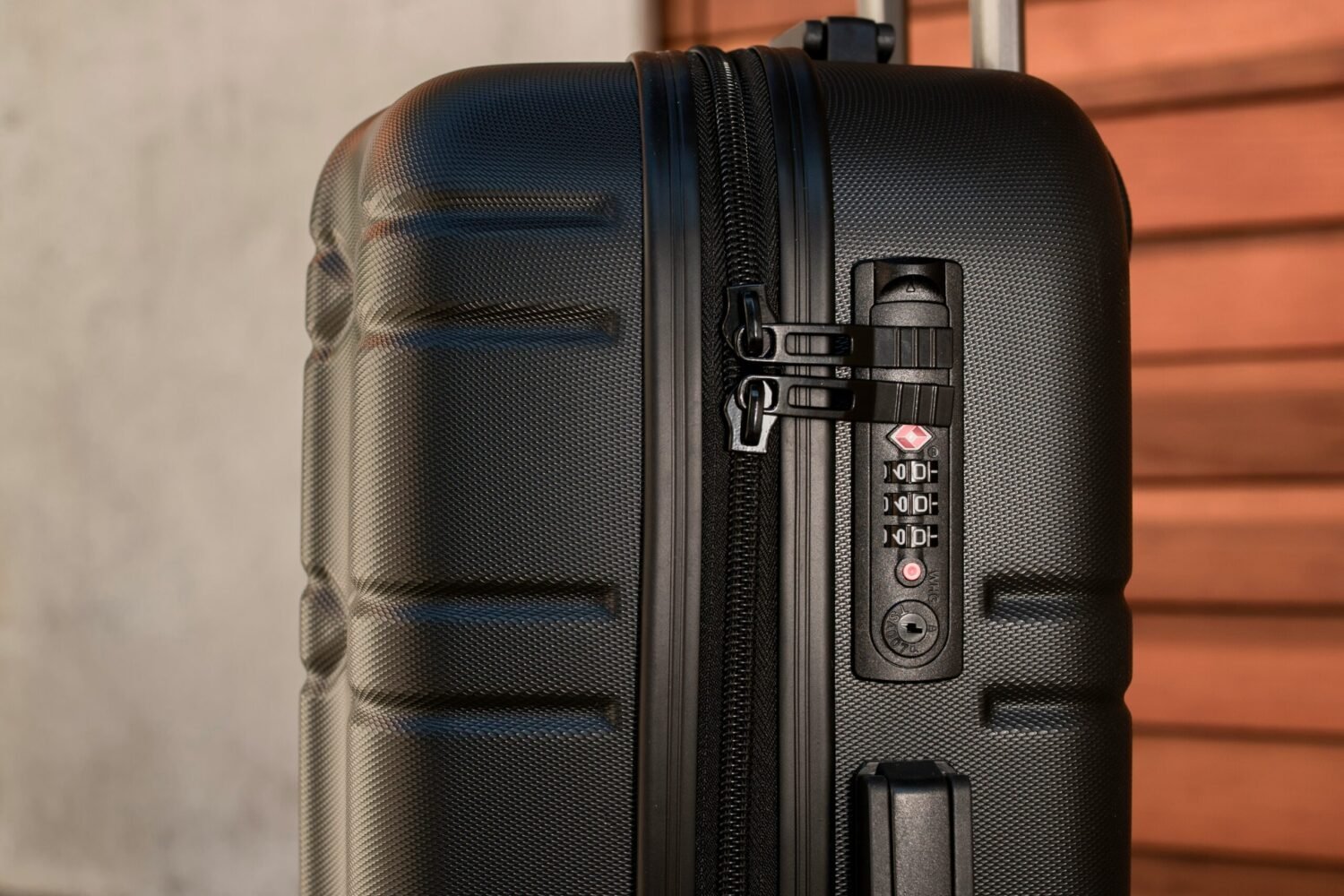
Few travel experiences are more frustrating than landing, grabbing your suitcase, and finding your lock cut or your zipper damaged. This usually happens because travelers don’t understand how to lock your luggage so the TSA doesn’t break it. The good news is that you can lock your bag safely—if you do it the right way.
This guide explains how to lock your luggage so the TSA doesn’t break it in 2026, using simple rules, real airport practices, and traveler-tested tips that work across US airports.
Why the TSA Breaks Luggage Locks
Before learning how to lock your luggage so the TSA doesn’t break it, you need to know why locks get broken in the first place.
The Transportation Security Administration has legal authority to inspect any checked bag. If your luggage is locked in a way they can’t open, they will:
-
Cut the lock
-
Force the zipper
-
Break the locking mechanism
They do not repair damage. That’s why understanding how to lock your luggage so the TSA doesn’t break it is essential.
The Only Type of Lock TSA Allows
This is the most important rule in how to lock your luggage so the TSA doesn’t break it:
You must use a TSA-approved lock.
TSA-approved locks:
-
Have a special TSA keyhole
-
Can be opened by TSA officers
-
Allow inspection without damage
If your lock does not say “TSA” or show the red diamond symbol, it can be broken.
What Is a TSA-Approved Lock?
A TSA-approved lock is specifically designed for US airport screening. Knowing this is central to how to lock your luggage so the TSA doesn’t break it.
These locks:
-
Look like normal combination or key locks
-
Include a universal TSA access port
-
Are accepted at all US airports
Using anything else defeats the purpose of learning how to lock your luggage so the TSA doesn’t break it.
Combination Lock vs Key Lock: Which Is Better?
Choosing the right lock style matters when deciding how to lock your luggage so the TSA doesn’t break it.
TSA Combination Locks
Best for most travelers because:
-
No key to lose
-
Easy to reset
-
TSA can open and re-lock
TSA Key Locks
Work well if:
-
You prefer physical keys
-
You carry spares
-
You don’t want to remember combinations
Both are safe only if they are TSA-approved. Non-TSA locks fail the how to lock your luggage so the TSA doesn’t break it test.
Where to Lock Your Luggage (Many People Get This Wrong)
Another common mistake in how to lock your luggage so the TSA doesn’t break it is locking the wrong part of the bag.
Correct places to lock:
-
Zipper pulls designed for locks
-
Built-in TSA lock ports
-
Reinforced zipper holes
Do NOT:
-
Lock random zipper fabric
-
Add chains around the suitcase
-
Lock wheels or handles
Incorrect placement almost guarantees damage.
Built-In TSA Locks vs Add-On Locks
Modern suitcases often include built-in TSA locks. Understanding the difference helps with how to lock your luggage so the TSA doesn’t break it.
Built-In TSA Locks
-
Cleaner and more secure
-
Harder to cut
-
Less likely to be damaged
Add-On TSA Locks
-
Work well on soft bags
-
Easy to replace
-
Affordable and flexible
Both are fine if used correctly, which is the heart of how to lock your luggage so the TSA doesn’t break it.
Should You Lock Checked Bags at All?
Some travelers ask if locking is worth it. The answer is yes—if you follow how to lock your luggage so the TSA doesn’t break it properly.
Reasons to lock:
-
Prevents casual theft
-
Keeps zippers from opening
-
Discourages tampering
TSA-approved locks balance security and access.
Carry-On Bags: Different Rules
Understanding carry-ons matters in how to lock your luggage so the TSA doesn’t break it.
Carry-on luggage:
-
Can use any lock type
-
TSA will ask you to unlock if needed
-
Is rarely cut open
Problems mainly happen with checked bags, not carry-ons.
What Happens During TSA Inspection
Knowing the process improves confidence in how to lock your luggage so the TSA doesn’t break it.
If TSA inspects your bag:
-
They open it using the TSA key
-
Check contents
-
Re-lock the bag
-
Leave an inspection notice
If they can’t open it, they break it. That’s why lock choice matters.
Common Locking Mistakes That Cause Damage
Avoid these errors when learning how to lock your luggage so the TSA doesn’t break it:
-
Using non-TSA locks
-
Using cable or bike locks
-
Locking multiple zippers together incorrectly
-
Adding secondary locks or chains
-
Assuming “small lock” means safe
Any one of these can lead to a broken bag.
Extra Tips to Protect Your Luggage
Beyond locks, smart habits support how to lock your luggage so the TSA doesn’t break it.
Helpful tips:
-
Use hard-shell luggage when possible
-
Avoid overpacking (tight bags break easily)
-
Use luggage straps with TSA locks
-
Keep valuables in carry-on bags
Locks deter theft, not determined criminals.
What TSA Locks Do NOT Do
It’s important to be realistic when learning how to lock your luggage so the TSA doesn’t break it.
TSA locks:
-
Do NOT prevent all theft
-
Do NOT stop inspections
-
Do NOT guarantee zero damage
They simply allow inspection without destruction.
International Travel Note
If you’re flying from or within the US, how to lock your luggage so the TSA doesn’t break it applies fully.
Outside the US:
-
TSA locks are still widely accepted
-
Some countries use different inspection methods
-
TSA locks generally won’t hurt international travel
They’re still the safest universal option.
What to Do If Your Lock Is Still Broken
If damage happens despite following how to lock your luggage so the TSA doesn’t break it:
-
Report it immediately at the airport
-
Photograph the damage
-
File a TSA damage claim
-
Keep receipts
Claims must be filed quickly.
Final Thoughts
Learning how to lock your luggage so the TSA doesn’t break it is simple once you know the rules. Use only TSA-approved locks, place them correctly, avoid over-securing your bag, and understand how inspections work. Most broken locks happen because travelers use the wrong equipment—not because TSA ignores rules.
In 2026, smart travelers don’t leave luggage security to chance. Follow how to lock your luggage so the TSA doesn’t break it, and your suitcase—and peace of mind—will arrive intact.