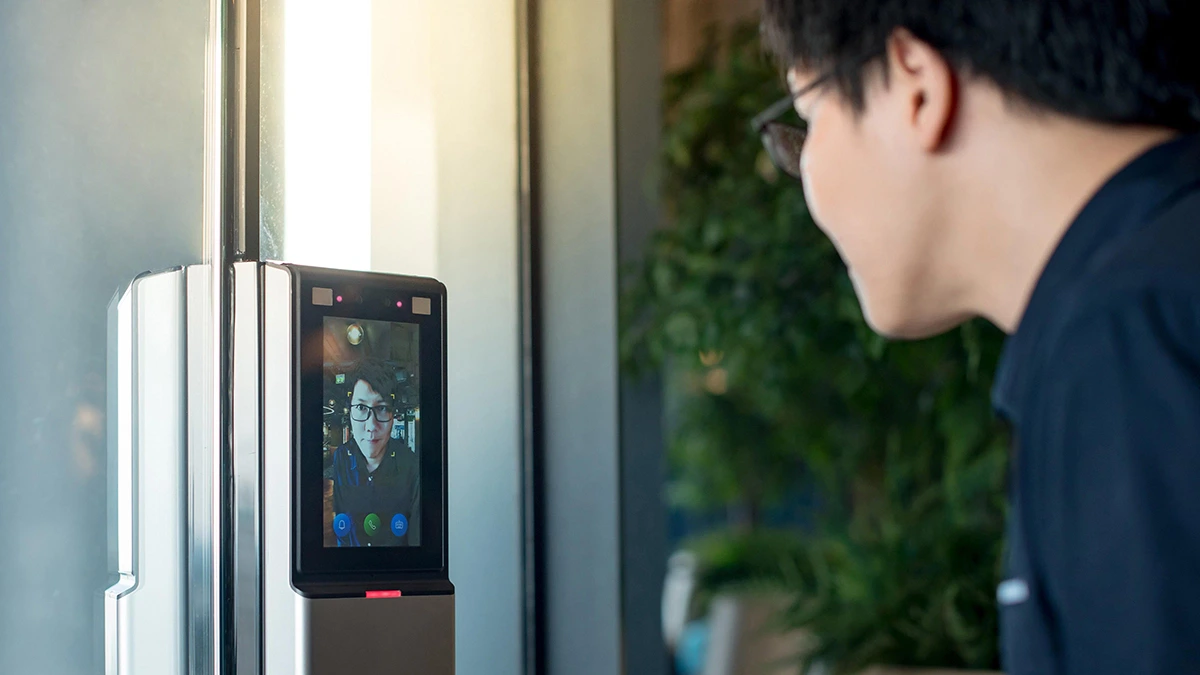
Facial recognition check-in is no longer science fiction. In 2026, some hotels around the world are already using facial recognition technology to speed up arrivals, reduce staffing costs, and create “contactless” guest experiences.
But it’s not universal, not mandatory, and not allowed everywhere.
Here’s the clear, real explanation of which hotels use facial recognition, how it works, where it’s legal, and what guests need to know.
Short Answer (Very Important)
✔ Yes, some hotels use facial recognition for check-in
❌ No, most hotels do NOT require it
⚠️ Laws, consent rules, and regions matter a lot
In most countries, facial recognition is optional, not compulsory.
What Facial Recognition Check-In Means
Facial recognition check-in allows a hotel to:
-
Verify your identity using a camera
-
Match your face to an ID or stored profile
-
Issue a room key or digital access without staff interaction
It replaces:
-
Manual ID checks
-
Paper forms
-
Front-desk interaction (in some cases)
This is usually done via:
-
Self-service kiosks
-
Mobile apps
-
Smart lobby cameras
Where Facial Recognition Is Most Common in Hotels
🇨🇳 China (Most Widespread Use)
China leads global adoption.
Common in:
-
Business hotels
-
Airport hotels
-
Tech-forward urban hotels
Guests may:
-
Scan ID
-
Scan face
-
Receive room assignment instantly
This is legally permitted under Chinese regulations.
🇯🇵 Japan (Limited, Controlled Use)
Japan uses facial recognition mainly for:
-
Capsule hotels
-
Business hotels
-
Automated or robot-staffed hotels
It’s designed for speed, not surveillance.
Consent is usually explicit.
🇺🇸 United States (Very Limited)
In the U.S., facial recognition in hotels is:
-
Rare
-
Optional
-
Heavily regulated
Used mostly for:
-
VIP programs
-
Loyalty fast-track check-in
-
Pilot programs
Hotels cannot force facial scans on guests.
🇪🇺 Europe (Strictly Regulated)
Europe has the strictest rules.
Under privacy laws:
-
Explicit consent is required
-
Guests must be offered alternatives
-
Data retention is limited
Most European hotels avoid facial recognition entirely.
Why Hotels Are Testing Facial Recognition
Hotels adopt this technology to:
-
Reduce check-in wait times
-
Cut front desk staffing costs
-
Speed up high-volume arrivals
-
Enhance loyalty recognition
-
Enable app-based room access
For hotels, it’s about efficiency, not curiosity.
What Hotels Actually Store (Important)
If facial recognition is used, hotels may store:
-
A biometric template (not a photo)
-
Time and date of verification
-
Confirmation that identity matched
They usually do not store:
-
Continuous video
-
Facial movement tracking
-
Emotional analysis
-
Surveillance footage tied to your room
Data is typically:
-
Encrypted
-
Time-limited
-
Deleted after checkout (or set period)
Can Hotels Force Facial Recognition?
❌ No, in most countries they cannot.
Hotels must provide:
-
Manual ID verification
-
Staff-assisted check-in
-
Physical room keys
If a hotel refuses check-in unless you scan your face, that’s a red flag in most regions.
Guest Rights You Should Know
You have the right to:
-
Refuse facial recognition
-
Ask how biometric data is stored
-
Request deletion of biometric data
-
Choose manual check-in
-
Use physical keys instead of digital access
If a hotel pushes back, ask for a supervisor.
Common Myths (Not True)
❌ Hotels track you everywhere using facial recognition
❌ Cameras are inside rooms
❌ Facial scans are shared with governments automatically
❌ Your face data is stored forever
These claims are exaggerated or false.
When Facial Recognition Makes Sense
It works best for:
-
Repeat business travelers
-
Loyalty members
-
Airport hotels
-
High-volume convention hotels
It’s about speed — not replacing hospitality entirely.
When You Should Avoid It
Avoid facial recognition if:
-
You’re privacy-conscious
-
You’re traveling internationally
-
You’re unsure of local data laws
-
The hotel cannot explain its policy clearly
Manual check-in is always safer.
How to Know If a Hotel Uses It
Before booking:
-
Read the check-in policy
-
Look for “biometric” or “facial recognition” wording
-
Check guest reviews
-
Ask the hotel directly
Transparency is a good sign.
Final Verdict
In 2026, facial recognition check-in exists — but it’s not the norm.
✔ Used in select countries and hotels
✔ Mostly optional
✔ Heavily regulated in many regions
✔ Alternatives must be provided
For travelers, the key is choice. You can enjoy modern convenience without giving up control over your identity.