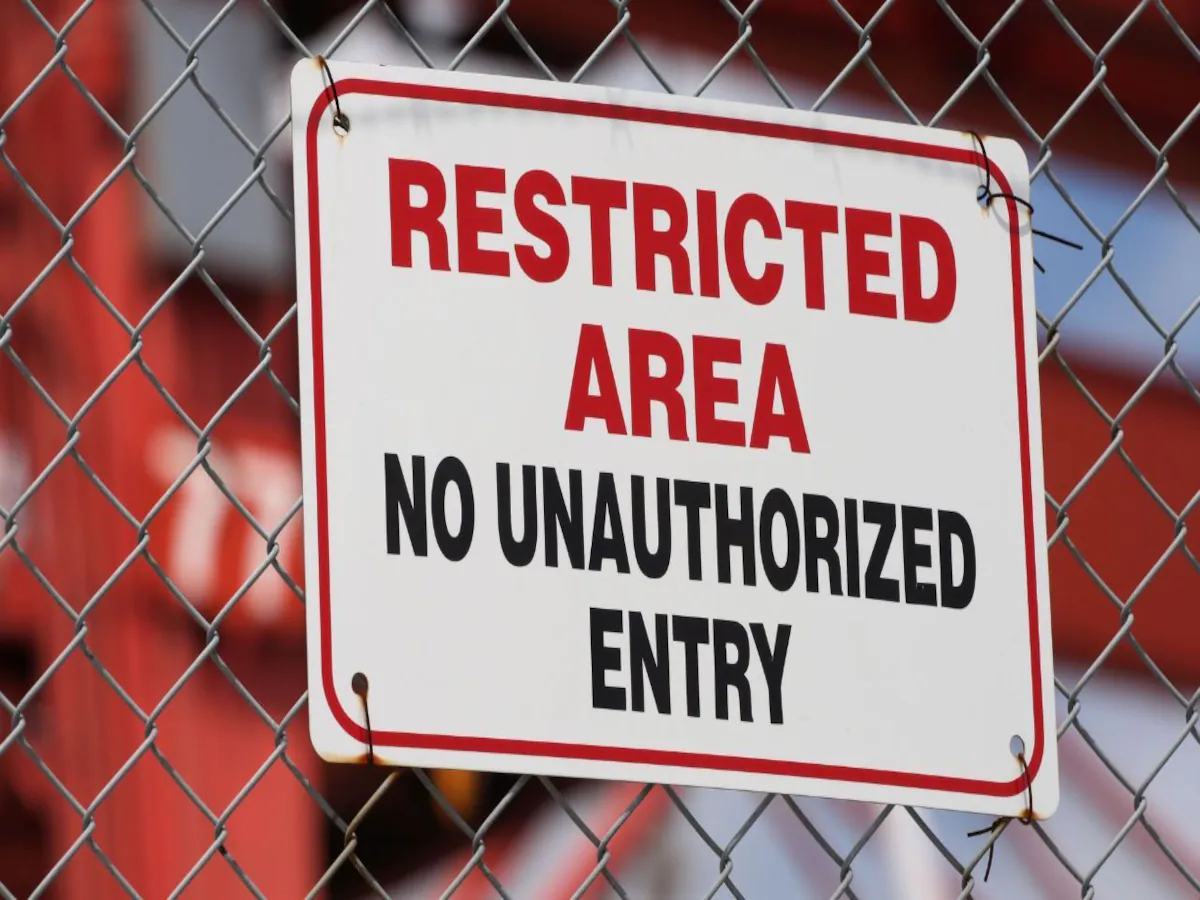
Yes — you absolutely can be fined for entering restricted scenic areas, and in 2026 enforcement is stricter than ever across US national parks, state parks, and protected scenic zones.
Many travelers assume restrictions are “suggestions.” They’re not.
This guide explains when fines apply, how much they can be, why areas are restricted, and how people get fined without realizing it.
Short Answer (Very Clear)
✔ Yes, you can be fined
✔ Fines range from $50 to $5,000+
✔ Applies to parks, scenic drives, beaches, overlooks, and wildlife zones
❌ “I didn’t know” is not a defense
What Counts as a “Restricted Scenic Area”
A restricted scenic area is any location officially closed or limited by managing authorities.
This includes:
-
Closed trails or overlooks
-
Off-limit viewpoints
-
Wildlife protection zones
-
Areas beyond fences or ropes
-
Roads requiring permits or reservations
-
Seasonal closures
If signage, barriers, or official notices exist, the area is restricted.
Why Scenic Areas Are Restricted
Restrictions exist for serious reasons:
-
Public safety (unstable cliffs, avalanches, rockfall)
-
Wildlife protection (nesting birds, bears, turtles)
-
Environmental damage prevention
-
Overcrowding control
-
Search-and-rescue cost reduction
Most restrictions are based on past injuries, deaths, or ecosystem damage.
Common Ways Travelers Get Fined (Without Realizing)
1. Stepping Past Barriers for Photos
Crossing ropes, chains, or “Do Not Enter” signs — even briefly — is a citable offense.
📸 Instagram photos are the #1 cause of fines.
2. Entering Permit-Only Scenic Roads
Driving a scenic road without:
-
The correct time window
can result in:
-
Citations
-
Turnarounds
-
Additional fines if damage occurs
3. Ignoring Seasonal Closures
Many scenic areas close:
-
During wildlife breeding seasons
-
After storms or fires
-
In winter for safety
Open gates do not mean open access.
4. Leaving Marked Trails
Going “just a few steps off-trail”:
-
Damages vegetation
-
Erodes soil
-
Triggers enforcement
Off-trail travel in protected areas is one of the most fined violations.
5. Entering Restricted Beaches or Dunes
Walking into:
-
Turtle nesting zones
-
Dune restoration areas
-
Closed tide pools
can result in immediate fines — even if no ranger is present.
How Much Are the Fines in 2026?
Typical fine ranges:
-
$50–$250: Minor restricted access violations
-
$250–$1,000: Ignoring closures, wildlife zones
-
$1,000–$5,000+: Environmental damage, repeat offenses
In national parks, fines are federal and may include:
-
Court appearances
-
Criminal citations
-
Bans from certain areas
Can You Be Fined If No Ranger Is Present?
✔ Yes
Enforcement methods include:
-
Rangers
-
Surveillance cameras
-
License plate tracking
-
Reports from staff or visitors
-
Social media evidence (yes, really)
Delayed citations are becoming more common.
“I Didn’t See the Sign” — Does That Matter?
❌ No.
Courts generally rule:
-
Posted rules exist whether you saw them or not
-
Digital notices count
-
Park websites and apps count
Visitors are responsible for knowing access rules.
Are Fines Immediate or Later?
Both happen.
You may:
-
Receive a ticket on the spot
-
Be mailed a citation
-
Be contacted later if your vehicle is identified
Federal park citations can follow you across state lines.
Can You Appeal a Scenic Area Fine?
Yes — but success is limited.
Appeals work only if:
-
Signs were missing or damaged
-
Boundaries were unclear
-
You followed ranger instructions
“I wanted a photo” or “others were doing it” does not work.
How to Avoid Getting Fined (Smart Traveler Tips)
-
Respect ropes, fences, and closures
-
Stay on marked trails
-
Check permit requirements before driving
-
Follow seasonal notices
-
Avoid “shortcut” paths
-
Ask rangers if unsure
When in doubt, don’t cross.
Why Enforcement Is Increasing in 2026
-
Record visitor numbers
-
Increased accidents
-
Social media damage
-
High rescue costs
-
Environmental pressure
Fines are used to protect both people and places.
Final Verdict
✔ Yes, you can be fined for entering restricted scenic areas
✔ Enforcement is real and increasing
✔ Fines can be serious and permanent
Scenic rules are not optional. Respecting closures protects nature — and saves you from expensive mistakes.