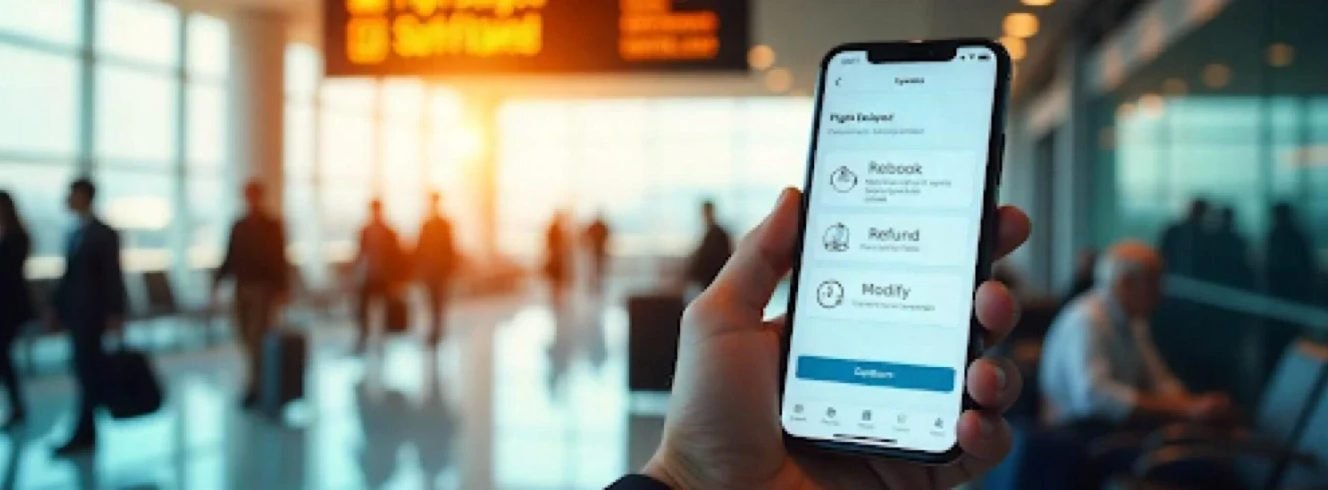
Flight disruptions are stressful, but sometimes your airline rebooks you before you even ask. That’s why many travelers want to know what triggers automatic flight rebooking. In 2026, airlines use smart systems that can rebook passengers automatically—but only under specific conditions.
This guide explains clearly what triggers automatic flight rebooking, when it happens, when it doesn’t, how airlines decide, and what you should do the moment you’re rebooked.
The Short Answer (Clear & Simple)
So, what triggers automatic flight rebooking?
✔ Major delays
✔ Flight cancellations
✔ Missed connections caused by the airline
✔ Aircraft swaps or crew issues
✔ Irregular operations (IRROPS)
❌ Weather alone does not always trigger it
❌ Minor delays usually do not trigger it
Understanding these rules helps you stay in control when things go wrong.
What “Automatic Rebooking” Really Means
Before breaking down what triggers automatic flight rebooking, it’s important to understand the term.
Automatic rebooking means:
-
The airline system moves you to a new flight
-
You may receive a notification or email
-
No agent interaction is required initially
This does not mean the new flight is always ideal. It just means the system acted quickly.
Flight Cancellations (Most Common Trigger)
The most common answer to what triggers automatic flight rebooking is a cancellation.
When a flight is canceled:
-
The airline must re-accommodate passengers
-
The system looks for the next available seats
-
Rebooking often happens instantly
Cancellations almost always trigger automatic flight rebooking.
Long Delays (Not All Delays Count)
Another major factor in what triggers automatic flight rebooking is delay length.
Typically:
-
Short delays (30–60 minutes): ❌ no rebooking
-
Moderate delays (1–2 hours): maybe
-
Long delays (2+ hours): ✔ often triggers rebooking
Airlines use internal thresholds. Once crossed, automatic flight rebooking kicks in.
Missed Connections Caused by the Airline
Missed connections are a big part of what triggers automatic flight rebooking.
If:
-
Your first flight is late
-
You miss your next flight
-
Both flights are on the same ticket
Then:
✔ Automatic rebooking usually happens
This is one of the most reliable triggers for automatic flight rebooking.
Aircraft or Crew Problems
Operational issues are another key answer to what triggers automatic flight rebooking.
Examples include:
-
Aircraft mechanical problems
-
Aircraft swaps
-
Crew timing or legal duty limits
-
Maintenance delays
These situations are fully under airline control, which makes automatic flight rebooking more likely.
Irregular Operations (IRROPS)
Airlines group major disruptions under “IRROPS,” a major driver of what triggers automatic flight rebooking.
IRROPS can include:
-
Multiple flight cancellations
-
Airport congestion
-
Air traffic control restrictions
-
System-wide disruptions
During IRROPS, airlines often rebook thousands of passengers automatically.
When Weather DOES Trigger Automatic Rebooking
Weather is tricky when discussing what triggers automatic flight rebooking.
Weather can trigger rebooking when:
-
Flights are canceled due to storms
-
Airports shut down
-
Aircraft or crews are displaced
Weather alone does not guarantee rebooking—but cancellations caused by weather do.
When Automatic Rebooking Does NOT Happen
Equally important to what triggers automatic flight rebooking is knowing when it does not happen.
Automatic rebooking usually does NOT occur if:
-
You voluntarily change flights
-
You miss a flight due to late arrival at airport
-
The delay is short
-
You booked separate tickets
In these cases, manual help is required.
Why Airlines Rebook You Automatically
Understanding what triggers automatic flight rebooking also means knowing why airlines do it.
Airlines use automation to:
-
Reduce lines at service desks
-
Move passengers quickly
-
Protect connections
-
Minimize compensation claims
Automation helps airlines manage chaos—but it doesn’t always pick the best option for you.
How Airlines Choose Your New Flight
A key part of what triggers automatic flight rebooking is how the system decides.
Rebooking systems prioritize:
-
Same airline flights
-
Same cabin class
-
Earliest available departure
-
Same-day arrival if possible
Seat availability—not comfort—is the main factor.
Why Your New Flight Might Be Worse
Many travelers complain after what triggers automatic flight rebooking because the new flight isn’t ideal.
Common issues:
-
Longer layovers
-
Worse seat assignments
-
Later arrival times
Automatic systems move fast, not smart. You can often improve the rebooking manually.
What To Do Immediately After Rebooking
Once what triggers automatic flight rebooking happens and you’re rebooked, take these steps:
-
Check the new itinerary carefully
-
Confirm seat and connection time
-
Compare alternatives in the app or website
-
Contact an agent if it’s not acceptable
-
Act fast—seats disappear quickly
Automatic does not mean final.
Can You Reject an Automatic Rebooking?
Yes. A key detail in what triggers automatic flight rebooking is choice.
You can usually:
-
Change to another flight
-
Request a refund (for cancellations)
-
Ask for alternate routing
Automatic rebooking does not remove your rights.
Does Automatic Rebooking Cost Extra?
No. Another fear tied to what triggers automatic flight rebooking is pricing.
✔ Rebooking due to disruption is free
✔ Fare differences are not charged
❌ Optional upgrades may cost extra
If you’re charged unexpectedly, question it.
International Flights vs Domestic Flights
For international travel, what triggers automatic flight rebooking works similarly.
Differences:
-
Fewer same-day alternatives
-
Longer delays to rebook
-
More manual review
But cancellations and missed connections still trigger automatic rebooking.
Why This Happens Faster in 2026
If what triggers automatic flight rebooking feels faster now, that’s intentional.
Reasons include:
-
AI-driven rebooking systems
-
Real-time flight data
-
App-based notifications
-
Reduced staffing at airports
Automation is now the first response.
Common Myths (Cleared Up)
❌ “Automatic rebooking always picks the best flight”
✔ False
❌ “You’re stuck with the rebooked flight”
✔ False
❌ “Weather delays never trigger rebooking”
✔ False
Knowing these myths helps you handle what triggers automatic flight rebooking calmly.
Best Strategy for Travelers
To benefit from what triggers automatic flight rebooking, use this strategy:
-
Enable app notifications
-
Monitor your flight early
-
Know your backup options
-
Contact agents quickly
-
Don’t wait in long lines if already rebooked
Speed matters once systems start moving.
Final Verdict
So, what triggers automatic flight rebooking?
Final Answer
-
Flight cancellations
-
Long delays
-
Missed connections caused by the airline
-
Aircraft or crew issues
-
Large-scale disruptions
Automatic rebooking is designed to keep passengers moving—not necessarily comfortable. Once you understand what triggers automatic flight rebooking, you can take control, improve your itinerary, and avoid unnecessary stress.
In 2026, the key is simple: let the system rebook you fast—then decide if it works for you.