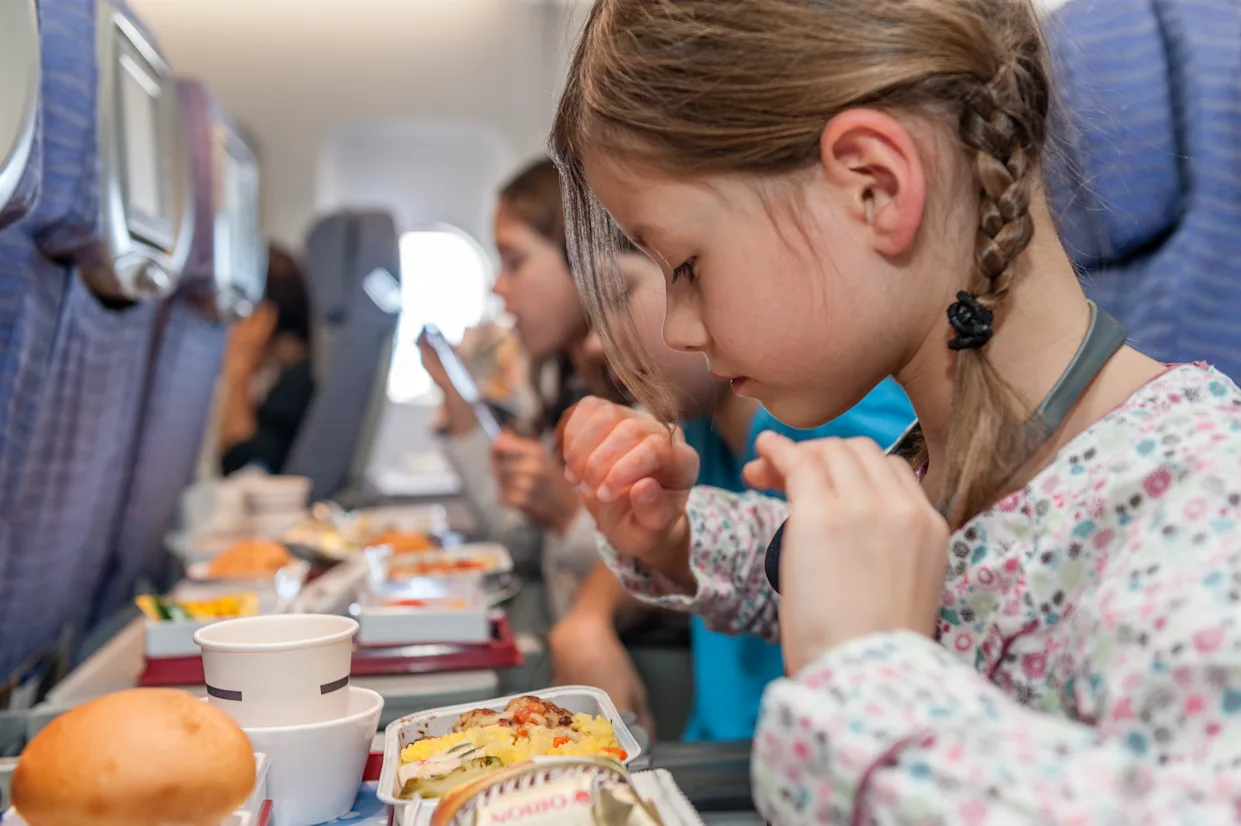
Many travelers quietly wonder is airplane food safe to eat, especially after hearing stories about upset stomachs, strange tastes, or long hours between cooking and serving. The good news is this: airplane food is generally safe to eat, but there are important details every traveler should understand.
Food safety in aviation follows strict rules, yet the flying environment changes how your body reacts to meals. Knowing is airplane food safe to eat helps you decide what to eat, what to skip, and how to avoid discomfort in the air.
How Airline Food Is Prepared
To understand is airplane food safe to eat, you need to know how it’s made.
Most airline meals are:
-
Cooked in certified catering kitchens
-
Prepared under strict hygiene rules
-
Rapidly chilled to prevent bacteria growth
-
Sealed and transported in temperature-controlled trucks
-
Reheated onboard using regulated equipment
From a safety standpoint, this process is tightly controlled. That’s a key reason airplane food is safe to eat for the vast majority of passengers.
Also Read:-
- Why Airline Food Tastes Bad (The Real Reasons Airlines Don’t Tell You)
- Foods That Cause Stomach Pain on Flights Most Travelers Regret Eating
- What Foods Not to Eat Before Flying (Avoid These Every Time)
- Can Airline Food Make You Sick?
- Worst Foods to Eat on a Long Flight You’ll Feel Almost Immediately
- Why Food Tastes Different on Planes (The Real Reason It Feels Bland)
- Foods That Cause Bloating While Flying
Airline Food Safety Standards Are Very Strict
Airlines operate under international food safety laws.
These rules include:
-
Regular kitchen inspections
-
Temperature checks at every stage
-
Staff hygiene protocols
-
Time limits between cooking and serving
Because of this, serious food poisoning from airplane food is extremely rare. From a regulatory perspective, is airplane food safe to eat? Yes.
Why People Still Feel Sick After Eating Airline Food
Even though airplane food is safe to eat, many travelers feel uncomfortable after meals.
This happens because:
-
Cabin pressure expands gas in your stomach
-
Dry air slows digestion
-
Sitting for long periods traps bloating
-
High salt levels increase dehydration
So when people ask is airplane food safe to eat, what they’re often experiencing isn’t unsafe food—it’s how their body reacts at altitude.
Reheating Changes Digestion, Not Safety
Another reason people question is airplane food safe to eat is reheating.
Airplane meals are reheated, not freshly cooked onboard. Reheating:
-
Changes texture
-
Reduces freshness
-
Makes food harder to digest
This can cause nausea or bloating, but it doesn’t mean the food is unsafe. It simply explains why airplane food feels heavier than ground meals.
Salt Levels Can Make You Feel Unwell
Airlines add extra salt because taste dulls at altitude.
High sodium can cause:
-
Thirst
-
Bloating
-
Headaches
-
Mild nausea
This is another reason travelers doubt is airplane food safe to eat, even though the issue is salt sensitivity, not contamination.
Dairy and Creamy Meals Are the Biggest Risk
If you’re asking is airplane food safe to eat, the answer depends partly on what you choose.
Dairy-heavy meals:
-
Are harder to digest at altitude
-
Increase gas and cramps
-
Cause discomfort for many people
Even if the food is safe, creamy pasta and cheese-heavy dishes are more likely to make you feel sick.
Alcohol Makes Airline Food Feel Worse
Alcohol often gets blamed on airline food.
Alcohol:
-
Dehydrates you faster
-
Irritates your stomach lining
-
Makes bloating and nausea worse
This combination is a major reason people ask is airplane food safe to eat after feeling unwell mid-flight.
When You Should Be More Careful
While airplane food is safe to eat, extra caution helps if you:
-
Have a sensitive stomach
-
Have food intolerances
-
Are flying long-haul
-
Feel anxious while traveling
In these cases, lighter food choices matter more than safety concerns.
Foods That Are Usually Safer to Eat on Planes
If you’re thinking about is airplane food safe to eat, choose foods that digest easily.
Better options include:
-
Plain rice or pasta
-
Tomato-based dishes
-
Lean protein
-
Bread rolls
-
Simple snacks
These foods reduce discomfort even though the food itself is safe.
How to Eat Airline Food Safely and Comfortably
To feel better while eating onboard:
-
Eat smaller portions
-
Drink water before and after meals
-
Skip alcohol
-
Avoid creamy or greasy foods
-
Bring familiar snacks
These steps don’t change whether airplane food is safe to eat—they change how your body handles it.
Final Thoughts
So, is airplane food safe to eat? Yes. Airline food is prepared under strict safety standards and serious food poisoning is rare.
Most problems come from digestion changes at altitude, reheating, salt levels, and food choices—not unsafe handling. Choose lighter meals, stay hydrated, and airline food doesn’t have to ruin your flight.
Understanding is airplane food safe to eat helps you fly smarter, eat better, and feel more comfortable in the air.
Also Read:-
- Why Airline Food Tastes Bad (The Real Reasons Airlines Don’t Tell You)
- Foods That Cause Stomach Pain on Flights Most Travelers Regret Eating
- What Foods Not to Eat Before Flying (Avoid These Every Time)
- Can Airline Food Make You Sick?
- Worst Foods to Eat on a Long Flight You’ll Feel Almost Immediately
- Why Food Tastes Different on Planes (The Real Reason It Feels Bland)
- Foods That Cause Bloating While Flying