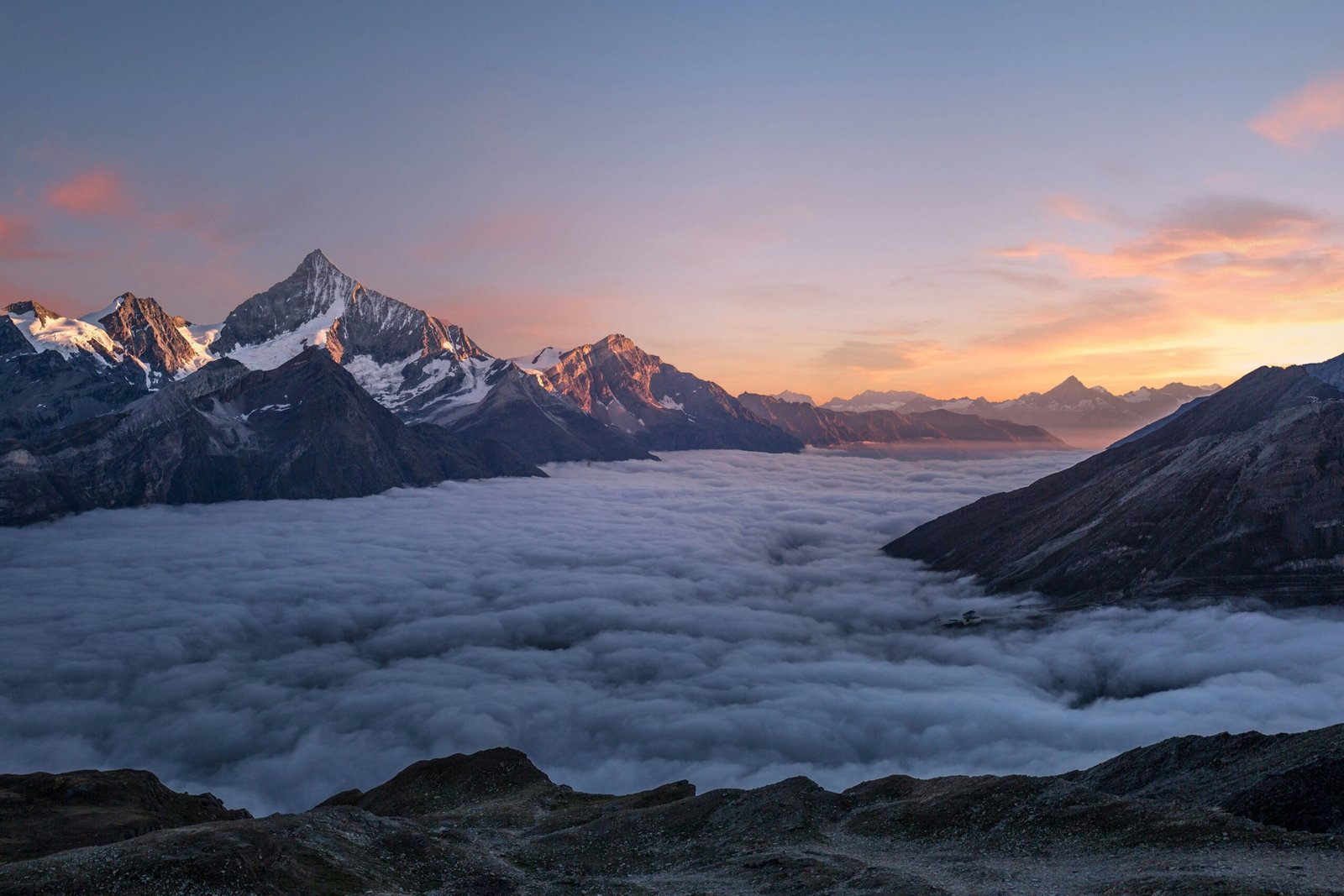
The best Alps altitude shift escapes 2026 are drawing a rapidly growing number of travelers who have discovered something that regular Alpine visitors have known for years: summer in the Alps is not a consolation prize for people who missed ski season. It is one of the finest travel experiences in Europe, full stop. While Mediterranean beaches bake under temperatures of 35 to 40 degrees Celsius and cities like Rome, Barcelona, and Athens overflow with heat-exhausted tourists, the Alpine villages of Switzerland, France, Italy, and Austria sit at elevations where temperatures remain naturally cool, glaciers glitter under summer skies, and hiking trails lead through landscapes of extraordinary beauty with a fraction of the coastal crowds.
The travel trend driving this shift is called “altitude shift” travel — the deliberate choice to escape summer heatwaves by heading upward rather than southward. It is a logical response to a European summer climate that has become progressively more extreme over the past decade. The number of days above 35 degrees in major European cities has increased dramatically. Heat-related health events at crowded tourist sites have become more common. And the traditional summer holiday formula — fly south, lie on a beach, visit overcrowded monuments in punishing heat — has become genuinely unpleasant for many travelers.
The Alps solve this problem elegantly. Every 1,000 metres of elevation reduces air temperature by approximately 6.5 degrees Celsius. A village at 1,500 metres elevation sits roughly 10 degrees cooler than the city in the valley below. A hiking trail at 2,500 metres feels like a different planet compared to a Milanese street in July. The same mountain range that Europe turns into a ski resort in winter becomes, in summer, a vast natural air conditioning system that provides cool air, clean water, dramatic scenery, and exceptional outdoor activities to anyone willing to trade their beach towel for a pair of hiking boots.
This guide covers the five best Alps altitude shift escapes for 2026 in detail — explaining what makes each destination exceptional for summer travel, what temperatures and conditions to expect, the best activities and experiences at each location, practical visiting information, and everything you need to plan the perfect Alpine summer escape.
What Is Altitude Shift Travel and Why Is It Trending in 2026?
Altitude shift travel — choosing a mountain destination specifically to escape lowland summer heat — is not a new concept, but it has entered mainstream travel conversation in 2026 as a named and recognised travel trend. The underlying physics are simple: temperature decreases with elevation at a rate of approximately 6.5°C per 1,000 metres of altitude gain. This means that a destination at 2,000 metres elevation will typically be 13°C cooler than a sea-level city in the same region.
For European summer travelers, this temperature differential has become increasingly significant. The summer of 2023 saw temperatures above 40°C in parts of Spain, Italy, and Greece. Infrastructure designed for moderate climates — air conditioning in older hotels and apartments, cooling systems at major tourist sites, urban heat island effects in densely built cities — struggled to cope. Travelers reported heat exhaustion, disrupted sleep, and genuinely diminished holiday experiences as a direct result of extreme temperatures.
The Alps offer a straightforward solution. Zermatt sits at 1,620 metres. St. Moritz at 1,822 metres. Cortina d’Ampezzo at 1,224 metres. Even Innsbruck, the most urban of the Alpine cities, sits at 574 metres with immediate access via cable car to elevations above 2,000 metres within 20 minutes. At these altitudes, summer temperatures typically range between 15 and 22°C — warm enough for comfortable outdoor activity, cool enough for deep sleep at night and energetic hiking during the day.
Beyond temperature, the altitude shift travel trend is driven by a broader shift toward active, nature-based travel experiences. Hiking, trail running, mountain biking, via ferrata climbing, lake swimming in glacier-fed water, and simply walking through dramatic Alpine landscapes represent a very different kind of summer holiday from the passive sun-and-beach model — and an increasingly popular one among travelers who want to come home genuinely refreshed rather than simply tanned.
Alps Altitude Shift Summer Temperature Guide
| Destination | Elevation | Avg July Temp | Nearest City Comparison |
|---|---|---|---|
| Zermatt, Switzerland | 1,620 m | 16 – 20°C | Geneva: 27°C |
| Chamonix, France | 1,035 m | 18 – 23°C | Lyon: 30°C |
| St. Moritz, Switzerland | 1,822 m | 14 – 19°C | Milan: 32°C |
| Cortina d’Ampezzo, Italy | 1,224 m | 17 – 22°C | Venice: 29°C |
| Innsbruck, Austria | 574 m (2,256 m by cable car) | 20 – 26°C (city); 10 – 14°C (mountain) | Munich: 25°C |
Best Alps Altitude Shift Escape 1: Zermatt, Switzerland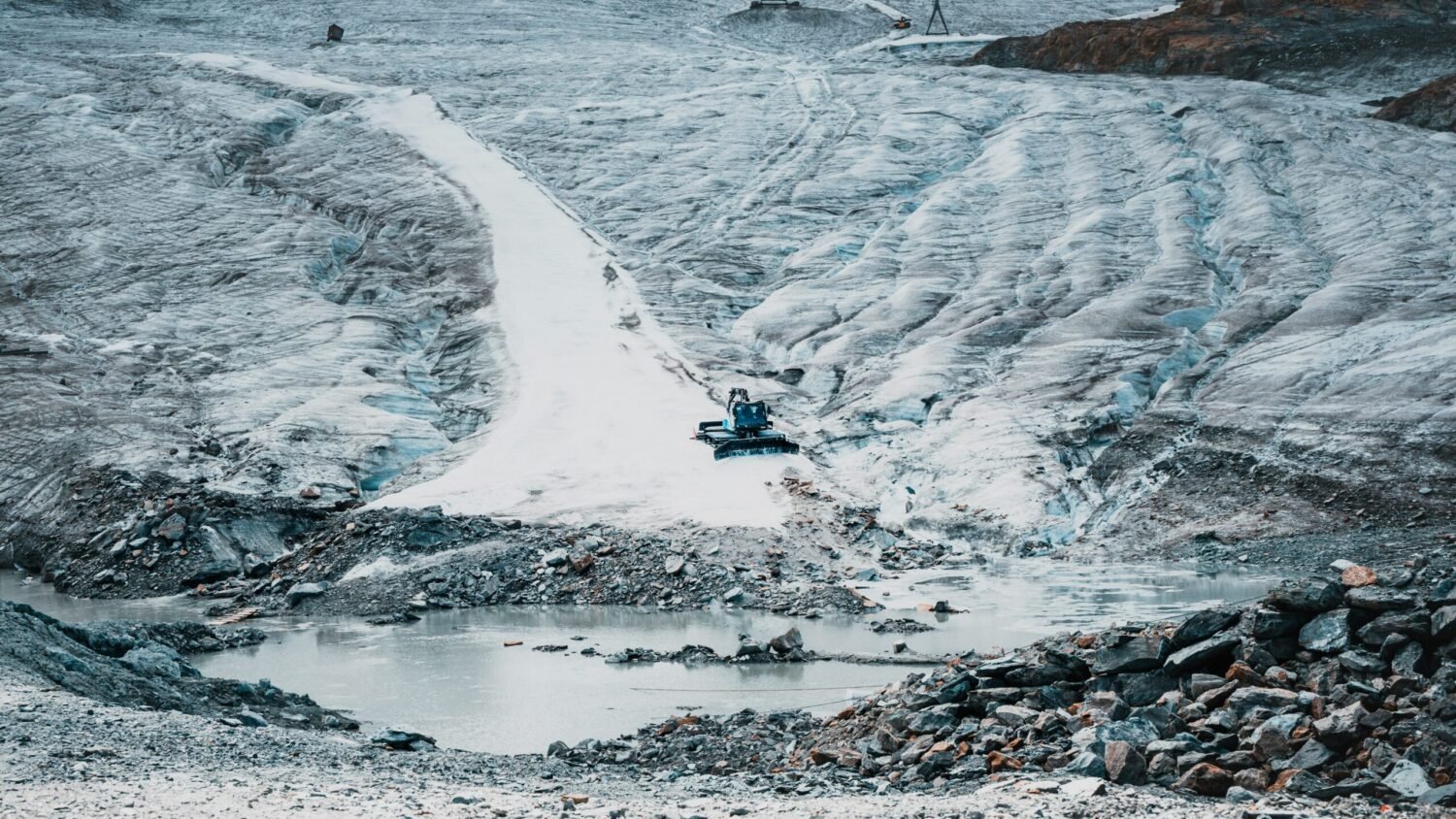
Zermatt is the definitive Alpine altitude shift destination — a car-free Swiss mountain village at 1,620 metres, sitting directly beneath the Matterhorn, one of the most recognisable mountain shapes in the world. It is perhaps the single best place in the Alps to experience the pure altitude shift effect: arriving from the heat of Geneva or Zurich via the scenic Glacier Express or the Matterhorn Gotthard Bahn, stepping off the train into cool mountain air at 1,620 metres, and feeling the temperature drop of approximately 6 to 10 degrees in real time.
Zermatt’s car-free status gives the village an atmosphere unlike any other Alpine resort. Electric taxis, horse-drawn carriages, and pedestrians fill streets that in most ski resorts would be clogged with rental car traffic. The pace is slower, the air cleaner, and the experience of walking from your hotel to the cable car station genuinely pleasant rather than a navigation exercise around parked vehicles.
Best Alps altitude shift experiences in Zermatt:
- Gornergrat Railway — the open-air rack railway that climbs from Zermatt to 3,089 metres at the Gornergrat summit, offering views of the Matterhorn, Monte Rosa, and the vast Gorner Glacier. The journey takes 33 minutes each way and is one of the most spectacular mountain railway experiences in Europe. Tickets cost approximately CHF 50 to 80 return depending on season.
- Matterhorn Glacier Paradise — Europe’s highest cable car station at 3,883 metres, accessible in stages from the village. The views from the top encompass four countries on a clear day. The glacier experience — walking on permanent ice in July in sunglasses — perfectly captures the altitude shift effect.
- Five Lakes Trail — one of Zermatt’s most popular summer hikes, passing five mountain lakes each of which reflects a different view of the Matterhorn. The trail is accessible to fit beginners and takes approximately 3 to 4 hours at a relaxed pace.
- Village exploration — the old part of Zermatt, with its historic mazots (raised grain stores on stone mushrooms) and traditional chalets, is beautifully atmospheric for evening walks after the day-trippers have departed
Practical information for Zermatt altitude shift travel:
- Access: Train from Visp or Brig on the Matterhorn Gotthard Bahn. Cars must be left in Täsch (3 km below the village) and the final section completed by train. Allow 4 hours from Geneva or Zurich including connections.
- Best months for altitude shift travel: June to September. July and August are peak months with all cable cars operating.
- Accommodation: CHF 150 to 400+ per night depending on category. Budget travelers can find reasonable options on the village outskirts. Book significantly in advance for July and August.
- Switzerland is expensive — budget CHF 60 to 100 per person per day for food and local transport beyond accommodation
Best Alps Altitude Shift Escape 2: Chamonix, France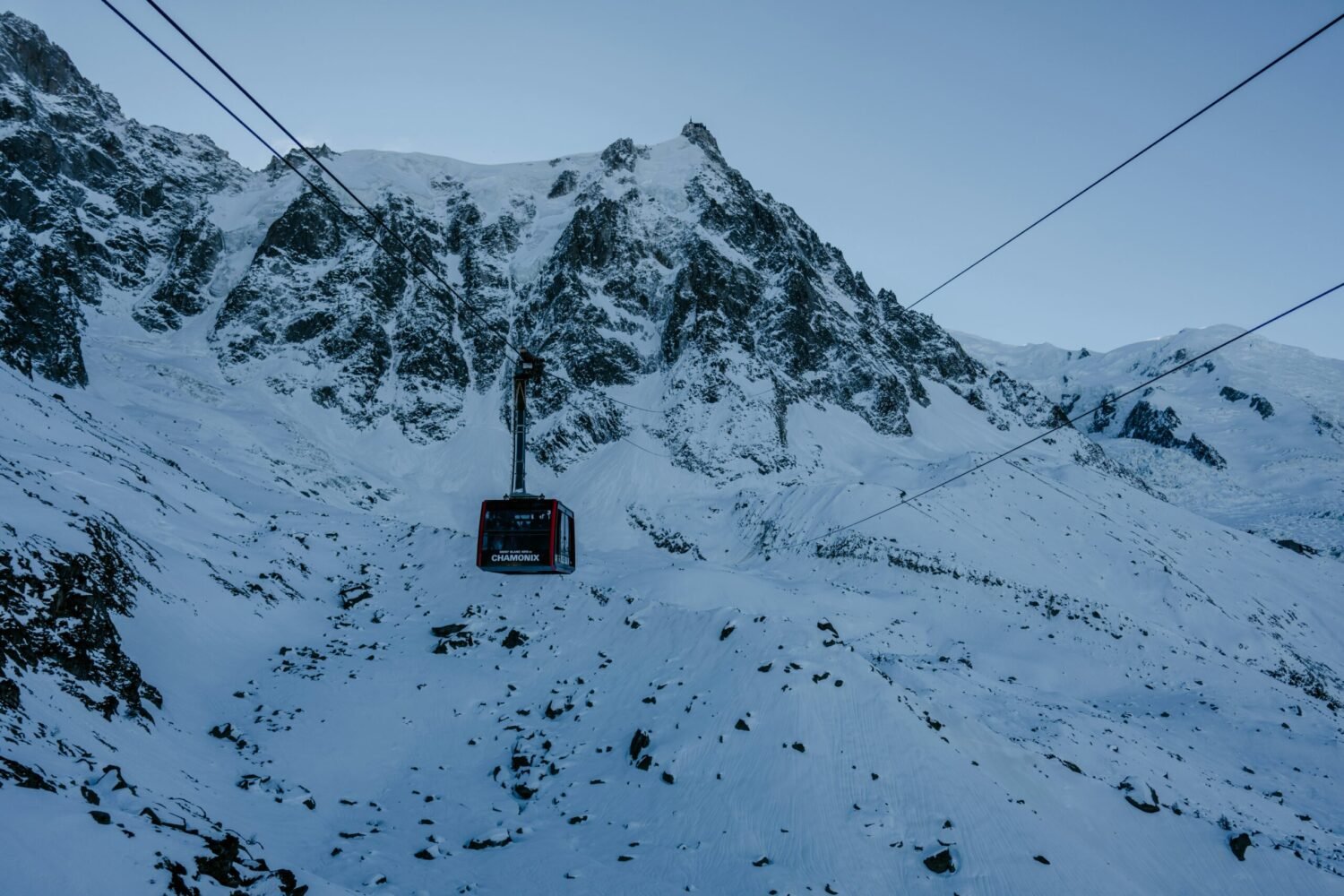
Chamonix is the adventure capital of the Alps and one of the best Alps altitude shift escapes for travelers who want active mountain experiences combined with the culture and food quality that French Alpine towns deliver. Sitting at 1,035 metres at the foot of Mont Blanc — at 4,808 metres the highest mountain in Western Europe — Chamonix offers altitude shift access to some of the most dramatic high-mountain terrain on the continent without requiring technical mountaineering skills.
The Aiguille du Midi cable car is Chamonix’s most extraordinary experience and one of the most dramatic single tourist experiences in Europe. Starting from the valley floor at 1,035 metres, it climbs in two stages to 3,842 metres in approximately 20 minutes. The ascent is viscerally dramatic — the cable car swings out over vertical rock faces and ice fields, the valley shrinks below, and the temperature at the top in summer is typically between -5 and +5°C even on the hottest valley days. Standing on the Aiguille du Midi platform looking across the Mont Blanc massif and down into the Chamonix valley 2,800 metres below is genuinely one of the great mountain experiences available to any traveler in Europe.
Best Alps altitude shift experiences in Chamonix:
- Aiguille du Midi cable car — pre-book tickets online well in advance, especially for July and August when morning slots sell out days ahead. First cable car departs around 8am — take it for the clearest views before afternoon cloud builds.
- Mer de Glace glacier visit — the largest glacier in France, reached by the historic Montenvers rack railway from Chamonix town. The glacier has receded significantly in recent decades and the trail markings showing historic ice levels are sobering and educational. The ice cave carved into the glacier is open in summer.
- Grand Balcon Nord trail — one of Chamonix’s finest moderate hikes, traversing the north-facing slopes above the valley with continuous views of the Mont Blanc massif. Approximately 4 hours round trip from the valley.
- The Tour du Mont Blanc — for serious hikers, the famous multi-day circuit around Mont Blanc passes through Chamonix and is considered one of Europe’s greatest long-distance hiking routes. Day sections can be walked independently using the valley’s cable cars for access and descent.
Getting there: Chamonix is 90 minutes by bus or taxi from Geneva airport. Mont Blanc Express trains connect Chamonix to Martigny in Switzerland. The town has good accommodation across all price ranges and excellent French restaurants at significantly lower prices than Swiss Alpine resorts.
Best Alps Altitude Shift Escape 3: St. Moritz, Switzerland
St. Moritz is the highest of the major Alpine resort towns at 1,822 metres, sitting in the Engadin valley in southeastern Switzerland. Its reputation for luxury winter travel tends to overshadow what is a genuinely exceptional summer destination — one where the altitude shift effect is most pronounced of all five locations in this guide, with July temperatures averaging 14 to 19°C even on the warmest summer days.
The Engadin valley around St. Moritz is arguably the most beautiful Alpine valley in Switzerland — a long, wide, south-facing valley at high elevation with a string of clear mountain lakes, immaculate meadows, and the characteristic Engadin architecture of white-painted stone buildings with decorated facades (sgraffito) that give the villages a uniquely charming appearance.
Best Alps altitude shift experiences in St. Moritz:
- Lake St. Moritz swimming — the lake in the centre of the resort is used for swimming in summer and is one of the most beautiful alpine bathing experiences in Europe, with the Piz Nair mountain rising above and the village’s grand hotels reflected in the water
- Bernina Express train journey — the UNESCO-listed Bernina Express railway runs from St. Moritz south over the Bernina Pass to Tirano in Italy, crossing Europe’s highest railway pass at 2,253 metres and passing through extraordinary mountain scenery including the circular Brusio viaduct. One of the world’s great train journeys and easily done as a day trip from St. Moritz.
- Corvatsch cable car and hiking — the Corvatsch cable car climbs to 3,303 metres for panoramic views over the Engadin lakes and toward the Italian Alps. Extensive summer hiking trails at high elevation are accessible from the cable car stations.
- Muottas Muragl — a funicular railway rising to 2,453 metres above the valley, offering one of the finest panoramic views in the Engadin and access to high-altitude walking trails with extraordinary views
Note on costs: St. Moritz is one of the most expensive destinations in the Alps and in Europe generally. Budget travelers should consider staying in nearby Pontresina (15 minutes by train, significantly cheaper) and visiting St. Moritz as a day trip.
Best Alps Altitude Shift Escape 4: Cortina d’Ampezzo, Italy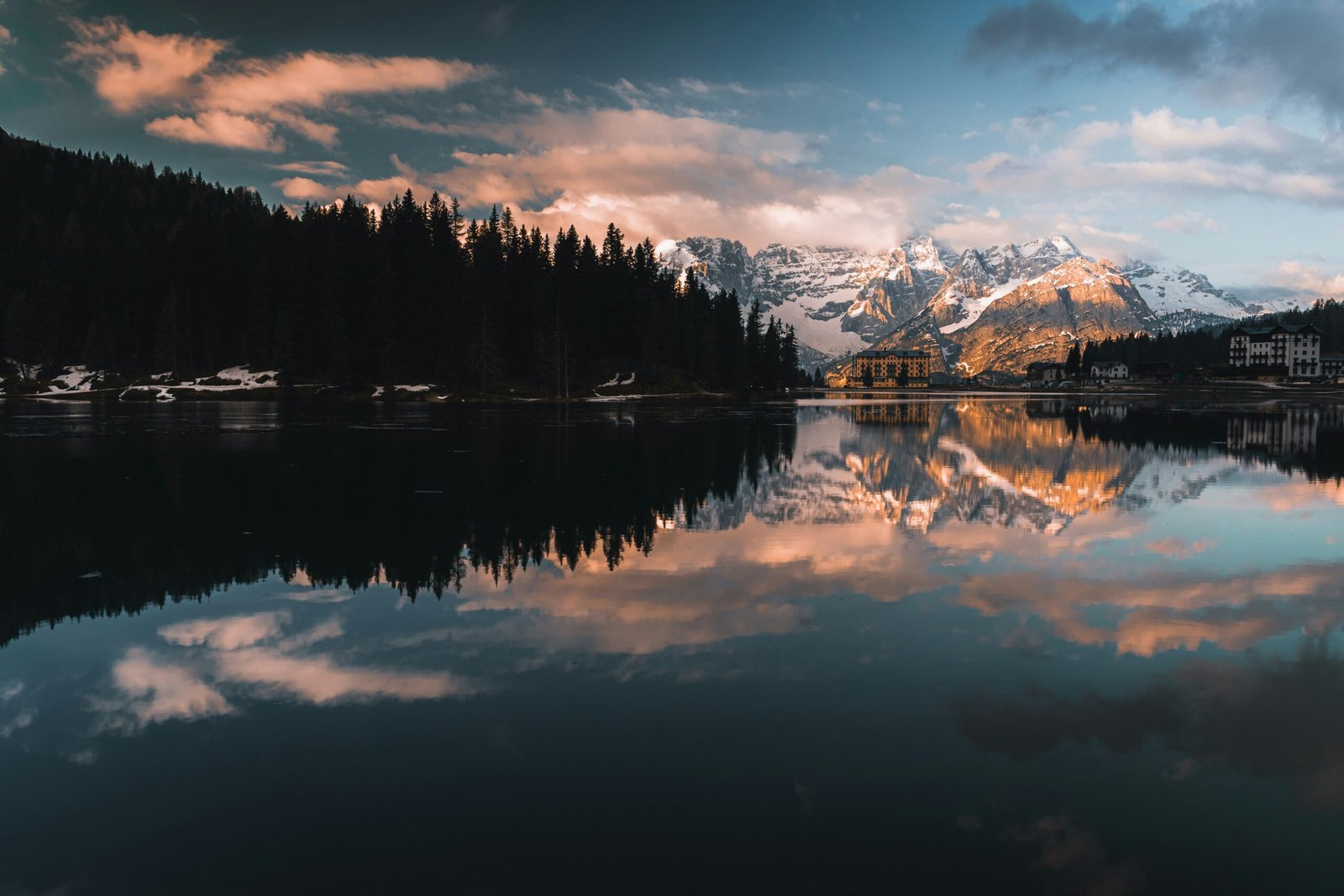
Cortina d’Ampezzo brings the Italian Alps altitude shift escape into focus — and it adds a dimension that the Swiss and French Alpine resorts cannot match: Italian food, culture, and aperitivo hour at the foot of the most dramatically beautiful mountain scenery in the entire Alpine chain. The Dolomites, the limestone mountain range in which Cortina sits, have a visual character utterly unlike the granite peaks of Switzerland or France: towers, spires, and sheer walls of pale golden rock that turn pink and orange in the evening light (the phenomenon known locally as the enrosadira or “alpenglow”).
Cortina was the host of the 1956 Winter Olympics and will co-host the 2026 Milan-Cortina Winter Olympics, meaning significant infrastructure investment has been made in the resort’s facilities in recent years. The combination of improved access, world-class mountain scenery, Italian hospitality, and genuine altitude shift temperatures (July averages of 17 to 22°C compared to Venice’s 29°C) makes it one of the most compelling summer mountain destinations in Europe.
Best Alps altitude shift experiences in Cortina:
- Lago di Braies (Pragser Wildsee) — the most photographed lake in the Dolomites, a turquoise alpine lake surrounded by vertical rock walls accessible from Cortina in approximately 45 minutes by car. Row boats can be hired on the lake. Arrive early (before 8am) or late afternoon to avoid peak crowds.
- Tre Cime di Lavaredo circuit — the three iconic rock towers of the Tre Cime are the symbol of the Dolomites. The circular hiking trail around them takes 3 to 4 hours and offers spectacular close-up views of the vertical faces. Access requires either a hike from the valley or the paid road to the Rifugio Auronzo.
- Via ferrata routes — Cortina is one of the best via ferrata centres in the Alps, with routes of all difficulty levels. Via ferrata — secured climbing routes using fixed iron rungs and cables — originated in this region during World War I and the area has dozens of historic and modern routes.
- Mountain rifugio dining — the network of Alpine refuges (rifugi) in the Dolomites serves excellent Italian food — pasta, grilled meats, polenta, local cheese — at altitudes of 2,000 to 2,500 metres. Combining a hike with a rifugio lunch is the defining summer Dolomites experience.
Best Alps Altitude Shift Escape 5: Innsbruck, Austria
Innsbruck is the most accessible Alpine altitude shift escape on this list — a proper city with a historic centre, excellent museums, international transport connections, and a full range of accommodation and restaurant options, combined with immediate mountain access that no other major European city can match. The Nordkette cable car starts from a station in the city centre and reaches 2,256 metres in approximately 20 minutes, putting visitors into full alpine terrain — rocky summit ridges, marmots, alpine flowers, and views across the Karwendel mountain range — without leaving the city’s transport network.
This combination makes Innsbruck ideal for travelers who want the altitude shift experience but are hesitant about committing to a remote mountain village — or who want to combine urban culture with mountain access in the same trip. The city itself, with its medieval old town, the famous Golden Roof (Goldenes Dachl) arcade, the Imperial Palace (Hofburg), and one of Austria’s best museum collections, offers a full day or two of urban activity before or after mountain exploration.
Best altitude shift experiences in and around Innsbruck:
- Nordkette cable car and Hafelekar summit — the three-stage cable car system (Nordkettenbahn) rises from sea level in the city to 2,256 metres at Hafelekar in 20 minutes. The contrast between the urban starting point and the alpine summit is remarkable. On a clear day the view takes in the entire Inn valley and the distant Dolomites to the south.
- Patscherkofel mountain — on the south side of the Inn valley opposite the Nordkette, the Patscherkofel cable car reaches 1,964 metres and is popular with locals for summer hiking. Less touristy than the Nordkette and quieter on weekdays.
- Old Town Innsbruck — the medieval centre is compact and walkable. The Golden Roof, the Cathedral, the Hofburg Imperial Palace, and the Tyrolean State Museum (Tiroler Landesmuseum) can all be visited in a single day. The Maria-Theresien-Strasse, the main pedestrian boulevard, has excellent cafés and shops.
- Stubai Glacier — approximately 40 minutes from Innsbruck by bus, the Stubai Glacier is one of Austria’s most accessible glaciers and operates year-round for skiing and summer visitors. Walking on glacial ice in July at 3,200 metres is the ultimate altitude shift experience.
Best Time to Visit the Alps for Altitude Shift Travel in 2026
The Alpine summer season runs from mid-June through late September, with each month offering a different experience that suits different traveler types.
June is the quietest and most beautiful month in many respects. Snow still covers the highest peaks and passes, wildflowers carpet the meadows below the snow line in an extraordinary display, and tourist numbers are significantly lower than July and August. Some high-altitude cable cars and trails may still be closed due to lingering snow in early June — check before visiting.
July and August are peak summer months with all cable cars and mountain railways operating, the warmest temperatures at altitude, and the highest tourist numbers. Booking accommodation and popular cable car tickets (particularly the Aiguille du Midi in Chamonix) well in advance is essential. Prices are at their highest, but the mountain experience is at its most complete.
September is the hidden gem of the Alpine summer calendar. Crowds are significantly reduced from August peaks, prices drop noticeably, the weather remains stable and often excellent, and the first touches of autumn colour — larch trees turning golden in the Swiss and Austrian Alps — create a landscape of extraordinary beauty. For experienced travelers who have flexibility in timing, September is often considered the finest month for Alpine summer travel.
Essential Packing Guide for Alps Altitude Shift Travel
Packing correctly for an Alpine altitude shift trip is more important than for a standard beach holiday because the temperature range you will experience in a single day is much wider. Starting from a valley village at 18°C in the morning and ascending to 3,000 metres where it may be 2°C and windy by mid-morning requires clothing layers that work across a significant temperature differential.
- Layering system — three layers are essential: a moisture-wicking base layer, an insulating mid-layer (light down jacket or fleece), and a waterproof wind-resistant outer shell. All three should be packable and lightweight.
- Hiking footwear — proper hiking shoes or boots with ankle support are essential for any trail beyond easy valley walks. Trainers or casual shoes are inadequate on rocky alpine terrain and increase injury risk significantly.
- Sun protection — UV exposure increases with altitude due to thinner atmosphere and snow/glacier reflection. SPF 50+ sunscreen, sunglasses with UV protection, and a hat are essential items, not optional.
- Water and snacks — mountain exertion requires significantly more water than urban sightseeing. Carry at least 1.5 to 2 litres on any significant hike and energy-dense snacks for sustained activity.
- Navigation — download offline maps (Maps.me or the Swiss or Austrian national trail apps) before heading into the mountains. Mobile signal is unreliable on many trails.
Frequently Asked Questions About Alps Altitude Shift Escapes in 2026
What is altitude shift travel and why are the Alps perfect for it?
Altitude shift travel is the deliberate choice to escape summer heat by travelling to higher elevations rather than traditional beach destinations. The Alps are perfect for it because they offer multiple destinations at elevations of 1,000 to 2,000 metres with well-developed tourism infrastructure, dramatic scenery, and temperatures 10 to 15 degrees cooler than surrounding lowland cities.
Is the Alps summer season very crowded?
Popular destinations like Zermatt and Chamonix can be busy in July and August, particularly around major cable cars and iconic viewpoints. However, the mountain trail network spreads visitors across a vast area and it is usually possible to find quiet trails even in peak season. June and September offer significantly lower crowds at most destinations.
Can you still see snow in the Alps in summer?
Yes. At elevations above approximately 2,500 metres, permanent glaciers and snowfields remain year-round. The major glacier destinations — Matterhorn Glacier Paradise in Zermatt, Aiguille du Midi in Chamonix, Stubai Glacier near Innsbruck — allow visitors to walk on snow and ice in July and August.
Do you need hiking experience for an Alps altitude shift trip?
No. All five destinations in this guide have excellent infrastructure — cable cars, mountain railways, and well-marked easy trails — that make Alpine scenery accessible to travelers with no hiking experience. The Gornergrat Railway in Zermatt, the Aiguille du Midi cable car in Chamonix, and the Nordkette cable car in Innsbruck all deliver dramatic high-altitude experiences with no walking required beyond the platforms.
Is summer in the Alps cheaper than ski season?
Generally yes, particularly at Swiss and Austrian resorts where peak ski season prices are among the highest in Europe. Summer accommodation prices are typically 20 to 40 percent lower than peak winter rates at most Alpine resorts. Cable car and railway prices remain similar year-round, and some attractions offer summer-only passes that bundle multiple cable cars at a discount.
Which Alps altitude shift destination is best for first-time Alpine visitors?
Innsbruck is the most accessible first Alps altitude shift experience — it combines the convenience of a city with immediate mountain access, has the widest range of accommodation prices, and is the easiest to reach by train from major European cities. Zermatt is the most dramatic and memorable once you have made the commitment to travel to a remote car-free mountain village. Chamonix offers the best balance of adventure, scenery, and French food culture for active travelers.
Final Verdict: Are the Alps the Best Altitude Shift Escape in Europe for 2026?
The best Alps altitude shift escapes in 2026 represent the most compelling case for summer mountain travel in Europe — and for many travelers who make the switch from beach holidays to Alpine summers, there is no going back. The combination of temperature relief, extraordinary natural scenery, excellent infrastructure, diverse activities from easy valley walks to serious high-altitude mountaineering, and the particular quality of Alpine light in summer produces a travel experience that is genuinely different from any other European holiday.
Whether you choose car-free Zermatt beneath the Matterhorn, adventure-focused Chamonix below Mont Blanc, luxurious St. Moritz above its chain of mountain lakes, Italian-inflected Cortina in the Dolomites, or accessible urban-mountain Innsbruck, the altitude shift effect delivers on its promise: genuinely cool air, the kind of deep sleep that comes from physical exertion at altitude, and a landscape that makes the heat-baked coastal Europe you left behind feel like another world.
The Alps in summer are not a compromise for travelers who could not get a beach booking. They are a choice — increasingly a deliberate and enthusiastic choice — by travelers who have discovered that the best summer holiday in Europe is measured not in degrees of warmth but in metres of altitude.