If you want to see the Milky Way, shooting stars, and deep-space skies, 2026 is a great year — especially if you choose the right national parks. With travel increasing during the USA 250th anniversary, crowded parks won’t be ideal for night skies.
The parks below are famous for extremely dark skies, low light pollution, and unforgettable stargazing. These are the best national parks for stargazing in 2026.
Great Basin National Park – Darkest Skies in the Lower 48
Great Basin is often ranked as the best stargazing national park in the USA.
Why it’s perfect:
-
Very remote location
-
Almost zero light pollution
-
Clear, dry desert air
-
High elevation improves visibility
What you’ll see:
-
Milky Way stretching across the sky
-
Thousands of visible stars
-
Planets and meteor showers
In 2026, this park will stay quiet even during peak travel season.
Big Bend National Park – Stargazing on a Grand Scale
Big Bend is officially recognized for having some of the darkest night skies in North America.
Why stargazers love it:
-
Massive open desert landscapes
-
Very low population nearby
-
Warm nights perfect for long viewing
Best experiences:
-
Milky Way photography
-
Star parties and ranger talks
-
Long, uninterrupted night views
If you want huge skies and silence, Big Bend is unbeatable.
Bryce Canyon National Park – Stars Above Stone Towers
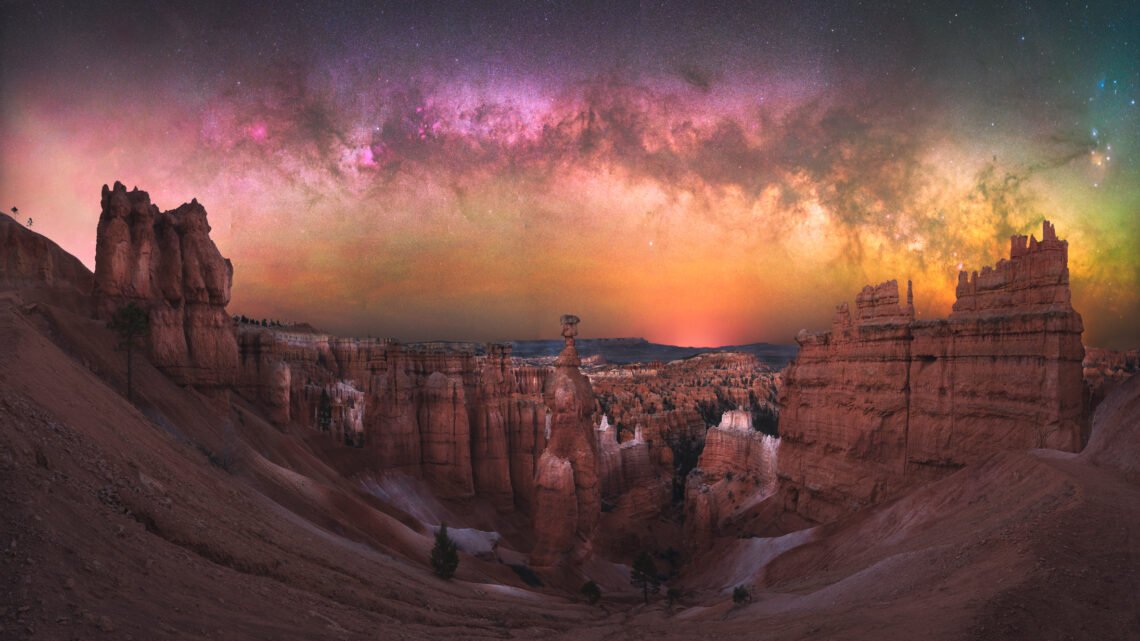
Bryce Canyon combines otherworldly rock formations with exceptional night skies.
Why it stands out:
-
High elevation
-
Clean, dry air
-
One of the darkest skies in Utah
Special highlights:
-
Ranger-led astronomy programs
-
Milky Way framed by hoodoos
-
Great for beginner stargazers
Bryce is more accessible than remote parks but still delivers amazing stargazing in 2026.
Death Valley National Park – Desert Night Magic
Death Valley may be extreme during the day, but at night it becomes calm, cool, and magical.
Why it’s a stargazing favorite:
-
Vast desert space
-
No nearby cities
-
Flat horizons
Best times:
-
Spring and fall nights
-
New moon phases
Despite being in California, Death Valley offers surprisingly dark skies.
Natural Bridges National Monument – Certified Dark Sky Park
This is a certified International Dark Sky Park, making it one of the best places for stargazing in the USA.
Why it’s special:
-
Extremely low light pollution
-
Quiet and uncrowded
-
Simple night access areas
Perfect for:
-
First-time stargazers
-
Families
-
Peaceful night photography
In 2026, this spot will remain far less crowded than major parks.
Capitol Reef National Park – Quiet Utah Skies
Often overshadowed by Zion and Arches, Capitol Reef is a hidden gem for stargazing.
Why it’s great:
-
Remote location
-
Minimal artificial light
-
Wide open sky views
Bonus:
-
Less competition for campsites
-
Great mix of hiking by day, stars by night
A perfect choice for travelers avoiding crowds in 2026.
Best Time for Stargazing in 2026
For the clearest skies:
-
New moon nights (most important)
-
Spring and fall for comfort
-
Late summer for Milky Way core visibility
Avoid:
-
Full moon weeks
-
Cloudy monsoon seasons
Stargazing Tips for National Parks
✔ Go at least 30–60 minutes after sunset
✔ Use red-light headlamps
✔ Bring a blanket or chair
✔ Download an offline star map app
✔ Let your eyes adjust for 20–30 minutes
Even without a telescope, the view can be stunning.
Final Thoughts
If you want quiet nights, unforgettable skies, and true natural darkness, these are the best national parks for stargazing in 2026. While daytime crowds grow, the night skies remain peaceful — especially in these locations.
Choose the right park, time your visit well, and you’ll see a side of America most people never experience.