
Carry on only Europe trip packing list 2026 is one of the most searched travel topics for good reason — because packing carry-on only for a 14-day European trip is one of the most liberating decisions a traveler can make, and one of the most misunderstood. The assumption most people bring to this challenge is that two weeks of travel requires two weeks of clothes, and that fitting everything into a single bag means either wearing the same outfit on repeat or living in discomfort. Neither is true. The traveler who arrives in Europe with a compact carry-on bag and a well-considered packing list moves faster, spends less, stresses less, and genuinely enjoys the experience more than the one dragging a 23-kilogram checked bag up the stairs of a Paris Metro station at 11pm.
The secret to carry-on only travel is not packing fewer clothes — it is packing smarter clothes. The difference between a suitcase full of poorly chosen items and a single carry-on bag with the right 6 to 8 pieces of clothing comes down to versatility, fabric choice, and the willingness to do one laundry stop during a two-week trip. Europe makes this easy: virtually every accommodation from budget hostels to mid-range hotels offers either in-room laundry facilities, a building washing machine, or a laundromat within walking distance.
Beyond the lifestyle benefits, carry-on only travel has become increasingly important in 2026 for purely financial reasons. Budget European airlines including Ryanair, easyJet, Wizz Air, and Vueling have tightened their checked baggage policies and simultaneously increased checked bag fees to the point where a single checked bag on a Ryanair return flight can cost £80 to £120 — often more than the flight itself. Avoiding checked bags is not just convenient; it is frequently the single largest saving in a European trip budget.
This complete 2026 guide covers everything you need to pack carry-on only for a 14-day Europe trip — the exact clothing list, the best bag options, airline size restrictions, toiletry rules, electronics essentials, packing techniques, and the outfit rotation system that makes two weeks of great-looking travel possible from a single small bag.
The Right Carry-on Bag: Size, Type and Airline Restrictions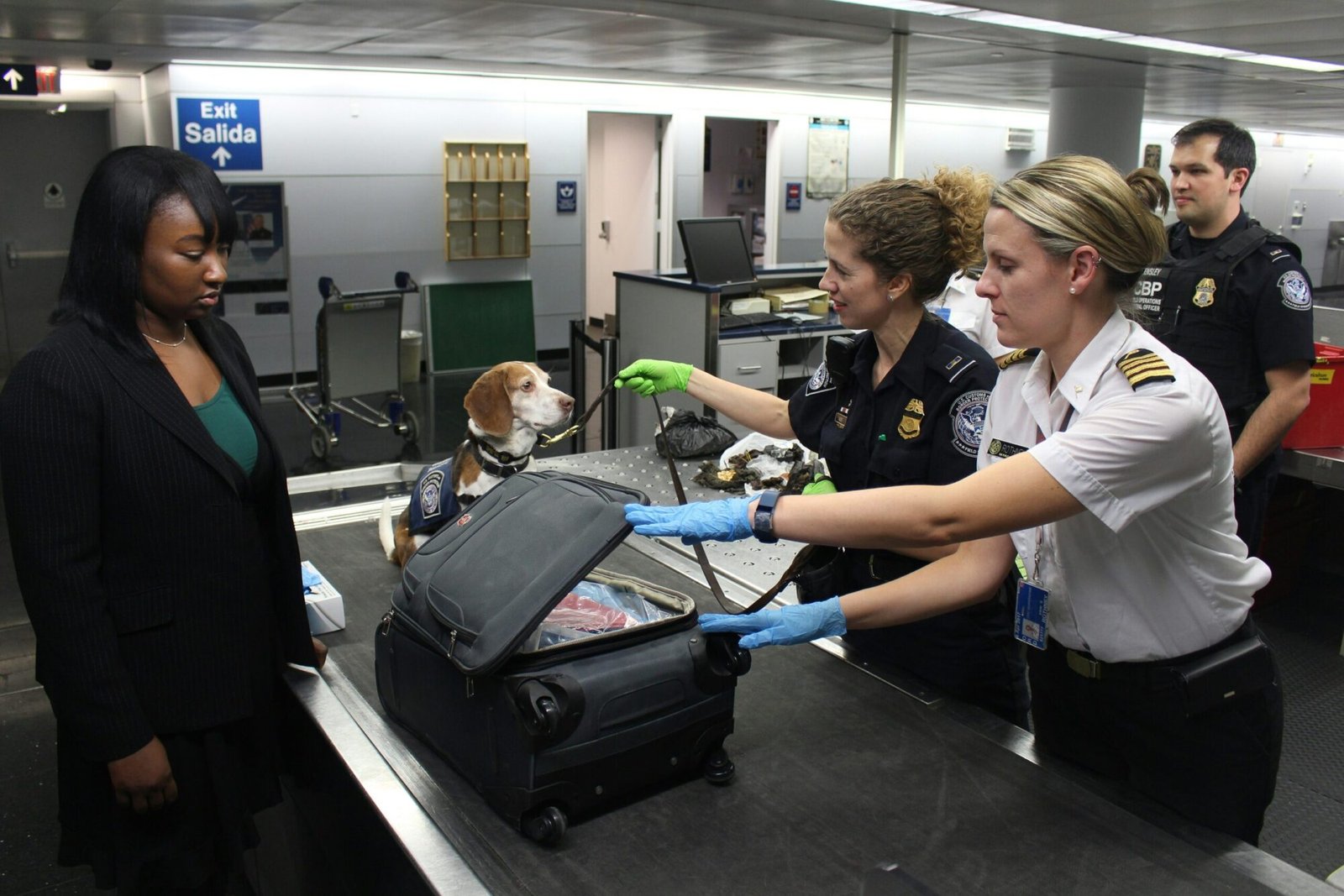
Before you start packing anything, choosing the right bag is the most important decision in the entire process. The wrong bag — either too large for European airline restrictions or the wrong form factor for the destinations you are visiting — creates problems that no amount of clever packing can solve.
European airline carry-on size restrictions in 2026:
| Airline | Max Carry-on Size | Max Weight | Notes |
|---|---|---|---|
| Ryanair | 40 × 20 × 25 cm (free) | No limit stated | Larger 55×40×20 cm bag requires Priority boarding fee |
| easyJet | 45 × 36 × 20 cm | 15 kg | Standard cabin bag, must fit under seat |
| Wizz Air | 40 × 30 × 20 cm (free) | 10 kg | Larger 55×40×23 cm costs extra |
| British Airways | 56 × 45 × 25 cm | No weight limit | More generous than budget carriers |
| Lufthansa | 55 × 40 × 23 cm | 8 kg | Standard European full-service allowance |
| Air France / KLM | 55 × 35 × 25 cm | 12 kg | Plus one personal item |
The critical lesson from this table: if you are flying budget airlines like Ryanair or Wizz Air, your free bag must be significantly smaller than the standard carry-on size used by most full-service carriers. A standard 55 × 40 × 20 cm cabin bag that fits in every overhead locker on British Airways will either require a paid upgrade on Ryanair or need to be paid for as a larger cabin bag. If your Europe trip involves even one Ryanair or Wizz Air flight, plan your bag size around those restrictions or budget for the additional fee.
Bag type: backpack vs hard-shell suitcase?
For a 14-day Europe trip involving multiple cities, trains, and cobblestoned streets, a carry-on backpack in the 30 to 40-litre range is almost always the better choice over a hard-shell carry-on suitcase. Backpacks are easier on stairs (and European train stations are full of stairs with no lifts), easier to carry on narrow cobblestone streets where wheeled luggage becomes difficult, easier to stow in overhead luggage racks on trains, and generally more versatile for navigating cities on foot. The main advantage of a hard-shell carry-on — better protection for delicate items — is less relevant for clothing-focused packing.
Top-rated carry-on bags for Europe travel in 2026 include the Osprey Farpoint 40 (just within most carry-on limits), the Nomatic 30L Travel Bag, and the Away Carry-On for those who prefer a hard-shell suitcase option. For strict budget airline packing, the Ryanair-compliant 40 × 20 × 25 cm bags from brands including Cabin Max and Aerolite are specifically designed to meet the tightest airline restrictions.
The Complete 14-Day Europe Carry-on Packing List 2026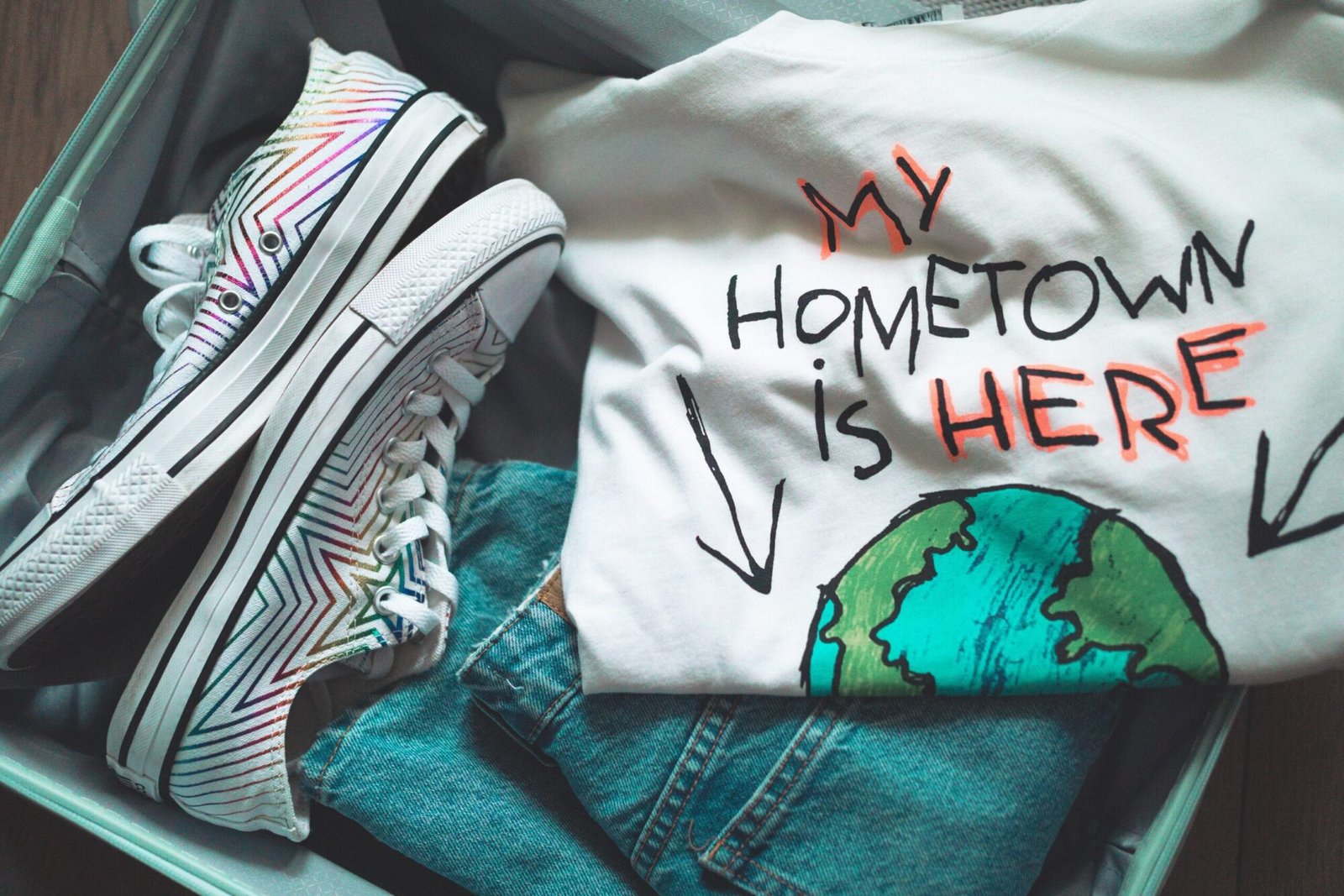
The packing list below is built around a principle that experienced carry-on travelers consistently confirm: you do not need 14 outfits for a 14-day trip. You need 6 to 8 versatile pieces that combine into 14 or more outfit combinations, fabrics that hold up to repeated wearing and wash and dry quickly, and a single laundry stop approximately halfway through your trip.
Clothing (Total: 9–10 pieces)
| Item | Quantity | Key Criteria |
|---|---|---|
| T-shirts or tops | 3 | Neutral colours, quick-dry fabric |
| Smart/versatile shirt or blouse | 1 | Works for dinners or day-to-day |
| Trousers or jeans | 2 | One smart, one casual/travel |
| Shorts or skirt | 1 | Warm weather or hot cities |
| Light sweater or fleece | 1 | Merino wool is ideal — versatile and odour-resistant |
| Lightweight packable jacket | 1 | Compresses small, doubles as pillow on trains |
| Underwear | 5 pairs | Quick-dry or merino wool for longevity |
| Socks | 4 pairs | Merino wool socks dry overnight if washed |
| Sleepwear | 1 set | Light shorts and t-shirt double as casual wear |
The colour strategy: choosing all clothing in two or three complementary neutral colours — navy, grey, white, and black work well together — means that every top works with every bottom without planning. This is the single most important factor in creating maximum outfit variety from minimum pieces. A navy t-shirt, grey trousers, white shirt, and black shorts all mix and match with each other. A mix of bold prints and unrelated colours does not.
Shoes (2 pairs maximum)
Shoes are the item that most defeats carry-on packing attempts because they are bulky, heavy, and non-compressible. Limiting shoes to two pairs is the most important single decision in the carry-on packing process, and choosing those two pairs correctly makes the difference between comfortable European travel and painful daily regret.
- Pair 1: Comfortable walking shoes — this is your primary pair, worn for the majority of sightseeing, city walking, and general travel. European cities involve significant daily walking — 15,000 to 25,000 steps is common on a sightseeing day. Comfort is not optional. Good options include white leather sneakers (versatile enough for smart casual dinners), trail runners (excellent for active trips with day hikes), or comfortable leather loafers that work for both walking and evening dining.
- Pair 2: Lightweight backup pair — sandals for summer travel work as beach footwear, dinner shoes, and give your feet a break from trainers. For cooler destinations, a lightweight flat or a second casual shoe works. This pair lives in your bag and comes out when the primary pair needs to breathe or dry.
Wear the bulkier pair at the airport on travel days — this saves the most space in your bag and reduces its weight. Shoes should be packed in a shoe bag or wrapped in a shower cap to prevent them from touching your clothes.
Toiletries (TSA/Airport Security Compliant)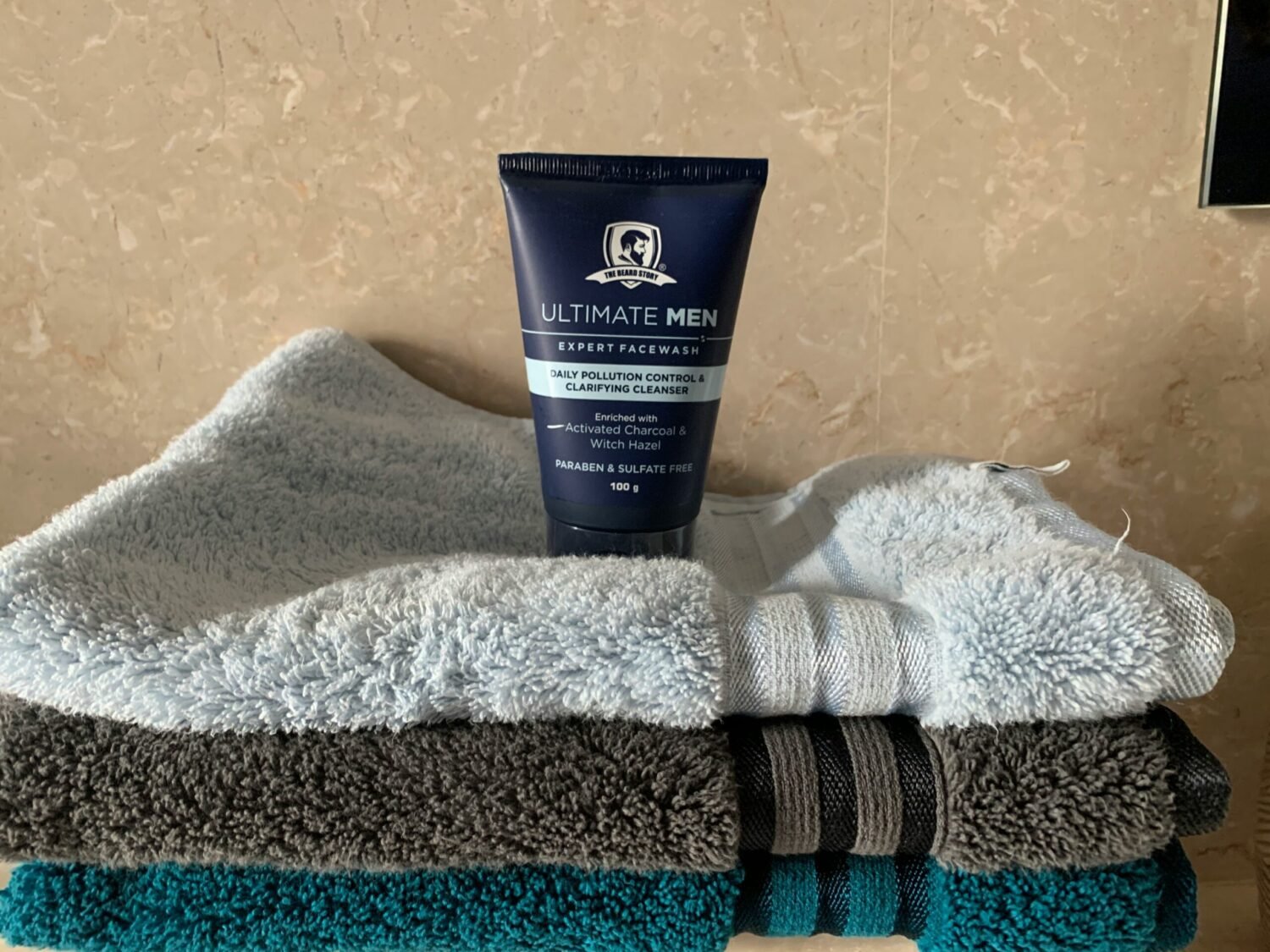
Toiletries are where carry-on travelers most commonly make mistakes — either bringing too much, bringing the wrong sizes, or forgetting that airport security’s 100ml liquid rule applies equally to departures from European airports and US airports. Every liquid, gel, cream, or paste container must be 100ml or less, and all containers must fit into a single clear resealable bag no larger than 20 × 20 cm.
The complete TSA-compliant toiletry kit for a 14-day Europe trip: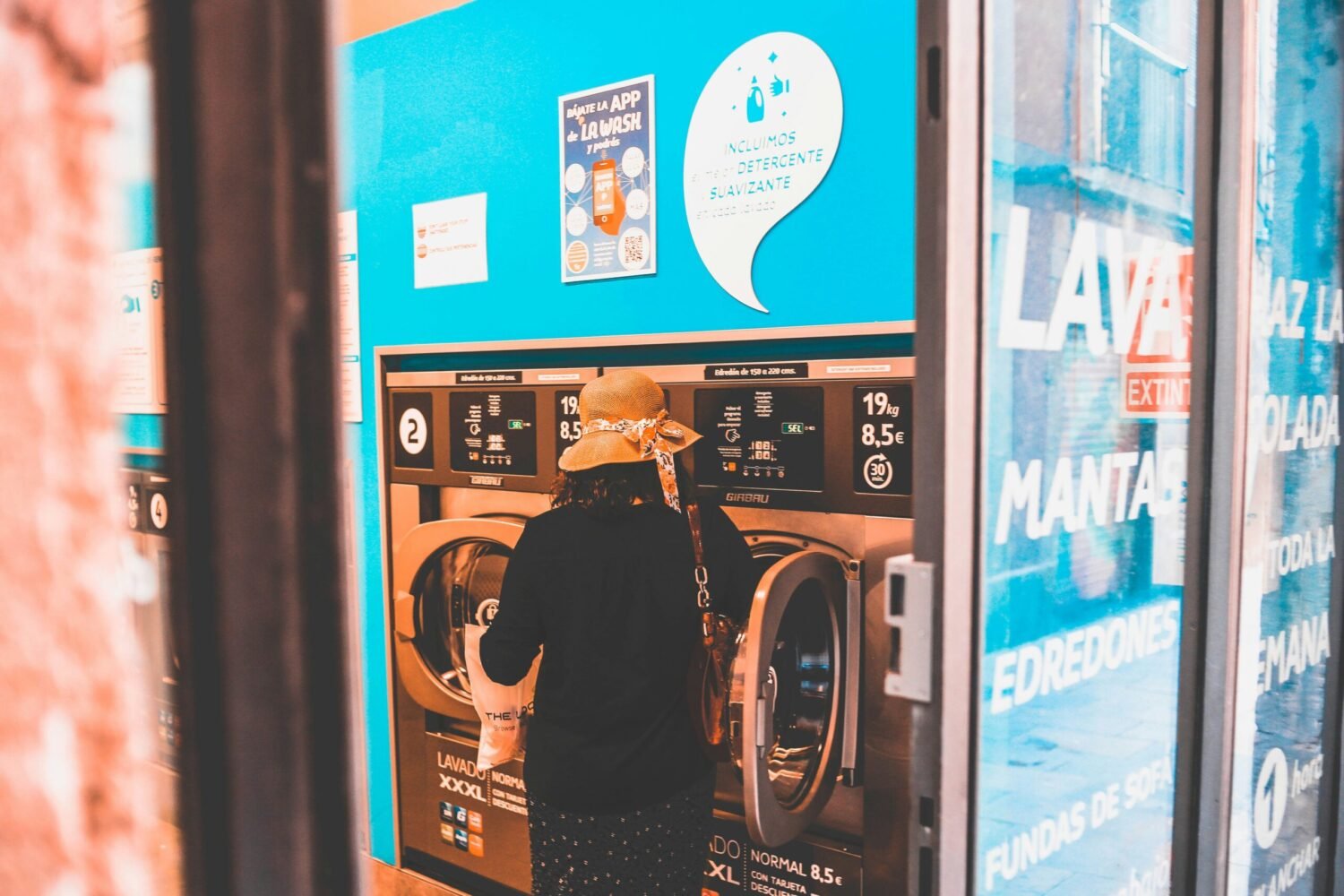
- Toothbrush (travel-size or foldable) and toothpaste (100ml or less)
- Deodorant — solid stick preferred over aerosol spray which counts as a liquid
- Sunscreen — 100ml travel bottle or buy locally on arrival
- Moisturiser — 50ml to 100ml tube
- Shampoo and conditioner — either travel-size bottles or, better, solid shampoo and conditioner bars which do not count as liquids and do not require the clear bag
- Shower gel or soap — solid bar soap is ideal for carry-on travel
- Razor — safety razor with cartridge (no loose blades) or electric travel razor
- Any prescription medications in original packaging
- Small roll of laundry detergent sheets or a few travel laundry pods
The solid toiletries upgrade: Switching from liquid to solid versions of toiletries — solid shampoo bars, conditioner bars, solid soap, and even solid sunscreen sticks — removes the liquid restriction entirely for those items, freeing up space in your liquids bag and reducing weight. Brands including Lush, Ethique, and HiBar make excellent solid shampoo bars that last longer per gram than liquid alternatives and produce no plastic waste.
One practical note: most European hotels provide shampoo and body wash in guest rooms. If your accommodation reliably provides these, you can remove them from your toiletry kit entirely and save significant space and weight.
Electronics
Electronics are where carry-on packers most often defeat themselves by bringing too many devices with too many associated cables, chargers, and accessories. Every electronic item you add to your bag adds weight, takes space, and creates cable management complexity. Apply the same ruthless minimalism to electronics as to clothes.
The core electronics kit for a 14-day Europe trip:
- Smartphone — your camera, map, translation tool, boarding pass, accommodation key, and communication device in one. The most important device you carry.
- Universal travel adapter — Europe uses Type C and Type F plugs in most countries. A compact universal adapter with USB-A and USB-C ports covers the majority of charging needs without multiple separate adapters.
- Power bank — a 10,000mAh power bank fits in a jacket pocket and provides 2 to 3 full phone charges. Essential for long travel days and sightseeing when access to outlets is limited.
- Charging cables — USB-C for most modern devices. If your phone charges via USB-C and you have a USB-C power bank, a single cable can charge both. Reduce to the minimum number of cable types your devices actually require.
- Earbuds or lightweight headphones — essential for long train journeys and flights. True wireless earbuds take minimal space.
Should you bring a laptop? If you are a genuine digital nomad or need to work during your trip, a thin lightweight laptop (MacBook Air, Dell XPS 13, or similar) is worth the weight. If your trip is purely leisure and your phone handles everything you need, leave the laptop at home. A tablet falls between these options — useful for longer content consumption but rarely necessary for a 14-day holiday trip if you have a smartphone.
Camera considerations: For most travelers in 2026, a modern smartphone camera — particularly the latest iPhone or Samsung flagships — produces photos good enough for any social or personal use. A dedicated camera adds significant weight and requires its own charging cable and case. Unless photography is a primary purpose of your trip, the smartphone is sufficient and the dedicated camera can stay home.
Travel Documents and Essentials
- Passport — always in your personal item or secured inner pocket, never in checked luggage
- Travel insurance documents — printed copy or PDF on phone
- Credit and debit cards — travel-friendly cards with no foreign transaction fees (Wise, Revolut, Charles Schwab Checking are excellent options)
- Some euros or local currency — a small amount of cash for markets, small businesses, and emergencies
- EHIC or GHIC card — for EU/UK citizens, provides healthcare cover across Europe
- Reusable water bottle — a collapsible silicone bottle takes minimal space and saves significant money over buying bottled water daily
- Small packable tote bag — folds flat in your bag and expands for grocery runs, beach days, and souvenir carrying
- Travel lock — small combination lock for hostel lockers or securing zips
The 14-Day Outfit Rotation System
Understanding how to rotate the clothing items above into 14 days of varied outfits is the most important practical skill in carry-on travel. This is not about wearing the same clothes every day — it is about using a small, well-chosen wardrobe the way a capsule wardrobe works: every item combines with every other item.
| Day | Top | Bottom | Layer | Shoes |
|---|---|---|---|---|
| 1 | T-shirt 1 | Jeans/trousers 1 | Jacket | Walking shoes |
| 2 | T-shirt 2 | Shorts/skirt | None | Sandals |
| 3 | Smart shirt | Trousers 2 | Sweater | Walking shoes |
| 4 | T-shirt 3 | Jeans/trousers 1 | None | Sandals |
| 5 | T-shirt 1 | Shorts/skirt | Jacket | Walking shoes |
| 6 | T-shirt 2 | Trousers 2 | Sweater | Walking shoes |
| 7 (Laundry day) | T-shirt 3 | Shorts/skirt | None | Sandals |
Days 8 to 14 repeat the rotation with clean clothes from the laundry stop. The outfits look entirely fresh to anyone you meet in the second week because you are in a different city and have met completely different people. The outfit rotation only matters if you are with the same companions for the full two weeks — and even then, most experienced travelers simply accept that their travel companions will also see the same clothes repeated, because everyone on a 14-day trip with carry-on only is doing the same thing.
The Mid-Trip Laundry Stop: How to Do It
A single laundry stop approximately halfway through a 14-day trip is the key that makes carry-on only travel work for extended journeys. This is not as inconvenient as it sounds — in most European cities you are never more than a 10-minute walk from a laundromat, and the process takes 90 minutes that can be spent reading, working, or exploring the immediate neighbourhood while your clothes wash and dry.
Options for mid-trip laundry in Europe:
- Self-service laundromat (lavanderia, Waschsalon, laverie): the fastest and cheapest option. Most European cities have several, typically charging €3 to €6 per wash and €2 to €4 per dry. The entire process takes 60 to 90 minutes. Use the Google Maps app searching “laundromat near me” — they are universally available in tourist areas.
- Hotel or hostel washing machine: many mid-range hotels and most hostels offer guest laundry machines, usually for €2 to €5 per load. Check your accommodation’s facilities before your trip so you can plan your laundry day.
- Hand washing in the room sink: works for underwear, socks, and t-shirts but less practical for heavier items like jeans or trousers. Quick-dry and merino wool fabrics wash and dry overnight when hand-washed. A small packet of travel laundry detergent sheets (Sea to Summit Pocket Laundry Wash is a popular option) dissolves in water and takes no space in your bag.
- Full-service laundry drop-off: many European cities have drop-and-collect laundry services that charge per kilogram and return clothes within 24 hours. More expensive than self-service but takes zero of your time.
Advanced Packing Techniques
Roll, do not fold. Rolling clothes instead of folding them reduces the volume they occupy by approximately 20 to 30 percent and prevents creasing better than folding for most fabrics. Roll t-shirts, underwear, socks, and lightweight trousers. Fold structured items like jackets and button-down shirts that would crease from rolling.
Use packing cubes. Packing cubes are small fabric organisers that compress clothes into organised compartments within your bag. A set of three sizes — large for clothes, medium for shoes or toiletries, small for electronics — transforms a chaotic carry-on into a well-organised system where you can find anything instantly. Eagle Creek and Osprey both make excellent packing cube sets.
Pack from heaviest to lightest. In a backpack, heavy items (shoes, toiletry bag, power bank) should sit closest to your back and at the bottom. Light items (clothing, packable jacket) fill around and on top. This weight distribution makes the bag more comfortable to carry for extended periods.
Fill empty spaces. Stuff socks inside shoes, roll underwear into the gaps between packing cubes, use every cubic centimetre of available space. Carry-on packing is a three-dimensional puzzle and the spaces between items are wasted potential.
Wear your heaviest items. On travel days, wear your heaviest shoes, your jacket, and your thickest layer rather than packing them. This single habit can reduce the packed weight of your bag by 1 to 2 kilograms — potentially making the difference between meeting an airline weight limit and exceeding it.
What to Do About Souvenirs
The souvenir question is one that defeats many otherwise disciplined carry-on travelers at the end of their trip — arriving at the airport with a bag that was carefully within carry-on limits two weeks ago and now contains two bottles of olive oil, a ceramic bowl, and three bottles of wine that somehow accumulated in Tuscany.
Solutions used by experienced carry-on travelers include: packing a foldable bag that expands to a second carry-on or checked bag for the return journey if you know you will buy items; shipping souvenirs home directly from the market or shop that sells them (many European artisans offer international shipping); choosing souvenirs that are flat and lightweight — postcards, prints, scarves, jewellery — rather than heavy ceramic or glass items; and ruthlessly decluttering worn or no-longer-needed clothes during the trip to create space for what you want to bring home.
Frequently Asked Questions About Carry-on Only Europe Travel
Can you really travel to Europe for two weeks with only a carry-on?
Yes, and many experienced travelers consider it the only way to travel in Europe. A 14-day trip with a well-packed 30 to 40-litre carry-on is entirely comfortable with one mid-trip laundry stop. The freedom of not checking luggage — no waiting at baggage claim, no risk of lost bags, no checked bag fees, no struggling with a large suitcase on European trains — is genuinely life-changing once you have experienced it.
What if clothes get dirty or stained during the trip?
Minor stains can be spot-treated with a travel stain remover pen (Tide To Go is a popular compact option) or hand-washed in the hotel sink. Significant staining is rare with careful eating habits and dark-coloured or patterned clothing that hides marks better than white or light items. The mid-trip laundry stop addresses accumulated dirt for all items.
Is a carry-on backpack better than a wheeled carry-on for Europe?
For most European travel itineraries involving multiple cities and train travel, a backpack is better. European train stations often have stairs without accessible lifts, cobblestone streets make wheeled luggage difficult, and narrow hostel corridors and boutique hotel rooms are more manageable with a bag you can carry on your back. If your trip is primarily based in one or two cities with flat, smooth surfaces and hotel-to-hotel transfers, a wheeled carry-on works well.
Are carry-on bags allowed on European trains?
Yes. European trains — including Eurostar, Thalys, TGV, Intercity, and regional services — have no formal luggage size or weight restrictions for passengers. You can bring whatever fits in the overhead racks or at the end of the carriage. A carry-on backpack or compact suitcase is ideal for train travel as it fits in overhead racks without assistance.
What is the best fabric for carry-on travel clothes?
Merino wool is consistently considered the best fabric for travel because it is naturally odour-resistant (meaning it can be worn multiple times between washes without smelling), temperature-regulating (comfortable in both warm and cool conditions), wrinkle-resistant, and lightweight. Synthetic quick-dry fabrics including polyester and nylon blends are the second-best option — they wash and dry faster than cotton but lack wool’s odour resistance. Standard cotton clothes work but wrinkle easily, take longer to dry, and absorb odour faster — making them the least ideal choice for a carry-on wardrobe.
Final Verdict: The Case for Carry-on Only on Your Next Europe Trip
Packing carry-on only for a 14-day Europe trip in 2026 is not a compromise or an inconvenience — it is a genuinely better way to travel that most people who try it never abandon. The combination of no baggage fees, no queuing at baggage reclaim, no risk of lost luggage, freedom to sprint for a connecting train without checking a bag in first, and the simple physical ease of carrying everything you need in one small bag on your back represents a fundamental upgrade to the travel experience.
The investment required is modest: a good 30 to 40-litre travel backpack, 9 to 10 carefully chosen clothing pieces in complementary colours, solid toiletries, a compact electronics kit, and the willingness to spend 90 minutes at a European laundromat on day 7. That is genuinely all that stands between you and a lighter, freer, more enjoyable version of European travel.
Pack the list in this guide, choose the neutral colours, roll your clothes, wear your heaviest items at the airport, and discover what experienced European travelers have known for years: the weight you leave at home is the best souvenir you bring back.