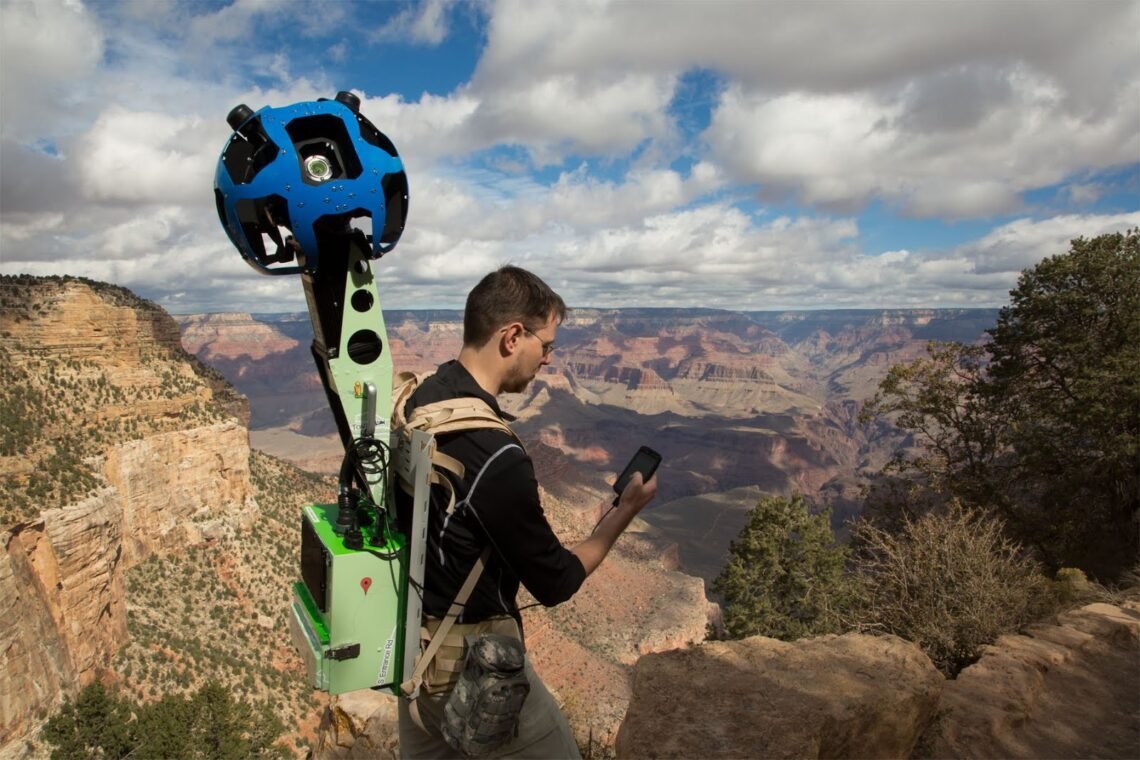
Planning a hike in the Grand Canyon means thinking about gear, water, weather — and connectivity. One of the most practical things every visitor asks is cell phone signal map for Grand Canyon hikers: where you’ll actually have phone signal, and where you will not. Signal affects navigation, safety alerts, emergency calls, and even simple tasks like checking photos or coordinating with your group.
In this guide you’ll learn the real-world cell phone signal map for Grand Canyon hikers, how coverage changes by area and provider, and smart tips to stay connected even when the map shows blank spots.
How Cell Service Works in the Grand Canyon
A “cell phone signal map for Grand Canyon hikers” isn’t a single static picture — it’s a pattern that changes with terrain, elevation, and distance to towers.
Here’s how it works:
-
Cell towers sit outside the canyon, mostly at South Rim and North Rim areas
-
Service weakens rapidly as you descend into the canyon
-
Steep canyon walls block signals
-
Networks vary by provider and elevation
The deeper you go, the sparser the areas show on the cell phone signal map for Grand Canyon hikers.
Typical Coverage Zones (The Basics)
When looking at a cell phone signal map for Grand Canyon hikers, you’ll usually see coverage like this:
South Rim and North Rim Edges
These are the strongest parts of the cell phone signal map for Grand Canyon hikers. Both rims have reliable towers that provide 4G coverage for most major carriers. You’ll get:
-
Phone calls
-
Text messages
-
Data for maps, weather, email
When you’re within 1–2 miles of the rim edge, the cell phone signal map for Grand Canyon hikers usually shows solid reception.
Trailheads and Rim Facilities
Most trailheads that appear on a cell phone signal map for Grand Canyon hikers — like South Kaibab Trailhead and Bright Angel Trailhead — also have usable service very close to the top. Ranger stations, lodges, and visitor centers are covered too.
You can generally:
-
Send/receive texts
-
Use GPS maps
-
Load light web pages
But once you step a few switchbacks into the canyon, the signal drops.
Inner Canyon (Colorado River, Phantom Ranch)
If your idea of a cell phone signal map for Grand Canyon hikers shows coverage everywhere — that’s the exception.
At locations like:
-
Phantom Ranch
-
Colorado River corridor
-
Inner canyon campgrounds
Signal is usually very weak to none on all carriers.
Even with the best provider, the steep walls and distance from towers make the inner canyon one of the most blank areas in the cell phone signal map for Grand Canyon hikers.
Phantom Ranch & Village Areas
Some pockets near Phantom Ranch and near the Colorado River may occasionally get a faint bar on certain networks — but this is unreliable. On a typical cell phone signal map for Grand Canyon hikers, these spots are marked as “very limited” or “spotty.”
Don’t count on consistent service down there.
Coverage by Carrier (General Patterns)
Different carriers perform differently when you study a cell phone signal map for Grand Canyon hikers:
AT&T
Often strong near both rims and around Grand Canyon Village. AT&T signal tends to reach slightly deeper into some canyon approaches compared to others, but still drops off fast once you lose line-of-sight to towers.
Verizon
Verizon generally shows reliable coverage along the rims and at major trailheads. Some hikers report a bit more stable voice service near the South Rim visitor areas.
T-Mobile
T-Mobile works well near populated areas on the cell phone signal map for Grand Canyon hikers, and in recent years has expanded data roaming with partner networks. Still, deep canyon gaps appear quickly.
Regional Carriers / MVNOs
Smaller carriers that share networks (MVNOs) usually follow the same pattern as their host network, but they rarely have priority on tower capacity. On a cell phone signal map for Grand Canyon hikers these often show the same shadow zones.
How to Read a Cell Phone Signal Map for Grand Canyon Hikers
Understanding a cell phone signal map for Grand Canyon hikers means interpreting blank areas correctly:
📍 Full Bars on Rims
Expect solid service at both South Rim and North Rim developed areas.
📍 Fading Signal Below Rim
As soon as you start descending a trail like South Kaibab or Bright Angel, the map shows decreasing reception.
📍 No Coverage in Inner Canyon
Most inner canyon campgrounds, river corridors, and side canyons are “no coverage.” This is normal on every cell phone signal map for Grand Canyon hikers.
Tools to View Real-Time Signal Maps
You can use these tools before your trip to see your own cell phone signal map for Grand Canyon hikers based on your provider:
-
Carrier coverage maps (Verizon, AT&T, T-Mobile official maps)
-
Third-party coverage apps
-
Offline terrain maps with signal overlay
Remember — all maps are estimates. Actual hiking conditions can vary due to rock formations, vegetation, and weather.
Tips When the Cell Phone Signal Map Shows “No Service”
A cell phone signal map for Grand Canyon hikers often shows large dead zones. Here’s how to handle them:
1. Download Offline Maps
Before your hike, download offline maps from Google Maps or a dedicated GPS app so you can navigate without service.
2. Share Your Route With Loved Ones
Even when your cell phone signal map for Grand Canyon hikers shows no bars, let someone know your itinerary before you go.
3. Use a Satellite Messenger
Consider bringing a satellite communicator (Beartooth, Garmin inReach) — these tools work where your cell phone signal map for Grand Canyon hikers shows zero signal.
4. Check for Spots of Signal Before You Descend
Many hikers make a quick call or send texts at trailheads while they still have coverage according to the cell phone signal map for Grand Canyon hikers.
Emergency Access When Service Is Limited
In areas marked dead on a cell phone signal map for Grand Canyon hikers:
-
Rangers may still be reached by park emergency radios
-
Payphones or emergency call boxes may exist at certain trailheads
-
A satellite device can save lives when your phone cannot connect
Always assume the inner canyon has no reliable cell service on any version of a cell phone signal map for Grand Canyon hikers.
Best Strategy Based on the Map
When you plan around the cell phone signal map for Grand Canyon hikers:
✔ Start hikes early when you still have rim signal
✔ Send important messages before descending
✔ Use offline navigation tools
✔ Pack a backup communicator
This turns signal limitations into manageable steps.
Final Thoughts
A cell phone signal map for Grand Canyon hikers is one of your most useful planning tools before any Grand Canyon hiking trip. It shows that:
-
Rims and developed areas usually have service
-
Trailheads may have usable signal near the top
-
The inner canyon generally has none
-
Different carriers vary slightly but not dramatically
Understanding cell phone signal map for Grand Canyon hikers helps you manage expectations, stay safe, and still enjoy one of America’s greatest natural landscapes without unnecessary stress.