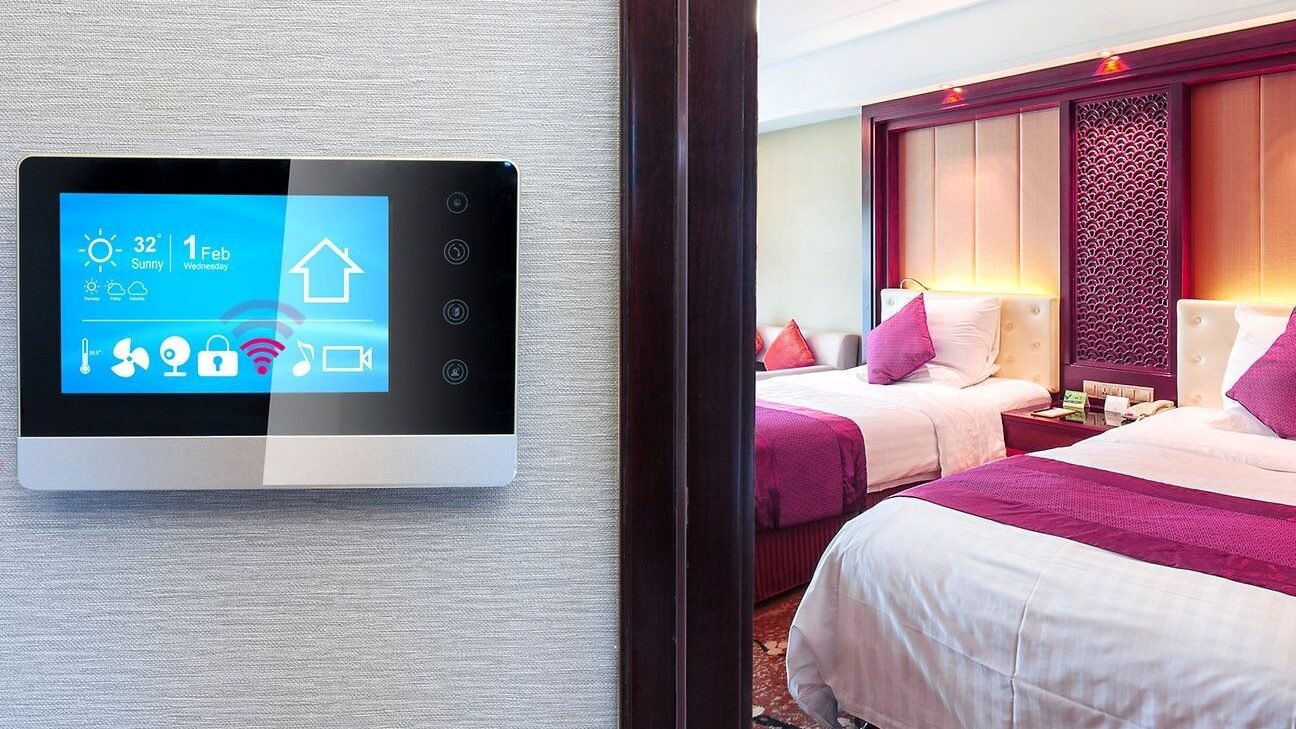
With key cards, mobile keys, and smart locks now standard in 2026, many travelers wonder:
Do hotels track when you enter your room?
The honest answer is yes — most modern hotels can track room entry digitally, but there are strict limits on what they track, why they track it, and how it’s used.
This guide explains exactly what hotels record, what they don’t, and what it means for your privacy.
Short Answer (Clear & Honest)
✔ Yes, most hotels track room entry digitally
❌ No, they do not monitor you inside the room
Hotels track door access events, not guest behavior.
How Hotels Track Room Entry in 2026
1. Electronic Key Card Logs
Almost all hotels now use electronic key card systems.
These systems log:
-
Time and date the door was unlocked
-
Which key was used (guest card, staff card, master key)
-
Whether access was granted or denied
This information is stored in the hotel’s property management system (PMS).
2. Mobile & Digital Keys (Hotel Apps)
If you use a hotel mobile app or digital key:
The system may log:
-
When your phone unlocked the door
-
Device ID (not personal phone data)
-
Battery or connection failures
Digital keys create more detailed access logs than physical cards.
3. Staff Access Tracking
Hotels also track:
-
Housekeeping entry
-
Maintenance access
-
Security or manager entries
This protects both guests and staff and helps resolve disputes.
What Hotels Do NOT Track
This is where rumors get exaggerated.
Hotels do NOT track:
-
What you do inside the room
-
Conversations or audio
-
Phone usage or screen activity
-
Who you are with
-
When you sleep or shower
There are no cameras or microphones inside guest rooms — this would be illegal in most countries.
Why Hotels Track Room Entry (Legitimate Reasons)
Hotels track access mainly for safety and accountability, not spying.
Common Reasons
-
Resolve disputes (“Housekeeping entered without permission”)
-
Investigate theft or missing items
-
Verify late check-out claims
-
Improve security
-
Protect guests from unauthorized access
If something goes wrong, access logs protect both sides.
Can Hotels See Your Exact Movements?
Inside the Room ❌
No tracking beyond door unlock events.
Hallways & Public Areas ✔
-
Cameras exist in hallways, elevators, lobbies
-
Used for security, not guest profiling
Room Door Only ✔
-
Time-based unlock data only
How Long Do Hotels Keep Entry Logs?
Typical retention in 2026:
-
30 to 90 days for standard logs
-
Longer if tied to an incident or legal issue
Retention depends on:
-
Hotel brand
-
Country laws
-
Data protection rules (GDPR, CCPA, etc.)
Can Guests Request Access Log Data?
In many regions, yes.
You may request:
-
A copy of your room access history
-
Confirmation of staff entry times
This is common in:
-
Europe (GDPR rights)
-
California (CCPA)
Hotels may provide summaries rather than raw system data.
Does Using a Physical Key Reduce Tracking?
❌ Not really.
Both physical key cards and mobile keys:
-
Create access logs
-
Are stored digitally
The difference is detail level, not whether tracking exists.
Can Hotels Track Multiple Keys?
Yes.
If you have:
-
Two guest cards
-
A replacement card
-
A digital key + physical card
Each key has its own unique identifier.
Hotels can see:
-
Which key was used
-
When a card was deactivated
-
If old cards still attempt access
How to Protect Your Privacy as a Guest
Smart traveler tips:
-
Use the Do Not Disturb sign
-
Lock the deadbolt when inside
-
Ask the front desk about housekeeping schedules
-
Disable digital key access when not needed
-
Log out of hotel apps after checkout
These steps reduce unnecessary access attempts.
Red Flags to Watch For
🚩 Hotel refuses to explain access logs
🚩 Staff enters without notice repeatedly
🚩 Door unlock alerts you didn’t authorize
If this happens:
-
Contact the front desk immediately
-
Request an access log review
-
Escalate to management if needed
Final Verdict
✔ Yes, hotels track room entry digitally in 2026
✔ This tracking is limited to door access events only
❌ Hotels do not monitor activities inside your room
Room entry tracking exists for security, safety, and accountability, not surveillance.
Understanding this helps travelers feel informed — not watched.