United StatesThis Georgia country travel guide for Indians covers everything you need to know to plan a trip to one of the most underrated travel destinations in the world in 2026 — a country at the crossroads of Europe and Asia that gives you medieval monasteries, Caucasian mountain drama, 8,000-year-old wine culture, and cobblestone old-town streets for roughly ₹70,000 to ₹1,00,000 per person for a 7-day trip from India. Georgia has been quietly growing in awareness among Indian travelers for the past two years, and the timing to visit is ideal — the country is accessible enough to navigate comfortably yet undiscovered enough that you will not be following a crowd.
There is one critical 2026 update that every Indian traveler planning Georgia must know before anything else: from January 1, 2026, the Georgian government now requires all international tourists to hold mandatory travel insurance with a minimum coverage of 30,000 Georgian Lari (~₹9,30,000). This guide explains this rule clearly, walks through the complete e-Visa process, covers all five essential Georgia regions with what to see and how much it costs, explains the currency and money handling specifics for Indians, and gives you everything needed for a well-prepared, genuinely rewarding Georgia trip.
Why Georgia Is a Perfect International Destination for Indian Travelers
| Reason | What It Means for Indian Travelers |
|---|---|
| European experience at Asian prices | A full traditional Georgian meal with wine costs ₹600–₹900. A comfortable private guesthouse in Tbilisi costs ₹1,500–₹2,500/night. Western Europe charges 4–6× this for equivalent quality |
| Caucasus mountains rival the Himalayas | The landscape above Kazbegi — glaciated peaks above 5,000m, ancient monasteries on clifftops, alpine valleys — is genuinely comparable to anything in Uttarakhand or Himachal |
| World’s oldest wine culture | Georgia’s Kakheti region has produced wine for 8,000 years using UNESCO-listed qvevri clay-pot fermentation — a wine experience unlike anywhere else on earth |
| Warm, familiar hospitality | The Georgian saying “a guest is a gift from God” is lived culture, not tourism marketing. Indian travelers consistently find Georgian warmth and food generosity deeply familiar |
| Compact and easy to navigate | Georgia is approximately the size of Sri Lanka. Tbilisi to Kazbegi is 3 hours. Tbilisi to Batumi (Black Sea) is 5 hours by train. Five completely different landscapes in one week |
| Straightforward visa | Online e-Visa, no embassy visit, no biometrics, USD $36 total, 5–7 working days, 95%+ approval rate for complete applications |
Georgia Visa for Indians 2026 — Complete e-Visa Guide
Indian passport holders require an e-Visa to enter Georgia. There is no visa on arrival for Indians — the visa must be obtained online before travel. The process is entirely digital and takes 10 to 15 minutes to complete.
How to Apply for Georgia e-Visa — Step by Step
- Official portal only — Go to geoconsul.gov.ge and select “Apply for E-Visa” → “Tourist Visa (B category).” Avoid third-party websites that charge inflated service fees.
- Fill the application form — Enter your details exactly as in your passport. Select Tbilisi International Airport as port of entry. Enter planned travel dates.
- Upload required documents — Passport data page scan (JPEG/PDF), passport photo (3.5×4.5 cm, white background), return flight ticket, hotel booking confirmation, bank statement (showing ₹50,000–₹1,50,000 for a 7–10 day trip), and mandatory travel insurance policy meeting the 2026 requirement.
- Pay the fee — Georgian government e-Visa fee: USD 20 (~₹1,680). DuVerify processing fee: USD ~15.93 (~₹1,340). Total: approximately USD 36 (~₹3,020). Pay with international Visa or Mastercard.
- Wait 5–7 working days — Apply at least 2–3 weeks before travel. No express option exists. You receive the e-Visa as a PDF email.
- Print and carry — Print the e-Visa and carry it with your passport. Georgian immigration verifies it on arrival at Tbilisi airport.
| e-Visa Detail | Information |
|---|---|
| Total fee | USD ~$36 (~₹3,020) — government fee + DuVerify processing |
| Validity from issue | 120 days — use any time within this window |
| Permitted stay | Up to 30 days per entry |
| Processing time | 5–7 working days |
| Embassy visit needed | No — 100% online |
| Biometrics | Not required |
| Visa on arrival | Not available for Indians |
2026 Mandatory Insurance — What Indian Travelers Must Do Before Flying
For Indians, the easiest solution is buying an international travel insurance policy from Indian providers that explicitly states it covers Georgia with at least USD 11,000 in medical coverage. Tata AIG Travel Guard International, HDFC Ergo Travel Insurance, and ICICI Lombard iTravel all offer qualifying policies. A 7 to 10 day Georgia policy from these providers costs ₹700 to ₹1,500. This document must be uploaded as part of your e-Visa application and carried to the airport.
Flights from India to Georgia (Tbilisi) — All Options 2026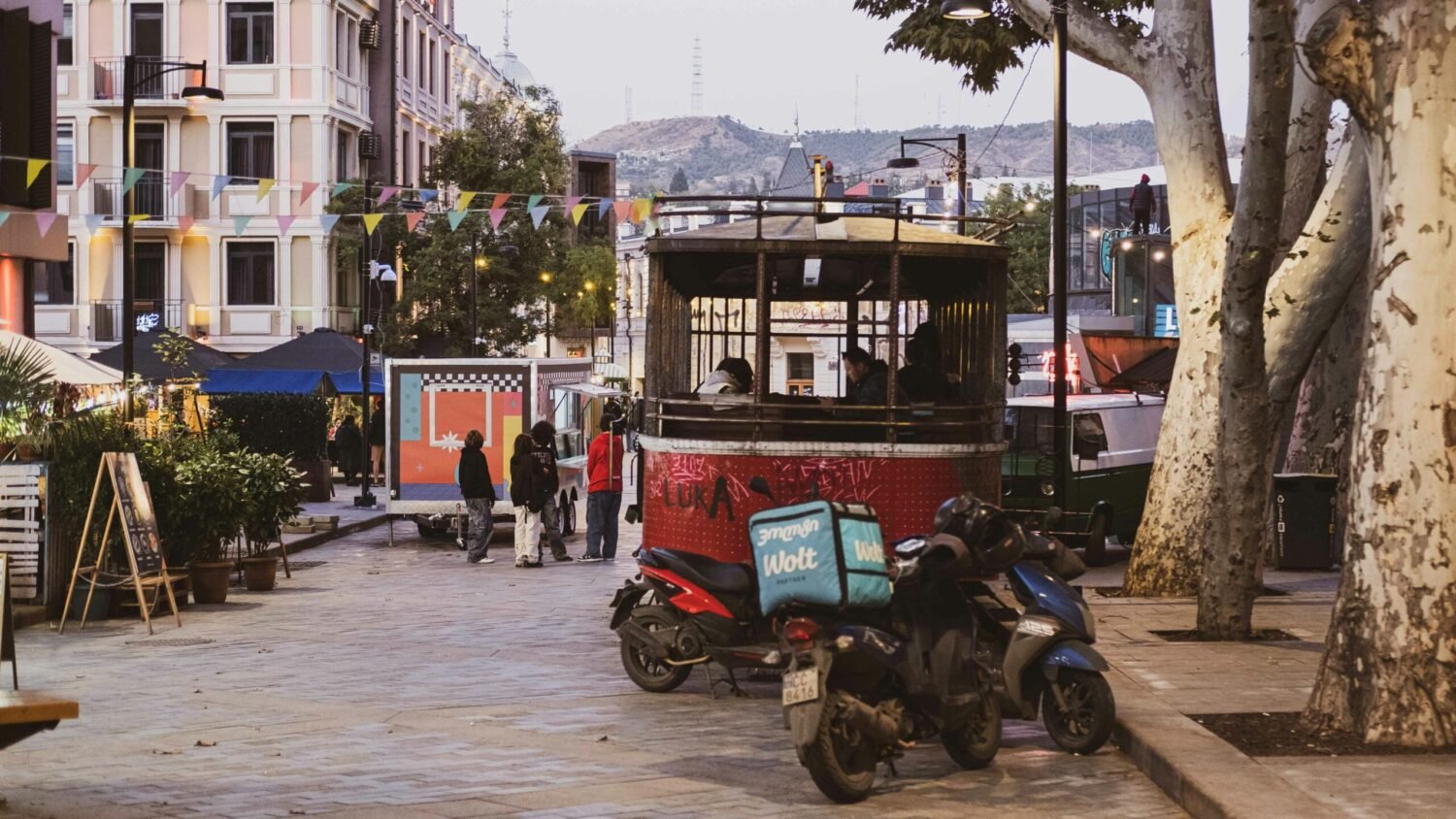
There are no direct flights from India to Tbilisi. All connections route via one intermediate hub. The journey is 8 to 11 hours total including the layover.
| Indian City | Hub | Airlines | Total Time | Round-Trip Budget Fare |
|---|---|---|---|---|
| Delhi (DEL) | Dubai (DXB) | FlyDubai | ~8–9 hrs | ₹22,000–₹38,000 |
| Delhi (DEL) | Istanbul (IST) | Turkish Airlines | ~9–11 hrs | ₹24,000–₹42,000 |
| Mumbai (BOM) | Dubai (DXB) | FlyDubai | ~8–10 hrs | ₹22,000–₹40,000 |
| Bengaluru (BLR) | Dubai / Istanbul | FlyDubai, Turkish Airlines | ~9–11 hrs | ₹24,000–₹42,000 |
| Ahmedabad (AMD) | Dubai / Abu Dhabi | FlyDubai, Air Arabia | ~9–11 hrs | ₹20,000–₹36,000 |
| Kolkata (CCU) | Dubai / Istanbul | FlyDubai, Turkish Airlines | ~9–11 hrs | ₹22,000–₹38,000 |
Georgia Currency and Money for Indians
| Money Topic | What to Know |
|---|---|
| Currency | Georgian Lari (GEL). 1 GEL ≈ ₹31. Indian Rupees not accepted anywhere in Georgia |
| Best way to get GEL | Withdraw from TBC Bank or Bank of Georgia ATMs in Tbilisi. OR exchange USD/EUR at Rico Credit exchange offices in Tbilisi city centre — consistently best rates. Never exchange at the airport (rates 8–12% worse) |
| What to bring from India | USD 200–300 cash for best exchange rates. USD and EUR are the most widely accepted foreign currencies at Georgian exchange offices |
| Card payments | Visa and Mastercard accepted at all hotels, restaurants, and shops in Tbilisi and Batumi. Carry GEL cash for rural areas, village homestays, marshrutkas, and markets |
| Tbilisi Metro | Tap your contactless international debit/credit card directly on turnstiles (1.50 GEL per ride). OR buy MetroMoney card (2 GEL deposit) for 1 GEL per ride — better if you use the metro often |
| Zero-forex card | Niyo Global or IDFC FIRST WOW cards eliminate foreign transaction fees on Georgian ATM withdrawals and card payments — saves 2.5–3.5% on every transaction |
| Daily budget | Budget: 95–135 GEL/day (~₹2,945–₹4,185). Mid-range: 190–330 GEL/day (~₹5,890–₹10,230) |
Georgia 7-Day Itinerary for Indians — Five Regions, One Perfect Week
Tbilisi is unlike any other European capital. The Old Town (Kala) is a mix of ornate wooden balconied houses, ancient Persian-influenced bathhouses, Georgian Orthodox churches with Byzantine gold mosaics, and the ruins of a 4th-century fortress on a rocky cliff above a gorge. Walk up from the riverfront to Narikala Fortress (cable car available, 2.5 GEL), down through the sulfur bath district of Abanotubani, and across the ultramodern Peace Bridge into Rike Park and you have traversed 15 centuries in a single afternoon stroll.
| Tbilisi Highlight | Entry Fee | Time Needed | Notes |
|---|---|---|---|
| Old Town (Kala) walking tour | Free | 2–3 hrs | Start at Metekhi Church above the river, walk through narrow lanes to Narikala. Best at golden hour |
| Narikala Fortress | Free | 45 min | 4th-century fortress with panoramic city views. Cable car from Rike Park (2.5 GEL each way) or walk up through the Old Town |
| Abanotubani (Sulfur Baths) | From 15 GEL/hr per person | 1–2 hrs | Historic Persian-style sulfur bathhouses — private rooms available. The sulfur-rich water is therapeutic. Book ahead on weekends |
| Dry Bridge Flea Market | Free | 1 hr | Soviet antiques, Georgian jewellery, vintage paintings, ceramics. Best on weekend mornings |
| Holy Trinity Cathedral (Sameba) | Free | 30–45 min | Georgia’s largest cathedral — completed 2004, built in traditional style. Free entry, modest dress required |
| Fabrika (evening) | Free entry | 1–2 hrs | Repurposed Soviet sewing factory — now Tbilisi’s best street food, craft beer, and creative workspace complex. Best after 6 PM |
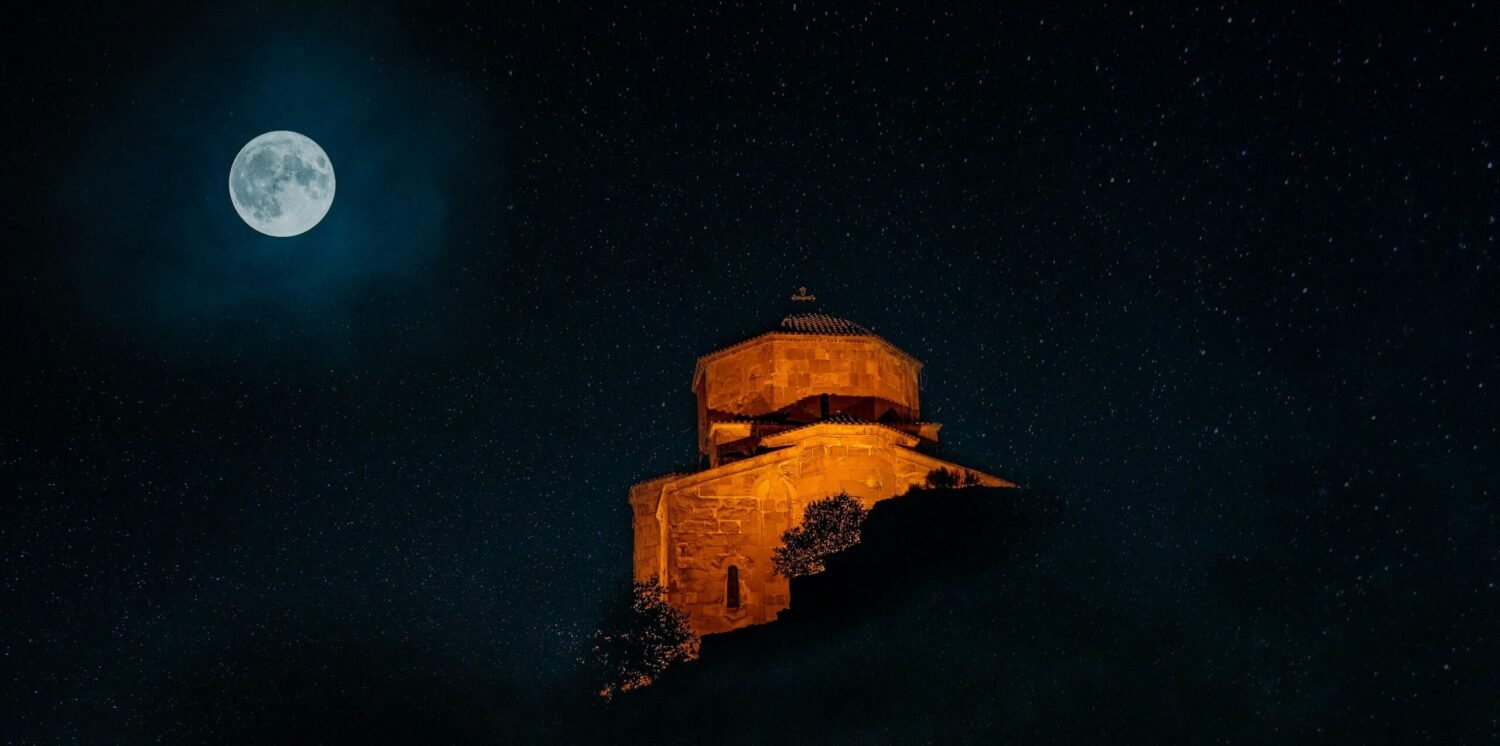
Mtskheta is 20 km from Tbilisi (30-minute marshrutka, 1.50 GEL) and contains two UNESCO World Heritage Sites within walking distance — a concentration of historical significance extraordinary even by European standards. Uplistsikhe, another hour west via Gori, is an Iron Age cave city cut directly from volcanic rock — wine cellars, a theatre, and pagan shrines all carved into a single hillside above the Mtkvari River.
| Site | Entry | Notes |
|---|---|---|
| Svetitskhoveli Cathedral, Mtskheta | 3 GEL (~₹93) | 11th-century living cathedral — Georgia’s most sacred church, believed to house the robe of Christ. Active place of worship, modest dress required |
| Jvari Monastery, Mtskheta | Free | 6th-century monastery above the confluence of two rivers — extraordinary views. Take shared taxi (10 GEL return) from Mtskheta town as there is no direct bus |
| Uplistsikhe Cave City | 15 GEL (~₹465) | Iron Age rock-hewn city — wine cellars, pagan temples, theatre and streets carved into a volcanic cliff. 1 hour from Mtskheta via Gori. Add to Mtskheta day or as a separate trip |
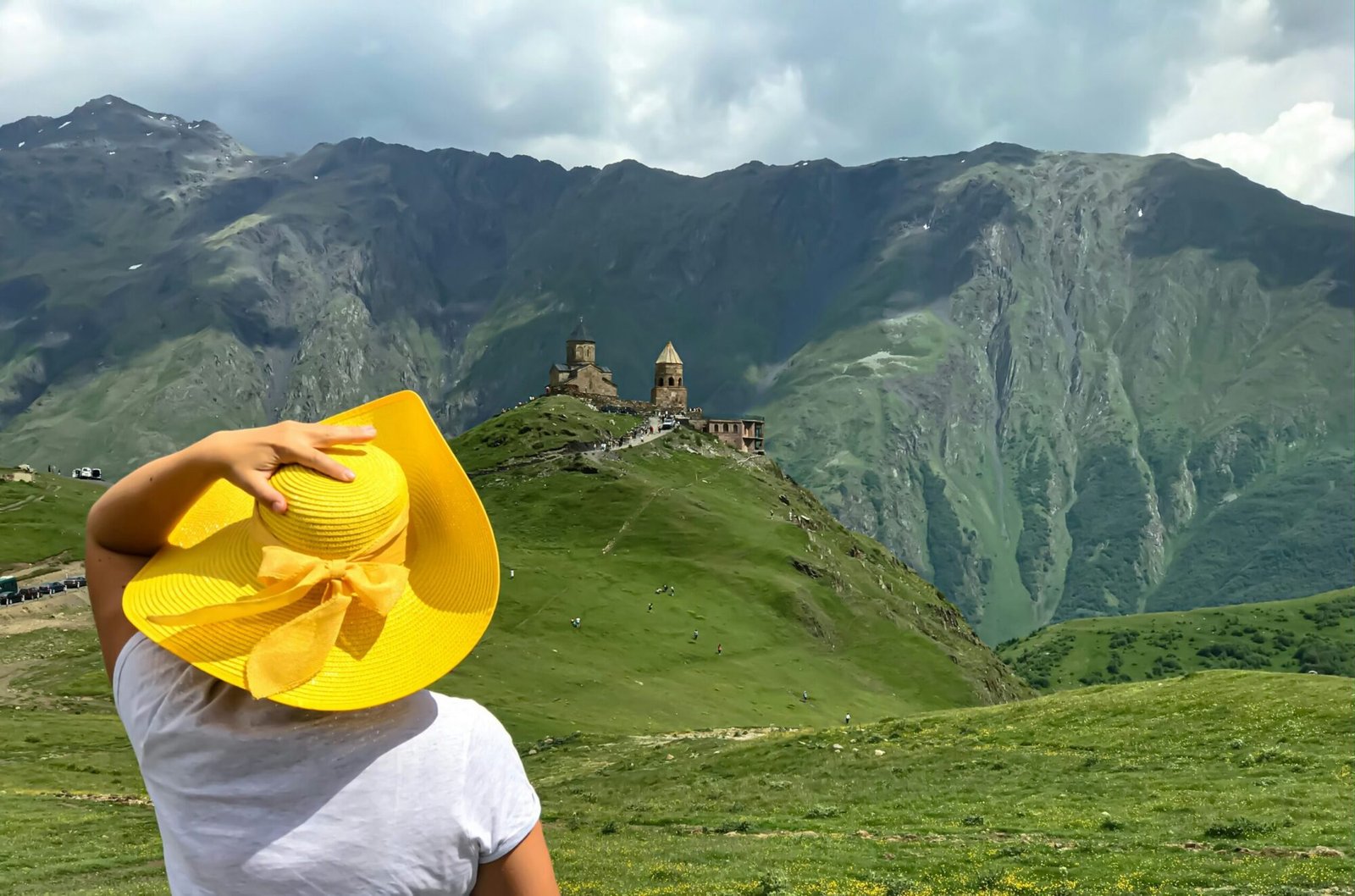
The drive from Tbilisi to Kazbegi on the Georgian Military Highway is one of the finest mountain road journeys in the world. It climbs through the Caucasus, past the Ananuri Fortress reservoir, over the 2,395m Jvari Pass, and arrives in Stepantsminda town at 1,750 metres — dominated by the snow-covered 5,047m Mount Kazbek. Above the town, on a rocky spur at 2,170m, sits the 14th-century Gergeti Trinity Church — the single most iconic sight in Georgia.
| Kazbegi Activity | Cost | Notes |
|---|---|---|
| Marshrutka Tbilisi–Kazbegi | 15 GEL (~₹465) one way | From Didube station in Tbilisi. Departs when full — multiple times daily. 2.5–3 hour journey |
| Gergeti Trinity Church hike | Free | 2.5–3 hr return hike, ~500m altitude gain. Start before 7 AM for clear views and no crowds. Trail is well-marked |
| 4WD jeep to church (non-hikers) | 50–80 GEL per jeep | Available from Stepantsminda town square. 20-minute drive |
| Ananuri Fortress (en route) | 3 GEL | 16th-century fortress on a reservoir — most marshrutka and GoTrip drivers stop here. 1 hour |
| GoTrip full-day private car | ~USD 80 (~₹6,720) per car | Tbilisi–Ananuri–Kazbegi–Tbilisi in a private vehicle. Best for groups of 3–4. Book at gotrip.ge |
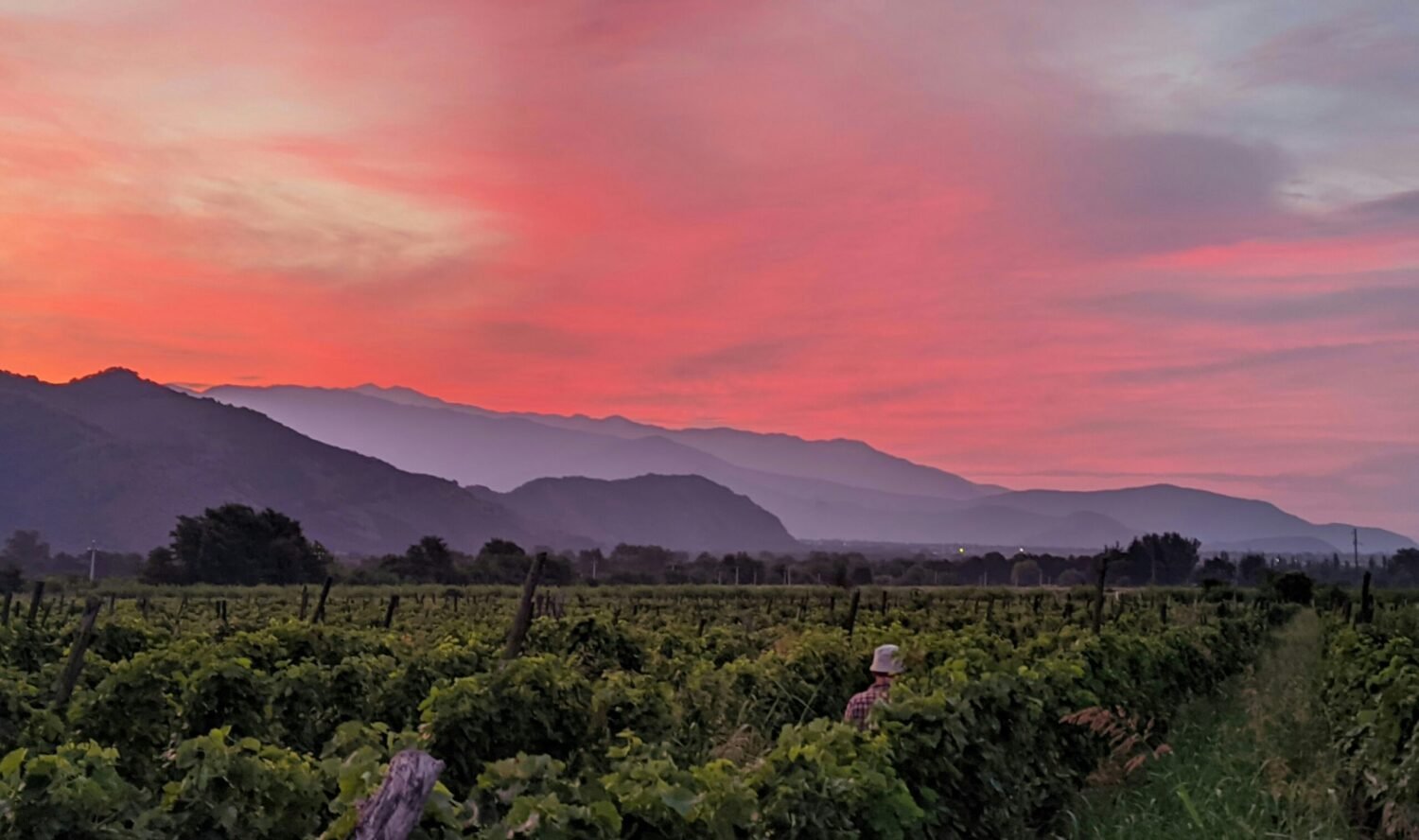
The Kakheti region, 2 hours east of Tbilisi, is the heartland of Georgian wine — a UNESCO-listed tradition of fermenting and aging wine in egg-shaped clay pots (qvevri) buried underground, practiced here for 8,000 years. The landscape is rolling vineyard hills framed by mountains, with the walled hilltop town of Sighnaghi — the “City of Love” — as its most photogenic focal point. Wine tasting directly at Georgian wineries, with the winemaker explaining the qvevri process in their cellar, is one of the best value cultural experiences in Europe.
| Kakheti Highlight | Cost | Notes |
|---|---|---|
| Sighnaghi hilltop town | Free | Walk the fortified walls, explore cobblestone lanes, wine bars on every corner. 2 hours from Tbilisi by marshrutka |
| Winery visit with qvevri tour | 20–50 GEL per person (~₹620–₹1,550) | Pheasant’s Tears winery in Sighnaghi and Alaverdi Monastery Winery are the most celebrated. Book ahead. Includes tasting of 4–6 wines |
| Alaverdi Cathedral | Free | 11th-century cathedral in a monastery that has been making wine since the 5th century — one of the oldest active wine producers on earth |
| Rtveli harvest festival | Free (usually) | September–October — vine-stomping, traditional Supra feasts, impromptu celebrations across all of Kakheti. The best cultural event in the Georgian calendar |
| Group day tour from Tbilisi | ₹2,500–₹4,000 per person | Many Tbilisi operators run Kakheti wine tours with Sighnaghi + winery + lunch included — good value for solo travelers |
Batumi on the Black Sea is Georgia’s most unusual city — a resort town that combines a Soviet-era promenade culture with audacious modern architecture (a ferris wheel inside a hotel tower, a book-shaped government building), Ottoman old-town streets, and a pebbled Black Sea beach. The Tbilisi–Batumi Stadler fast train (5 hours, 35–55 GEL) through the Lesser Caucasus is itself a beautiful journey.
| Batumi Highlight | Cost | Notes |
|---|---|---|
| Batumi Boulevard | Free | 6 km Black Sea promenade — the Ali and Nino moving statue at sunset (7 PM), Alphabet Tower, seafront cafes. Best at dusk |
| Old Town Batumi | Free | Georgian-Ottoman architectural mix in a compact historic centre — best explored on foot for 1–2 hours |
| Batumi Botanical Garden | 15 GEL (~₹465) | One of Europe’s oldest botanical gardens on a hillside above the Black Sea — subtropical plant diversity, extraordinary sea views |
| Black Sea swimming | Free | Pebbled beach but clean and calm. Excellent for morning or evening swim. Beach umbrellas and sun chairs available for hire (5–10 GEL) |
| Tbilisi–Batumi Stadler train | 35–55 GEL (~₹1,085–₹1,705) | Book at railway.ge. Fast train takes 5 hours. Far better than marshrutka for comfort on this route |
Georgian Food Guide — What Indians Must Try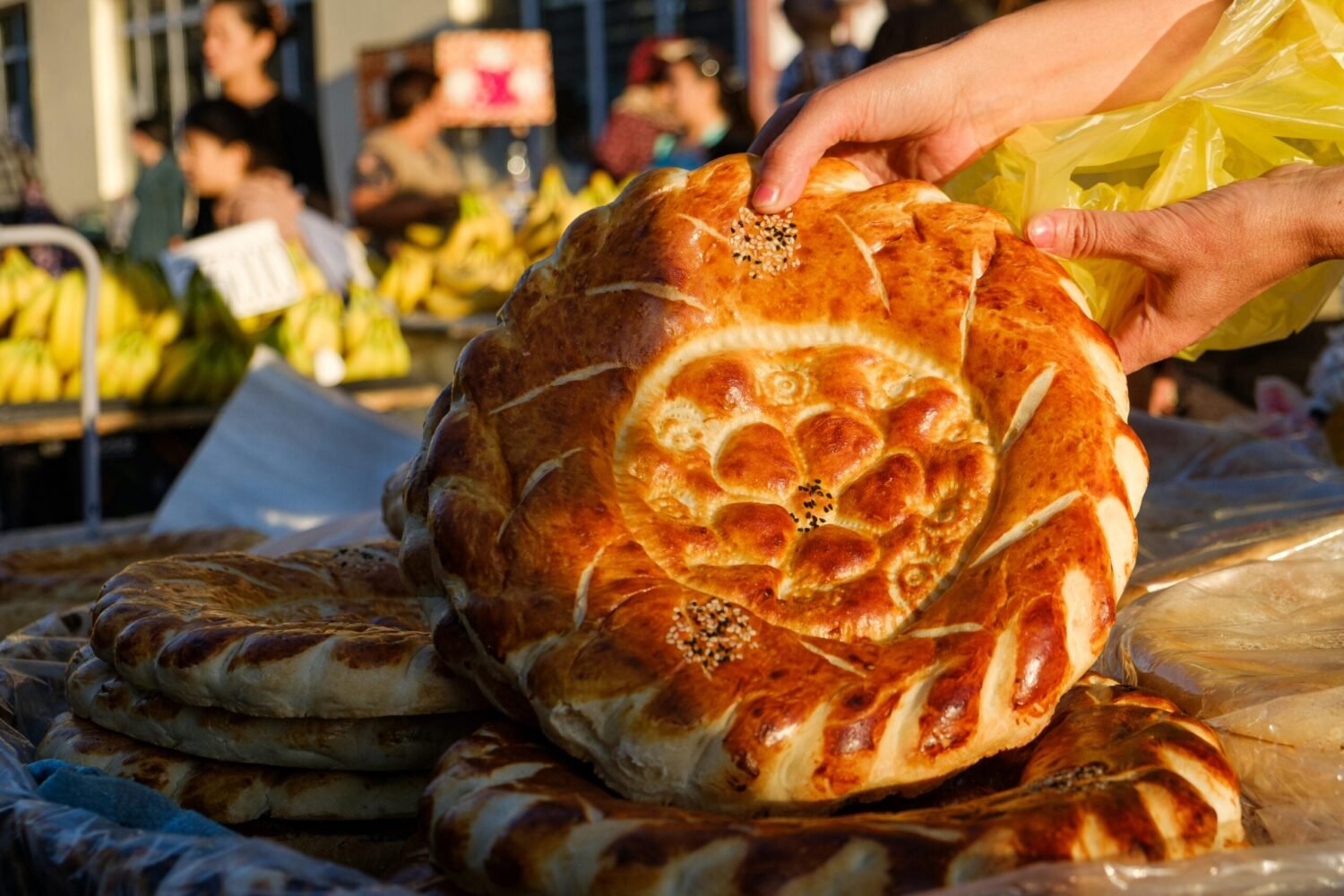
| Dish | What It Is | Cost | Indian Taste Match |
|---|---|---|---|
| Khachapuri | Georgia’s national dish — cheese-filled bread. Adjaruli version is a boat shape with egg and butter on top | 8–20 GEL (~₹250–₹620) | Essential — the cheese and bread combination is immediately familiar. Try all regional varieties |
| Khinkali | Large twisted soup dumplings — spiced meat or mushroom filling. Hold by the topknot, bite carefully to drink the broth inside first | 1.5–2.5 GEL each (~₹47–₹78) | Instant favorite for Indians — spiced filling in dough wrapper. Mushroom version is excellent for vegetarians |
| Lobiani | Bread filled with spiced mashed beans — strongly seasoned with fenugreek, coriander and garlic | 6–12 GEL (~₹186–₹372) | Perfect vegetarian option — spice profile is surprisingly close to Indian dal preparations |
| Pkhali | Cold walnut-paste balls made from minced vegetables — spinach, beets, green beans each prepared separately | 8–14 GEL for a plate (~₹248–₹434) | Excellent vegetarian starter — the walnut-spice combination is distinctive and addictive |
| Mtsvadi | Pork or lamb skewers grilled over vine-wood coals, served with tkemali sour plum sauce | 18–30 GEL per portion (~₹558–₹930) | Excellent for non-vegetarians — smoke and spice profile is satisfying |
| Churchkhela | Walnuts or hazelnuts on a string dipped in thickened grape juice — Georgia’s signature street snack and souvenir | 3–8 GEL (~₹93–₹248) | Great snack for Indians — nutty, sweet, and unlike anything at home |
| Amber wine (qvevri) | White grapes fermented with skins in buried clay pots — produces orange-amber wine with tannins and complexity unique in the wine world | 15–40 GEL per bottle at restaurant | Fascinating for wine-curious Indians — try Rkatsiteli or Mtsvane grape varieties |
Transport Inside Georgia — How to Get Around
| Mode | Cost | Best For | How to Use |
|---|---|---|---|
| Tbilisi Metro | 1–1.50 GEL/ride (~₹31–₹47) | Navigating Tbilisi city | Tap contactless card at turnstile OR buy MetroMoney card (2 GEL deposit) for 1 GEL flat fare |
| Bolt (ride-hailing) | 4–10 GEL per city ride (~₹124–₹310) | City rides in Tbilisi and Batumi | Download Bolt app before travel — more reliable for tourists than Yandex Go. Fixed fares prevent overcharging |
| Marshrutka (minibus) | 5–40 GEL per route (~₹155–₹1,240) | Intercity — cheapest option | From Didube or Isani station in Tbilisi. Tbilisi–Kazbegi 15 GEL, Tbilisi–Kutaisi 20 GEL, Tbilisi–Batumi 25–35 GEL. Depart when full |
| Train (Tbilisi–Batumi) | 35–55 GEL (~₹1,085–₹1,705) Stadler fast train | Tbilisi to Batumi or Kutaisi | Book at railway.ge or Tbilisi Central Station. Fast train: 5 hours Tbilisi–Batumi |
| GoTrip (private car) | USD 35–125 per trip (~₹2,940–₹10,500) | Day trips — Kazbegi, Mtskheta, Kakheti | App-based fixed pricing, English-speaking drivers, multiple stops. gotrip.ge. Best for groups of 3–4 |
| Car rental | USD 25–50/day (~₹2,100–₹4,200) | Kakheti wine region, mountain freedom | International Driving Permit recommended. 4WD needed for mountain tracks. Drive on the right |
Complete Georgia Trip Cost from India — 7-Day Budget
| Expense | Budget | Mid-Range |
|---|---|---|
| Return flights (via Dubai/Istanbul) | ₹22,000–₹30,000 | ₹30,000–₹42,000 |
| Georgia e-Visa (~USD $36) | ₹3,020 | ₹3,020 |
| Mandatory insurance (7–10 days) | ₹700–₹1,000 | ₹1,200–₹2,000 |
| Accommodation (6 nights) | ₹7,200–₹12,000 (guesthouses) | ₹15,000–₹30,000 (boutique hotels) |
| Food (7 days) | ₹5,600–₹8,400 (local restaurants) | ₹10,000–₹16,000 |
| Transport within Georgia | ₹5,000–₹8,000 (marshrutkas + Bolt) | ₹10,000–₹18,000 (GoTrip + train) |
| Activities and entry fees | ₹2,000–₹3,500 | ₹4,000–₹7,000 |
| SIM, souvenirs, miscellaneous | ₹1,500–₹2,500 | ₹2,500–₹4,000 |
| Total per person (7 days) | ₹47,020–₹68,420 | ₹75,720–₹1,22,020 |
Best Time to Visit Georgia from India
| Season | Months | Weather | Highlights | Verdict |
|---|---|---|---|---|
| Spring | April–June | Mild 15–25°C, green and blooming | Wildflowers in Kazbegi, wine country awakening, low crowds, best prices | Excellent — one of the two ideal seasons |
| Summer | July–August | Hot in cities (30–35°C), cool in mountains | Peak hiking in Kazbegi and Svaneti, Black Sea swimming in Batumi | Good for mountains — avoid city heat midday. Highest prices |
| Autumn | September–November | Warm and crisp, spectacular foliage | Rtveli wine harvest festival (September), golden Kakheti vineyards, autumn colors in mountains | Best overall — September especially for wine country |
| Winter | December–March | Cold in Tbilisi (5–10°C), heavy snow in mountains | Gudauri ski resort, quiet Tbilisi with low prices, Christmas atmosphere | Good for skiing and Tbilisi city breaks — avoid Kazbegi and Svaneti (roads often closed) |
Practical Tips for Indians in Georgia
| Tip | Detail |
|---|---|
| Buy SIM at Tbilisi Airport | Magti and Geocell sell tourist SIMs at the arrivals hall — 15 GB data for 15–25 GEL (~₹465–₹775). Essential for Bolt, GoTrip, Google Maps |
| Download offline Google Maps | Mobile data can be patchy near Kazbegi and in rural Kakheti. Download Georgia offline before leaving your Tbilisi hotel |
| Avoid South Ossetia and Abkhazia | Russian-occupied territories — not accessible from Georgia’s side, not safe. Indian travelers must not attempt to visit either region |
| Power adapter | Type C and F sockets (two round pins — European standard). Indian Type D three-pin plugs do not fit. Carry a universal adapter |
| Church dress code | Cover shoulders and legs at all Georgian Orthodox churches. Women are expected to cover their hair — scarves usually available at church entrances. No photography inside most church interiors |
| Halal food | Available in Tbilisi (especially the Marjanishvili area) and Batumi. Expanding rapidly. Research specific restaurants in advance for strict requirements |
| Emergency number | 112 — connects to police, fire, and medical services. Indian Embassy in Tbilisi: +995 32 295 33 34 |
Final Verdict
The Georgia country travel guide for Indians points toward a destination that delivers something increasingly rare in international travel: a genuinely different experience at a price that is accessible to the Indian middle-class traveler. Georgia is not just another beach destination or shopping holiday. It is a country with one of the world’s most distinct architectural, culinary, and spiritual traditions — a place where a 1,500-year-old monastery sits above a glacier, where the world’s oldest wine is still made in the same clay pots it has been made in for eight millennia, and where the simplest roadside restaurant serves you food that will seem familiar and revelatory at the same time.
The mandatory insurance from January 2026 is a minor administrative addition — ₹700 to ₹1,500 for the policy, 10 minutes to upload it — and it is already a requirement for the e-Visa application. Plan it as a natural part of the preparation rather than an obstacle. Everything else about getting to Georgia from India — the e-Visa, the FlyDubai connection via Dubai, the arrival at Tbilisi International, the Bolt car to your guesthouse in the Old Town — is straightforward and well-worn by the growing community of Indian travelers who have already made this trip.
Go in September for the wine harvest. Go in April for the spring wildflowers on the Kazbegi hillsides. Go whenever you can. Georgia rewards you every single day you are there.
Also Read:-
| cheapest countries to visit from India | Click here |
| first international trip tips for Indians | Click here |
| visa free countries for Indian passport 2026 | Click here |
| Vietnam visa for Indians 2026 | Click here |
| Bali trip cost from India 2026 | Click here |
Frequently Asked Questions
Do Indians need a visa for Georgia?
Yes — Indian passport holders require an e-Visa to enter Georgia, obtained online at geoconsul.gov.ge before travel. There is no visa on arrival. The total fee is approximately USD $36 (~₹3,020) including government and processing charges. The e-Visa allows a stay of up to 30 days, is valid for 120 days from issue, and takes 5–7 working days to process. Exception: Indians holding a currently valid multiple-entry Schengen, US, UK, or Japan visa may enter Georgia visa-free for up to 90 days — verify this at the official Georgian Ministry of Foreign Affairs website before relying on the exemption.
Is travel insurance mandatory for India to Georgia in 2026?
Yes — from January 1, 2026, Georgia requires all international tourists to hold travel insurance with a minimum coverage of 30,000 Georgian Lari (approximately ₹9,30,000 / USD 11,100) for the entire duration of their stay. The policy must cover medical emergencies and accidents, be valid from arrival to departure, and be issued in English or Georgian. Indian policies from providers including Tata AIG, HDFC Ergo, and ICICI Lombard that specify coverage in Georgia with at least USD 11,000 medical cover qualify. Failure to present qualifying insurance at the port of entry can result in being refused entry. This document must also be uploaded when applying for the Georgia e-Visa.
How much does a 7-day Georgia trip cost from India?
A 7-day Georgia trip from India costs approximately ₹47,000 to ₹68,000 per person on a budget (guesthouses, local food, marshrutkas, standard activities) and ₹75,000 to ₹1,22,000 per person mid-range (boutique hotels, restaurant dining, GoTrip transfers). The largest single cost is the return flight from India — typically ₹22,000 to ₹42,000 via Dubai or Istanbul. Once in Georgia, daily expenses run approximately ₹2,950 to ₹4,200 on a budget and ₹5,900 to ₹10,200 mid-range. The e-Visa adds ₹3,020 and mandatory insurance adds ₹700 to ₹1,500 to the total.
What is the best itinerary for Georgia from India in 7 days?
The best 7-day Georgia itinerary for Indian travelers covers five regions: Days 1–2 in Tbilisi (Old Town, Narikala Fortress, Abanotubani sulfur baths, Dry Bridge Market), Day 3 day trip to Mtskheta (Svetitskhoveli Cathedral, Jvari Monastery) with optional Uplistsikhe cave city, Day 4 in Kazbegi/Stepantsminda (overnight recommended — Gergeti Trinity Church hike at dawn, Ananuri Fortress en route), Day 5 in Kakheti wine region (Sighnaghi, winery tour with qvevri tasting, Alaverdi Cathedral), and Days 6–7 in Batumi on the Black Sea coast (Boulevard, Old Town, Botanical Garden, Black Sea swimming — return to Tbilisi by fast train for departure).
What currency is used in Georgia and is it expensive for Indians?
Georgia uses the Georgian Lari (GEL). The approximate exchange rate in 2026 is 1 GEL = ₹31, making Georgia genuinely affordable for Indian travelers. A full traditional Georgian meal with wine costs 35 to 60 GEL (₹1,085 to ₹1,860). A comfortable guesthouse costs 60 to 100 GEL (₹1,860 to ₹3,100) per night. Indian Rupees are not accepted. Bring USD or EUR for the best exchange rates at Tbilisi’s exchange offices — avoid the airport counters (10–12% worse rates). Visa and Mastercard work in all Tbilisi and Batumi establishments; carry GEL cash for rural areas and marshrutkas.
Is Georgia safe for Indian travelers and solo women travelers?
Georgia consistently ranks among Europe’s safest countries for tourists, with very low violent crime rates. Tbilisi, Batumi, Kazbegi, and Kakheti are all considered safe for Indian travelers including solo women. Standard urban precautions apply in crowded tourist areas. Two regions to categorically avoid are South Ossetia and Abkhazia, which are Russian-occupied territories not under Georgian government control — Indian travelers must not attempt to visit either. Mountain hiking in Tusheti and Svaneti should be undertaken with a local guide due to rapidly changing weather conditions and challenging terrain. English is widely understood in all major tourist areas.
What is Georgia famous for that Indians would love?
Georgia is most famous for five things that strongly appeal to Indian travelers: its extraordinary food culture (khachapuri cheese bread, khinkali soup dumplings, and walnut-based dishes), its 8,000-year-old wine tradition in the Kakheti region with UNESCO-listed qvevri fermentation, the Caucasus mountain landscape above Kazbegi which rivals the Himalayas in drama, the medieval monasteries and cave cities (Mtskheta, Uplistsikhe, Vardzia) that trace Georgia’s civilizational depth, and an immediate, genuine hospitality toward guests that Indian travelers find culturally familiar. Georgia also appeals strongly as a destination for exploring the Caucasus region in combination with Armenia and Azerbaijan over 2 to 3 weeks.