If you are planning a trip to London and trying to decide whether the London Pass is worth buying in 2026, you are asking exactly the right question — and you are not alone. Thousands of tourists every year buy the London Pass without doing the math first, and many end up paying more than they would have by simply booking tickets individually.
London is one of the most expensive cities in the world for tourists. A single visit to the Tower of London costs £35 at the gate. Westminster Abbey is £29. The Shard costs £32. Kensington Palace is £27. If you are planning a packed sightseeing itinerary with multiple paid attractions every day, those individual costs add up to a very large number very quickly.
The London Pass promises to solve that problem. It bundles entry to 80 or more attractions into one prepaid card, which sounds like a fantastic deal on the surface. But London is also one of the few major world cities where many of its greatest attractions — including the British Museum, National Gallery, Natural History Museum, Tate Modern, and Science Museum — are completely free to enter.
This changes the calculation significantly. Depending on your travel style, the London Pass could save you over £100 — or cost you £80 more than you needed to spend.
In this guide, we break down the exact 2026 prices, show you the full list of what is and is not included, run honest real-world cost comparisons for different types of travelers, and give you a simple method to calculate whether the pass is right for your specific trip before you spend a single pound.
What Is the London Pass and How Does It Work?
The London Pass is a prepaid sightseeing card that gives you free entry to a curated list of paid attractions across London. You purchase it for a set number of consecutive days — choosing from 1, 2, 3, 4, 5, 6, 7, or 10 days — and during those days you can visit as many of the included attractions as you wish, with no additional payment at the door.
As of 2026, the London Pass is entirely digital. You manage it through the official London Pass smartphone app, and entry to each attraction is granted by scanning your phone at the entrance. There is no physical card to carry or worry about losing.
One important detail that many buyers miss: the pass days are consecutive. Once you scan into your first attraction and activate the pass, the clock starts running. A 3-day pass gives you three calendar days in a row, not three days of your choosing spread across a longer trip. This is a critical point if you are planning rest days or day trips outside London during your visit.
Two versions of the pass are available in 2026:
- London Pass (standard) — covers 80+ major attractions across the city, but does not include the London Eye or hop-on hop-off bus travel
- London Pass Plus — includes everything in the standard pass, plus entry to the London Eye and unlimited use of the hop-on hop-off sightseeing bus network
For most first-time visitors who want to see the London Eye, the Plus version is worth the extra cost, since the London Eye alone costs around £30 individually.
London Pass Prices 2026: Full Breakdown
Prices for the London Pass in 2026 vary depending on duration, the version you choose, whether you are buying for an adult or child, and whether any promotional discounts are available at the time of purchase. Here are the current standard adult prices:
| Duration | London Pass (Adult) | London Pass Plus (Adult) |
|---|---|---|
| 1 Day | £89 – £99 | £109 – £119 |
| 2 Days | £120 – £140 | £145 – £160 |
| 3 Days | £169 – £179 | £195 – £210 |
| 5 Days | £200 – £239 | £230 – £265 |
| 7 Days | £230 – £259 | £260 – £289 |
| 10 Days | £259 – £289 | £289 – £319 |
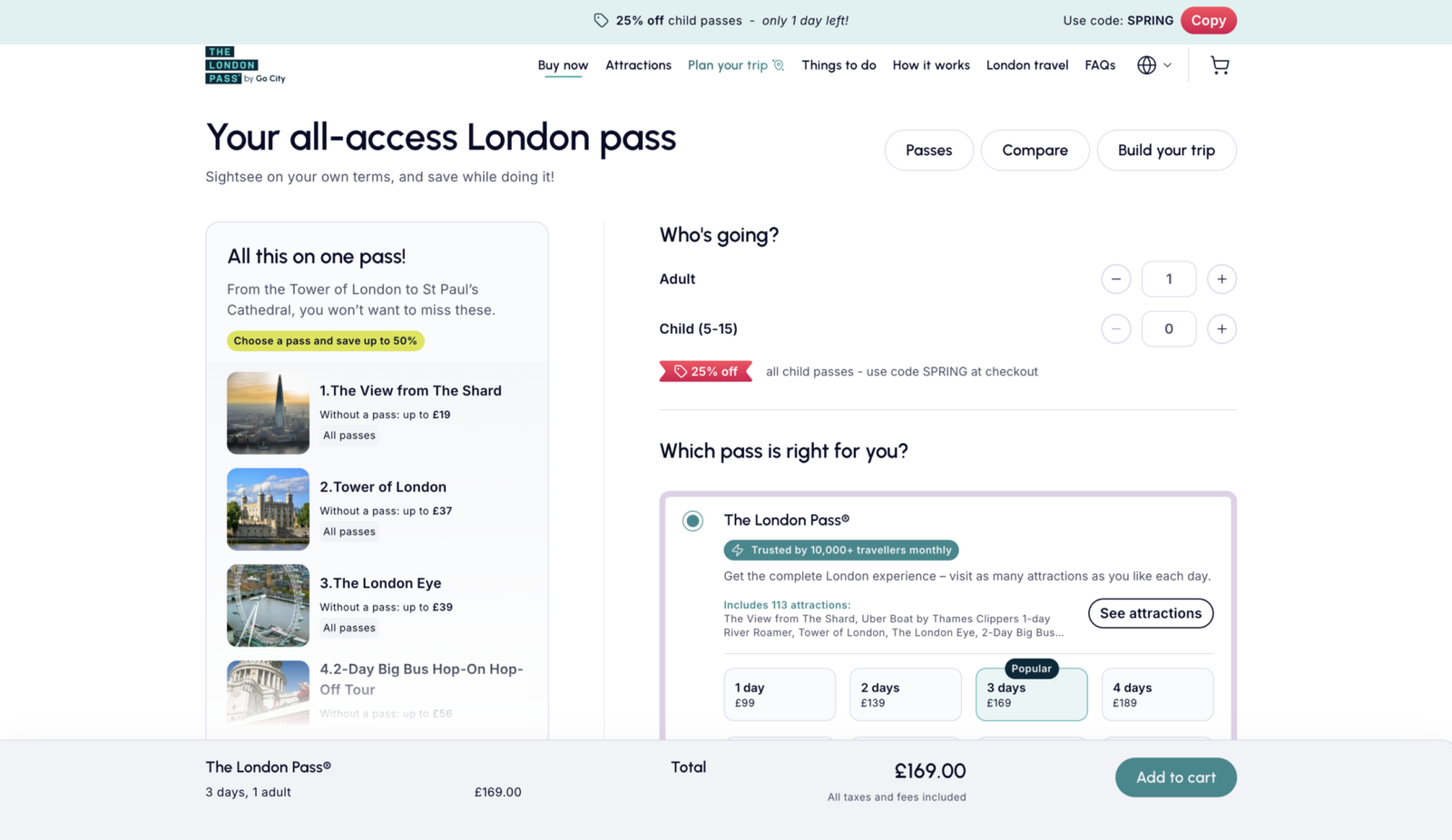
Children aged 5 to 15 pay roughly 30 to 40 percent less than adult prices. Children under 5 enter most attractions for free regardless of whether you hold the pass.
One critical point that many buyers overlook: the London Pass does not include public transport. Getting around London on the Underground, buses, and Overground requires a separate Oyster card or contactless payment. A 7-day Travelcard covering Zones 1 and 2 costs approximately £40 to £45. Factor this into your overall London budget.
Prices can also vary slightly based on seasonal demand. Purchasing online in advance — rather than on arrival — tends to give slightly better pricing and guarantees availability during busy summer months.
What Is Included in the London Pass in 2026?
The London Pass covers over 80 attractions across the city. Below is a breakdown of the most popular included sites, together with their individual ticket prices, so you can immediately see where the value lies:
| Attraction | Individual Adult Price | Included in Pass? |
|---|---|---|
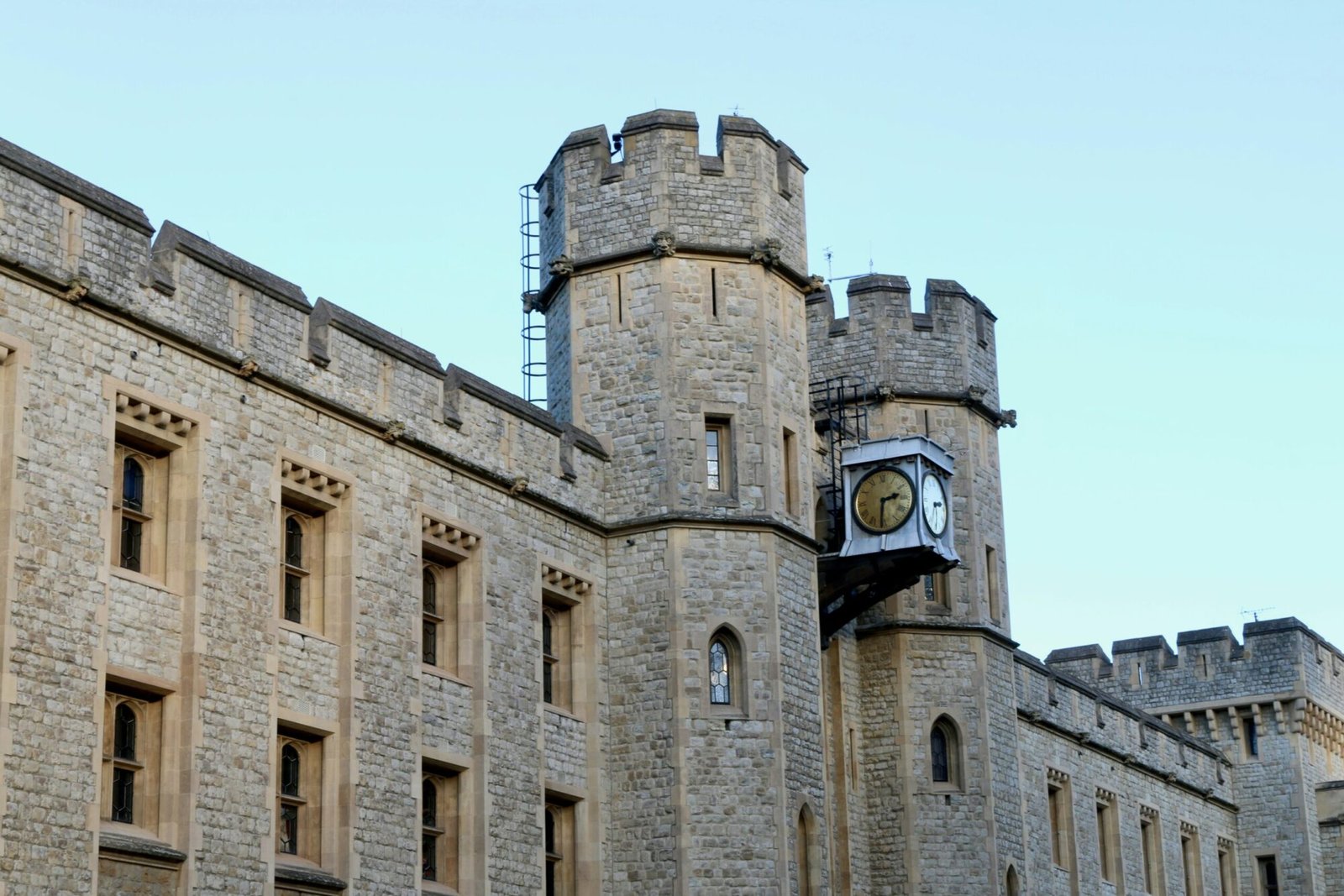
| Tower of London | £35 | Yes — standard & plus |
| Westminster Abbey | £29 | Yes — standard & plus |
| The Shard (View from the Shard) | £32 | Yes — standard & plus |
| Tower Bridge Exhibition | £16 | Yes — standard & plus |
| Thames River Cruise | £25 | Yes — standard & plus |
| Windsor Castle | £28 | Yes — standard & plus |
| Kensington Palace | £27 | Yes — standard & plus |
| Hampton Court Palace | £29 | Yes — standard & plus |
| Kew Gardens | £22 | Yes — standard & plus |
| Cutty Sark | £22 | Yes — standard & plus |
| Banqueting House | £12 | Yes — standard & plus |
| London Eye | £30 | Plus version only |
| Hop-on Hop-off Bus | £35+ per day | Plus version only |
What is NOT included in either version of the London Pass: Buckingham Palace interior tours, Madame Tussauds, most West End theatre shows, special temporary exhibitions at museums, and public transport.
Always check the official London Pass website before your trip, as the list of included attractions can change slightly from year to year.
Does the London Pass Actually Save You Money? The Honest Answer
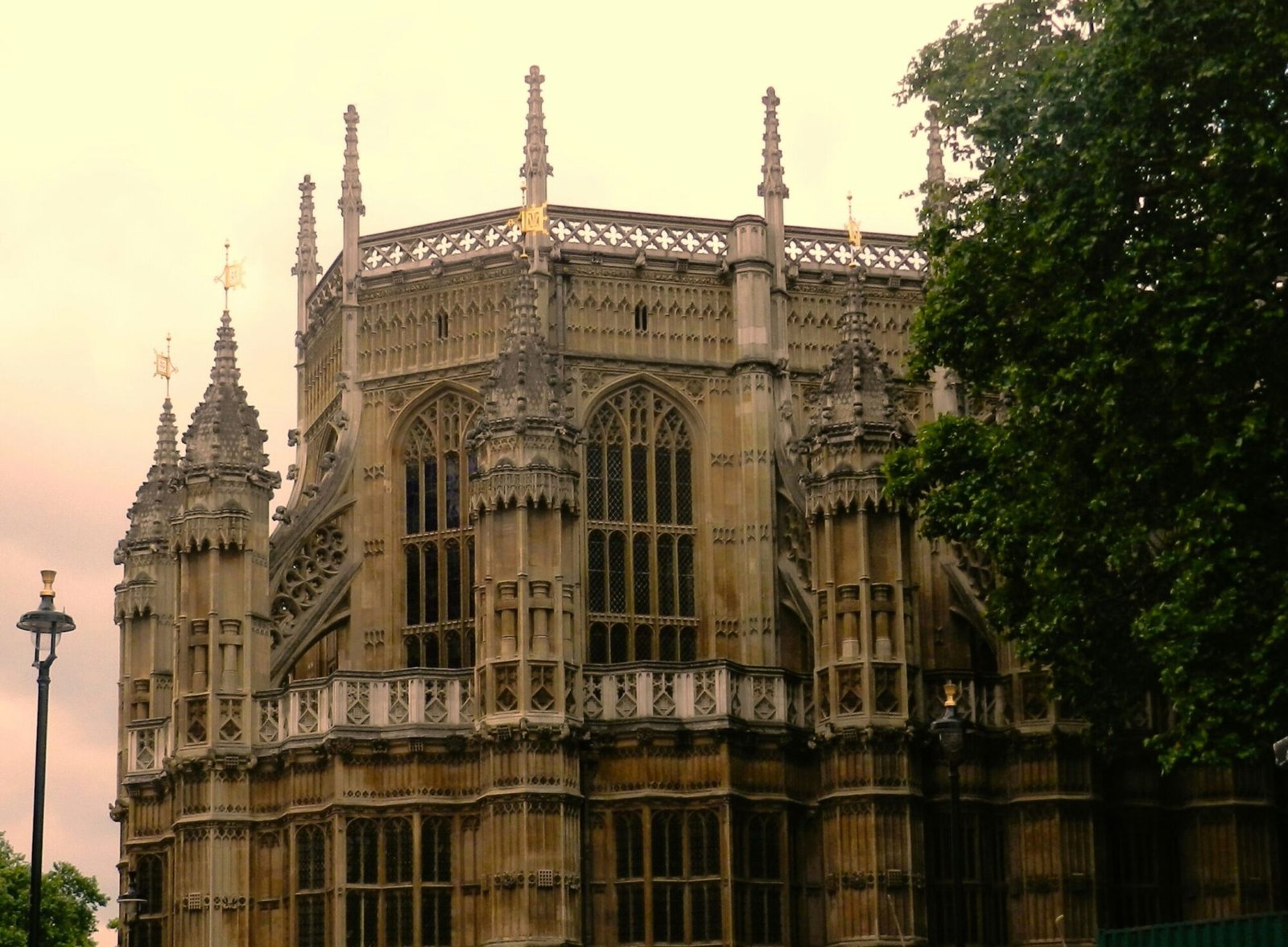
The answer depends entirely on how many paid attractions you visit per day and how many days you use the pass. There is no universal yes or no — it depends on your specific itinerary.
To break even on a 3-day London Pass costing £179, you need to visit individual attractions worth at least £179 in ticket value across those three days. That works out to roughly £60 worth of paid attractions per day — which means approximately two to three major paid sites every single day.
For a first-time visitor planning a packed itinerary, this is realistic. Visiting the Tower of London (£35), Westminster Abbey (£29), and the Thames River Cruise (£25) on a single day already totals £89 — comfortably exceeding the daily breakeven threshold.
But for a traveler spending two of their three days at free museums — even world-class ones like the British Museum or Natural History Museum — the math quickly flips. If you only visit two or three paid attractions across your entire trip, the London Pass will cost you significantly more than buying those tickets individually.
The simple test: before buying the pass, write down every attraction you actually plan to visit. Look up the individual ticket price for each one. Add them up. If the total exceeds the London Pass price for your chosen duration, buy the pass. If it does not, skip it and book individually — you will save money and have more flexibility.
London’s Best Free Attractions — The Ones the Pass Cannot Cover
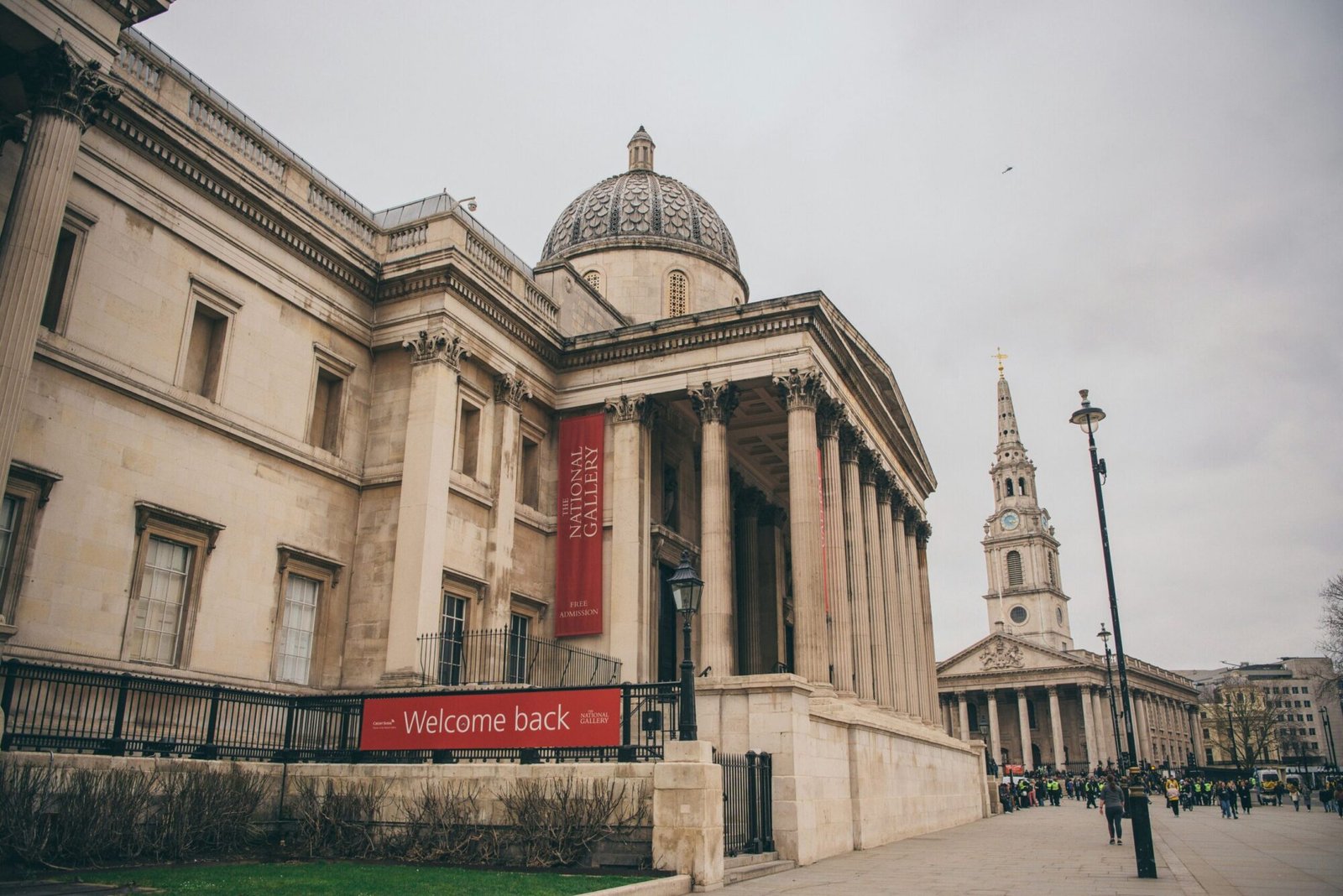
This is the most important section for budget travelers and museum lovers to read carefully. London has a remarkable number of world-class attractions that charge absolutely nothing to enter. These are not second-rate attractions — they are genuinely among the best museums and galleries on the planet.
Here are the major free attractions that require no pass and no ticket:
- British Museum — One of the world’s greatest museums, home to the Rosetta Stone, the Elgin Marbles, Egyptian mummies, and over 8 million objects spanning human history. Free, every day.
- Natural History Museum — Beloved by families and adults alike, featuring full dinosaur skeletons, the famous blue whale, and the stunning Hintze Hall. Free general entry.
- National Gallery — Situated on Trafalgar Square with one of the finest art collections in the world, including works by Van Gogh, Leonardo da Vinci, Rembrandt, Monet, and Constable. Free.
- Tate Modern — The world’s most visited modern art gallery, set in a dramatic former power station on the South Bank of the Thames. Free general admission.
- Science Museum — Five floors of interactive exhibits covering space exploration, medicine, transport, and technology. Highlights include the Apollo 10 capsule and Stephenson’s Rocket. Free.
- Victoria and Albert Museum (V&A) — The world’s greatest museum of art, design, and performance, with over 2.3 million objects across 145 galleries. Free entry.
- National Portrait Gallery — Portraits of the most famous people in British history from Tudor monarchs to modern celebrities. Recently renovated and free to enter.
- Tate Britain — The national gallery of British art from 1500 to the present day, including the world’s largest collection of Turner paintings. Free.
- Sir John Soane’s Museum — One of London’s most fascinating hidden gems: a 19th-century architect’s private house packed with antiquities, paintings, and curiosities. Free.
If your London itinerary includes three or more of these attractions, the case for buying the London Pass becomes very weak. You would be paying £169 or more for a pass that covers attractions you are not prioritising, while the things you most want to see are already free.
The Hidden Benefit: Convenience and Skip-the-Line Access
Financial savings are not the only reason to consider the London Pass. For many travelers — particularly those visiting in peak summer months or during school holidays — the convenience and time-saving benefits are worth paying a premium for.
The Tower of London, one of the most visited paid attractions in the UK, regularly has queue times of 45 to 60 minutes at the ticket desk during summer. London Pass holders can use a dedicated priority entry lane and walk straight in. Over a 3-day trip visiting multiple busy attractions, this can easily save you 2 to 3 hours of standing in queues.
There is also the organisational simplicity of having everything in one place. Instead of booking 8 to 10 separate tickets across different websites, managing multiple confirmation emails, and remembering separate booking reference numbers, you simply open one app and scan at each entrance. For travelers who find logistics stressful, this peace of mind has real value.
Additionally, the London Pass removes the need to make decisions about what to visit while you are there. When entry is already paid for, you are more likely to spontaneously visit an extra attraction you pass on the street — which often leads to some of the best travel experiences.
Smart Alternatives to the London Pass
If the London Pass does not fit your travel style or budget, here are three alternatives that experienced London visitors use to manage costs:
Book individual tickets online in advance. Most major London attractions — including the Tower of London, Westminster Abbey, and The Shard — offer 10 to 15 percent discounts for tickets booked online ahead of your visit. The Tower of London, for example, costs around £29 to £32 online compared to the full £35 gate price. Booking in advance also guarantees entry at your preferred time, which is important during busy periods.
Build your trip around free museums with one paid highlight per day. This approach is used by many experienced London travelers and keeps total attraction costs very low. Spend your mornings at free world-class museums, and choose one significant paid attraction per afternoon — the Tower of London one day, The Shard another, Westminster Abbey on your last day. Your total ticket spend for a 3-day trip might be £90 to £100, compared to £179 for the London Pass.
Consider the Merlin Annual Pass for families. If you are travelling as a family and plan to visit multiple attractions including the London Eye, Madame Tussauds, and SEA LIFE London Aquarium, the Merlin Annual Pass can offer better overall value and covers multiple visits within a 12-month period. Worth investigating if you plan to return to London or visit other UK cities with Merlin attractions.
Frequently Asked Questions About the London Pass in 2026
Does the London Pass include the London Eye?
No, the standard London Pass does not include the London Eye. You need to purchase the London Pass Plus version, which adds the London Eye and unlimited hop-on hop-off bus travel. Given that the London Eye costs £30 individually, the Plus version is worth the upgrade for most first-time visitors.
Does the London Pass include public transport?
No. The London Pass covers attraction entry only. For travel on the London Underground, buses, and Overground, you need a separate Oyster card or contactless payment. A 7-day Travelcard for Zones 1 and 2 costs approximately £40 to £45 and is good value if you are making multiple journeys each day.
Can London Pass holders skip queues at attractions?
Yes, at selected attractions. The Tower of London, Westminster Abbey, and several other popular sites offer dedicated priority entry lanes for London Pass holders. During peak summer months when queues at major attractions can reach 45 to 60 minutes, this benefit alone can save significant time across a multi-day trip.
Can I use the London Pass on non-consecutive days?
No. Once you activate the pass by scanning at your first attraction, the timer starts and runs on consecutive calendar days. A 3-day pass gives you three days in a row. Plan your sightseeing days together without gaps to get the most value from each pass duration.
Is the London Pass refundable if I cannot use it?
The London Pass can be refunded before activation, provided you have not scanned it at any attraction. Once activated, it is non-refundable. Always check the current refund policy on the official website at the time of purchase, as terms can change.
How far in advance should I buy the London Pass?
You can purchase up to 12 months in advance. There is no rush — the pass activates only when you first scan it. Buying ahead of time tends to lock in current prices and is strongly recommended for travel during July and August when demand and prices are at their highest.
Is the London Pass worth it for a 1-day trip?
It can be, but only if you pack your single day extremely tightly. To break even on a 1-day pass costing £89 to £99, you need to visit attractions worth at least £90 in individual tickets in one day. That means visiting at minimum the Tower of London (£35), Westminster Abbey (£29), and one more attraction such as The Shard (£32) — all in a single day. It is possible but requires a very efficient itinerary with little time for exploring freely.
Final Verdict: Is the London Pass Worth It in 2026?
The London Pass is genuinely worth buying in 2026 — but only for the right type of traveler. It is not a universal money-saver, and buying it without checking the math against your specific itinerary is a mistake many tourists make every year.
Buy the London Pass if you:
- Are visiting London for the first time and want to see as many iconic paid attractions as possible
- Plan to visit at least 3 paid attractions per day across your trip
- Have 3 to 5 consecutive days dedicated to sightseeing
- Are travelling during peak season and want to avoid long queues with priority access
- Prefer the simplicity of one digital pass over managing multiple bookings
- Are travelling with children and can benefit from the lower children’s pass prices
Skip the London Pass if you:
- Plan to spend significant time at London’s many free world-class museums
- Prefer a slow, relaxed travel pace with rest days or wandering days built in
- Only plan to visit 1 to 3 paid attractions across your entire trip
- Are visiting London for a second or third time and have already seen the major paid sites
- Are on a tight budget and willing to book individual tickets online in advance for a discount
The most reliable way to make this decision is to spend 10 minutes with a pen and paper before you travel. Write down every attraction you genuinely plan to visit. Look up the individual ticket price for each one on the attraction’s official website. Add them up. If the total exceeds the London Pass price for your trip length, buy the pass and enjoy the added convenience. If it does not, book individually and use the money you save on a nice dinner or an extra day out.
London is one of the greatest cities in the world, and whether you use the London Pass or not, your visit will be unforgettable. The pass is simply a tool — and like any tool, it works brilliantly when used for the right job.