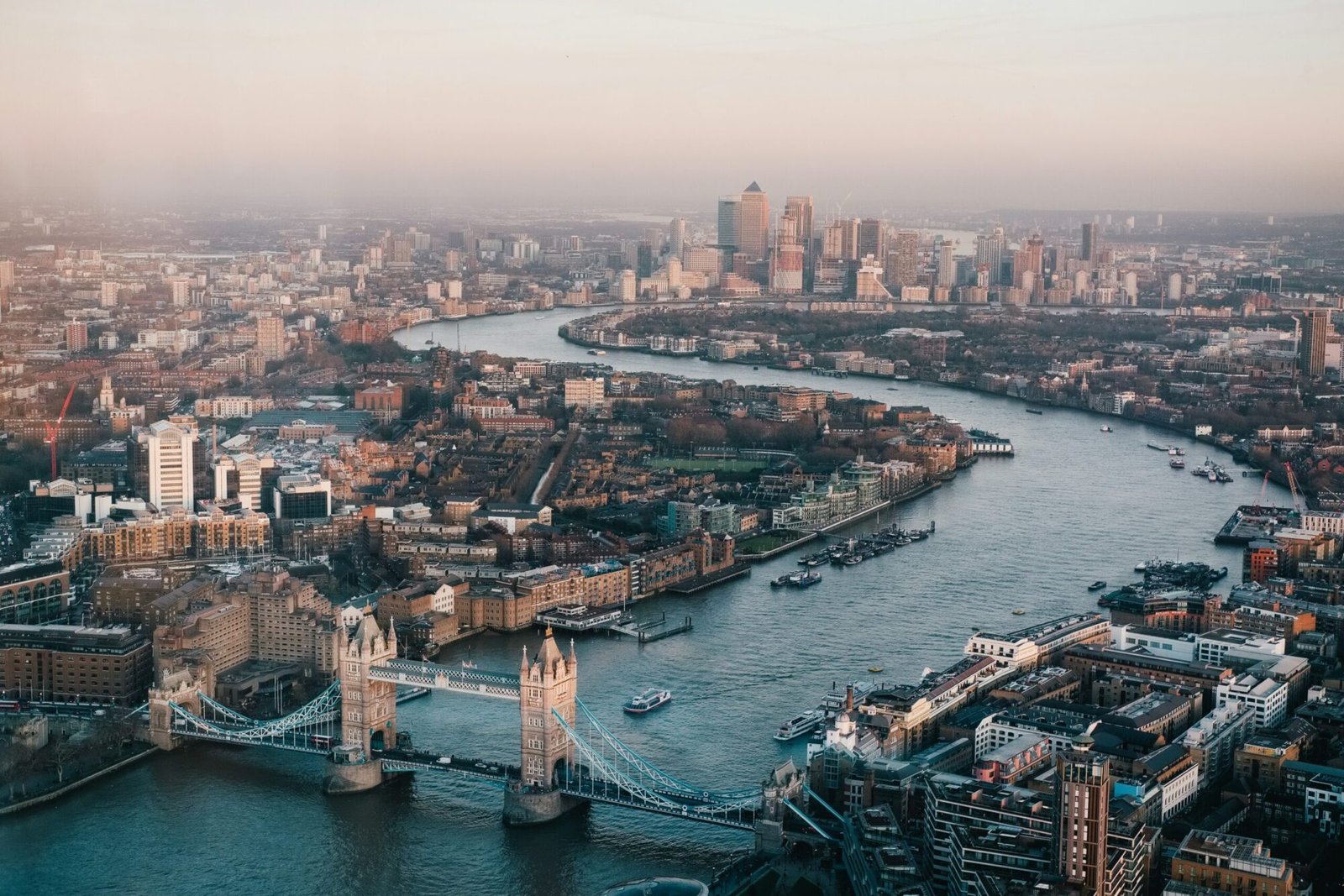
London Bridget Jones book locations are scattered across some of the city’s most characterful and beloved neighbourhoods — and for fans of the series, visiting them transforms a standard London trip into something far more personal and memorable. The Bridget Jones novels by Helen Fielding are so deeply rooted in specific London places that reading them functions almost as a travel guide: Borough Market, Hampstead Heath, Primrose Hill, the pubs of South London, the North London streets where Bridget navigates her chaotic but endearing life. These are not invented or composite locations — they are real places with real atmosphere that any visitor to London can walk into, order a drink in, or sit down in on a park bench.
The Bridget Jones series has spanned three novels and four films, with the most recent — Mad About the Boy — returning to Bridget as a widow navigating single parenthood, dating apps, and the complications of middle age with the same self-deprecating honesty that made the original novel a cultural phenomenon. The London it depicts is recognisably the same city — Borough Market is still there, Hampstead Heath is still there, the pubs, the parks, the particular North London milieu of school runs and farmers markets and complicated dinner parties — all of it grounded in a very specific, very real version of London.
This kind of literary travel — visiting the real places that gave a beloved book its texture and atmosphere — is one of the most rewarding ways to experience London. The city has more literary associations than perhaps any other in the world. Dickens, Woolf, Conan Doyle, Orwell, Fleming — the list of writers who embedded London’s streets into their fiction is inexhaustible. Bridget Jones adds to this tradition by being unusually specific and contemporary: the locations in her world are not Victorian or wartime London but the London of wine bars, farmers markets, school gates, and Tube journeys that most modern visitors to the city will recognise immediately.
This guide covers the five best real London locations connected to the Bridget Jones books and films, explains what each place offers as a visitor destination in its own right, provides detailed practical information for visiting, and includes a half-day literary walking route that connects several of the key locations into a single memorable London experience.
Why London Is the World’s Best Literary Travel Destination
Before diving into the specific Bridget Jones locations, it is worth understanding why London works so particularly well as a literary travel destination — because the answer explains why visiting these places feels genuinely different from standard tourist sightseeing.
London is unusual among world cities in that its neighbourhoods have maintained distinctive characters over centuries. Bloomsbury is still intellectually associated with Virginia Woolf’s circle. Baker Street is still Sherlock Holmes territory to anyone who has read Conan Doyle. The East End that Charles Dickens described in Oliver Twist is physically transformed but culturally still identifiable as a place of working-class London life and creative reinvention. This neighbourhood permanence means that when a contemporary author like Helen Fielding sets a novel in Notting Hill or Borough Market, they are drawing on a place with centuries of accumulated character — not just a postcode on a map.
The Bridget Jones books are set primarily in North and South London — specifically in the neighbourhoods around Notting Hill, Borough Market, Hampstead, and Primrose Hill. These are areas where literary and media professionals have historically lived, where independent bookshops and gastropubs coexist on the same street, and where the particular tension between ambition and domesticity, sophistication and self-doubt, that drives Bridget’s story feels entirely at home in its environment.
Visiting these places as a Bridget Jones fan adds a layer of recognition and imagination to what might otherwise be a straightforward tourist experience. Sitting in a Borough Market pub and thinking “this is exactly the kind of place where Bridget would have had that conversation” is a small thing — but it is the kind of small thing that makes travel genuinely memorable rather than merely scenic.
Location 1: Borough Market — The Heartbeat of Bridget’s London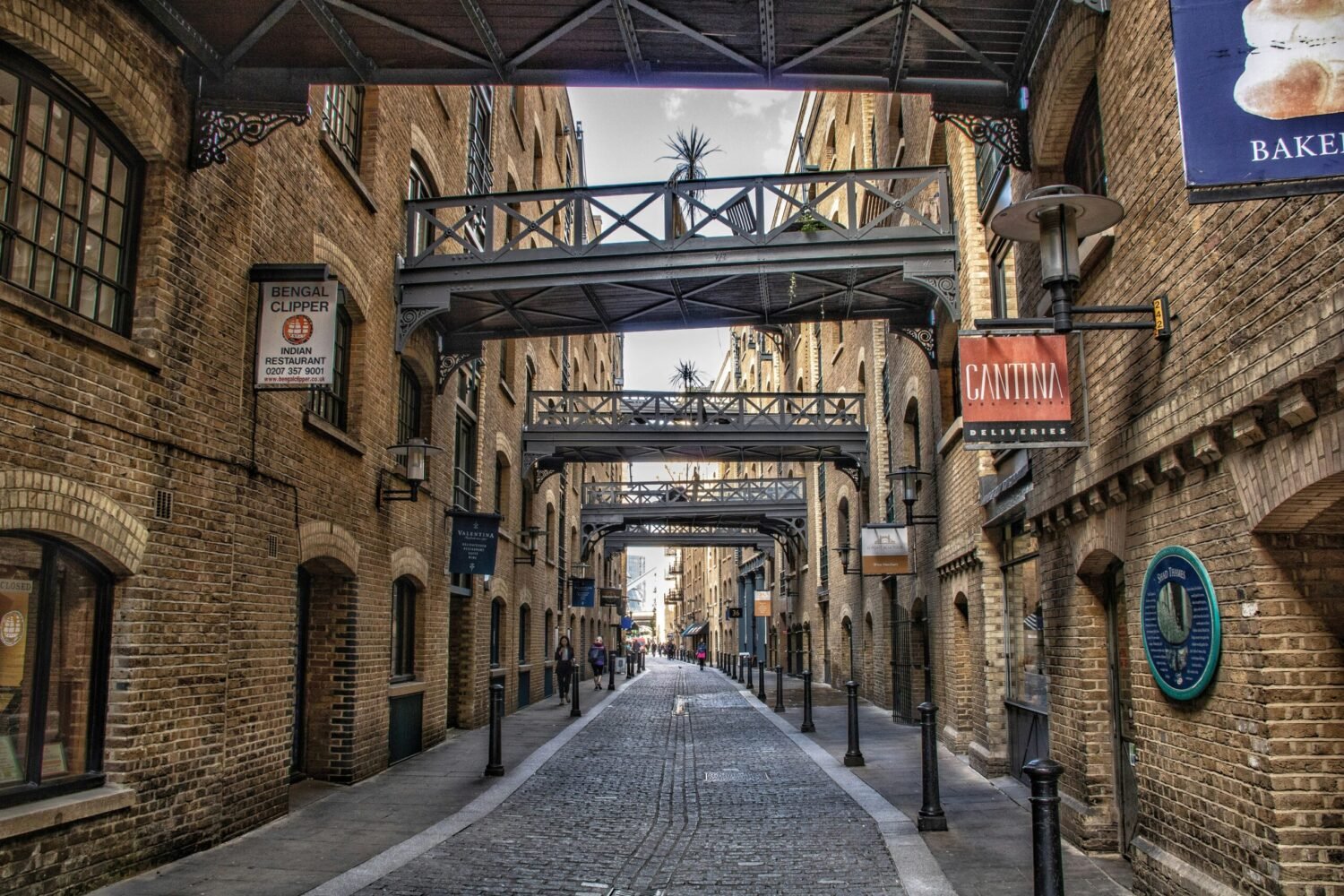
Borough Market is perhaps the single location most closely associated with the Bridget Jones film adaptations. The first Bridget Jones’s Diary film used streets around Borough Market extensively for exterior shots of Bridget’s neighbourhood, and the market itself — with its Victorian iron structure, its extraordinary food stalls, its particular combination of tourist destination and working London market — captures perfectly the South London milieu that Fielding imagined for her character.
Borough Market has been a food market on this site since at least the 12th century, though the current Victorian structure dates from the 1850s. It sits directly below London Bridge and Southwark Cathedral, in one of London’s oldest and most historically layered areas. The market is open Tuesday to Saturday and runs at its busiest on Thursday, Friday, and Saturday mornings when the full complement of traders are present.
What makes Borough Market worth visiting as a Bridget Jones literary traveler:
- The market’s food culture — artisan cheeses, fresh bread, hot street food from around the world, exceptional coffee — represents exactly the kind of pleasurable metropolitan food experience that runs through the Bridget Jones novels as a counterpoint to Bridget’s domestic cooking disasters
- The Victorian iron structure and cobblestone surroundings create one of London’s most atmospheric and photogenic settings, particularly in morning light before the crowds build
- Southwark Cathedral, directly adjacent to the market, is free to enter and one of London’s most beautiful medieval churches — easily combined with a market visit
- The streets around the market — Bermondsey Street, Borough High Street, the lanes running toward London Bridge — have a neighbourhood character that matches the South London setting of the first Bridget Jones novel and film
Practical visiting information:
- Opening hours: Monday and Tuesday 10am to 5pm, Wednesday and Thursday 10am to 5pm, Friday 10am to 6pm, Saturday 8am to 5pm. Closed Sundays.
- Nearest station: London Bridge (Northern and Jubilee lines, National Rail)
- Arrive before 11am to avoid the heaviest crowds and get the best selection from food stalls
- Budget approximately £10 to £20 for a market breakfast or lunch from the stalls
- The market is free to enter — costs are only for food and drink purchased
Location 2: The Globe Tavern — Bridget’s Local Reimagined
The Globe Tavern on Bedale Street, just steps from Borough Market, is directly associated with the Bridget Jones film adaptations — the exterior of the pub was used as the front of Bridget’s apartment building in the first film, making it one of the most recognisable locations in the entire franchise for dedicated fans. The pub’s painted globe sign and Victorian frontage are immediately recognisable from the film’s opening sequences.
Beyond its film association, The Globe Tavern is a genuinely excellent traditional London pub that would be worth visiting on its own merits. It serves a selection of real ales and traditional pub food in the kind of warm, slightly shabby-elegant interior that British pub culture at its best represents. The low ceilings, wooden fixtures, and general atmosphere of convivial welcome are entirely consistent with the kind of local Bridget would frequent — the kind of place where a character could nurse a large glass of wine, dissect the week’s romantic disasters with her friends, and feel entirely at home.
What to know about visiting The Globe Tavern:
- Address: 8 Bedale Street, London SE1 9AL — a 2-minute walk from Borough Market’s main entrance
- Opening hours vary but the pub is typically open from midday daily
- The exterior film location — the painted facade and street frontage — can be photographed at any time
- The pub can get extremely busy on Friday and Saturday evenings — visit on a weekday afternoon for the best atmosphere and easiest access
- A pint of ale here, sitting at the bar and imagining Bridget’s conversations with Shazza and Tom, is one of the most authentic Bridget Jones literary pilgrimage experiences available in London
Location 3: Hampstead Heath — Wild London and the Literary Imagination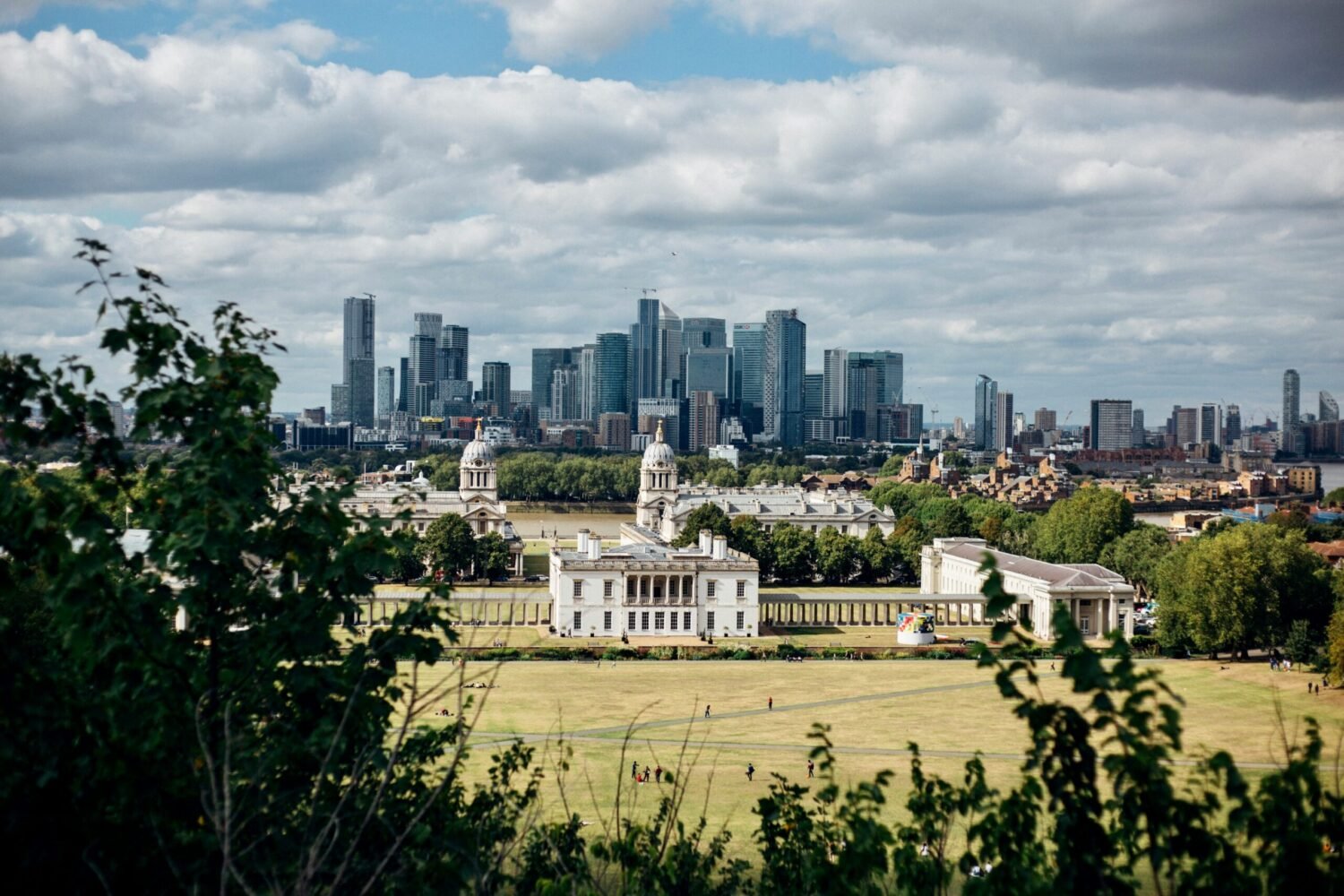
Hampstead Heath is one of the great open spaces of London — 320 hectares of ancient, managed wildness sitting on a hill in North London, with views across the entire city from its highest points and a character utterly unlike any other park in the capital. Where Hyde Park and Regent’s Park are formally landscaped and gardened, Hampstead Heath is genuinely wild in places: ancient woodland, marshy meadows, swimming ponds, and long grass that swallows footpaths in summer.
For Bridget Jones literary travelers, Hampstead Heath represents the introspective, walking-and-thinking geography of the books. Fielding’s Bridget is a great walker — she processes her emotional life through physical movement through London, and the Heath is exactly the kind of place where such processing happens. The transition from the urban density of the surrounding Hampstead and Gospel Oak streets to the sudden openness of the Heath itself — the long views, the birdsong, the feeling of being genuinely out of the city while still within it — captures something essential about how Fielding’s London works: it is simultaneously suffocatingly urban and surprisingly spacious.
What to experience at Hampstead Heath:
- Parliament Hill — the highest point of the Heath, with a panoramic view of the London skyline from the Shard to St. Paul’s that is one of the finest free viewpoints in the city. The view is exceptional at any time of day but particularly beautiful in late afternoon light.
- The swimming ponds — three separate bathing ponds (men’s, women’s, and mixed) have been used for open-air swimming on the Heath for over 150 years. The women’s pond in particular has a long association with London literary culture — Virginia Woolf famously used it. Open for swimming year-round.
- Kenwood House — the neoclassical mansion on the northern edge of the Heath houses an exceptional free art collection including Vermeer, Rembrandt, and Gainsborough. Free to enter and beautifully set in landscaped grounds. The outdoor concert season in summer makes it one of London’s finest evening venues.
- The Highgate Ponds area — a series of linked ponds on the eastern side of the Heath, peaceful and wild-feeling, ideal for a slow contemplative walk of the kind Bridget’s literary walks represent
Practical information:
- Nearest stations: Hampstead (Northern line), Gospel Oak (Overground), Hampstead Heath (Overground)
- The Heath is free and open 24 hours — though the ponds have their own opening hours (typically 7am to sunset)
- Allow at least 2 hours to explore properly — the Heath is much larger than it appears on maps
- Bring waterproof shoes in autumn and winter — the grass and woodland paths become muddy after rain
Location 4: Primrose Hill — The View That Defines North London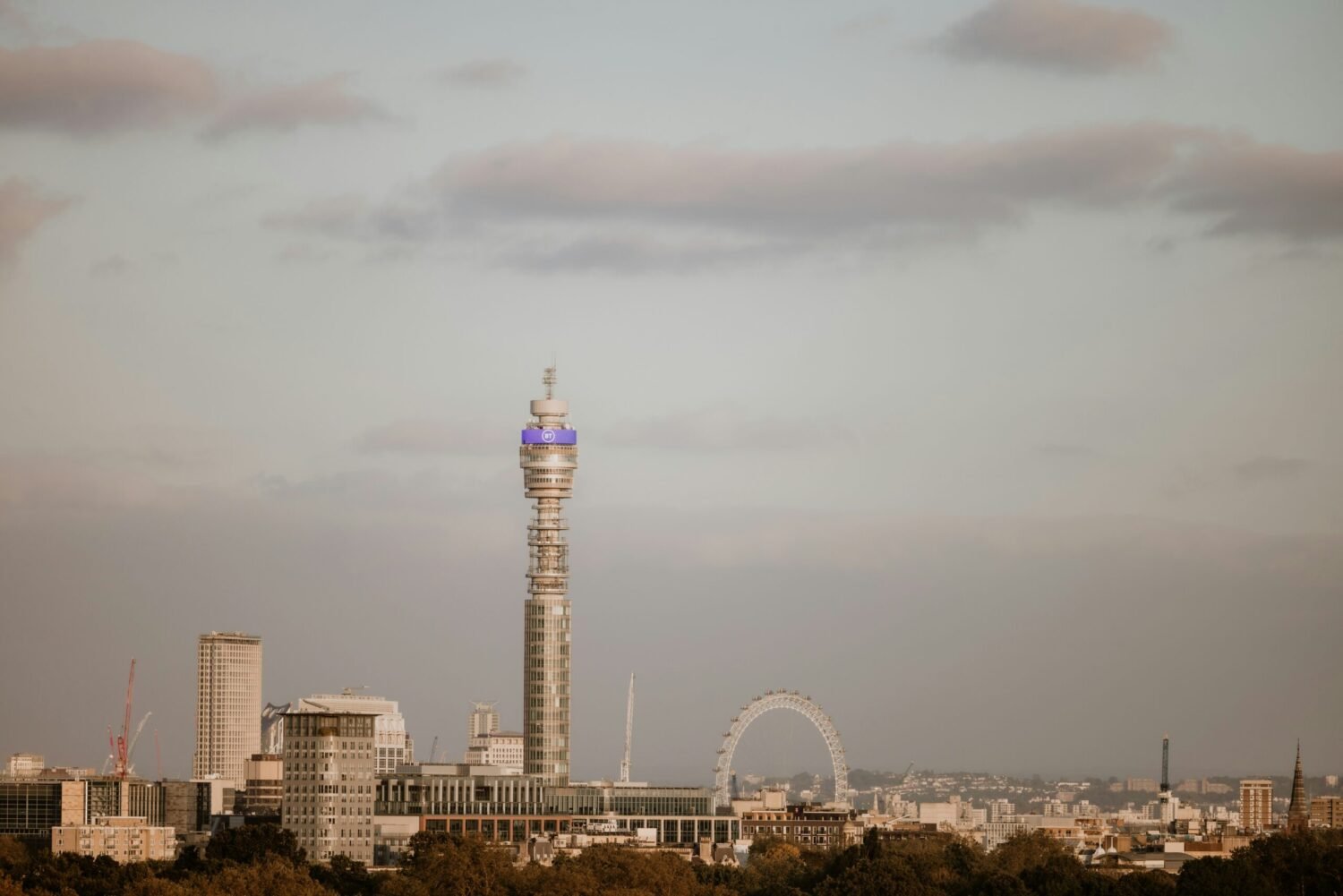
Primrose Hill is a small park in North London — just 60 acres — but it punches far above its size in cultural significance. The hill itself, rising to 78 metres above sea level, offers what many Londoners consider the finest panoramic view of central London: the city skyline laid out from left to right, from Canary Wharf in the east to the Crystal Palace transmitter in the south, with everything in between. On a clear day the view is extraordinary. At sunset it is one of the most romantic spots in London.
The neighbourhood surrounding the park — also called Primrose Hill — has been associated with creative London since the 1960s when it became home to artists, writers, musicians, and actors drawn by the Victorian terraces, the village-like high street, and proximity to both the Heath and central London. This creative, slightly bohemian, very North London character makes it exactly the kind of neighbourhood where the social world of Bridget Jones feels at home — dinner parties, book groups, artisan coffee, conversations about relationships and careers at the kind of pubs and cafés that line Regent’s Park Road.
What to do in Primrose Hill:
- Walk to the top of the hill for the panoramic London view — go in the late afternoon for the best light
- Explore Regent’s Park Road, the neighbourhood’s main street, which has excellent independent cafés, bookshops, and restaurants with a genuinely village-like atmosphere
- Visit Primrose Hill Books on Regent’s Park Road — an excellent independent bookshop that has been serving the neighbourhood for decades and feels entirely in keeping with the literary spirit of any Bridget Jones pilgrimage
- Walk south into Regent’s Park from the bottom of the hill — the formal gardens, boating lake, and open meadows of Regent’s Park extend Primrose Hill into a much larger green space
Practical information:
- Nearest station: Chalk Farm (Northern line) — a 10-minute walk from the hill
- The park is free and open daily from 7:30am to dusk
- The hill is easily combined with a visit to Camden Market, 15 minutes walk to the east
- Sunset visits are particularly popular in summer — arrive 30 minutes before sunset to find a good spot at the top
Location 5: St. Paul’s Cathedral and the Millennium Bridge — London’s Cinematic Skyline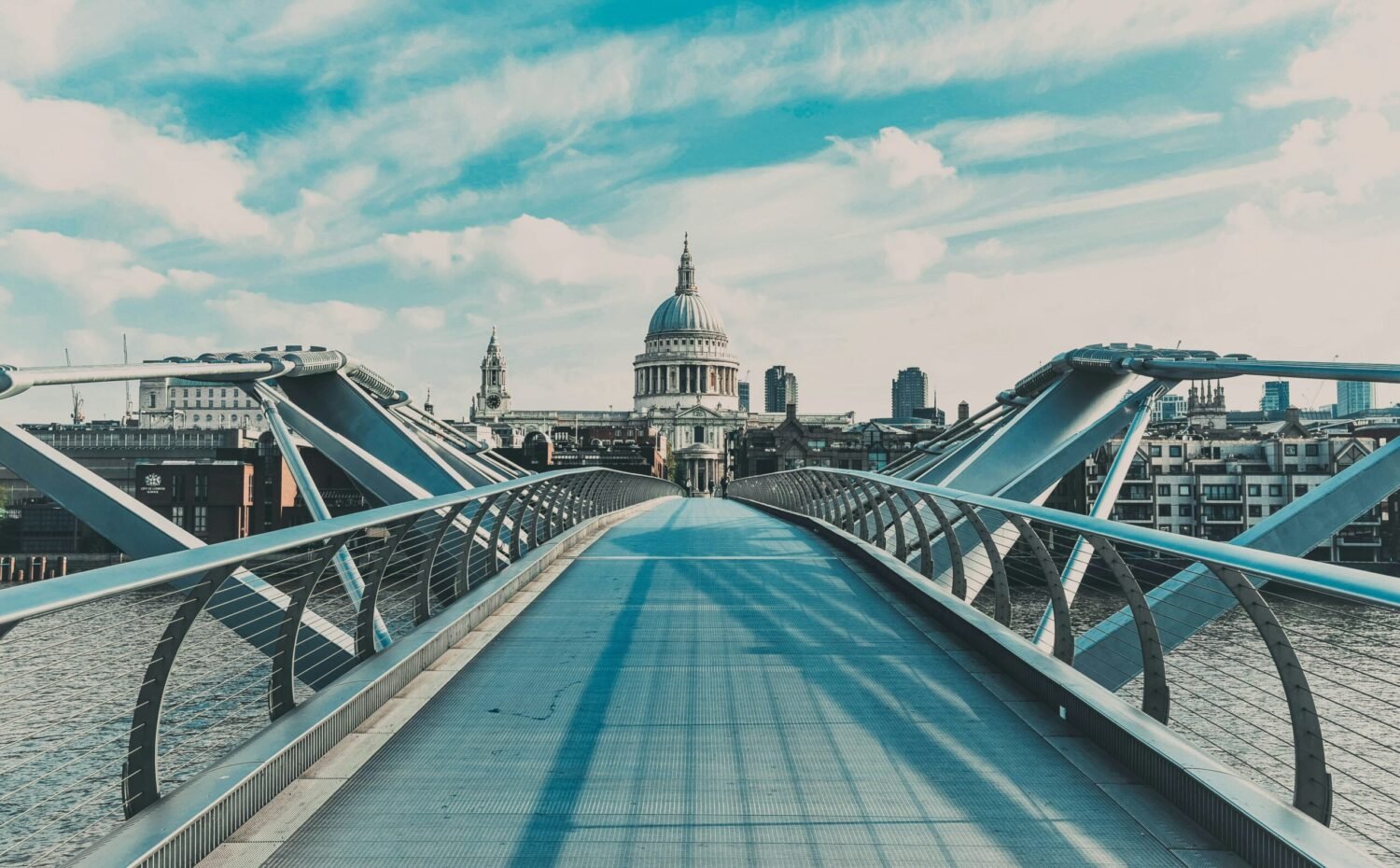
St. Paul’s Cathedral is one of the most recognisable buildings in London — Christopher Wren’s baroque masterpiece, built between 1675 and 1710 on the site of four previous cathedrals, its dome dominating the City of London skyline in a way that has featured in centuries of London literature, painting, and film. While St. Paul’s does not have a specific narrative connection to the Bridget Jones books, it represents the kind of grand, cinematic London backdrop that the series uses constantly — the city as stage set, beautiful and slightly overwhelming, providing the backdrop against which Bridget’s very human dramas unfold.
The Millennium Bridge — the elegant pedestrian footbridge that connects St. Paul’s to the Tate Modern on the South Bank — is particularly associated with literary and cinematic London. The view of St. Paul’s from the middle of the Millennium Bridge, with the dome rising above the riverside buildings on either side, is one of the most photographed London views and has appeared in numerous films and novels set in contemporary London.
What to do at St. Paul’s and the Millennium Bridge area:
- The Whispering Gallery — inside the dome of St. Paul’s, the gallery runs around the interior base of the dome and has extraordinary acoustic properties: a whisper spoken against the wall on one side can be heard clearly 34 metres away on the opposite side. Entry to the cathedral costs approximately £23 for adults — worth it for the dome climb and interior.
- The Golden Gallery — at the top of the dome exterior, accessible via 530 steps, the view across London is panoramic and extraordinary. One of the finest high viewpoints in the city.
- The Cathedral Crypt — included in cathedral entry, the crypt contains the tombs of Wren himself, Admiral Nelson, and the Duke of Wellington, among many other historically significant figures.
- The Millennium Bridge walk — crossing the bridge on foot takes 5 minutes and provides the iconic St. Paul’s view. Free, available at any hour, and leads directly to the Tate Modern on the South Bank — one of the world’s greatest art galleries with free general admission.
The area around St. Paul’s connects easily with Borough Market — a 10-minute walk south across London Bridge or the Millennium Bridge places you in the heart of Borough Market territory. Combining these two locations in a single morning visit makes excellent use of time and covers two of the most atmospheric parts of literary London in one trip.
The Bridget Jones Literary Walking Route: A Half-Day London Itinerary
The five locations above can be combined into a satisfying half-day literary walking route that covers some of London’s most characterful areas. The route below uses a combination of walking and the Underground and takes approximately four to five hours at a relaxed pace with stops.
Morning (Start: 9:30am)
- 9:30am — Borough Market — arrive when the market opens for the best atmosphere and easiest navigation. Have breakfast from one of the stalls — a bacon or sausage sandwich and fresh coffee is a quintessentially London way to start. Allow 45 to 60 minutes to explore the market and surrounding streets.
- 10:30am — The Globe Tavern — walk 2 minutes to Bedale Street to find the pub exterior used in the Bridget Jones films. The pub opens at midday, so this is the time for exterior photography and neighbourhood exploration. Walk south along Bermondsey Street for excellent street art, independent cafés, and the White Cube gallery.
- 11:30am — Southwark Cathedral — directly adjacent to Borough Market, this medieval cathedral is free to enter and beautiful inside. Allow 20 to 30 minutes.
Late Morning (Noon):
- 12:00pm — Millennium Bridge and St. Paul’s — cross London Bridge on foot (10 minutes from Borough Market) and walk along the North Bank to reach the Millennium Bridge. Cross it for the iconic St. Paul’s view. Take the Underground from St. Paul’s station (Central line) or walk to the cathedral for an interior visit if desired.
Afternoon:
- 1:30pm — Hampstead Heath — take the Underground from St. Paul’s to Hampstead (change at Tottenham Court Road, Northern line to Hampstead). Walk from Hampstead village down into the Heath for a post-lunch exploratory walk. Kenwood House is a 20-minute walk through the Heath.
- 3:30pm — Primrose Hill — take the bus or Overground from Gospel Oak to Primrose Hill. Climb the hill for the afternoon view of the London skyline, then explore Regent’s Park Road’s independent shops and cafés. Browse Primrose Hill Books.
- 5:00pm — Sunset from Primrose Hill — if timing allows, stay for the golden hour view from the hill. This is the literary London moment the route has been building toward: the whole city visible, Bridget’s fictional world and the real city overlapping in the light.
Other London Literary Locations Worth Visiting
For travelers who want to extend their literary London exploration beyond the Bridget Jones locations specifically, the following are among the city’s finest literary associations:
- Bloomsbury — the neighbourhood around the British Museum is associated with Virginia Woolf, T.S. Eliot, and the Bloomsbury Group. The British Museum itself is free and contains one of the greatest collections of human art and artefacts in the world.
- 221B Baker Street — the fictional address of Sherlock Holmes, now the Sherlock Holmes Museum, in the Marylebone area of central London. The house is preserved as it appears in the Conan Doyle stories.
- Foyles Bookshop on Charing Cross Road — one of London’s greatest bookshops, in a neighbourhood historically associated with the book trade, on a street lined with other bookshops and specialist antiquarian dealers.
- Daunt Books in Marylebone — one of the most beautiful independent bookshops in London, housed in an Edwardian building with a long gallery lined with travel books. Worth visiting for the architecture alone.
- The Charles Dickens Museum in Bloomsbury — Dickens’s former home, preserved as it was during the years he lived there, with an extraordinary collection of manuscripts, letters, and personal belongings.
Frequently Asked Questions About Bridget Jones London Locations
Are the Bridget Jones London locations officially connected to the novels?
Some locations are direct inspirations or filming locations used in the adaptations — Borough Market and The Globe Tavern are the most directly connected. Others like Hampstead Heath and Primrose Hill represent the North London milieu and atmosphere that Helen Fielding drew on when creating Bridget’s world, rather than being specifically named in the text. Both types of connection provide genuine value for literary travelers.
Can you visit Bridget Jones’s apartment building?
The Globe Tavern on Bedale Street, Borough Market was used as the exterior of Bridget’s apartment building in the first Bridget Jones’s Diary film. The building is a working pub rather than a residential apartment, so visitors can see the exterior and go inside for a drink — but cannot visit the upper floors. The exterior is exactly as shown in the film and is easily recognisable.
Are there organised literary tours of Bridget Jones London?
Several London walking tour companies offer literary London tours that include Bridget Jones filming locations as part of broader book and film location tours of the city. Dedicated Bridget Jones tours are less common but can be found through specialist London literary tour operators. The self-guided route in this article covers the key locations independently at your own pace, which many travelers prefer.
Is this literary walking route suitable for non-Bridget Jones fans?
Yes. All five locations are among London’s finest visitor destinations in their own right — Borough Market, Hampstead Heath, and Primrose Hill are consistently rated among the top London experiences regardless of their literary associations. Visitors with no knowledge of or interest in Bridget Jones will have an excellent day following this route through some of the city’s most characterful areas.
What is the best season to visit these locations?
All five locations are worth visiting year-round, but late spring (May to June) and early autumn (September to October) offer the best combination of pleasant weather, manageable crowds, and good light for photography. Borough Market is busy throughout the year. Hampstead Heath and Primrose Hill are particularly beautiful in spring when the trees are in new leaf and in autumn when the foliage colours the landscape.
Final Verdict: Why Literary Travel in London Is Worth Your Time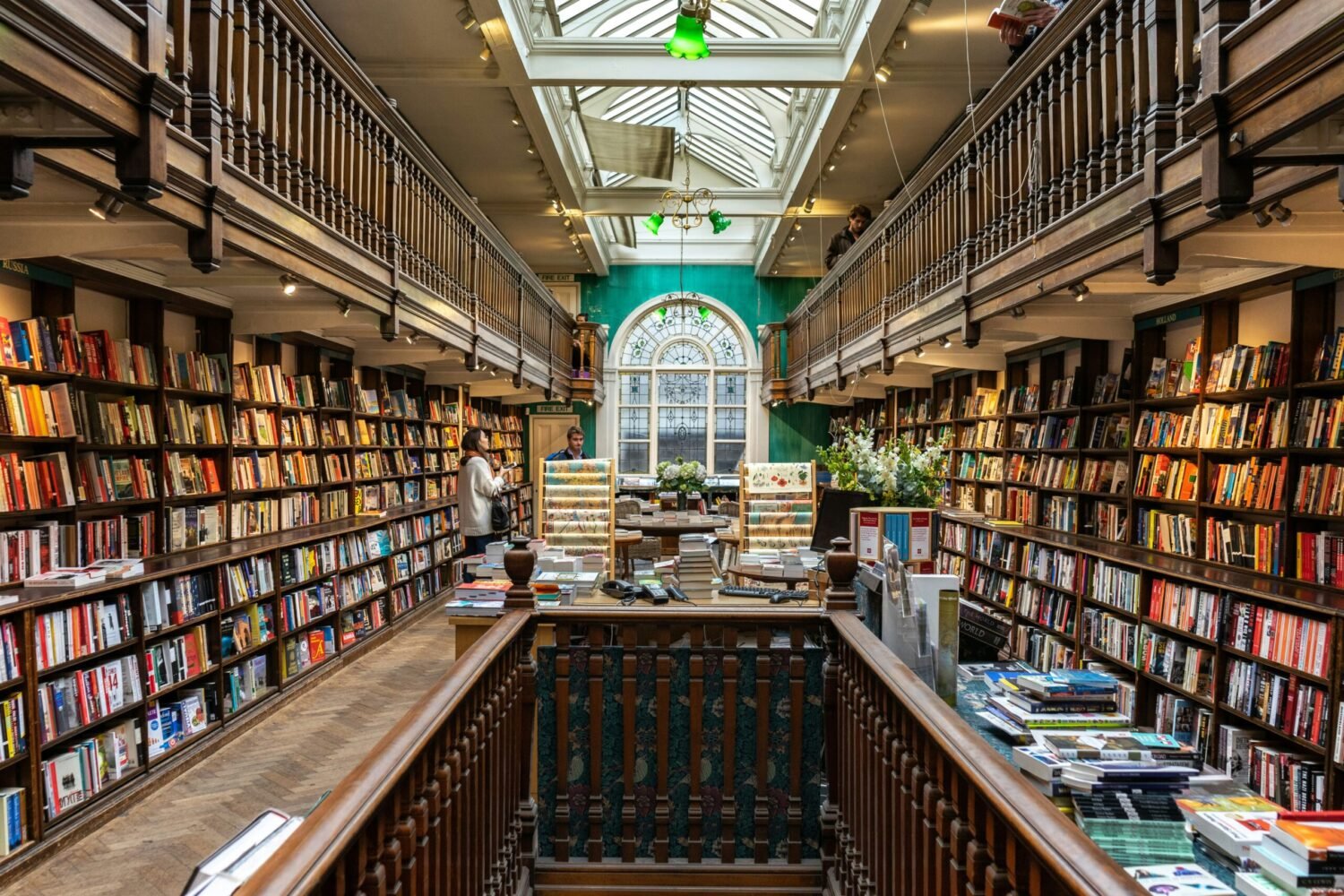
Visiting the London locations connected to the Bridget Jones books adds a layer of recognition, imagination, and personal connection to what is already one of the world’s great cities for tourism. The five locations in this guide — Borough Market, The Globe Tavern, Hampstead Heath, Primrose Hill, and St. Paul’s Cathedral — are each exceptional visitor destinations in their own right, and each gains something extra when visited through the lens of a beloved book series.
Literary travel at its best does exactly what any great travel experience does: it makes you see a familiar or unfamiliar place more clearly, more personally, and more memorably. Walking across Hampstead Heath thinking about Bridget’s introspective walks is a small imaginative act — but it is the kind of act that turns a tourist visit into something closer to genuine engagement with a place and its stories.
London has been telling stories about itself for a thousand years. The Bridget Jones books are a small but vivid part of that tradition. And the best way to appreciate any story about a city is to visit the city it describes — and see for yourself whether the fiction was telling the truth.
1 thought on “London Bridget Jones Book Locations: 5 Real Places to Visit in 2026”