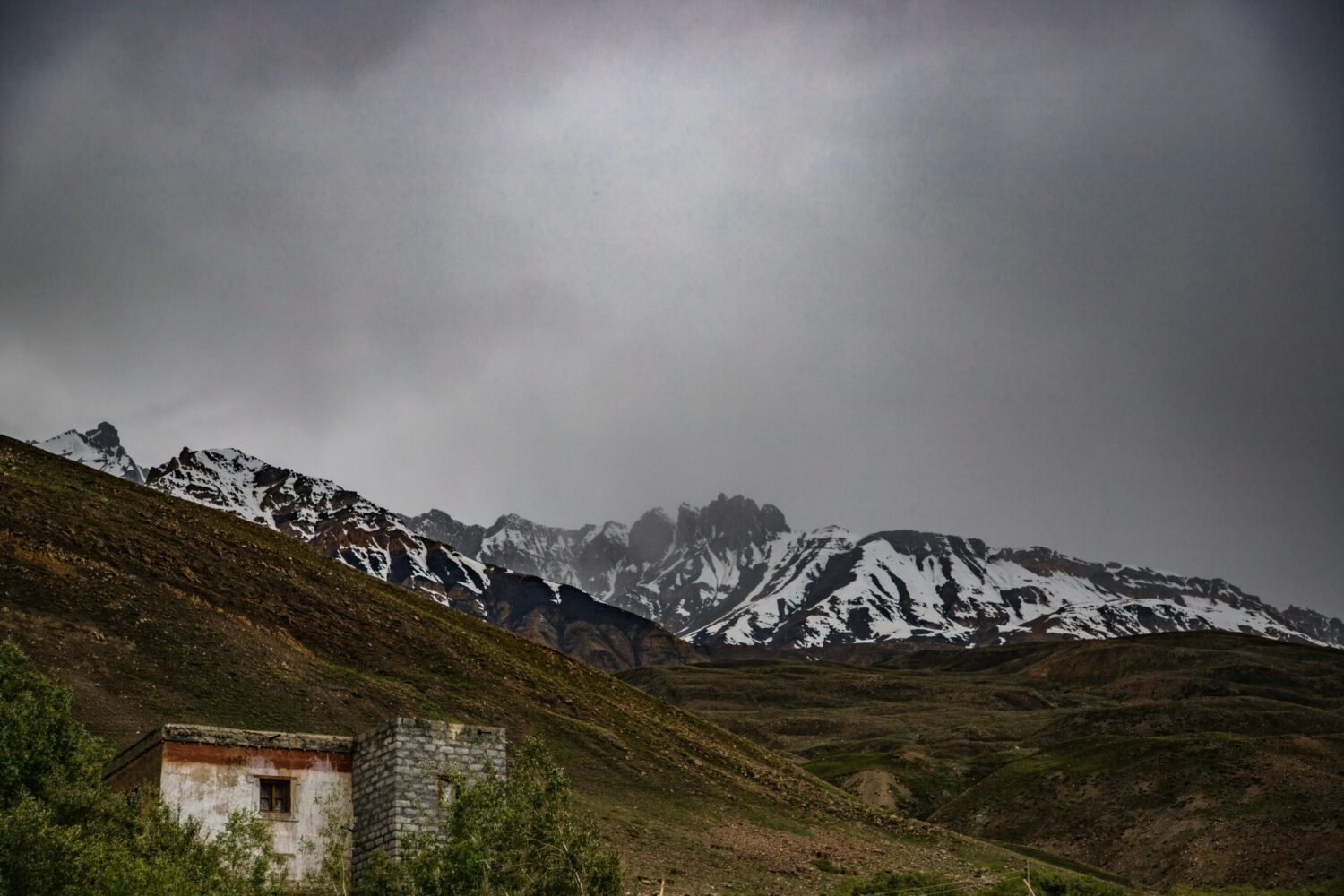
Things to do in Spiti Valley in winter go far beyond what most travel guides will tell you. While half the world is wrapping up warm on beach holidays and the other half is booking safe, comfortable hill station trips, a small and determined group of Indian travelers is heading into one of the most extreme, breathtaking, and genuinely unforgettable winter destinations on the planet. Spiti Valley in winter is not a casual holiday. It is an experience that demands preparation, physical resilience, and an honest appetite for the raw beauty of a Himalayan landscape that has been frozen, silenced, and stripped down to its purest form.
This guide covers everything — every meaningful winter activity from snow leopard tracking to monastery meditation, from stargazing at 14,000 feet to warming your hands around a bukhari stove in a local homestay. If you are genuinely considering a winter trip to Spiti, this is the most complete, honest, and practical guide you will find anywhere.
Why Visit Spiti Valley in Winter at All?
It is a fair question. Spiti is difficult enough in summer — 12 to 16 hours of mountain driving, altitude that hits you at the first sharp bend, limited food options, and basic infrastructure everywhere. In winter, it gets considerably harder. So why do hundreds of travelers — and a growing number of international visitors — choose to visit between December and March?
Because Spiti in winter is a completely different world from Spiti in summer. And that world is extraordinary in ways that photographs cannot fully capture.
In summer, Spiti is brown and gold — the raw colors of a high-altitude cold desert with clear skies above. In winter, it turns completely white. Every village, every monastery roof, every winding mountain road, every frozen tributary of the Spiti River — all of it draped in deep snow. The Himalayan peaks that form the valley’s walls stand impossibly sharp and bright against deep blue winter skies. The silence is total. There are no tourist buses. There are no crowds outside the monasteries. There is almost no one, in fact, except the local Spitian communities who have lived through these winters for generations, the occasional wildlife researcher tracking snow leopards, and the rare traveler who planned carefully enough to be there.
That combination — extreme natural beauty, profound cultural depth, absolute solitude, and genuine adventure — is what makes things to do in Spiti Valley in winter so different from anything else available in India. You are not watching the Himalayas. You are inside them, in their most honest and uncompromising season.
Winter Weather in Spiti Valley — Month by Month
| Month | Daytime Temp | Night Temp | Conditions | Road Status |
|---|---|---|---|---|
| October | 5°C to 12°C | -5°C to -10°C | Early snowfall begins, tourist numbers drop sharply | Manali route closing, Shimla route open |
| November | -2°C to 5°C | -10°C to -15°C | Heavy snow, most villages start winter hibernation | Manali route shut. Shimla route open but patchy |
| December | -5°C to 2°C | -15°C to -20°C | Peak snowfall, frozen rivers, magical landscapes | Only Shimla–Kaza via Kinnaur open |
| January | -8°C to -2°C | -20°C to -30°C | Coldest month, extreme conditions, clearest skies | Shimla route open in patches, risk of closures |
| February | -5°C to 3°C | -15°C to -20°C | Still very cold but improving, Losar festival season | Shimla route more reliable, slowly improving |
| March | 0°C to 8°C | -8°C to -15°C | Snow still heavy but days longer, early thaw begins | Shimla route reliable, Manali route still closed |
Things to Do in Spiti Valley in Winter — Complete Activity Guide
1. Snow Leopard Tracking in Pin Valley National Park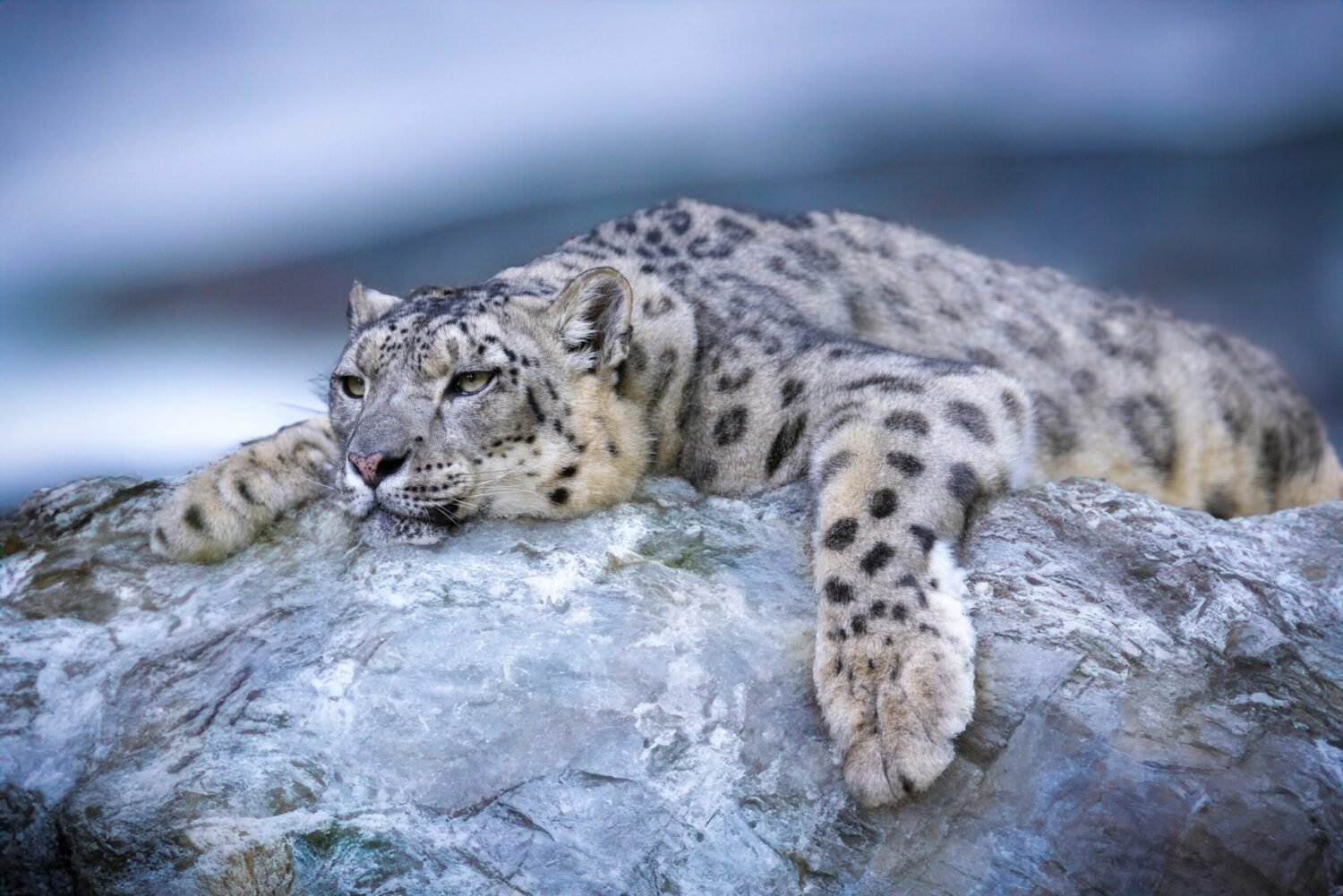
This is, without question, the single most extraordinary experience available in Spiti Valley in winter — and possibly one of the most extraordinary wildlife experiences available anywhere in India. The snow leopard, known locally as the “ghost of the Himalayas,” is one of the world’s rarest and most elusive big cats. It lives in the high-altitude terrain above the tree line, perfectly camouflaged against the grey and white rocks of the Himalayas. Your chances of spotting one in summer are almost zero. In winter, when prey animals like bharal (blue sheep) descend to lower altitudes and the snow leopard follows them, your chances with an experienced local guide increase significantly.
Pin Valley National Park — accessible from Kaza, approximately 16 km to the Attargo Bridge junction — is the best area in Spiti for snow leopard sightings. The Forest Department has established inspection paths and transit accommodation at Mud Farka inside the park. Local guides who have spent their lives tracking these animals are available around the park periphery and are an essential part of any serious wildlife excursion here.
2. Monastery Visits in Deep Winter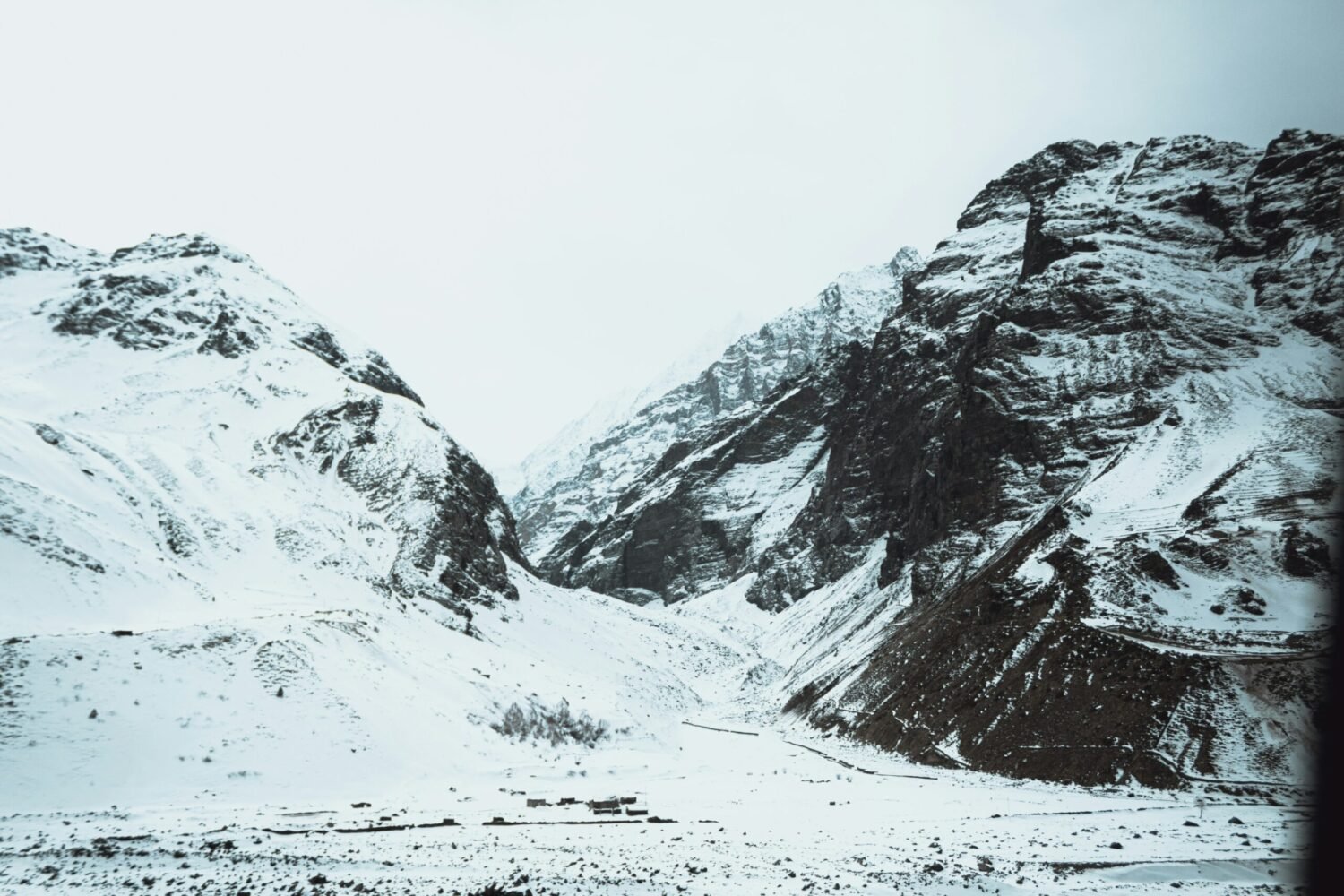
Visiting Spiti’s ancient monasteries in winter is an experience that bears almost no resemblance to visiting them in the peak tourist season of June to September. In summer, Key Monastery — perched on its impossible rocky outcrop above the Spiti River — receives hundreds of visitors a day. In winter, you may be the only person there besides the resident monks. The same silence that settles over the entire valley settles over these 1,000-year-old buildings, and it is a silence that feels genuinely sacred.
| Monastery | Location | Founded | Winter Highlight | Distance from Kaza |
|---|---|---|---|---|
| Key Monastery (Ki Gompa) | Above Spiti River, 4,166m | 11th century | Snow-covered fortress silhouette, monks in red robes against white snow | 12 km |
| Tabo Monastery | Tabo village, 3,050m | 996 CE (over 1,000 years old) | Ancient mud-brick complex in snow, 9 temples, UNESCO tentative list | 46 km |
| Dhankar Monastery | Cliff above Pin-Spiti confluence, 3,894m | 12th century | Dramatic cliffside location amplified by winter snow, Dhankar Lake hike nearby | 33 km |
| Komic Monastery | Komic village, 4,587m | 14th century | One of the world’s highest monasteries, virtually deserted in winter, surreal silence | 22 km |
| Lhalung Monastery | Lhalung village, 3,900m | 11th century | Ancient Tabo-era monastery, rarely visited even in summer, stunning winter solitude | 50 km from Kaza |
Tabo Monastery deserves special mention because it is genuinely one of the most remarkable religious sites in all of Asia. Founded in 996 CE, it has been in continuous operation for over 1,000 years — making it among the oldest continuously functioning Buddhist monasteries on earth. The ancient mud-brick walls, the 9 original temples filled with 10th-century murals and sculptures, and the small community of monks who maintain the complex through the harshest Himalayan winters combine to create an atmosphere that is simply unlike anything else in India.
3. Explore the Highest Villages in the World
Spiti is home to several villages that rank among the highest permanently inhabited settlements on earth. In winter, reaching them requires a 4×4 vehicle, experienced local drivers with snow chains, and a degree of physical preparation for the cold and altitude. But arriving in these villages in deep winter — when the rest of the world has forgotten they exist — is one of the most vivid travel experiences available in India.
| Village | Altitude | Known For | Winter Access |
|---|---|---|---|
| Komic | 4,587m (15,052 ft) | Highest motorable village in the world, Tangyud Monastery, sweeping valley views | 4×4 required, road usually accessible with chains |
| Hikkim | 4,440m (14,567 ft) | World’s highest post office, minimal population in winter, total silence | 4×4 required, may be cut off after heavy snowfall |
| Langza | 4,400m (14,436 ft) | Giant Buddha statue, prehistoric marine fossils, clear mountain panorama | Usually accessible with 4×4, fossils visible even in snow |
| Kibber | 4,205m (13,796 ft) | Snow leopard territory, wildlife watching, traditional Spitian stone houses | 4×4 accessible, good base for snow leopard tracking |
| Mud (Pin Valley) | 3,760m (12,336 ft) | Last village of Pin Valley, gateway to Pin Valley National Park | Accessible by road from Kaza via Attargo Bridge |
4. Winter Trekking on Snow-Covered Trails
Winter trekking in Spiti is not the casual trail-walking of summer. This is serious, high-altitude mountaineering-adjacent activity that should only be attempted by physically fit, experienced trekkers with proper equipment and a local guide. Temperatures on the trail can drop below -20°C. Snow depth can exceed knee height. Altitude above 4,000 meters means reduced oxygen and the constant risk of acute mountain sickness.
That said, for those who are prepared, winter trekking between villages like Langza, Hikkim, and Komic — following trails that locals have used for centuries — is an extraordinary experience. The landscapes are completely transformed from summer. There are no other trekkers. The only sounds are your boots compressing snow and the occasional distant crack of ice settling on a frozen river.
5. Snowshoeing and Ice Climbing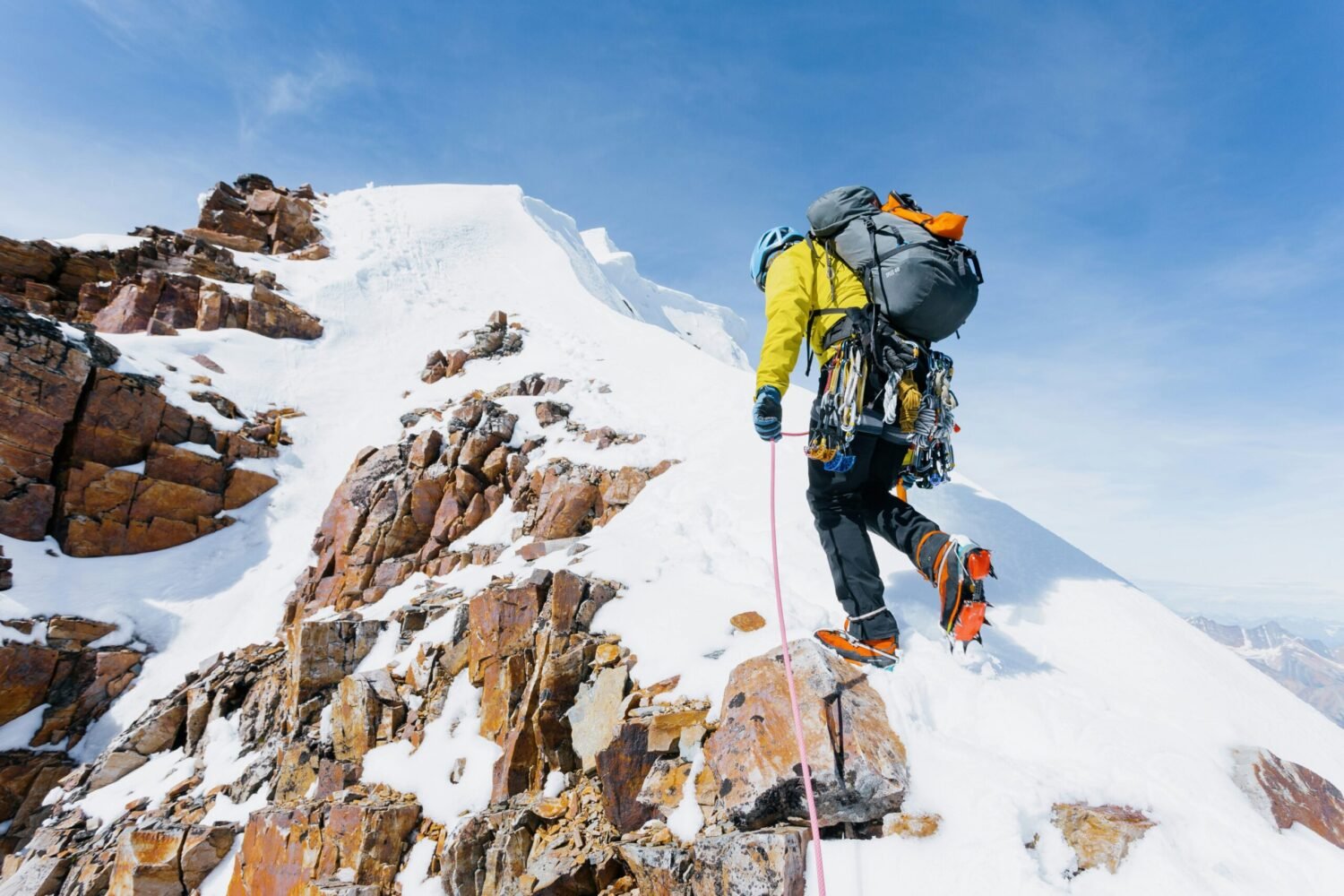
Snowshoeing is one of the most practical and accessible winter activities in Spiti for travelers who want to explore off the main roads but are not experienced enough for serious trekking. Snowshoes distribute your body weight across a larger surface area, allowing you to walk on top of deep snow rather than sinking into it. The terrain around Kaza, around the monastery villages, and along the frozen Spiti River banks is ideal for snowshoeing with a local guide.
Ice climbing takes this a step further — literally scaling frozen waterfalls and icy cliff faces using ice axes and crampons. The frozen waterfall at Lingti is one of the most impressive ice climbing sites in Himachal Pradesh. This activity requires proper instruction and equipment, and should only be attempted with an experienced guide. Several operators in Kaza and Shimla offer guided ice climbing experiences in the winter season at costs ranging from ₹2,500 to ₹5,000 per person for a half-day session including equipment rental.
6. Stargazing from the World’s Darkest Skies
Spiti Valley has almost zero light pollution. In summer, this makes it one of the best stargazing destinations in India. In winter, it becomes something else entirely. The dry, cold winter air at high altitude is exceptionally clear — clearer than almost any other location accessible by road in the country. On a new moon night in January, standing in a field outside Kaza or in the courtyard of a village homestay in Langza, the Milky Way is visible as a thick, dense river of light across the entire sky. Stars that are invisible from anywhere in urban or semi-urban India blaze with extraordinary brightness.
For the best experience, plan your visit around the new moon phase (when the moon is not visible, maximizing darkness), get as far from Kaza as possible to reduce even the minimal light pollution of the town, and bring a tripod if you have a camera capable of long-exposure photography. The combination of frozen foreground — snow-covered monasteries, ice-capped peaks, frozen rivers — and the night sky above is one of the most visually spectacular scenes in India.
7. Experience the Losar Festival — Tibetan New Year in Spiti
Losar, the Tibetan New Year, is the single most culturally significant event in the Spiti Valley calendar. Celebrated in January or February depending on the Tibetan lunar calendar, Losar transforms the usually quiet winter villages into centers of music, ceremony, color, and community. Monasteries come alive with mask dances (Cham), ritual butter sculptures, incense and prayer flag processions, and the warm collective energy of communities that have been celebrating this festival in these mountains for over a thousand years.
| Winter Festival | Timing | Where Celebrated | What to Expect |
|---|---|---|---|
| Losar (Tibetan New Year) | Jan–Feb (lunar calendar) | Key Monastery, Tabo, Kaza, all villages | Cham mask dances, rituals, communal feasts, prayer flags, bonfires |
| Halda (Spiti’s own new year) | Around same period as Losar | Individual villages | Local version of new year, more intimate village-level celebration |
| Gothsi / Gochi | February | Kaza and surrounding villages | Community gathering, traditional songs, end of the harshest winter period |
| Fagli | Late February / March | Kinnaur and Spiti border areas | Marks end of winter, beginning of spring, masked devil dances |
If you can time your winter visit to coincide with Losar, do it. The festival adds a dimension of warmth, color, and human connection to what can otherwise be a profoundly solitary winter experience. Villages that feel empty and quiet in regular winter weeks become genuinely lively, and the welcome extended to respectful visitors during the celebration is genuine and memorable.
8. Winter Homestay Experience — the Heart of Spiti in Winter
A winter homestay in Spiti is not simply accommodation. It is the defining experience of a winter trip to the valley. Most hotel properties in Kaza and surrounding areas close between November and April. What remains open are the homestays — local family homes that take in a small number of guests, feed them home-cooked Spitian food, and share their daily lives during the most intimate and isolated months of the year.
The bukhari — a traditional cylindrical wood or dung-burning stove — is the center of every Spitian home in winter. The family gathers around it in the evenings. Guests are offered butter tea (po cha), which is an acquired taste but genuinely warming in extreme cold. Thukpa (hearty noodle soup with vegetables or meat) and momos (steamed dumplings) are the staple meals. Conversations happen in whatever combination of Hindi, broken English, and body language works for the group. And outside, visible through the small window, the snow and the mountains and the extraordinary silence of the Himalayan winter night.
9. Photography — Winter Spiti Is a Photographer’s Dream
Spiti Valley is one of the most photographed landscapes in India during summer. In winter it becomes even more dramatic, and significantly less crowded with other photographers. The specific visual conditions of winter — the blue hour before sunrise when the snow glows in deep purple and indigo, the hard golden light of a winter noon striking the snow-covered monastery walls of Key, the long horizontal shadows of late afternoon across the frozen Spiti River — are the kind of light conditions that professional travel photographers actively seek out.
Specific photography highlights include: Key Monastery in fresh snowfall (best accessed very early morning before any vehicle tracks disturb the snow), the prehistoric Buddha statue at Langza with the Himalayan range directly behind it, the ice formations along the Spiti River between Kaza and Tabo, and the night sky over Hikkim — home to the world’s highest post office, where you can send a postcard and photograph the Milky Way on the same evening.
10. Fossil Hunting in Langza Village
Langza is famous among geologists and curious travelers for a remarkable reason: millions of years ago, the entire Spiti Valley was the floor of the ancient Tethys Sea. As the Indian tectonic plate collided with the Eurasian plate and pushed the Himalayas skyward, it brought the seafloor with it. Today, at 4,400 meters above sea level, the fields and hillsides around Langza village are scattered with fossils of marine creatures — ammonites, trilobites, and ancient shells — that lived in a shallow tropical ocean before the mountains existed. In winter, when the ground is mostly snow-covered, fossils are still visible in exposed rock faces and in the shallower snow-free areas near the village. Local children often act as guides to the best fossil sites, and the experience of holding a 400-million-year-old ocean fossil in your hand on a Himalayan plateau is genuinely mind-bending.
How to Reach Spiti Valley in Winter — The Only Route That Works
| Starting Point | Route | Distance to Kaza | Approx. Drive Time | Notes |
|---|---|---|---|---|
| Delhi | Delhi → Shimla → Rampur → Reckong Peo → Nako → Tabo → Kaza | ~700 km | 2 days recommended | Break journey at Rampur or Reckong Peo overnight |
| Shimla | Shimla → Rampur → Kinnaur → Tabo → Kaza | ~450 km | 1.5–2 days | Roads may be icy after Reckong Peo, 4×4 essential |
| Chandigarh | Chandigarh → Shimla → Rampur → Kaza | ~560 km | 2 days | Stay overnight in Shimla or Rampur |
A 4×4 vehicle with snow chains and an experienced winter driver is not optional for a Spiti Valley winter trip — it is an absolute requirement. Do not attempt winter roads in Spiti in a standard hatchback or sedan. Shared jeeps run from Reckong Peo to Kaza even in winter, though frequency drops significantly between December and February. Several tour operators based in Shimla and Kaza run dedicated winter expedition packages with appropriate vehicles, experienced drivers, and local guides.
Winter Spiti Budget — What It Actually Costs
| Expense | Budget Option | Mid-Range Option |
|---|---|---|
| Transport Delhi to Kaza and back | ₹3,500–₹5,000 (shared jeep) | ₹12,000–₹20,000 (private 4×4) |
| Accommodation (per night — homestay) | ₹600–₹1,200 | ₹1,500–₹2,500 |
| Meals (full day) | ₹300–₹500 | ₹600–₹900 |
| Local 4×4 transport within Spiti | ₹800–₹1,500/day (shared) | ₹3,000–₹5,000/day (private) |
| Snow leopard tracking (2–3 days) | ₹4,000–₹6,000 (shared group) | ₹8,000–₹15,000 (private guide) |
| Monastery entry fees | ₹200–₹500 per monastery | Same |
| Trekking / snowshoeing guide | ₹1,000–₹1,500/day | ₹2,000–₹3,000/day |
| Travel insurance (mandatory) | ₹800–₹1,200 (7–10 days) | ₹1,500–₹2,500 (with evacuation cover) |
| Total for 7 days (budget) | ₹15,000–₹22,000 | ₹35,000–₹55,000 |
What to Pack for Spiti Valley in Winter — Complete Checklist
| Category | Items |
|---|---|
| Clothing (Layering System) | Merino wool thermal base layer (top + bottom), mid-layer fleece jacket, heavy down jacket (-30°C rated), waterproof outer shell jacket and pants, 2–3 pairs of thermal socks, insulated waterproof boots, balaclava, warm beanie, neck gaiter, insulated gloves + spare liner gloves |
| Health and Safety | Pulse oximeter (essential for altitude monitoring), Diamox tablets (for AMS — consult doctor before travel), paracetamol, ibuprofen, lip balm (SPF), high-SPF sunscreen, portable power bank (batteries drain fast in cold), first aid kit, rehydration salts |
| Practical Essentials | Sufficient cash (ATMs in Kaza are the only option and frequently empty), offline maps downloaded (no reliable mobile data in most of Spiti), headlamp with spare batteries, UV-protective sunglasses (snow blindness is real), water bottle with insulation sleeve, portable charger |
| Photography | Spare batteries kept warm in inner pockets (cold drains batteries rapidly), tripod for night photography, lens-cleaning cloth, waterproof camera bag or cover |
| Documents | Valid photo ID (passport or Aadhaar), Inner Line Permit (Indians need ILP for restricted areas in Spiti — obtain in Shimla or Reckong Peo), travel insurance documents, emergency contacts |
Final Verdict
Things to do in Spiti Valley in winter add up to something much greater than a list of activities. They add up to a complete rethinking of what travel can mean — what it feels like to be genuinely removed from the ordinary world, to exist for a week in a landscape of such savage beauty and such profound silence that your normal reference points simply stop working.
Tracking snow leopards through frozen Pin Valley, standing alone before the ancient murals of Tabo Monastery, watching the Milky Way arc across a sky darker than you have ever seen, warming your hands around a bukhari stove while a Spitian family serves you butter tea and thukpa — these are experiences that belong to an entirely different category from most travel. They do not require luxury. They require preparation, courage, and the genuine desire to encounter a place on its own terms rather than yours.
Winter Spiti is not for everyone. But for those it is for, there is genuinely nothing else like it in India. Start planning early, respect the environment and the communities, hire local guides, buy comprehensive travel insurance, and go prepared. The frozen frontier is waiting — and it is worth every degree of cold.
Frequently Asked Questions
Is Spiti Valley accessible in winter?
Yes, but only via one route — the Shimla–Kaza road through Kinnaur. The Manali–Kaza route via Kunzum Pass and Rohtang La is completely closed from November to May and cannot be attempted in winter under any circumstances. The Shimla route remains open through most of winter, though heavy snowfall can cause temporary closures of 1 to 3 days at a time. A 4×4 vehicle with snow chains and an experienced local driver is essential for winter travel on this route.
What is the best time to visit Spiti Valley in winter?
February is the best month for most travelers combining adventure and cultural experience. January offers the most dramatic snow conditions and clearest skies for stargazing and photography but comes with the most extreme cold (nights reaching -25°C to -30°C). December is excellent for snow coverage and fewer crowds. March sees the valley slowly emerging from peak winter with somewhat more reliable road conditions while still being heavily snow-covered.
How cold does Spiti Valley get in winter?
Extremely cold. Daytime temperatures in December and January range from -5°C to -10°C in Kaza. At night they regularly drop to -20°C and can reach -30°C in the coldest periods of January. At higher villages like Komic (4,587m) and Hikkim, temperatures are significantly lower than in Kaza. Wind chill makes the felt temperature even more severe. Proper layering with down insulation rated to at least -25°C is not optional.
Can I see snow leopards in Spiti Valley in winter?
Winter is the best and effectively the only realistic season for snow leopard sightings in Spiti. During winter, snow leopards follow their primary prey (bharal or blue sheep) to lower altitudes, making them more visible. Pin Valley National Park and the area around Kibber village are the best locations. Book a multi-day tracking excursion with experienced local wildlife guides for the best chance — though sightings are never guaranteed with this elusive animal.
Do I need a permit to visit Spiti Valley?
Indian citizens need an Inner Line Permit (ILP) to access certain restricted areas in Spiti Valley. The ILP can be obtained at the Sub-Divisional Magistrate offices in Shimla or Reckong Peo, and some tour operators assist with the process. Foreign nationals require a Protected Area Permit (PAP) obtained through registered tour operators. Always carry multiple photocopies of your ID and permits as there are several checkpoints along the Spiti route.
Are homestays available in Spiti Valley in winter?
Yes — homestays are actually the primary accommodation option in Spiti in winter, as most hotels and guesthouses close between November and April. Several local families in Kaza, Kibber, Langza, Hikkim, and Tabo keep their homestays open through winter, offering heated rooms (usually with a bukhari stove), home-cooked meals, and the most authentic experience of daily life in the valley during its most intense season. Booking in advance is strongly recommended as available rooms are limited.
Is Spiti Valley safe in winter?
Spiti in winter carries genuine risks that must be taken seriously — altitude sickness, extreme cold, road closures, limited medical facilities, and no mobile connectivity in most of the valley. However, with proper preparation, experienced local guides, appropriate clothing and gear, travel insurance covering helicopter evacuation, and a realistic understanding of the conditions, winter Spiti is manageable and safe for physically fit and well-prepared travelers. Solo travel in deep winter is not recommended for first-time visitors to the valley.
What food is available in Spiti Valley in winter?
Food options in winter Spiti are simple, hearty, and genuinely delicious in the context of the environment. Thukpa (noodle soup with vegetables or meat), momos (steamed dumplings), dal bhat, tsampa (roasted barley flour), local barley dishes, and Tibetan butter tea are staples at homestays and the few dhabas that remain open in Kaza. The Shahi Thali at Komic village is locally famous. Do not go to winter Spiti expecting restaurant variety — go expecting honest, warming, home-cooked mountain food that tastes extraordinary after a day in -15°C.