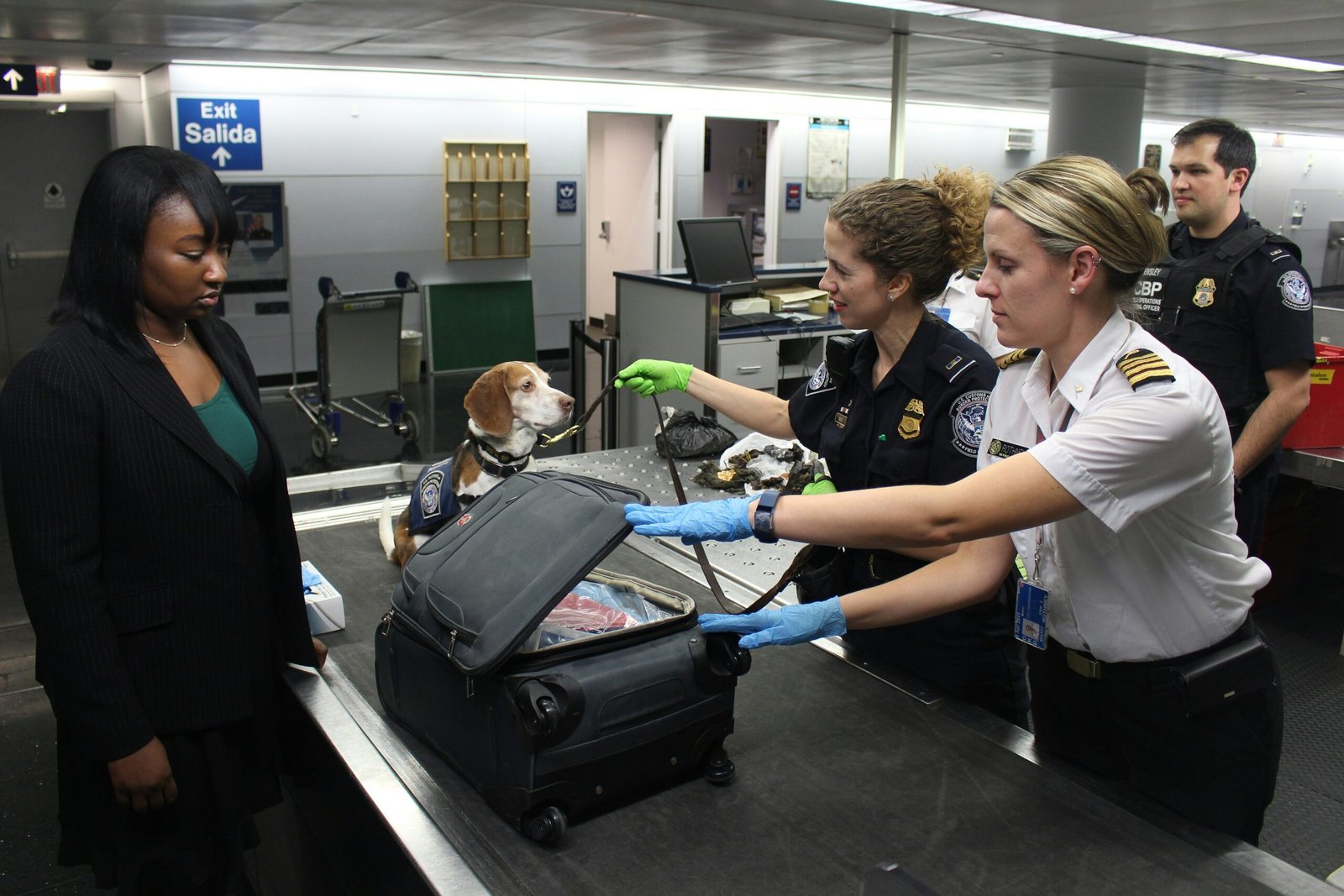
US airport REAL ID requirements 2026 have changed significantly enough that every American traveler — and every international visitor who uses a US domestic connection — needs to understand exactly what identification is accepted at TSA checkpoints before their next flight. The REAL ID Act has been federal law since 2005, but years of delays in enforcement meant that most travelers simply ignored it. That changed on May 7, 2025, when enforcement finally began at US airports nationwide. And in 2026, a new development has added a further layer of complexity: a $45 identity verification option for travelers who arrive at airport security without compliant ID.
The consequences of getting this wrong are real and immediate. Travelers who present a non-compliant driver’s license at TSA without an alternative accepted document face additional identity verification procedures, longer waits at security, and in the worst case, denial of access to the checkpoint entirely. This is not a theoretical risk — TSA officers have been turning away travelers with non-compliant IDs since enforcement began, and the number of affected travelers increases each month as more people discover that the license they have been using for years no longer meets federal security standards.
The good news is that understanding and solving the REAL ID issue is straightforward once you know what to look for, what documents are accepted as alternatives, and what the new 2026 TSA ConfirmID fee option actually involves. This complete guide covers everything you need to know about US airport REAL ID requirements in 2026 — from how to check whether your current ID is compliant, to the full list of accepted alternative documents, to the state-by-state situation, to exactly what happens if you show up at airport security with the wrong identification.
REAL ID Requirements 2026: Quick Reference
| Question | Answer |
|---|---|
| Is REAL ID required for domestic flights? | Yes — enforcement began May 7, 2025 |
| How do I identify a REAL ID? | A star symbol in the top corner of your license |
| Can I fly without a REAL ID? | Yes — with a passport or other TSA-accepted ID |
| New 2026 option for non-compliant travelers | $45 TSA ConfirmID fee (not guaranteed) |
| Does REAL ID work for international flights? | No — passport required for all international travel |
| Do children need REAL ID? | No — travelers under 18 do not need ID for domestic flights |
What Is REAL ID and Why Does It Matter?
REAL ID is a federal standard for state-issued driver’s licenses and identification cards. It was created by the REAL ID Act of 2005, passed by Congress in the wake of the September 11 Commission’s recommendations for stronger national identity verification standards. The Commission had identified the relative ease with which the 9/11 hijackers obtained valid US state IDs as a security vulnerability, and the REAL ID Act was designed to address this by requiring all states to meet minimum federal standards when issuing driver’s licenses and IDs.
The core requirement is that REAL ID-compliant licenses can only be issued when the applicant presents verifiable documentation of their identity, date of birth, Social Security number, principal address, and lawful status in the United States. States must verify these documents against source records — meaning your birth certificate is checked against the issuing authority’s records, your Social Security number is verified with the SSA, and so on. This makes REAL ID cards significantly harder to obtain fraudulently than traditional state licenses, which in some states could be obtained with minimal documentation.
For travelers, the practical significance of REAL ID is straightforward: a standard state driver’s license that does not meet federal REAL ID standards is no longer accepted as identification for boarding domestic flights in the United States. If your license does not have the required star symbol, you need either a REAL ID-compliant license, a US passport, or another document from the TSA’s accepted ID list to pass through airport security.
The enforcement of this rule was delayed multiple times between 2005 and 2025 — originally due to states’ difficulties implementing the required verification systems, then due to COVID-19 — but since May 7, 2025, enforcement has been active and is not expected to be delayed again.
How to Tell If Your Driver’s License Is REAL ID Compliant
The fastest way to check whether your current driver’s license meets REAL ID standards is to look at the top corner of the card. REAL ID-compliant licenses display one of the following indicators:
- A gold or black star in the upper right or upper left corner — this is the most common indicator across most states
- A bear with a star in some California licenses
- A flag and star combination on enhanced driver’s licenses in some states
- The word “Enhanced” on enhanced driver’s licenses issued by states including Michigan, Minnesota, New York, Vermont, and Washington
If your license has none of these indicators — if it is a plain state driver’s license without any star, flag, or enhanced marking — it is almost certainly not REAL ID compliant and will not be accepted at TSA checkpoints as a standalone form of identification for boarding domestic flights.
It is also worth noting that an older REAL ID-compliant license that has expired may still be accepted at TSA checkpoints in limited circumstances. TSA policy allows officers to accept licenses expired within the past two years, though this is at the officer’s discretion and is not guaranteed. An expired REAL ID is not a reliable long-term solution — renewing your license should be the priority.
If you are genuinely uncertain about your license’s compliance status, your state’s Department of Motor Vehicles (DMV) can confirm this directly. Many state DMV websites also have an online tool where you can enter your license information and receive an immediate compliance status check.
How to Get a REAL ID in 2026
Getting a REAL ID-compliant driver’s license or state ID requires visiting your state’s DMV in person — this cannot be done online because the DMV must physically verify your original documents. The process is straightforward but requires gathering the right paperwork before your appointment.
Documents typically required for REAL ID application:
- Proof of identity — an original or certified copy of your birth certificate, US passport, or permanent resident card. Photocopies are not accepted.
- Proof of Social Security number — your Social Security card, a W-2 form, a pay stub with your full SSN printed, or a Social Security Administration benefit letter
- Proof of principal residence — two separate documents showing your current address, such as a utility bill, bank statement, mortgage statement, or lease agreement. Both must be dated within 12 months.
- Proof of lawful status — for US citizens this is covered by the birth certificate or passport. For non-citizens, appropriate immigration documentation is required.
Wait times at DMV offices for REAL ID appointments vary significantly by state and location. In major metropolitan areas, appointments can sometimes be scheduled weeks in advance. If you need a REAL ID before an upcoming trip, check your state DMV’s appointment availability as early as possible — and consider visiting a less-busy DMV office in a suburban or rural location if your nearest office has long waits.
The cost of upgrading to a REAL ID-compliant license varies by state but is generally equivalent to a standard license renewal fee — typically between $20 and $50 depending on the state. Some states issue the REAL ID card immediately during the DMV visit; others mail the card within 7 to 14 days and provide a temporary document for interim use.
Complete List of IDs Accepted at US Airports in 2026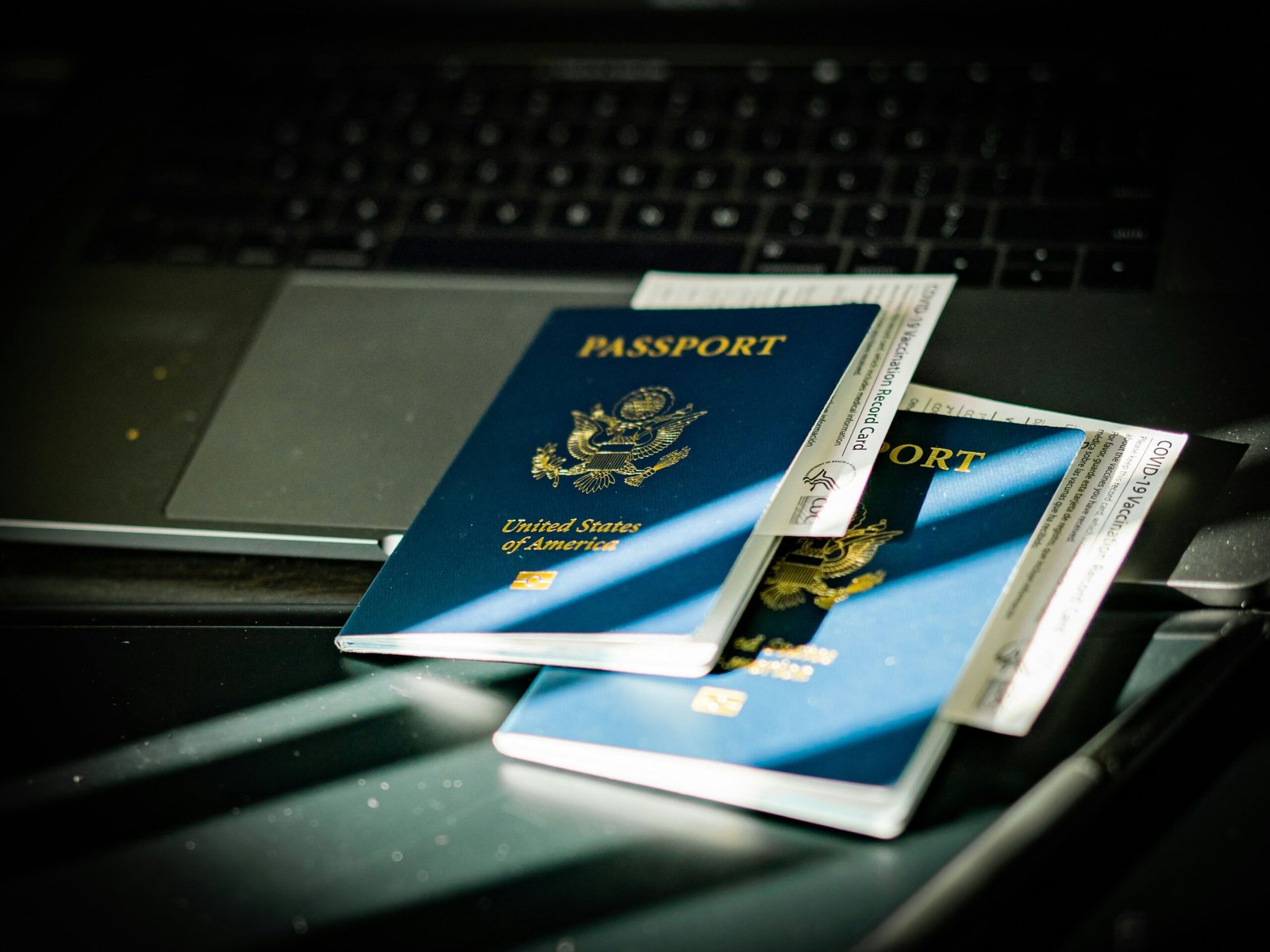
A REAL ID-compliant driver’s license is the most common form of acceptable ID at US airport security, but it is not the only option. The TSA accepts a wide range of identity documents that may already be in your possession, making a REAL ID license unnecessary for many travelers who routinely carry a passport.
| Accepted Document | Notes |
|---|---|
| US passport (book) | Accepted for both domestic and international flights |
| US passport card | Accepted domestically and for some land/sea border crossings |
| REAL ID-compliant driver’s license | Must display star symbol — domestic flights only |
| Enhanced driver’s license (EDL) | Issued by MI, MN, NY, VT, WA — accepted at airports |
| US military ID (active duty, dependents, retirees) | All military IDs accepted |
| Permanent Resident Card (Green Card) | Accepted for domestic flights |
| DHS Trusted Traveler Card (Global Entry, NEXUS, SENTRI) | Accepted at TSA checkpoints |
| Border Crossing Card | Accepted for domestic flights |
| Employment Authorization Document (EAD) | Accepted at TSA checkpoints |
| Foreign government-issued passport | Accepted for domestic flights by non-US citizens |
| Tribal identification card | Federally recognized tribe IDs accepted |
| Veteran Health Identification Card (VHIC) | Accepted at TSA checkpoints |
If you are a frequent domestic traveler and already carry your US passport in your wallet or travel bag, the REAL ID requirement is essentially irrelevant to your travel experience — your passport already satisfies the identification requirement for every domestic flight. The REAL ID issue primarily affects travelers who rely exclusively on their state driver’s license and do not routinely carry a passport.
The New 2026 Change: TSA ConfirmID and the $45 Fee
Starting February 1, 2026, TSA introduced a new identity verification option called TSA ConfirmID, designed for travelers who arrive at airport security without a REAL ID-compliant license or other accepted document. This option allows travelers to undergo an identity verification process at the checkpoint in exchange for a $45 fee, but it is important to understand exactly what this involves and what it does not guarantee.
How TSA ConfirmID works:
- A traveler without acceptable ID requests the ConfirmID process at the TSA checkpoint
- The traveler completes an identity verification questionnaire with personal information
- TSA officers verify the information against available databases
- The traveler pays the $45 fee by card or digital payment
- If verification is successful, the traveler proceeds to additional screening — which typically takes longer than standard screening
- The verification approval is valid for up to 10 days of travel from the date of issuance
Critical limitations of TSA ConfirmID that every traveler must understand:
- Approval is not guaranteed. TSA ConfirmID is a verification option, not a guaranteed pass. If the identity verification process cannot confirm your identity, you will be denied access to the checkpoint and will miss your flight. The $45 fee is non-refundable in this case.
- Additional screening is required. Even successful ConfirmID verification requires additional security screening beyond the standard process. Allow significantly more time at the airport if you plan to use this option.
- TSA PreCheck benefits do not apply. Travelers using TSA ConfirmID lose their TSA PreCheck benefits for that screening — even if you have PreCheck, a non-compliant ID means going through standard screening with additional verification steps.
- It is an emergency option, not a routine solution. TSA ConfirmID is clearly intended as a one-time solution for travelers caught by the REAL ID enforcement unexpectedly — not as a substitute for obtaining a compliant ID. The $45 fee and additional screening time make it an expensive and stressful alternative to simply having the right identification.
The clear message from TSA about ConfirmID is: use it if you are genuinely caught without acceptable ID unexpectedly, but do not plan to use it routinely as a substitute for a REAL ID or passport. The better solution is always to carry an accepted document in the first place.
What Happens at Airport Security If You Have the Wrong ID
Understanding exactly what happens if you arrive at a TSA checkpoint with a non-compliant driver’s license and no alternative accepted document is important for any traveler who has not yet updated their ID — because the consequences are more significant than simply being asked to use a different line.
When a TSA officer identifies a non-compliant ID, the traveler is directed to a separate area of the checkpoint for identity verification. This involves answering security questions from the officer, potentially answering biographical questions from a database check, and waiting while the verification is processed. This process can take anywhere from 15 minutes to over an hour depending on the airport, the time of day, and how quickly the verification can be completed.
If the traveler opts for TSA ConfirmID, the $45 fee is processed and the additional screening proceeds. If the traveler does not have the fee or declines the ConfirmID process, and cannot produce an alternative accepted document, TSA officers have the authority to deny access to the security checkpoint entirely.
In all cases, the additional time required for identity verification creates a real risk of missing your flight. TSA does not provide compensation or assistance for flights missed due to ID issues — this is entirely the traveler’s responsibility. If you are in any doubt about your ID compliance status, arriving extra early or simply carrying your passport is far safer than risking the checkpoint process.
REAL ID and TSA PreCheck: What You Need to Know
TSA PreCheck is a popular expedited security screening program that allows enrolled travelers to pass through dedicated fast lanes with reduced screening requirements — shoes stay on, laptops stay in bags, liquids stay in carry-ons. The program is popular with frequent travelers and represents a significant time saving at busy airports.
There is an important interaction between REAL ID and TSA PreCheck that many enrolled travelers are not aware of: having TSA PreCheck does not exempt you from the REAL ID identification requirement. Even with a valid PreCheck membership and the TSA PreCheck indicator on your boarding pass, you must still present an accepted form of identification at the checkpoint. A non-compliant driver’s license presented at a PreCheck lane will result in the same additional verification process as at a standard lane — and will result in loss of your PreCheck benefits for that screening.
The good news is that enrolling in TSA PreCheck, Global Entry, or NEXUS produces a Known Traveler Number (KTN) and associated documentation that is accepted as an alternative form of identification at TSA checkpoints. If you are enrolled in any of these DHS Trusted Traveler programs, your program card is on the TSA’s accepted ID list and serves as an alternative to a REAL ID-compliant license.
State-by-State REAL ID Compliance Status in 2026
All 50 US states and the District of Columbia are now issuing REAL ID-compliant licenses and IDs. However, because the REAL ID standard was phased in over many years, many licenses currently held by Americans were issued before the state’s REAL ID system was fully operational, and those older licenses may not be compliant even if the state has since upgraded its issuance system.
This is the key reason why so many Americans have discovered in the post-May-2025 enforcement period that their license is not REAL ID compliant — not because their state refused to implement REAL ID, but because their existing license predates the state’s compliance upgrade and has not yet been renewed under the new standards.
The practical implication is straightforward: if your license was last renewed more than a few years ago, and you have not specifically gone through the REAL ID documentation process at your DMV, there is a meaningful chance your current license is not compliant. The star symbol check is the quickest way to verify — but if your license is due for renewal anyway, renewing as a REAL ID is the simplest comprehensive solution.
REAL ID for Federal Buildings and Other Facilities
While the airport application of REAL ID is the most widely discussed, the law also affects access to certain other federal facilities. REAL ID-compliant or equivalent identification is now required for access to federal government buildings that require ID verification, nuclear power plants, and military bases where civilian access is controlled by ID check.
For most travelers and ordinary Americans, the airport application of REAL ID is the only context in which this requirement is practically relevant. Federal building visits, military base access, and nuclear facility visits are not typical parts of daily life. The airport checkpoint is where the overwhelming majority of Americans will first encounter the real-world consequences of REAL ID enforcement.
Frequently Asked Questions About US Airport REAL ID Requirements 2026
Can I fly domestically with a passport instead of a REAL ID?
Yes, absolutely. A US passport is one of the most widely accepted forms of identification at TSA checkpoints and is explicitly listed as an accepted alternative to a REAL ID-compliant license. If you have a current US passport and prefer not to get a REAL ID, simply bringing your passport to the airport is a completely valid solution for all domestic flights.
Does a REAL ID work for international flights?
No. A REAL ID-compliant driver’s license or state ID is valid only for domestic US flights and certain other federal security purposes. For all international flights departing from or arriving in the United States, a valid US passport is required. REAL ID is not a passport substitute for international travel under any circumstances.
Do children need a REAL ID for domestic flights?
No. TSA does not require identification for passengers under 18 years of age on domestic flights. Children traveling with an adult on domestic flights can pass through TSA checkpoints without any identification document. The identification requirement applies only to adult travelers aged 18 and over.
Can TSA accept an expired driver’s license?
TSA policy allows officers to accept driver’s licenses that expired within the past two years, at the officer’s discretion. This is a temporary provision and is not guaranteed — individual officers can decline an expired license. An expired REAL ID license is better than a valid non-compliant license, but renewing your license is always the recommended approach.
Is REAL ID required for trains, buses, or other transportation?
No. REAL ID requirements apply only to access to federal facilities including airport security checkpoints, certain federal government buildings, nuclear power plants, and military bases requiring ID. There is no REAL ID requirement for Amtrak trains, intercity buses, ferries, or other non-federal transportation modes.
What should I do if my state has a long DMV wait for REAL ID?
If DMV appointment availability is a challenge in your area, the simplest immediate solution is to use your US passport for domestic flights while you wait for your REAL ID appointment. If you do not have a current passport, applying for one — while simultaneously scheduling a DMV appointment — gives you two valid identification paths for upcoming travel. US passport card applications ($30 for first-time applicants, plus photo fee) provide a smaller, wallet-friendly alternative to the full passport book that is accepted at all US domestic airport checkpoints.
Final Verdict: What Every Traveler Should Do Before Their Next Flight
US airport REAL ID requirements in 2026 are fully enforced and are not going away. The question for every American traveler is simple: do you currently have an accepted form of identification for domestic air travel, or do you need to take action before your next flight?
The answer requires checking three things. First, look at your driver’s license right now — does it have a star symbol in the top corner? If yes, you are covered. If no, move to step two. Second, do you have a current US passport? If yes, bring it to the airport and you are covered. If no, move to step three. Third, either renew your license as a REAL ID at your state DMV (bringing the required documents), apply for a US passport, or apply for a US passport card as a compact alternative.
The $45 TSA ConfirmID option exists for genuine emergencies — the traveler who discovers at the airport that their license is non-compliant for the first time. It is not a substitute for having proper identification and should not factor into your planning as a routine solution.
Take two minutes right now to check your driver’s license for the star symbol. That small action — or the DMV appointment it prompts you to make — could save you a missed flight, a $45 fee, and a stressful morning at airport security on your next trip.