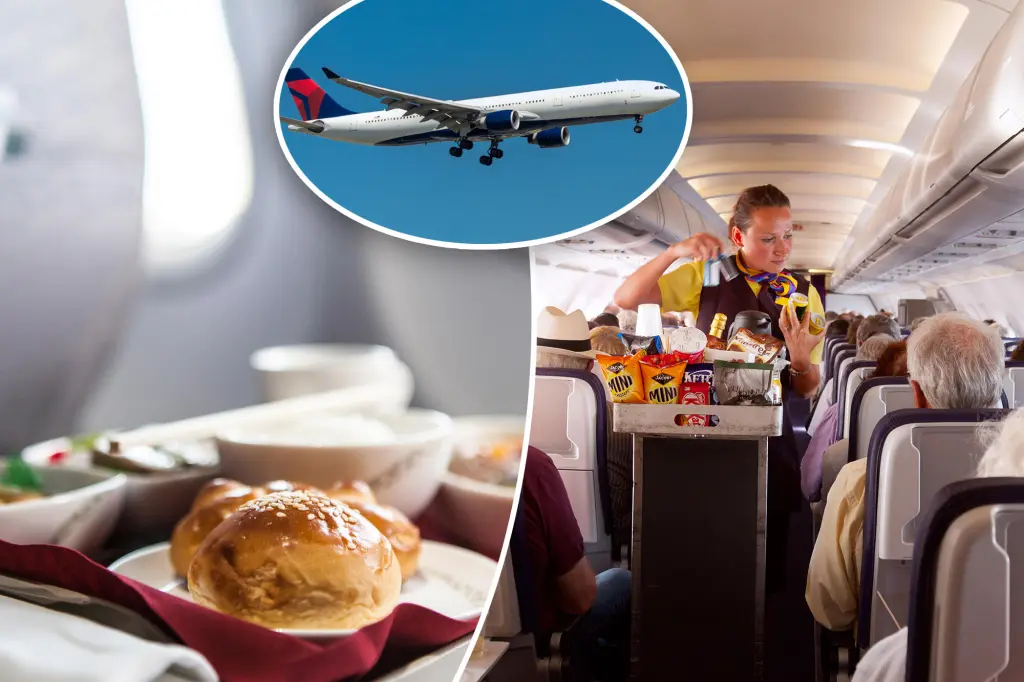
Ever wondered why airline food tastes bad, even when it looks fine on the tray? You’re not imagining it. Airline food really does taste different—and there are real, scientific reasons behind it.
This guide breaks down why airline food tastes bad, using simple language and insider facts from aviation and travel experts. Once you understand what happens at 35,000 feet, airline meals will finally make sense.
Your Taste Buds Don’t Work the Same in the Air
The biggest reason why airline food tastes bad has nothing to do with the airline.
At cruising altitude:
-
Cabin pressure is lower
-
Air is extremely dry
-
Your nose and taste buds become less sensitive
Studies show you lose up to 30% of your ability to taste sweet and salty flavors while flying. That alone explains why airline food tastes bad compared to the same meal on the ground.
Also Read:-
- Why Airline Food Tastes Bad (The Real Reasons Airlines Don’t Tell You)
- Foods That Cause Stomach Pain on Flights Most Travelers Regret Eating
- What Foods Not to Eat Before Flying (Avoid These Every Time)
- Can Airline Food Make You Sick?
- Worst Foods to Eat on a Long Flight You’ll Feel Almost Immediately
- Why Food Tastes Different on Planes (The Real Reason It Feels Bland)
- Foods That Cause Bloating While Flying
- Is Airplane Food Safe to Eat?
Dry Cabin Air Kills Flavor
Airplane cabins have humidity levels similar to deserts.
This dry air:
-
Dulls your sense of smell
-
Makes food taste bland
-
Reduces flavor perception
Since smell controls most of taste, this is a major reason why airline food tastes bad, even if the recipe is decent.
Airline Food Is Cooked Hours (or Days) Earlier
Another big reason why airline food tastes bad is how it’s prepared.
Most airline meals are:
-
Cooked on the ground
-
Chilled rapidly
-
Stored cold
-
Reheated mid-flight
This process destroys texture and flavor. Fresh food doesn’t survive reheating at altitude, which is why airline meals often taste flat or rubbery.
Salt and Sugar Are Used Differently
Airlines already know why airline food tastes bad, so they try to compensate.
To fight flavor loss, airline food is:
-
Higher in salt
-
Higher in sugar
-
Heavily seasoned
But even extra seasoning can’t fully fix why airline food tastes bad in dry, pressurized cabins. Sometimes this over-seasoning actually makes meals worse.
Your Brain Is Tired Before You Eat
Travel stress plays a role in why airline food tastes bad.
Before you even open the tray, you’ve likely:
-
Dealt with airport lines
-
Security checks
-
Boarding stress
-
Tight seating
Stress reduces appetite and enjoyment, making airline food feel worse than it really is. This mental factor adds to why airline food tastes bad for many passengers.
Noise Changes How Food Tastes
Yes, cabin noise matters.
Research shows loud background noise:
-
Reduces sweetness perception
-
Increases bitterness
The constant engine noise during flights changes how your brain processes flavor, adding yet another layer to why airline food tastes bad.
Economy Class Gets the Short End
Class matters when discussing why airline food tastes bad.
In economy class:
-
Meals are mass-produced
-
Ingredients are cheaper
-
Presentation is basic
Premium cabins often get better ingredients and plating, which explains why some travelers say airline food is “good” while others complain.
Limited Cooking Options on Planes
Airplanes don’t have real kitchens.
They rely on:
-
Steam ovens
-
Reheating trays
-
Strict safety rules
No frying, no grilling, no fresh cooking. This limitation is a core reason why airline food tastes bad compared to restaurant meals.
Why Some Airline Food Actually Tastes Okay
Not all airline meals are terrible.
Foods that survive altitude best include:
-
Tomato-based dishes
-
Spicy meals
-
Umami-rich foods
-
Pasta and stews
Airlines design menus around these items because they fight why airline food tastes bad better than delicate flavors.
How to Make Airline Food Taste Better
You can’t change altitude, but you can improve the experience.
Simple tips:
-
Choose spicy or savory meals
-
Avoid sweet desserts
-
Drink water before eating
-
Use your own snacks
These small tricks help reduce why airline food tastes bad during long flights.
Final Thoughts
So, why airline food tastes bad isn’t a mystery anymore. It’s a mix of altitude, dry air, reheating, noise, stress, and limited cooking options—not just bad recipes.
Next time you fly, remember this: the food isn’t failing you—your environment is. And with the right choices, airline meals don’t have to be completely terrible.
Also Read:-
- Why Airline Food Tastes Bad (The Real Reasons Airlines Don’t Tell You)
- Foods That Cause Stomach Pain on Flights Most Travelers Regret Eating
- What Foods Not to Eat Before Flying (Avoid These Every Time)
- Can Airline Food Make You Sick?
- Worst Foods to Eat on a Long Flight You’ll Feel Almost Immediately
- Why Food Tastes Different on Planes (The Real Reason It Feels Bland)
- Foods That Cause Bloating While Flying
- Is Airplane Food Safe to Eat?