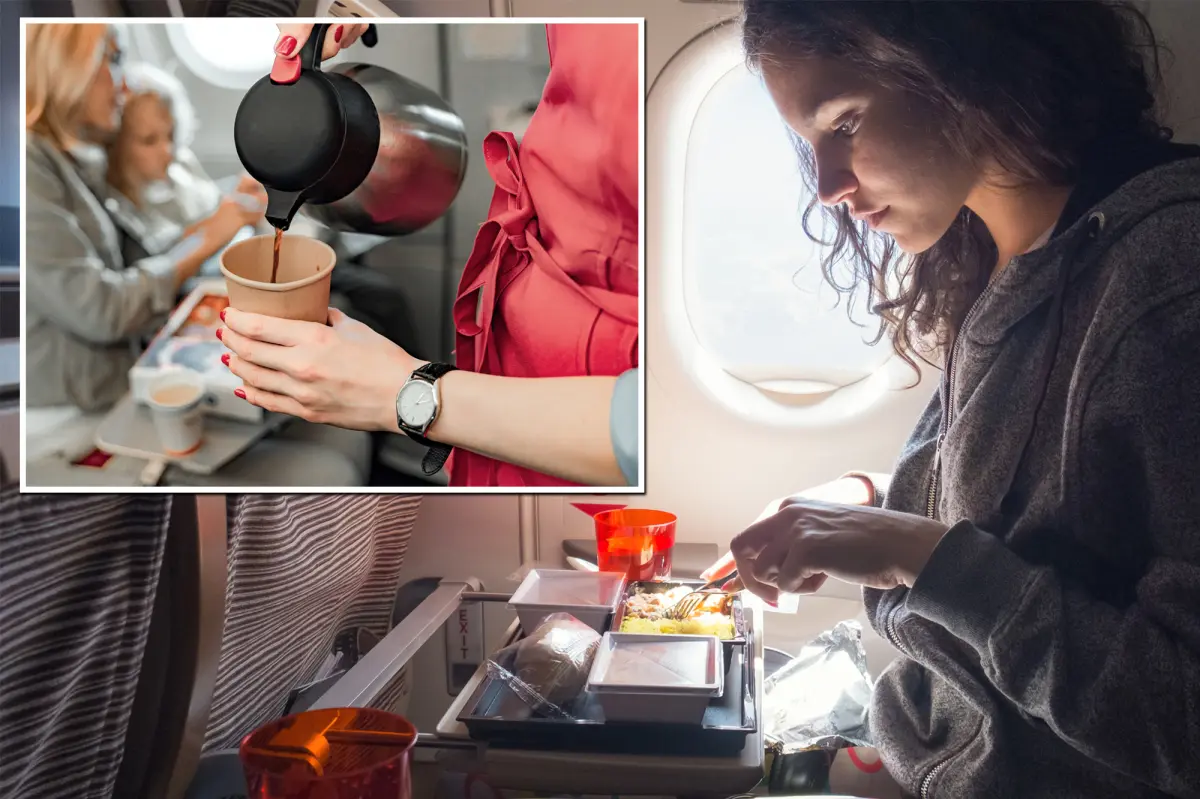
Ever wondered why food tastes different on planes, even when it’s something you normally enjoy? You’re not imagining it. Food really does taste different once you’re in the air—and there are clear, science-backed reasons behind it.
This isn’t about bad cooking or cheap ingredients. The way your body works at altitude completely changes how you experience flavor. Once you understand why food tastes different on planes, airline meals suddenly make a lot more sense.
Your Taste Buds Lose Power at Altitude
The biggest reason why food tastes different on planes is your own body.
At cruising altitude:
-
Cabin pressure is lower than on the ground
-
Oxygen levels drop slightly
-
Your sense of taste becomes weaker
Studies show that passengers can lose up to 30% of their ability to taste sweet and salty flavors while flying. This alone explains a huge part of why food tastes different on planes.
Also Read:-
- Why Airline Food Tastes Bad (The Real Reasons Airlines Don’t Tell You)
- Foods That Cause Stomach Pain on Flights Most Travelers Regret Eating
- What Foods Not to Eat Before Flying (Avoid These Every Time)
- Can Airline Food Make You Sick?
- Worst Foods to Eat on a Long Flight You’ll Feel Almost Immediately
Dry Cabin Air Dulls Flavor
Another major reason why food tastes different on planes is the extremely dry air inside the cabin.
Airplane cabins have humidity levels similar to deserts. This dryness:
-
Dries out your nose
-
Reduces your sense of smell
-
Makes food seem bland
Since smell controls most of taste, this is a key reason why food tastes different on planes even when the meal looks fine.
Smell Matters More Than You Think
Up to 80% of what you taste actually comes from smell.
When your nose is dry or slightly congested during a flight:
-
Aromas don’t reach your brain properly
-
Flavors feel muted
-
Food loses complexity
This sensory change is a major factor in why food tastes different on planes, especially for subtle flavors.
Cabin Noise Changes How Food Tastes
Surprisingly, sound plays a role in why food tastes different on planes.
Constant engine noise:
-
Reduces sweetness perception
-
Increases bitterness
-
Alters how your brain processes flavor
That background noise at 35,000 feet quietly changes how your brain experiences food.
Airline Food Is Reheated, Not Fresh
Another reason why food tastes different on planes is how meals are prepared.
Most airline food is:
-
Cooked hours or days earlier
-
Chilled for safety
-
Reheated in onboard ovens
Reheating affects texture and flavor. Freshly cooked meals simply don’t survive this process, adding to why food tastes different on planes.
Salt and Sugar Are Used Differently
Airlines already know why food tastes different on planes, so they adjust recipes.
Airline meals often contain:
-
More salt
-
More sugar
-
Stronger seasoning
Even with these adjustments, flavors still taste weaker in the air, which is why food can seem oddly seasoned yet bland at the same time.
Stress and Fatigue Affect Taste
Travel stress plays a quiet role in why food tastes different on planes.
Before eating, you’ve likely dealt with:
-
Airport crowds
-
Security checks
-
Boarding stress
-
Tight seating
Stress reduces appetite and enjoyment, making food feel less satisfying than it would on the ground.
Why Some Foods Taste Better Than Others
Not all foods suffer equally, which helps explain why food tastes different on planes.
Foods that perform better at altitude include:
-
Tomato-based dishes
-
Spicy meals
-
Umami-rich foods
-
Stews and pasta
These flavors cut through sensory loss better than mild or delicate dishes.
Why Wine and Coffee Taste Worse in the Air
Many people notice why food tastes different on planes most clearly with drinks.
Wine may taste flatter or more acidic, and coffee often tastes bitter. That’s because altitude and dry air exaggerate bitterness and dull sweetness.
Can You Make Food Taste Better on a Plane?
You can’t change altitude, but you can work with why food tastes different on planes.
Simple tips:
-
Choose savory or spicy meals
-
Drink water before eating
-
Avoid overly sweet foods
-
Add seasoning if available
These small choices improve how food tastes during flights.
Final Thoughts
So, why food tastes different on planes isn’t a mystery or a myth. It’s a mix of altitude, dry air, reduced smell, noise, reheating, and travel stress—all working against your taste buds.
The food isn’t always bad. Your environment is. Once you understand why food tastes different on planes, you can choose smarter meals and enjoy flying a little more.
Also Read:-
- Why Airline Food Tastes Bad (The Real Reasons Airlines Don’t Tell You)
- Foods That Cause Stomach Pain on Flights Most Travelers Regret Eating
- What Foods Not to Eat Before Flying (Avoid These Every Time)
- Can Airline Food Make You Sick?
- Worst Foods to Eat on a Long Flight You’ll Feel Almost Immediately