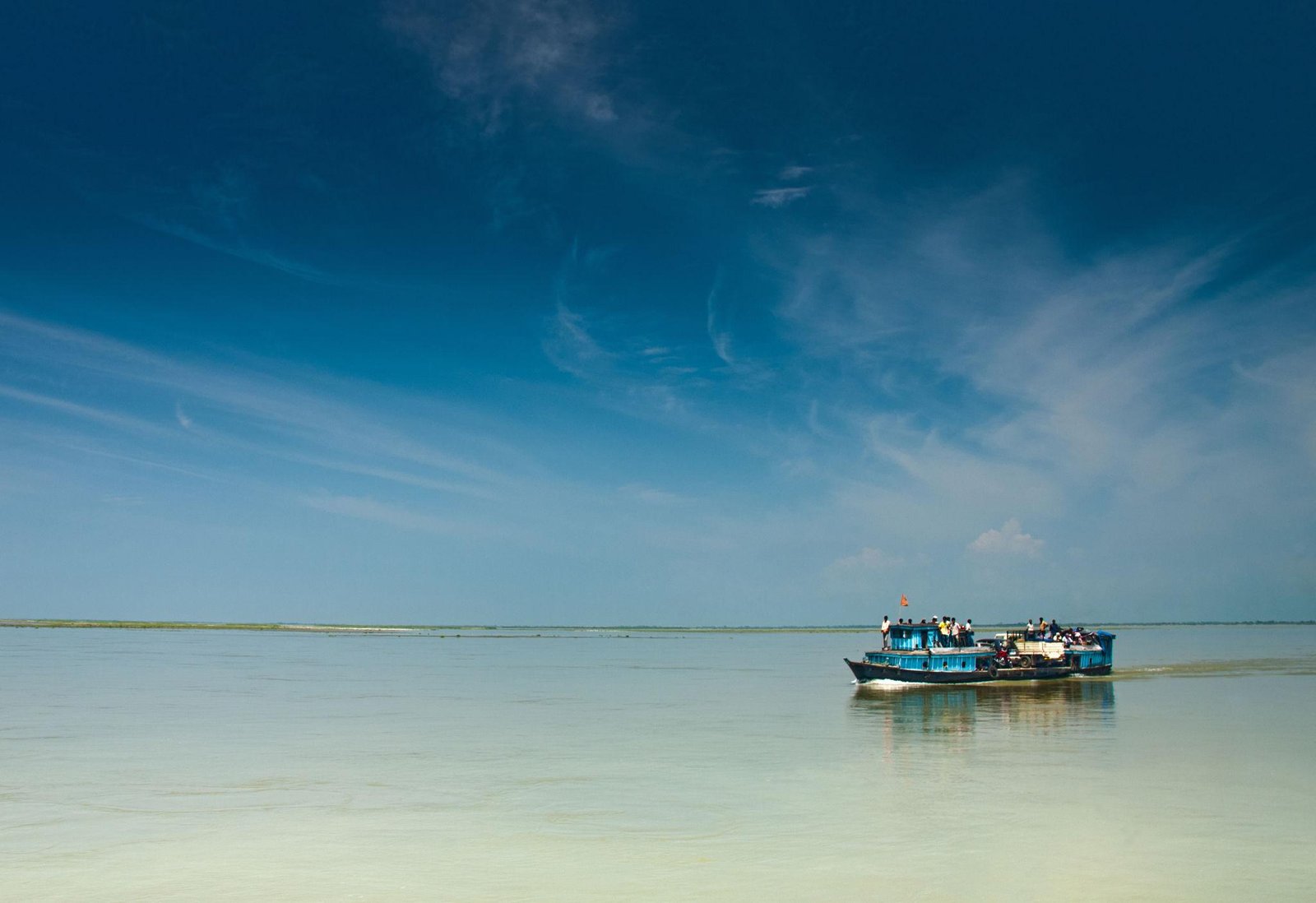
Why Jorhat Is India’s Most Underrated Hidden Gem in 2026 might sound like a bold claim, but travelers who take the time to explore this quiet Assamese city often leave with the same conclusion: Jorhat offers one of the most authentic travel experiences in India.
When people plan a trip to Assam, they usually focus on the famous wildlife of Kaziranga National Park or the spiritual culture of Majuli Island. Jorhat often appears on the itinerary only as a brief transit point — a town where travelers spend a night before catching a ferry or moving on to another destination.
That’s a mistake.
This peaceful city in Upper Assam sits at the heart of one of the world’s largest tea regions and serves as the cultural gateway to Majuli, the largest inhabited river island on Earth. Beyond that, it also offers colonial heritage, traditional Assamese cuisine, monasteries practicing centuries-old traditions, and landscapes that feel untouched by mass tourism.
For travelers searching for a quieter side of India in 2026, Jorhat may be one of the country’s most surprising discoveries.
Quick Verdict: Is Jorhat Worth Visiting?
| Category | Verdict |
|---|---|
| Tourist crowds | Very low |
| Cultural experiences | Excellent |
| Nature and landscapes | Beautiful |
| Accessibility | Moderate |
| Overall value | Highly underrated |
For travelers who enjoy culture, nature, and slow travel, Jorhat delivers an experience that feels both genuine and memorable.
Where Is Jorhat Located?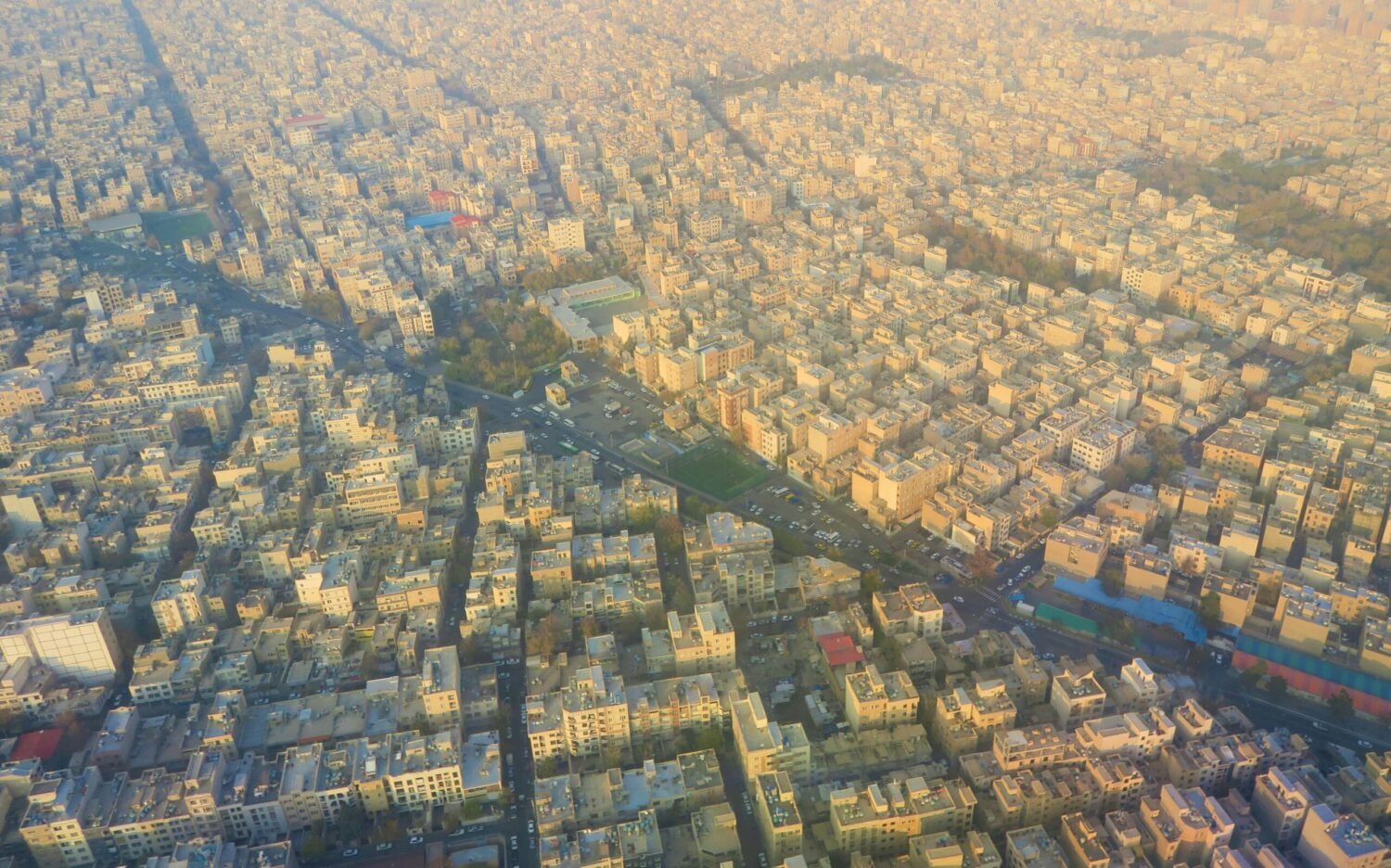
Jorhat is located in the northeastern Indian state of Assam, about 300 km east of Guwahati. The city sits near the southern bank of the Brahmaputra River and is surrounded by tea gardens, rural villages, and cultural landmarks.
Jorhat has long been considered the cultural capital of Upper Assam. It played an important role during the Ahom dynasty and later during the British colonial period when the tea industry expanded across the region.
Today, the city serves as an important gateway for travelers heading toward Majuli Island and several other destinations in Northeast India.
Gateway to Majuli Island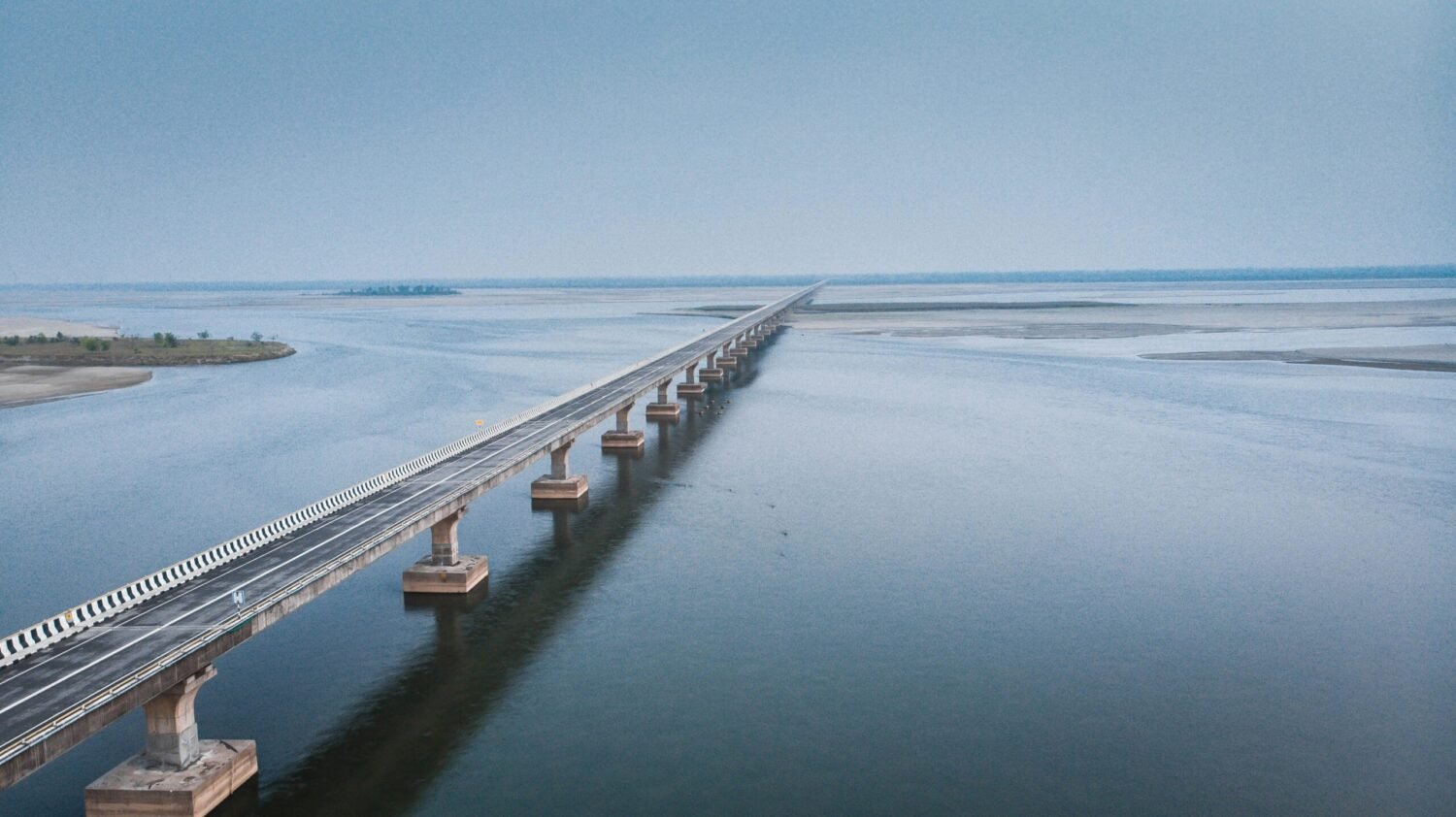
One of the biggest reasons travelers pass through Jorhat is its connection to Majuli, the world’s largest river island.
Located in the Brahmaputra River, Majuli is famous for its monasteries, traditional culture, and peaceful landscapes. To reach the island, travelers typically take a ferry from Nimati Ghat, about 12 kilometers from Jorhat.
The ferry ride itself is one of the most memorable parts of the journey. As the boat slowly crosses the wide Brahmaputra River, travelers see fishermen casting nets, river birds flying overhead, and distant villages along the riverbanks.
Majuli is particularly known for its Vaishnavite monasteries, known as Sattras. These monasteries were established in the 15th and 16th centuries and continue to preserve Assamese cultural traditions.
Visitors to Majuli can experience:
-
Sattriya dance performances
-
Traditional Assamese music
-
Monastery theatre and storytelling
-
Rural village life
-
Handcrafted pottery and mask making
Because Jorhat is the main access point to Majuli, spending time in the city allows travelers to experience both destinations at a relaxed pace.
The Tea Capital of Assam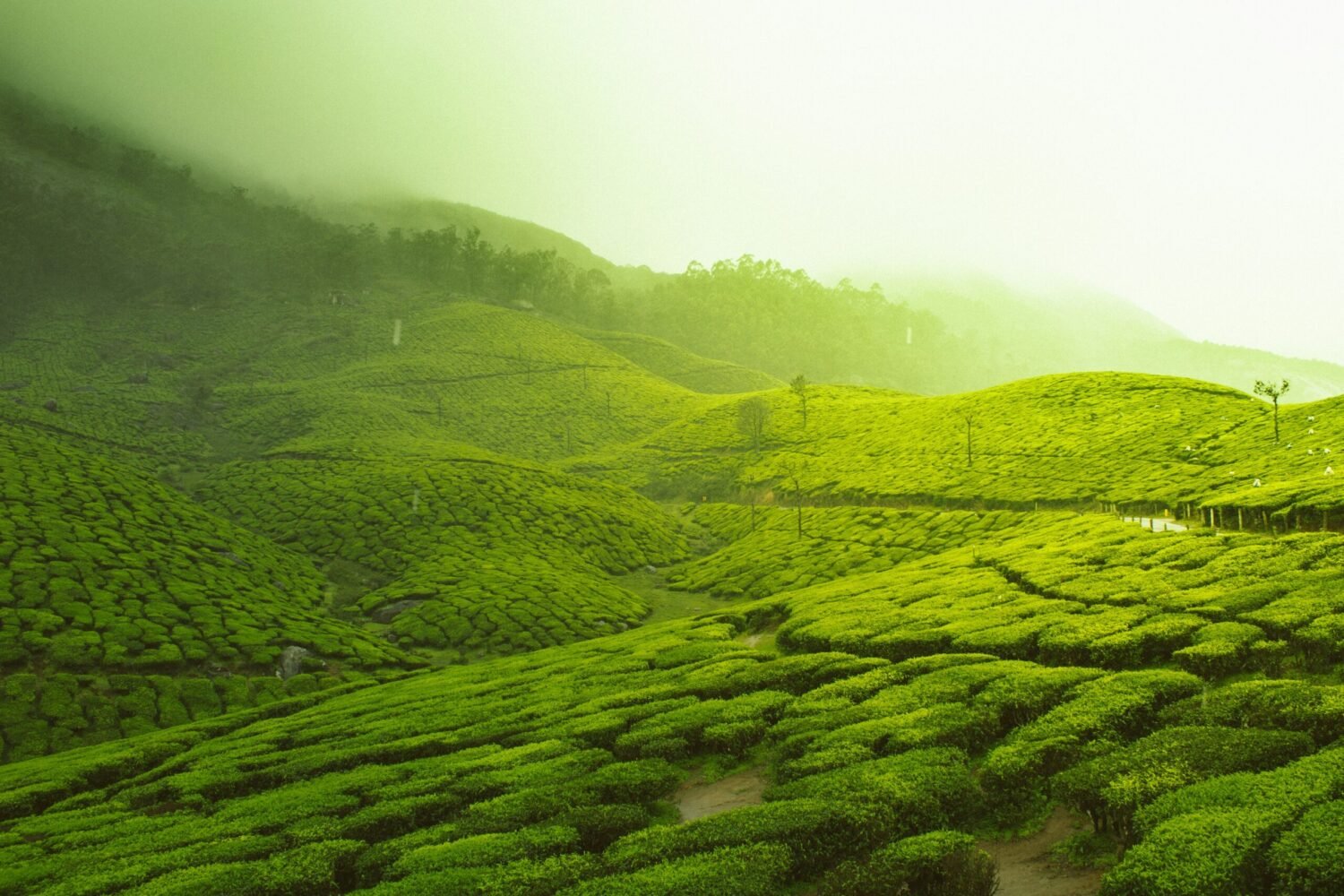
Jorhat sits at the center of Assam’s famous tea belt. The surrounding region contains hundreds of tea estates that produce some of the most widely exported tea in the world.
The landscape around the city is filled with endless rows of tea bushes stretching across gentle hills. Early morning is the best time to explore these plantations, when mist rises above the green fields and tea workers begin harvesting fresh leaves.
Some of the highlights around Jorhat include:
-
Historic tea estates dating back to the British era
-
Scenic plantation roads perfect for cycling or photography
-
Tea tasting sessions at estate bungalows
-
Tea factory visits to see how Assam tea is processed
The city is also home to the Toklai Tea Research Institute, one of the oldest and most respected tea research centers in the world. Established in 1911, Toklai has played a major role in improving tea cultivation techniques across India.
For tea lovers, visiting Jorhat provides an opportunity to see where some of the world’s most famous black tea originates.
A Deeply Rooted Cultural Heritage
One of the most fascinating aspects of the Jorhat region is its strong cultural identity.
Much of the culture here is shaped by the Neo-Vaishnavite movement, a religious and cultural tradition introduced by the Assamese saint Srimanta Sankardeva in the 15th century.
This movement led to the creation of Sattras, monasteries that became centers for art, music, dance, and theatre.
These institutions continue to preserve many traditional forms of Assamese culture, including:
-
Sattriya dance, now recognized as one of India’s eight classical dance forms
-
Traditional devotional music known as Borgeet
-
Mask-making and theatre performances
-
Community festivals and rituals
Unlike many tourist attractions in India, these traditions are not performed only for visitors. They remain an active part of daily life for many communities in Assam.
Travelers who visit nearby monasteries or villages often witness these traditions being practiced in their authentic setting.
Colonial Heritage and Historical Sites
Jorhat also has an interesting colonial past connected to the tea industry.
During British rule, the region became a major administrative center for tea production. Many of the large tea estates built elegant colonial-style bungalows that still stand today.
These bungalows often feature wide verandas, wooden architecture, and gardens surrounded by tea plantations.
While many travelers associate Ahom history with nearby Sivasagar, Jorhat also has connections to the Ahom kingdom that ruled Assam for nearly 600 years.
Nearby historical landmarks include:
-
Ancient Ahom-era ruins
-
Historic temples and monasteries
-
Colonial-era churches
-
Traditional Assamese architecture
These quieter historical sites rarely appear in mainstream travel guides, making them especially appealing to travelers interested in exploring lesser-known parts of Indian history.
Food You Won’t Find Anywhere Else
One of the most rewarding parts of visiting Jorhat is discovering Assamese cuisine.
Unlike many other Indian regional cuisines, Assamese food uses fewer spices and focuses more on fresh ingredients, herbs, and natural flavors.
Meals are typically centered around rice and seasonal vegetables grown locally.
Some popular dishes visitors may encounter include:
| Dish | Description |
| Masor Tenga | Sour fish curry with tomatoes or lemon |
| Pork with bamboo shoot | A regional favorite in Assam |
| Smoked fish | Traditional preparation with unique flavor |
| Assamese Thali | Rice served with multiple local dishes |
| Pitha | Traditional rice cakes often eaten during festivals |
The cuisine emphasizes balance and freshness, offering a completely different taste experience compared to typical Indian restaurant food.
Local markets and small family-run restaurants often provide the best introduction to these dishes.
Why Jorhat Remains Underrated
Despite its cultural and natural attractions, Jorhat still receives relatively few international visitors.
Several factors contribute to this.
First, transportation options are somewhat limited compared to India’s major tourist cities. While Jorhat has an airport, flight connections are fewer than those of larger hubs like Guwahati.
Second, tourism marketing for the region has historically focused on Kaziranga National Park, known for its population of one-horned rhinoceroses.
As a result, many travelers simply pass through Jorhat without exploring the city itself.
However, this lack of mass tourism is exactly what makes Jorhat appealing. The city retains a calm atmosphere and offers experiences that feel far removed from crowded tourist circuits.
Best Time to Visit Jorhat
The ideal time to visit Jorhat is between October and March.
During these months, the weather is cooler and more comfortable for exploring outdoor attractions.
Seasonal Travel Overview
| Season | Conditions | Travel Experience |
| October – March | Cool and dry | Best time to visit |
| April – June | Warm and humid | Tea gardens at their greenest |
| July – September | Heavy monsoon rains | Ferry schedules may be affected |
The winter months are particularly pleasant for exploring tea estates and visiting Majuli Island.
Festivals during this time also provide opportunities to see traditional cultural performances.
How to Reach Jorhat
Despite its remote reputation, Jorhat is accessible through several transportation options.
By Air
Jorhat Airport connects the city with major Indian hubs including:
-
Kolkata
-
Guwahati
Flights are relatively short, making air travel the quickest option.
By Train
Jorhat Town railway station connects the city to Guwahati and other parts of Assam.
By Road
National highways link Jorhat with nearby cities including:
-
Guwahati
-
Dibrugarh
-
Sivasagar
Road journeys through Assam can be scenic, passing tea plantations and rural landscapes.
Suggested 2–3 Day Itinerary
Travelers visiting Jorhat usually combine the city with a trip to Majuli.
Day 1
-
Explore tea estates around Jorhat
-
Visit local markets
-
Try Assamese cuisine
Day 2
-
Take ferry from Nimati Ghat to Majuli
-
Visit monasteries and villages
-
Attend cultural performances if available
Day 3
-
Return to Jorhat
-
Explore historical sites or tea gardens
This short itinerary allows travelers to experience both the cultural and natural highlights of the region.
Frequently Asked Questions
Is Jorhat safe for tourists?
Yes. Jorhat is generally considered safe for travelers. The city has a relaxed atmosphere, and locals are known for being welcoming and helpful toward visitors.
How many days should you spend in Jorhat?
Most travelers spend two to three days in Jorhat. This allows enough time to explore tea estates and visit Majuli Island.
Is Majuli shrinking due to river erosion?
Yes. Over the past century, erosion caused by the Brahmaputra River has gradually reduced the size of Majuli. Conservation efforts are ongoing to protect the island’s villages and cultural heritage.
Can you stay overnight on Majuli Island?
Yes. Majuli offers several eco-lodges, homestays, and guesthouses where travelers can spend the night and experience village life.
Is Jorhat crowded like other Indian cities?
No. Compared with major tourist destinations in India, Jorhat remains relatively quiet and uncrowded.
Do you need a guide to visit Majuli?
Not necessarily. Independent travelers can explore the island easily by bicycle, scooter, or local taxi.
However, hiring a guide can provide deeper insight into the history and culture of the monasteries.
Final Verdict
Jorhat may not appear on most travel bucket lists, but that’s exactly what makes it special.
The city offers a rare combination of experiences:
-
Tea landscapes that stretch to the horizon
-
Cultural traditions preserved for centuries
-
Access to Majuli Island’s monasteries and villages
-
Quiet historical sites and colonial architecture
-
Unique Assamese cuisine
For travelers seeking a more authentic side of India — far from crowded tourist circuits — Jorhat stands out as one of the country’s most underrated destinations in 2026.
Sometimes the best travel discoveries happen in places that almost get skipped.
Jorhat is one of them.