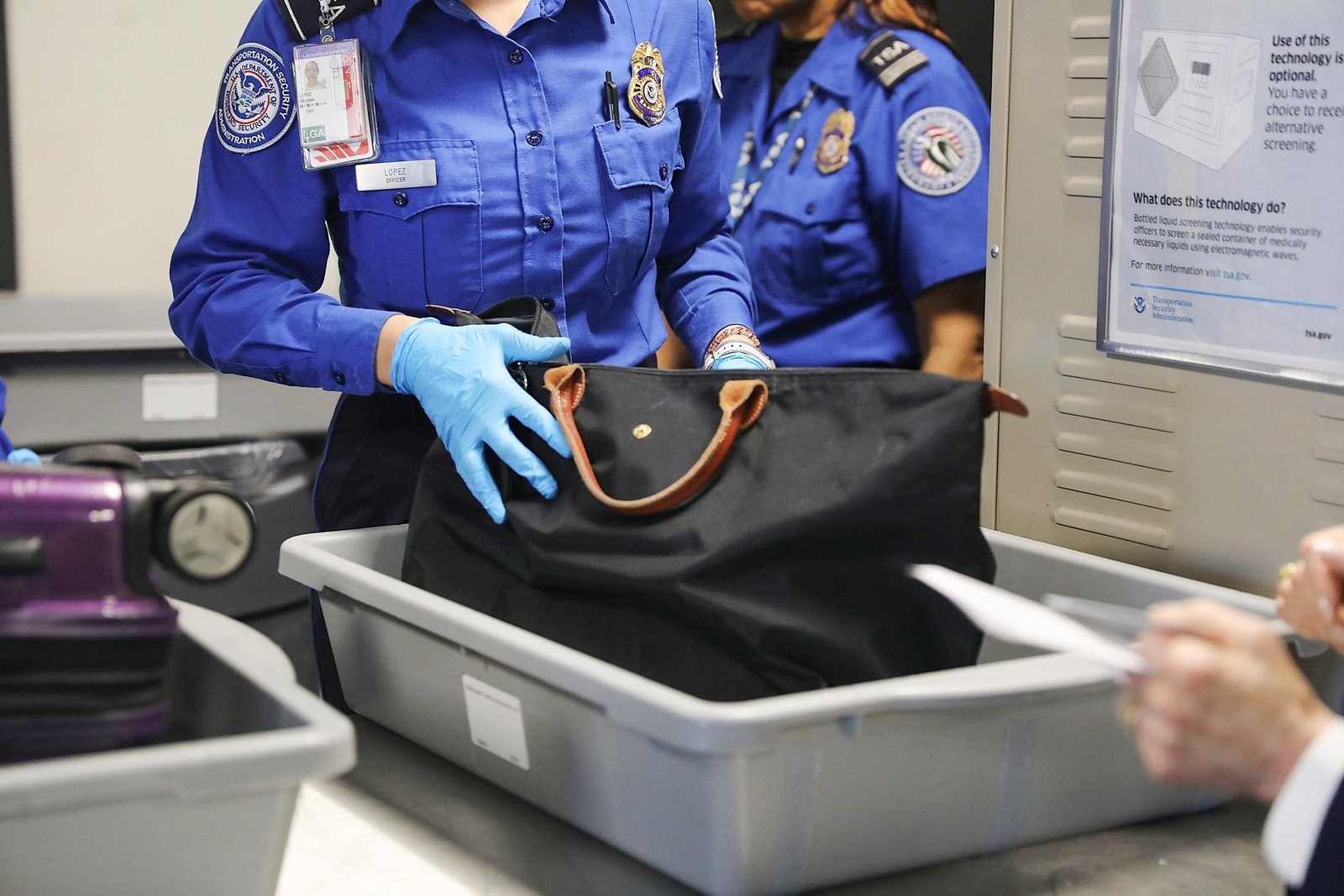
TSA confiscates food at airport security because certain foods are treated as liquids, gels, or spreads and break the 3-1-1 rule. It is not about the food itself. It is about texture, volume, and how the item appears on X-ray scanners.
Once you understand this, airport food checks stop feeling random.
The Real Reason Behind Food Confiscation
Many travelers think TSA confiscates food because it is homemade, smells strong, or looks suspicious. That is not true.
Why TSA confiscates food at airport security comes down to one thing: security rules around liquids and unknown substances.
If TSA cannot clearly identify an item or if it behaves like a liquid, they will stop it.
Also Read :-
- Why TSA Confiscates Food at Airport Security
- Can You Bring Food Through TSA on Domestic Flights in the USA
- What Food Is Considered Liquid by TSA
- TSA Liquid Food Examples You Should Never Guess At
- Is Homemade Food Allowed Through TSA
- Can You NOT Bring Food Through TSA
TSA Does Not Care About Food Safety
This surprises a lot of people.
TSA is not checking whether food is fresh, safe to eat, or properly cooked. That is not their job. They only care about whether something could be used to hide a prohibited liquid or material.
This is the foundation of why TSA confiscates food at airport security.
Liquids, Gels, and Spreads Are the Biggest Problem
If a food can spill, pour, or spread, TSA treats it as a liquid.
These items must be under 3.4 ounces and placed in a quart-size bag. Anything bigger gets taken away.
Common foods TSA confiscates
-
Yogurt
-
Soup
-
Curry or gravy
-
Peanut butter
-
Hummus
-
Sauces and chutneys
-
Applesauce
Many travelers lose these items simply because they did not realize they count as liquids.
Solid Foods Usually Pass Without Issues
Solid food is rarely a problem.
Sandwiches, bread, pizza, cookies, and snacks are normally allowed. But even solid food can cause delays if it looks dense or unusual on the scanner.
This is another reason why TSA confiscates food at airport security or sends bags for extra checks.
How X-Ray Scanners Affect Food Screening
TSA scanners do not see food the way humans do.
Dense or organic materials can look suspicious on X-ray images. Large blocks of cheese, tightly wrapped food, or thick meals can trigger alarms.
When officers cannot clearly identify an item, they may open the bag or remove the food entirely.
Homemade Food Gets Extra Attention
Homemade food is allowed, but it often looks messy or uneven on scans.
Saucy rice, stuffed breads, or layered meals may appear unclear. TSA may pull the bag aside for inspection.
Sometimes food is confiscated simply because opening and testing it would be too time-consuming.
That is a practical reason why TSA confiscates food at airport security.
Powdered Foods Can Also Be an Issue
Powders are tricky.
Protein powder, flour, spice mixes, and instant drink powders may be flagged for testing. Large quantities can be confiscated if TSA cannot verify what the powder is.
This applies even if the powder is food-related.
Size Matters More Than Type
People often focus on what food they are carrying. TSA focuses on how much.
A small container of sauce may pass. A large one will not.
This size-based rule explains why TSA confiscates food at airport security even when the same item was allowed on a previous trip.
Why Some Food Is Allowed One Day and Not the Next
TSA screening is not robotic. It involves human judgment.
Different airports use different scanners. Different officers interpret images differently. Busy travel days also affect how strict screening feels.
This inconsistency is frustrating, but it explains many confiscation stories.
International Confusion on Domestic Flights
On domestic flights, customs rules do not apply. TSA still enforces security rules.
Many travelers assume domestic flights are relaxed. That assumption leads to confiscation.
Why TSA confiscates food at airport security on domestic routes is the same reason as international departures: liquids and unclear items.
How to Avoid Getting Food Taken Away
You cannot argue your way out of TSA rules, but you can pack smarter.
Practical tips that work
-
Choose dry, solid food
-
Avoid sauces and gravies
-
Keep food visible and accessible
-
Separate food from liquids
-
Use clear containers
These steps reduce confusion during screening.
When TSA Makes Exceptions
There are limited exceptions.
Baby food, breast milk, and medically necessary liquids are usually allowed in larger quantities. TSA may test them, but they are not automatically confiscated.
You must declare these items before screening.
The Bottom Line
Why TSA confiscates food at airport security has nothing to do with being unfair or random. It is about liquid rules, scanner limitations, and safety procedures.
If a food looks like a liquid, spreads easily, or cannot be clearly identified, it risks being taken.
Once you pack with TSA’s perspective in mind, food confiscation becomes rare and predictable instead of stressful.
Also Read :-