Many travelers wonder what airport scanners actually see when bags and people go through screening. That’s why how airport scanners detect items is such a common search. In 2026, airport scanners use advanced imaging technology, but they still rely on simple principles: density, shape, and material type.
This guide explains how airport scanners detect items in very clear, easy language—how bag scanners work, how body scanners work, what triggers alarms, and why harmless items sometimes get flagged.
The Big Picture (Simple Explanation)
If you want how airport scanners detect items in one sentence:
Airport scanners look for shape, density, and material differences, not specific objects.
They don’t “see” items the way humans do. They analyze patterns, which explains most alarms.
Two Types of Airport Scanners You Encounter
To understand how airport scanners detect items, you need to know there are two main scanner types:
-
Bag scanners (X-ray machines)
-
Body scanners (walk-through or stand-in scanners)
Each works very differently.
Also Read:-
- Airport Security Screening Process Explained
- How Airport Security Decides Random Checks
- Why Airport Security Takes Longer Some Days
- What Happens After Security Screening?
- Airport Security Procedures for Domestic Flights
- Why Security Checks Bags Manually
How Bag Scanners Work (X-Ray Technology)
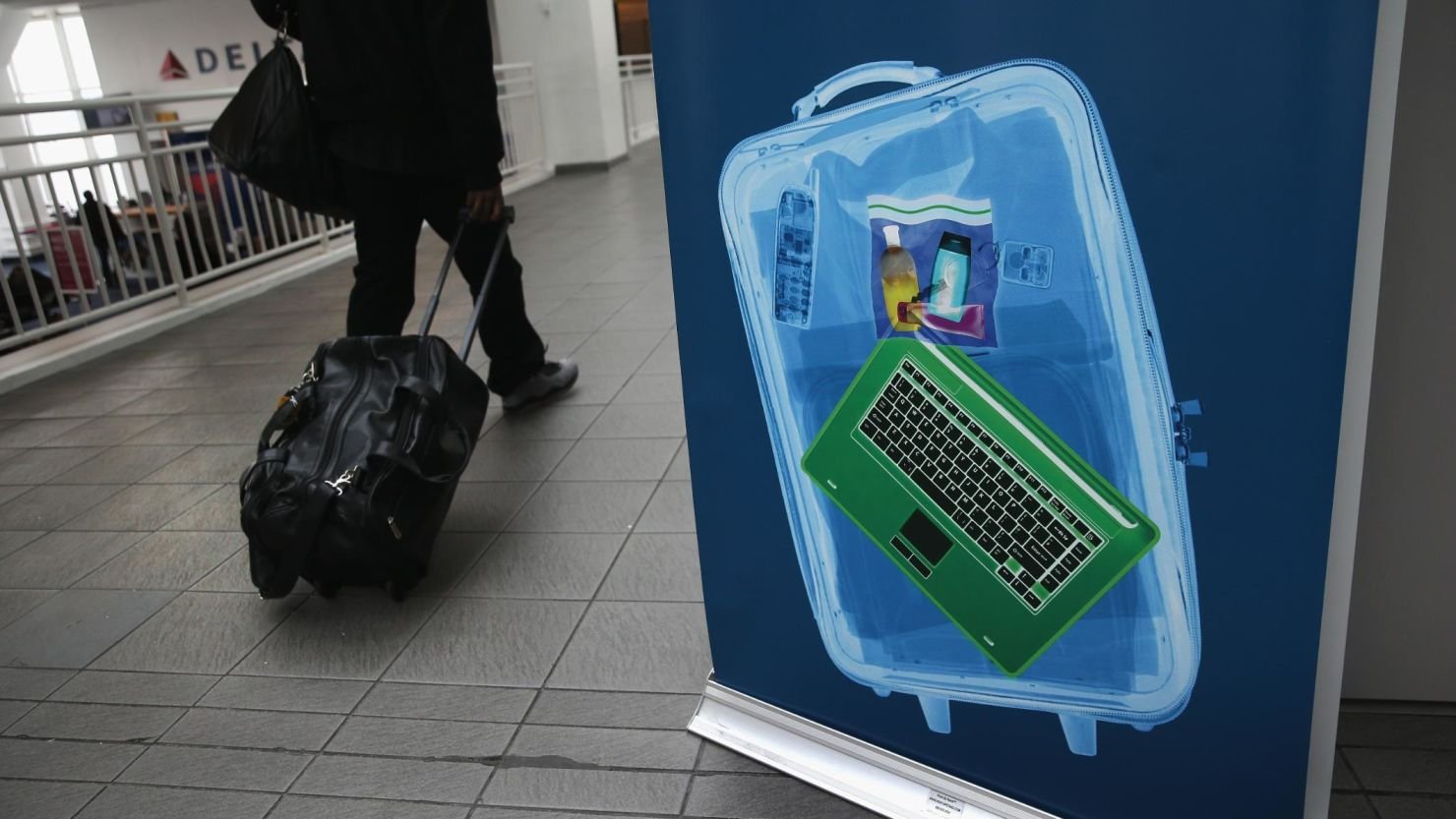
The most common part of how airport scanners detect items involves X-ray bag scanners.
These machines:
-
Send X-ray beams through your bag
-
Measure how materials absorb energy
-
Create a color-coded image for officers
The scanner does not show a photo—it shows a density map.
Why X-Ray Images Use Colors
A key part of how airport scanners detect items is color coding.
On X-ray screens:
-
Organic materials (food, liquids) appear orange
-
Mixed materials appear green
-
Dense or metal items appear blue or dark
Officers interpret colors, shapes, and layering together.
What Triggers Bag Scanner Alarms
Understanding how airport scanners detect items explains why bags get pulled aside.
Common triggers include:
-
Dense clusters of items
-
Liquids grouped together
-
Electronics stacked tightly
-
Overlapping objects blocking visibility
The scanner flags unclear images, not “bad” items.
Why Food and Toiletries Get Flagged
Food and toiletries are a major reason how airport scanners detect items leads to bag checks.
Items like:
-
Peanut butter
-
Cheese
-
Sauces
-
Creams
Appear as dense organic masses, which require manual confirmation.
How Body Scanners Work
Another major part of how airport scanners detect items is body scanning.
Modern body scanners:
-
Use millimeter-wave technology
-
Bounce harmless radio waves off the body
-
Create a generic outline, not a photo
They look for objects, not body details.
What Body Scanners Are Detecting
Body scanners focus on anomalies, which is central to how airport scanners detect items.
They detect:
-
Objects under clothing
-
Items in pockets
-
Unusual shapes or density changes
If something differs from the expected outline, it’s flagged.
Why Pockets Cause Alarms
One of the most common reasons how airport scanners detect items triggers alerts is pockets.
Items like:
-
Phones
-
Wallets
-
Tissues
-
Keys
Create shape differences that scanners immediately detect.
Why Clothing Can Trigger Scans
Clothing plays a role in how airport scanners detect items.
Alarms can be triggered by:
-
Thick jackets
-
Hoodies
-
Loose fabric
-
Metal buttons or zippers
This is why officers ask you to remove layers.
Random Screening vs Scanner Detection
A common confusion around how airport scanners detect items is randomness.
Important difference:
-
Scanner alerts = image-based detection
-
Random screening = system-generated selection
Not every check is caused by the scanner itself.
Why the Same Bag Passes One Day and Not Another
Many travelers ask this. It’s part of how airport scanners detect items logic.
Reasons include:
-
Different bag packing angles
-
Items shifting during travel
-
Different scanners or calibration
-
Different screening lanes
Small changes affect detection.
How Accurate Are Airport Scanners?
Accuracy is central to how airport scanners detect items.
Modern scanners:
-
Are highly sensitive
-
Prefer false alarms over missed items
-
Require human confirmation
That’s why manual checks still exist.
Why Manual Bag Checks Still Happen
Even with advanced tech, how airport scanners detect items isn’t perfect.
Manual checks happen when:
-
Images are unclear
-
Items overlap
-
Density blocks visibility
Human eyes confirm what machines can’t.
Do Scanners Know What an Item Is?
No. This is a big misunderstanding of how airport scanners detect items.
Scanners:
-
Do not identify brands
-
Do not read labels
-
Do not “recognize” objects
They only flag shapes and material patterns.
Why Electronics Are a Common Problem
Electronics explain many alarms tied to how airport scanners detect items.
Problems happen when:
-
Devices are stacked
-
Chargers and batteries overlap
-
Large electronics stay inside bags
Separating electronics improves clarity.
Are Airport Scanners Safe?
Safety is often asked alongside how airport scanners detect items.
Modern scanners:
-
Use extremely low energy
-
Are considered safe for routine travel
-
Are used worldwide
They meet strict safety standards.
Domestic vs International Differences
For US flights, how airport scanners detect items is the same for domestic and international departures.
Differences occur later with customs—not at security scanning.
Why Scanning Feels Stricter in 2026
If how airport scanners detect items feels more aggressive now, it’s because:
-
Bags are fuller
-
More electronics are carried
-
Passenger volume is higher
The technology hasn’t changed much—travel habits have.
How to Reduce Scanner Alerts
To work with how airport scanners detect items, do this:
-
Pack liquids separately
-
Avoid stacking electronics
-
Spread dense items out
-
Remove laptops when asked
-
Don’t overstuff bags
Clear bags pass faster.
Common Myths (Cleared Up)
Understanding how airport scanners detect items clears these myths:
-
❌ Scanners see personal details
-
❌ Officers can see inside everything
-
❌ Alarms mean suspicion
All false.
Why Human Officers Still Matter
Machines support—but don’t replace—people. This is key to how airport scanners detect items.
Officers:
-
Interpret images
-
Confirm unclear items
-
Make final decisions
Technology assists, humans decide.
Final Verdict
So, how airport scanners detect items?
Final Answer
-
Scanners analyze shape, density, and material
-
X-ray machines scan bags
-
Body scanners detect anomalies
-
Alerts are based on clarity, not suspicion
In 2026, airport scanners are fast, accurate, and safety-focused—but not perfect. Once you understand how airport scanners detect items, alarms make sense and screening feels routine instead of stressful.
The key is simple: clear packing creates clear scans.
Also Read:-