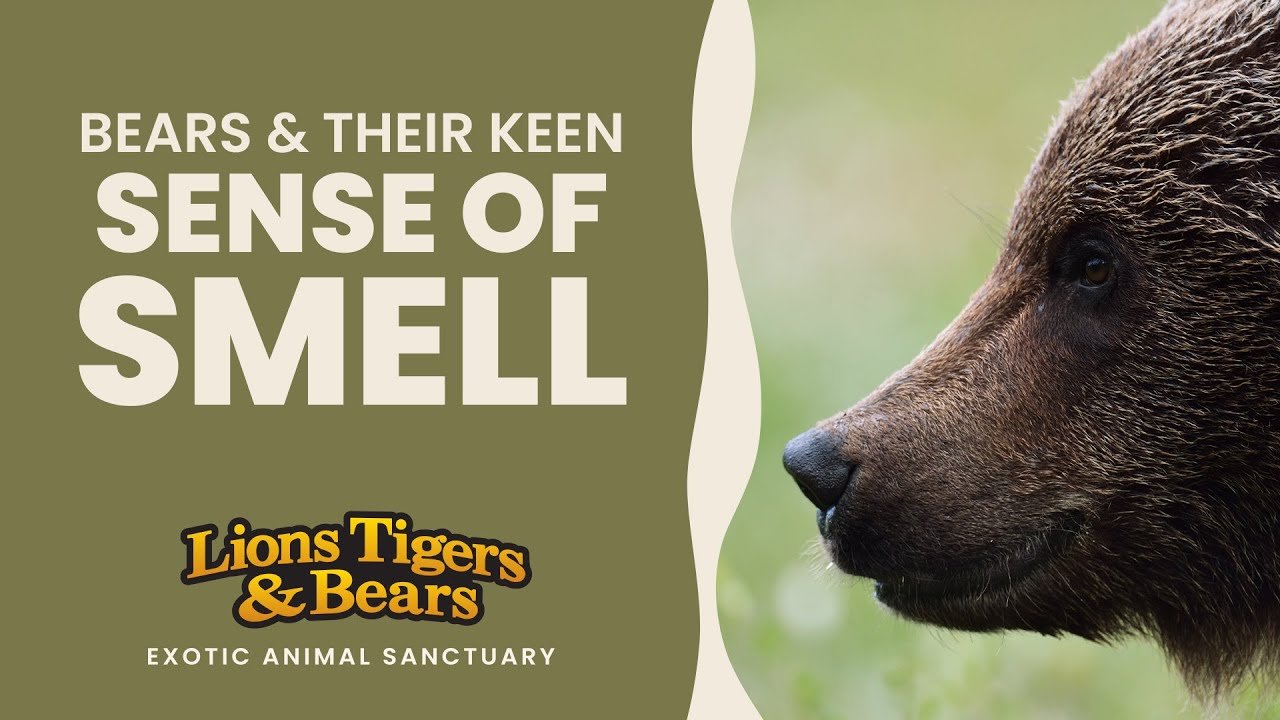
Knowing foods that bears can smell is one of the most important safety lessons for anyone visiting national parks, campgrounds, or bear country. Bears are not curious by accident—they are following scent trails that humans often don’t realize they’re leaving behind.
This guide explains foods that bears can smell, why bears are so good at detecting food, and how everyday items become powerful attractants. Understanding foods that bears can smell can protect wildlife, prevent dangerous encounters, and keep your trip fine-free.
Why Bears Can Smell Food So Easily
To understand foods that bears can smell, you first need to understand a bear’s nose.
Bears have one of the strongest senses of smell on Earth:
-
Up to 7 times stronger than a bloodhound
-
Able to detect odors from miles away
-
Sensitive enough to smell sealed food
What smells faint to humans is overwhelming to bears. This extreme ability is the foundation of why foods that bears can smell are such a serious issue in parks.
Also Read:-
- Foods Not Allowed in National Parks USA
- Why Food Attracts Animals in Parks
- Can You Be Fined for Food in Parks
Fresh Meat and Fish
Fresh meat tops the list of foods that bears can smell.
This includes:
-
Raw beef or chicken
-
Cooked meat
-
Fish (raw or cooked)
Meat has strong oils and proteins that release scent quickly. Even sealed packages count as foods that bears can smell, especially in warm weather.
Bacon, Sausage, and Greasy Foods
Greasy foods are some of the strongest foods that bears can smell.
Common examples:
-
Bacon
-
Sausages
-
Burgers
-
Fried foods
Grease clings to surfaces, clothes, and cookware. That lingering odor makes greasy meals some of the most dangerous foods that bears can smell at campsites.
Fruit and Sweet Foods
Many people are shocked to learn fruit is high on the foods that bears can smell list.
This includes:
-
Apples
-
Oranges
-
Bananas
-
Berries
Fruit releases sugar-rich aromas that travel far. Even fruit peels count as foods that bears can smell and must be stored properly.
Candy, Chocolate, and Sugary Snacks
Sugar is extremely attractive to bears, making these classic foods that bears can smell.
Examples include:
-
Candy bars
-
Chocolate
-
Cookies
-
Energy bars
These items combine sugar and oils, creating a powerful scent that explains why foods that bears can smell include most snack foods.
Peanut Butter and Nut Products
Peanut butter is one of the strongest foods that bears can smell.
Why it’s dangerous:
-
High fat content
-
Sticky residue
-
Strong aroma
Even a small smear on a knife or wrapper counts as foods that bears can smell and can attract wildlife.
Cheese and Dairy Products
Dairy is often overlooked but belongs on every foods that bears can smell list.
This includes:
-
Cheese
-
Butter
-
Milk powder
Dairy has a strong odor, especially when warm. Many bear incidents start with improperly stored dairy-based foods that bears can smell.
Cooked Food and Leftovers
Cooked meals are stronger foods that bears can smell than raw ingredients.
Why:
-
Heat releases scent
-
Oils spread into the air
-
Residue remains on cookware
Leftovers, dirty dishes, and food scraps all qualify as foods that bears can smell, even if no food is visible.
Food Wrappers and Trash
One of the biggest mistakes people make with foods that bears can smell is ignoring trash.
Bears can smell:
-
Empty wrappers
-
Used napkins
-
Food-stained packaging
Trash is just as attractive as food, which is why trash is treated as foods that bears can smell in bear country.
Drinks That Bears Can Smell
Liquids matter too when talking about foods that bears can smell.
This includes:
-
Soda
-
Juice
-
Alcohol
-
Flavored drinks
Spilled drinks or empty bottles still release scent, making them part of foods that bears can smell regulations.
Toiletries That Smell Like Food
Many people don’t realize foods that bears can smell includes non-food items.
These include:
-
Toothpaste
-
Lip balm
-
Sunscreen
-
Deodorant
If it smells good to you, it smells like food to a bear. That’s why these items are treated the same as foods that bears can smell in many parks.
Why Bears Keep Coming Back Once They Smell Food
Another reason foods that bears can smell are dangerous is memory.
When bears find food:
-
They remember the location
-
They return repeatedly
-
Other bears follow
This learned behavior often leads to bears being relocated or destroyed. That’s the harsh reality behind foods that bears can smell rules.
Where Food Smells Travel the Farthest
Scent spreads more easily in:
-
Open valleys
-
Forested areas
-
Windy conditions
That’s why even properly packed foods that bears can smell must be stored in bear-proof containers.
How to Safely Store Foods Bears Can Smell
To reduce risks from foods that bears can smell:
-
Use bear-proof containers
-
Store food in approved lockers
-
Never leave food unattended
-
Clean cookware immediately
-
Change clothes after cooking
Storage matters as much as the food itself.
Why National Parks Are Strict About Bear Food Rules
Park rules exist because rangers understand foods that bears can smell better than anyone.
Strict rules protect:
-
Wildlife behavior
-
Visitor safety
-
Entire ecosystems
One mistake with foods that bears can smell can change a bear’s life forever.
Final Thoughts
Understanding foods that bears can smell is not about fear—it’s about responsibility. Bears are not aggressive by nature. They are intelligent animals responding to scent signals humans leave behind.
By respecting rules around foods that bears can smell, you protect yourself, other visitors, and the bears themselves. Proper food storage keeps wildlife wild and ensures parks remain safe for everyone.
Also Read:-