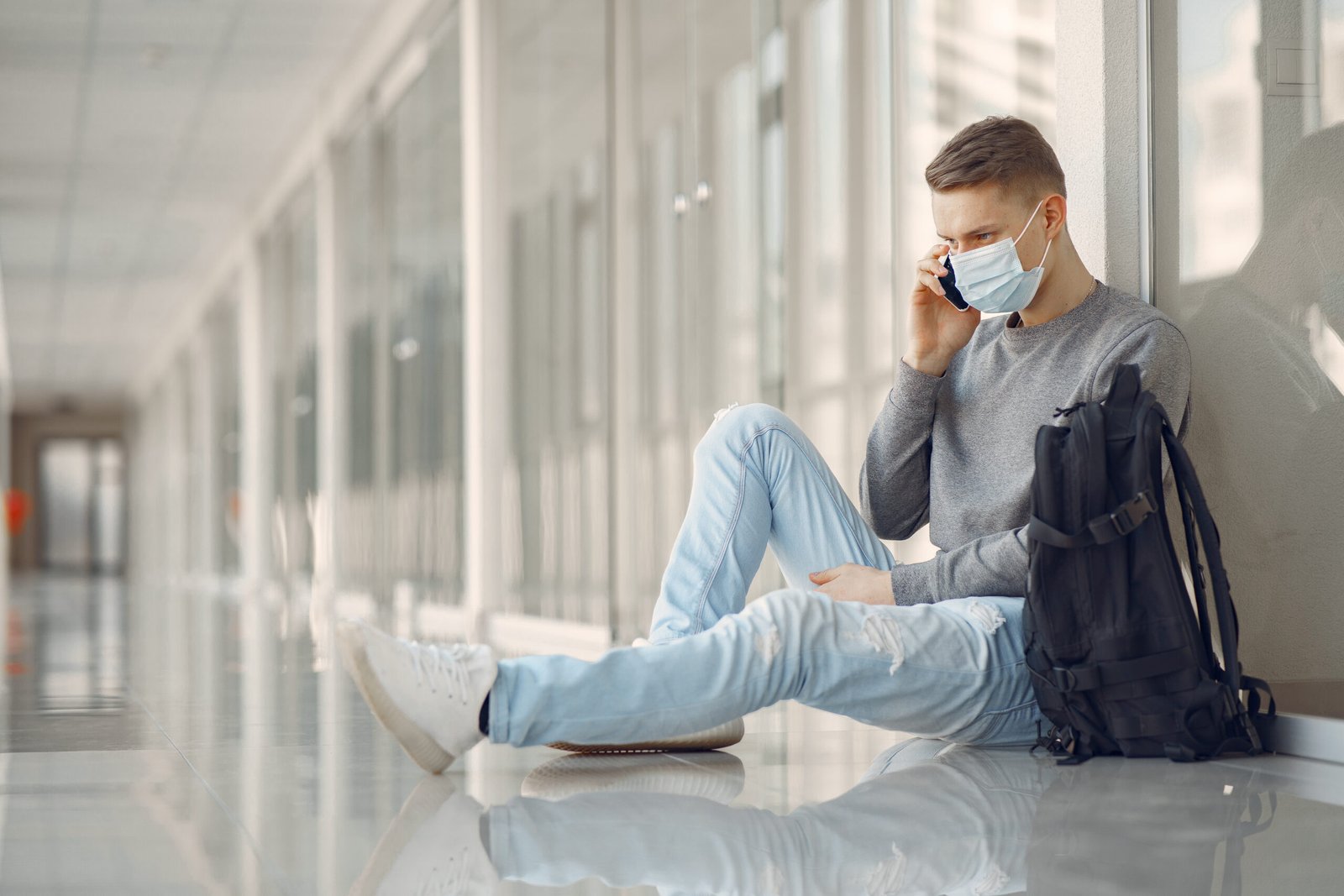
⬛ QUICK ANSWER (READ FIRST)
Routines fail during travel because your environment and timing change completely.
Sleep, meals, movement, and stress all shift at once.
It’s normal, temporary, and not a personal failure.
This happens to almost everyone who travels
If your habits fall apart on a trip, you’re not alone.
You plan to wake up early, eat on time, exercise, or sleep well — and none of it works. Even people with strong routines at home struggle while traveling.
Understanding why routines fail during travel helps you stop feeling frustrated with yourself.
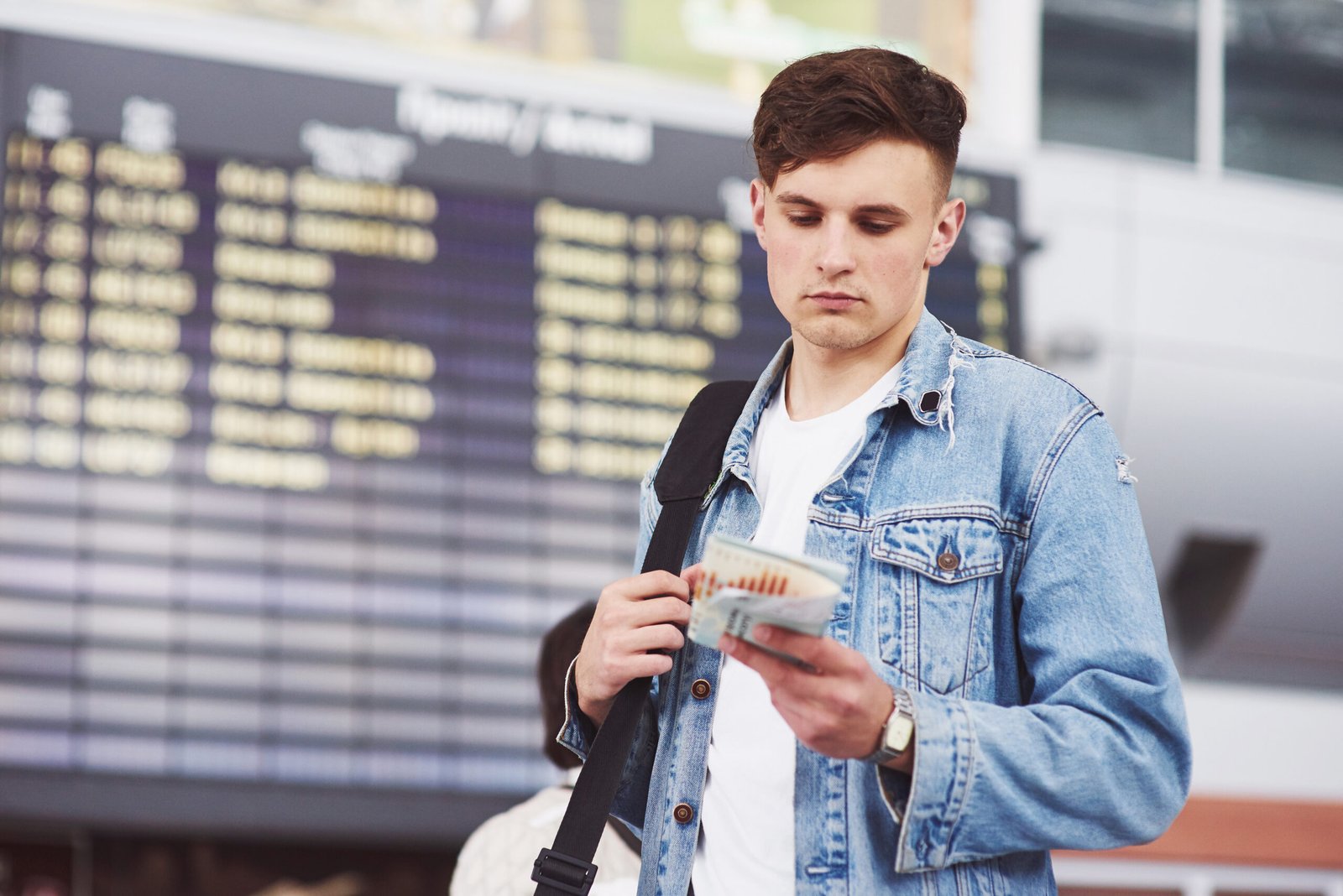
Your environment changes overnight
Routines depend on familiar surroundings.
At home, your brain knows:
-
Where things are
-
When things happen
-
What comes next
During travel, everything is new. Without familiar cues, routines lose their structure. This is one of the biggest reasons why routines fail during travel.
Also Read
- Why Skin Changes While Traveling
- Why Walking Feels Harder While Traveling
- Why Feet Swell During Travel
- Why Shoes Feel Tighter While Traveling
- Why Lips Get Dry While Traveling
- Why Hair Feels Different While Traveling
- Why Hunger Timing Changes While Traveling
- Why Days Feel Merged While Traveling
- Why Directions Feel Confusing While Traveling
- Why Memory Feels Blurry While Traveling
Time zones break internal timing
Your body runs on a clock.
When you travel:
-
Sleep times shift
-
Hunger comes at odd hours
-
Energy rises and falls randomly
Even short trips can confuse your body clock. When timing breaks, routines collapse.
Sleep becomes irregular
Sleep supports all routines.
While traveling:
-
Beds feel different
-
Noise is unpredictable
-
Schedules change
Poor sleep reduces willpower and focus, making routines hard to follow the next day.
Travel days remove normal structure
Travel days are not normal days.
Flights, trains, waiting, and delays:
-
Remove morning routines
-
Stretch days unnaturally
-
Eliminate evening habits
Without a clear start and end to the day, routines don’t stick.
Decision fatigue builds quickly
Travel requires constant choices.
You decide:
-
Where to go
-
What to eat
-
How to get there
-
What to avoid
All these small decisions drain mental energy. When energy drops, routines are the first thing to go. This explains why routines fail during travel even on short trips.
Stress quietly interferes
Even enjoyable travel creates stress.
Navigation, crowds, delays, and safety awareness raise stress levels. Stress shifts the brain into survival mode, not habit mode.
Routines need calm and predictability — travel rarely offers that.
Social schedules take over
Travel often means shared plans.
You eat when others eat.
You move when tours move.
You rest when the schedule allows.
Personal routines get pushed aside to fit the group or situation.
Your goals change during travel
Travel changes priorities.
Comfort, safety, and exploration become more important than:
-
Exercise
-
Diet rules
-
Strict sleep times
This is natural. Your brain adapts to what matters most in the moment.
Trying to force routines makes it worse
Many travelers fight this.
Forcing routines during travel:
-
Creates guilt
-
Increases stress
-
Makes the trip feel heavy
Accepting flexibility works better than forcing structure.
Simple ways to keep some structure while traveling
You don’t need full routines — just anchors.
Helpful anchors include:
-
One fixed morning habit
-
One daily walk
-
One regular meal time
-
One calm evening habit
Small consistency beats strict routines when understanding why routines fail during travel.
How experienced travelers handle routines
Frequent travelers adjust expectations.
They:
-
Drop most routines
-
Keep only one or two habits
-
Restart routines after returning home
This makes travel easier and recovery faster.
Final takeaway from real travel experience
Routines fail during travel because travel removes stability.
Your body and brain are adapting to new places, times, and demands. This is normal, not weakness. Once travel slows down, routines return naturally.
Knowing why routines fail during travel helps you let go, stay flexible, and enjoy the journey without self-pressure.
FAQ – Routines During Travel
| Question | Answer |
|---|---|
| Is it normal for routines to break while traveling? | Yes, very normal. |
| Does poor sleep affect routines? | Yes, sleep supports habits. |
| Do time zones disrupt routines? | Yes, they confuse body timing. |
| Should I force routines while traveling? | No, flexibility works better. |
| Can small habits still help? | Yes, simple anchors help. |
| Will routines return after travel? | Yes, usually quickly. |
Also Read
- Why Skin Changes While Traveling
- Why Walking Feels Harder While Traveling
- Why Feet Swell During Travel
- Why Shoes Feel Tighter While Traveling
- Why Lips Get Dry While Traveling
- Why Hair Feels Different While Traveling
- Why Hunger Timing Changes While Traveling
- Why Days Feel Merged While Traveling
- Why Directions Feel Confusing While Traveling
- Why Memory Feels Blurry While Traveling
Author: Prashant
Prashant creates clear, helpful travel content covering U.S. places to visit, travel planning, and common travel questions.