⬛ QUICK ANSWER (READ FIRST)
In 2026, biometric face scans at many international airports are becoming normal — not futuristic.
You’ll likely use them at check-in, security, and passport control, but they’re meant to speed travel, not slow it down.
Knowing what to expect helps you move through airports calmly and confidently.
What “biometric face scan” really means
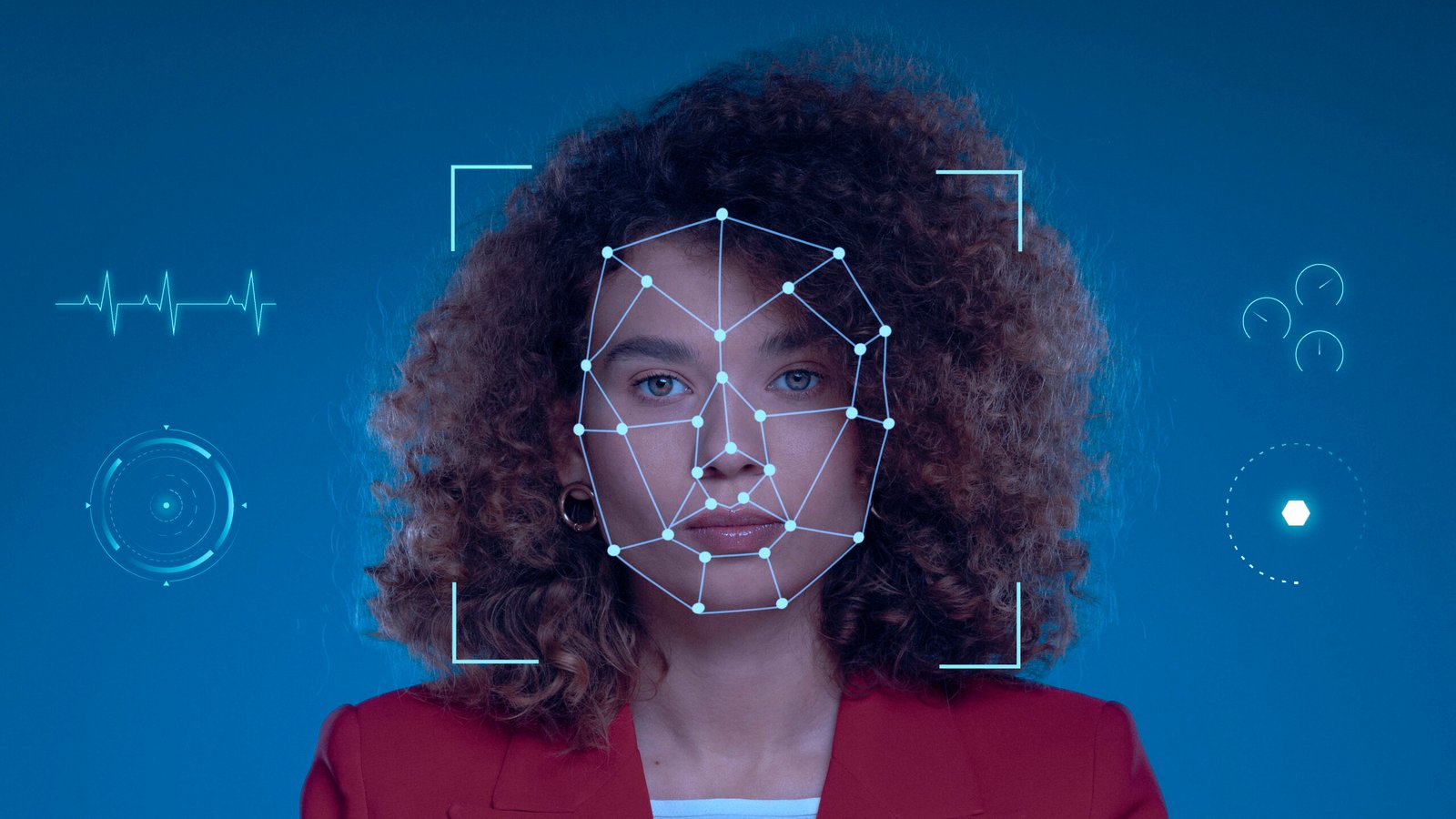
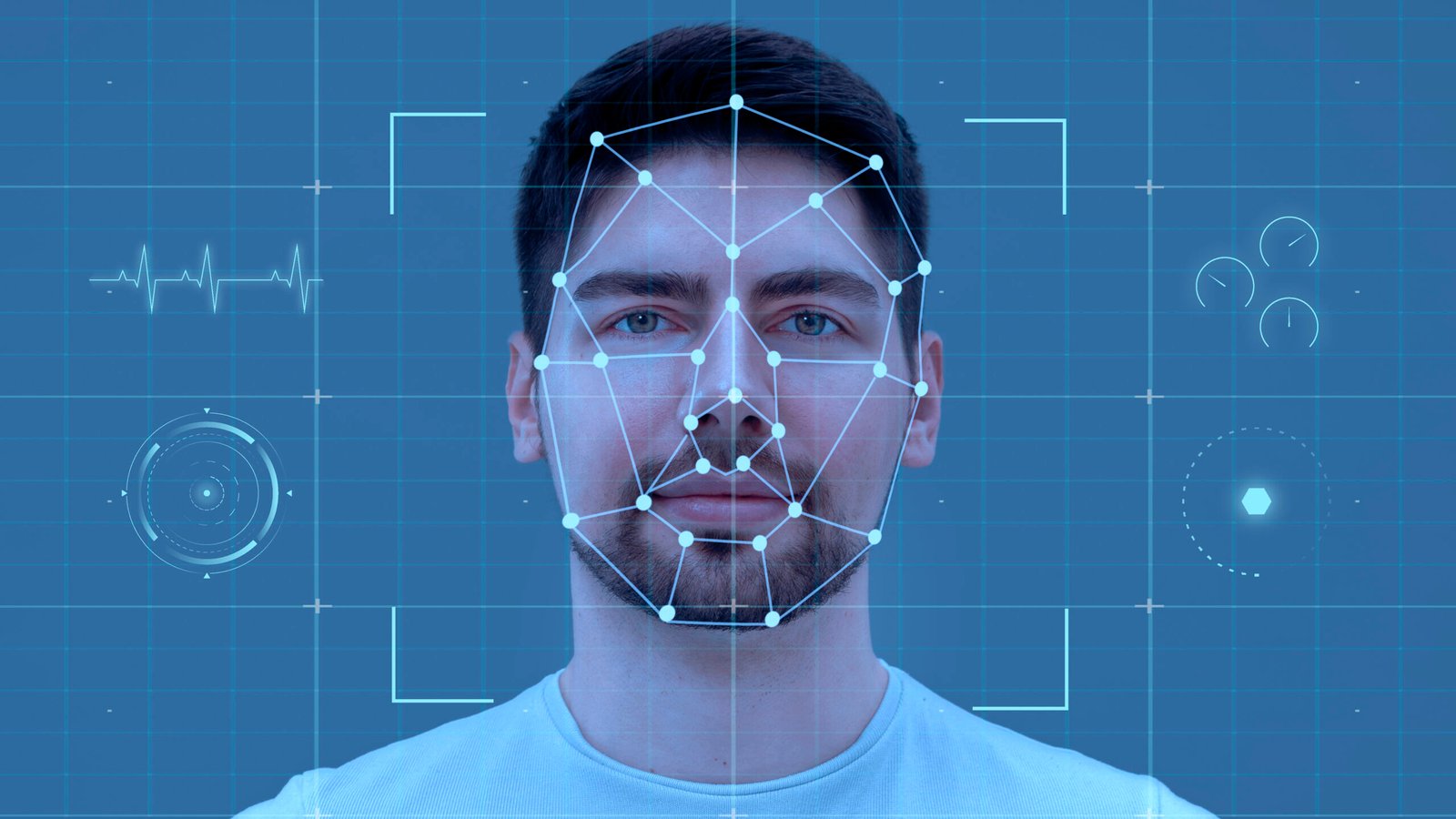
A biometric face scan uses a camera to compare your face with a stored digital image in your passport or travel authorization record.
It’s different from fingerprint or eye scans because:
-
You don’t touch a scanner
-
It happens quickly as you walk through
-
It’s designed to match your face to your identity
Airports use it to confirm it’s really you at key steps of travel.
Why airports are using face scans in 2026
Airports adopt this tech for two key reasons:
1. Faster processing
Face scans can replace document checks — no clumsy passports at every step.
2. Better security
It reduces identity fraud and makes sure the traveler on the flight matches the ticket.
This doesn’t mean constant surveillance — only specific checkpoints use the technology.
Also Read:-
Where you might see face scans
Here are the most common points:
✈️ Check-in counters
Some airlines let you scan your face instead of showing your passport.
🧑✈️ Automated passport control (e-gates)
Instead of handing your passport to an officer, a camera will check you as you walk through.
🔍 Security screening areas
Face scans verify your boarding pass matches your ID.
🚪 Boarding gates
In many airports, boarding is now faster with face-matching instead of scanning passports and tickets.
Not every airport uses all of these yet — but many will by 2026.
How the process works
It’s always a few consistent steps:
-
Camera captures your face
You’ll stand or walk through a defined spot. -
System compares your face
Against data from your passport or visa and airline check-in. -
Approval or a review prompt
If the match is clear, you move on. If not, a staff member reviews it.
Most of the time, you’ll barely notice it — quick and smooth.
What documents you still need
Even with face scans, you still need:
-
A valid passport
-
Any visas or travel authorizations
-
Your boarding pass / digital ticket
Biometrics don’t replace legal identity — they just confirm it faster. Always carry the required documents.
What airports are doing this in 2026
Biometric face scans are now common in many major hubs:
-
Large European airports
automatically match faces at e-gates. -
North American airports
use face matching for US and Canadian boarding. -
Asia Pacific hubs
integrate biometrics for transit and departure. -
Middle Eastern and Gulf airports
use face scans extensively, including for security.
Smaller or regional airports may still rely on traditional passport control.
Common questions travelers ask
Is it safe and private?
Yes — mostly.
Data rules vary by country, but in regulated airports your face data is stored privately and used only for verification, not public tracking.
Do I have to use it?
Not always.
Some airports still let you use a passport and manual checks, but the trend is toward biometrics — eventually, it becomes the default.
What if the scan doesn’t match?
Staff steps in.
If the system can’t confirm your identity, a human officer reviews your documents and you continue manually. It does happen occasionally.
Does it replace passport stamps?
Many countries still stamp passports, but face scans record your entry electronically. In some places, you may get both.
Tips for smooth biometric scans
Face positioning matters
Look straight, no hats or large sunglasses.
Neutral expression helps
Face recognition works best when your features are clear.
Keep documents ready
You may still need to show them quickly if asked.
Arrive early
New systems can have unexpected waits, especially on busy days.
The real travel experience in 2026
Travelers in 2026 describe biometric face scans as:
-
Fast — less fumbling with passports
-
Less stressful — no repeated document shows
-
Consistent — same process in many airports
Most say they prefer it once they understand it.
Final takeaway
Biometric face scans at airports are not optional extras in 2026 — they’re part of modern travel. But they’re not scary or intrusive if you know what to expect. They speed up your journey and make identity checks more reliable.
The key is preparation: keep your documents valid, arrive early, and let the cameras do their job.
Travel in 2026 feels different — smoother, quieter, and more efficient.
FAQ – Biometric Face Scans at Airports
| Question | Answer |
|---|---|
| Do all airports use face scans now? | Many major ones do, but not all. |
| Can I opt out of face scanning? | Sometimes, but options are shrinking. |
| Are biometric scans safe? | Yes, they follow privacy regulations. |
| Do I still need my passport? | Yes, always. |
| What if the scan fails? | A staff officer reviews manually. |
| Does it replace visa checks? | No, checks still happen. |
Also Read:-
By Prashant
Prashant shares easy-to-understand travel information, destination guides, and planning tips focused on travel in the United States.