
A 3 week Vietnam sabbatical route budget 2026 guide is exactly what thousands of travelers are searching for right now — because Vietnam has quietly become one of the world’s best destinations for extended slow travel. You can eat extraordinarily well for two to three dollars per meal. A comfortable mid-range hotel in Hoi An’s ancient town costs less than a budget hostel dorm in London. An overnight sleeper train connecting cities saves both a night’s accommodation and the cost of a flight. And the country itself — stretching nearly 1,700 kilometres from the limestone mountains of the north to the river delta of the south — offers enough variety in landscape, culture, food, and pace to fill three weeks with experiences that feel genuinely different from each other.
The concept of a sabbatical has traditionally meant taking an extended break from work — weeks or months of deliberate slow-down, reflection, and exploration. In 2026, it has been democratised. Thanks to the combination of remote working flexibility, affordable long-haul flights, and destinations like Vietnam where three weeks of quality travel genuinely costs less than a weekend in Paris, the sabbatical has become accessible to a much wider range of travelers than the traditional six-month career break it once implied.
Vietnam is particularly well suited to the sabbatical format because it rewards slowness. The country is structured — geographically, culturally, and in terms of its transport network — as a long north-to-south journey, with distinct regions that each deserve time rather than a rushed day-trip. Hanoi and the north, Da Nang and Hoi An in the centre, and Ho Chi Minh City and the Mekong in the south each have their own food culture, architecture, pace, and character. Three weeks is enough to experience all three regions meaningfully without the feeling of rushing that afflicts shorter Vietnam trips.
This complete 2026 guide covers the best three-week Vietnam route, a detailed day-by-day budget breakdown, transport options between cities, the best times to visit, practical logistics, and everything you need to plan a Vietnam sabbatical that combines genuine slow travel with the highlights of one of Southeast Asia’s most extraordinary countries.
Is Vietnam Good for a Sabbatical in 2026? Quick Assessment
| Factor | Rating | Notes |
|---|---|---|
| Budget friendliness | Excellent | $35–$60/day covers everything comfortably |
| Food culture | Outstanding | One of the world’s great food destinations |
| Transportation | Good | Trains, buses, and cheap domestic flights |
| Wi-Fi and remote work | Very good | Cafes and co-working spaces in all major cities |
| Slow travel suitability | Excellent | Each region rewards extended stays |
| Safety for solo travelers | Good | Major cities and tourist areas are safe |
| Overall 3-week value | One of Asia’s best | Exceptional value for money and experience |
The Best 3-Week Vietnam Route in 2026
Vietnam’s geography makes route planning unusually straightforward. The country is long and narrow — at its narrowest point barely 50 kilometres wide — and its major cities and regions are strung along a north-to-south corridor that follows the coast. The Reunification Express train and a network of domestic flights connect all the major stops, meaning the logistics of moving between regions are simpler than in most other Southeast Asian countries.
The classic three-week route runs from north to south: starting in Hanoi and the northern highlands, moving through the central region of Da Nang and Hoi An, and ending in Ho Chi Minh City with a day trip to the Mekong Delta. This direction works well because it follows the natural geography, uses Vietnam’s transport infrastructure efficiently, and allows you to fly home from Ho Chi Minh City — which has more international flight connections than Hanoi for many destinations.
| Week | Destination | Recommended Nights | Highlight |
|---|---|---|---|
| Week 1 | Hanoi + Ha Long Bay | 4 nights Hanoi, 2 nights cruise | Limestone karst bay and Old Quarter food |
| Week 2 | Da Nang + Hoi An | 2 nights Da Nang, 4 nights Hoi An | Lantern-lit ancient town and My Son temples |
| Week 3 | Ho Chi Minh City + Mekong | 5 nights HCMC, 1 day Mekong trip | Urban energy, history, river delta life |
Week 1: Hanoi and Ha Long Bay

Hanoi is one of the most compelling capital cities in Asia — a place of genuine historical layers, extraordinary food, and a pace that sits somewhere between the frenetic energy of Ho Chi Minh City and the measured rhythm of a smaller provincial town. Allow at least four nights here, and resist the temptation to rush toward the next destination. Hanoi rewards the slowness that is the whole point of a sabbatical trip.
What to do in Hanoi on a sabbatical schedule:
- Hanoi’s Old Quarter — the 36 streets of the ancient merchant quarter are each traditionally associated with a different trade: silk street, paper street, tin street. Walking them slowly, coffee in hand, in the early morning before the traffic builds is one of Southeast Asia’s great urban experiences.
- Hoan Kiem Lake — the lake at the heart of the old city is the social centre of Hanoi. The restored Ngoc Son Temple on a small island in the lake is accessible via a red painted bridge and is beautifully atmospheric at any hour.
- Street food exploration — Hanoi’s street food culture is remarkable and deserves several evenings of dedicated exploration. Pho bo (beef noodle soup) from a street stall at 7am is one of the world’s great breakfasts. Bun cha (grilled pork with noodles and fresh herbs) at lunch, banh mi in the afternoon, and bun rieu (crab and tomato noodle soup) in the evening represents a single day’s eating that costs under five dollars and covers the full range of Hanoi’s food culture.
- Egg coffee — Hanoi’s unique contribution to coffee culture: a cup of strong Vietnamese coffee topped with a thick, sweet foam made from whipped egg yolk and condensed milk. Strange in description, extraordinary in reality.
- Ho Chi Minh Mausoleum and Temple of Literature — two of Hanoi’s most significant historical sites, both free or low-cost to enter and genuinely moving to visit.
Ha Long Bay cruise (2 nights):
Ha Long Bay — the UNESCO World Heritage Site of 1,600 limestone karst islands rising from an emerald sea — is one of the most extraordinary natural landscapes in Asia and a non-negotiable element of any three-week Vietnam itinerary. The best way to experience it is on a two-night cruise rather than a day trip, allowing you to see the bay at sunrise and sunset, kayak into quiet lagoons that day-trip boats cannot access, and visit floating fishing villages.
Cruise prices in 2026 range from approximately $120 for a budget cruise to $200 to $350 for a mid-range option with better food, smaller group sizes, and more comfortable cabins. The mid-range option is worth the premium on a sabbatical budget — Ha Long Bay is a once-in-a-lifetime experience and the quality difference between budget and mid-range cruises is significant. Book in advance through reputable operators and check reviews carefully, as the market includes both excellent and very poor quality operators.
Week 2: Da Nang and Hoi An
From Hanoi, the journey to Da Nang by domestic flight takes about 1.25 hours and costs $40 to $70 on budget carriers including VietJet and Bamboo Airways. Alternatively, the overnight Reunification Express train from Hanoi to Da Nang takes approximately 16 hours, passes through spectacular coastal scenery including the famous Hai Van Pass section, and costs $25 to $60 depending on cabin class — a classic sabbatical experience in itself.
Da Nang is a modern city with a long beach and a relaxed atmosphere that makes it an excellent decompression point after Hanoi’s intensity. The beach at My Khe stretches for kilometres and is wide, clean, and uncrowded compared to equivalent beaches in Thailand. Two nights here — beach, seafood, perhaps a visit to the Ba Na Hills cable car or the famous Dragon Bridge — is sufficient before the 40-minute drive south to Hoi An.
Hoi An — the sabbatical heart of the central region:
Hoi An’s ancient town is one of the most beautiful and well-preserved historic centres in Southeast Asia — a UNESCO World Heritage Site of narrow lanes lined with yellow-ochre merchant houses, traditional assembly halls, and riverside cafés. After dark the entire town is lit with coloured paper lanterns that create an atmosphere unlike anywhere else in Vietnam. Four nights here is the minimum to experience it properly — and many sabbatical travelers end up extending their stay spontaneously when they realise how perfectly Hoi An suits the slow-travel rhythm they came to Vietnam for.
- The Ancient Town — walking the lanes of the historic centre at different times of day produces different experiences: quiet and atmospheric in early morning, buzzing with visitors by mid-afternoon, magical under lantern light after dark
- Cooking classes — Hoi An has some of Vietnam’s best cooking class experiences, typically including a market visit and hands-on preparation of four to five traditional dishes. Half-day classes cost approximately $30 to $50 and are one of the best ways to spend a sabbatical morning
- An Bang Beach — a 30-minute bicycle ride from the ancient town, An Bang is a genuinely excellent beach with a relaxed local-oriented atmosphere and excellent seafood restaurants right on the sand
- My Son Sanctuary — a cluster of ancient Cham temple ruins in a jungle valley, 40 kilometres from Hoi An. The archaeology is impressive and the setting — surrounded by forest with mountains rising on all sides — is beautiful
- Tailoring — Hoi An is famous for custom tailoring. Having clothing made to measure in two to three days at a fraction of Western prices is a quintessential Hoi An sabbatical experience
Week 3: Ho Chi Minh City and the Mekong Delta
Ho Chi Minh City — still widely known as Saigon, a name that locals and many visitors use interchangeably with the official name — is Vietnam’s largest city and its economic engine. The contrast with Hanoi is immediate and striking: where Hanoi has a certain composed, almost European quality in its tree-lined boulevards and lake-side cafés, Ho Chi Minh City is pure kinetic energy — a city of 10 million people and what feels like most of them on motorbikes at any given moment.
Key experiences in Ho Chi Minh City:
- War Remnants Museum — one of the most important and emotionally powerful museums in Asia, documenting the Vietnam War from the Vietnamese perspective with an extraordinary collection of photographs and artefacts. Allow at least two hours and prepare to be moved.
- Cu Chi Tunnels — the extraordinary network of underground tunnels used by Viet Cong fighters, located about 40 kilometres from the city. The full tunnel system extends for 250 kilometres and the preserved sections open to visitors provide a remarkable insight into the war. A half-day tour costs approximately $15 to $25.
- Ben Thanh Market — the central market is touristy but fascinating for the food section where excellent Vietnamese dishes are available at very reasonable prices. The surrounding streets are particularly atmospheric in the early morning before the tourist crowds arrive.
- Bui Vien Street — Vietnam’s most famous backpacker street is chaotic, loud, and not for everyone — but experiencing it for one evening is genuinely interesting as a cultural observation point.
- Rooftop bars — Ho Chi Minh City has some of the best rooftop bars in Southeast Asia. The views over the dense city skyline at sunset from bars like Chill Skybar or the Saigon Saigon bar at the Caravelle Hotel are genuinely spectacular.
Mekong Delta day trip:
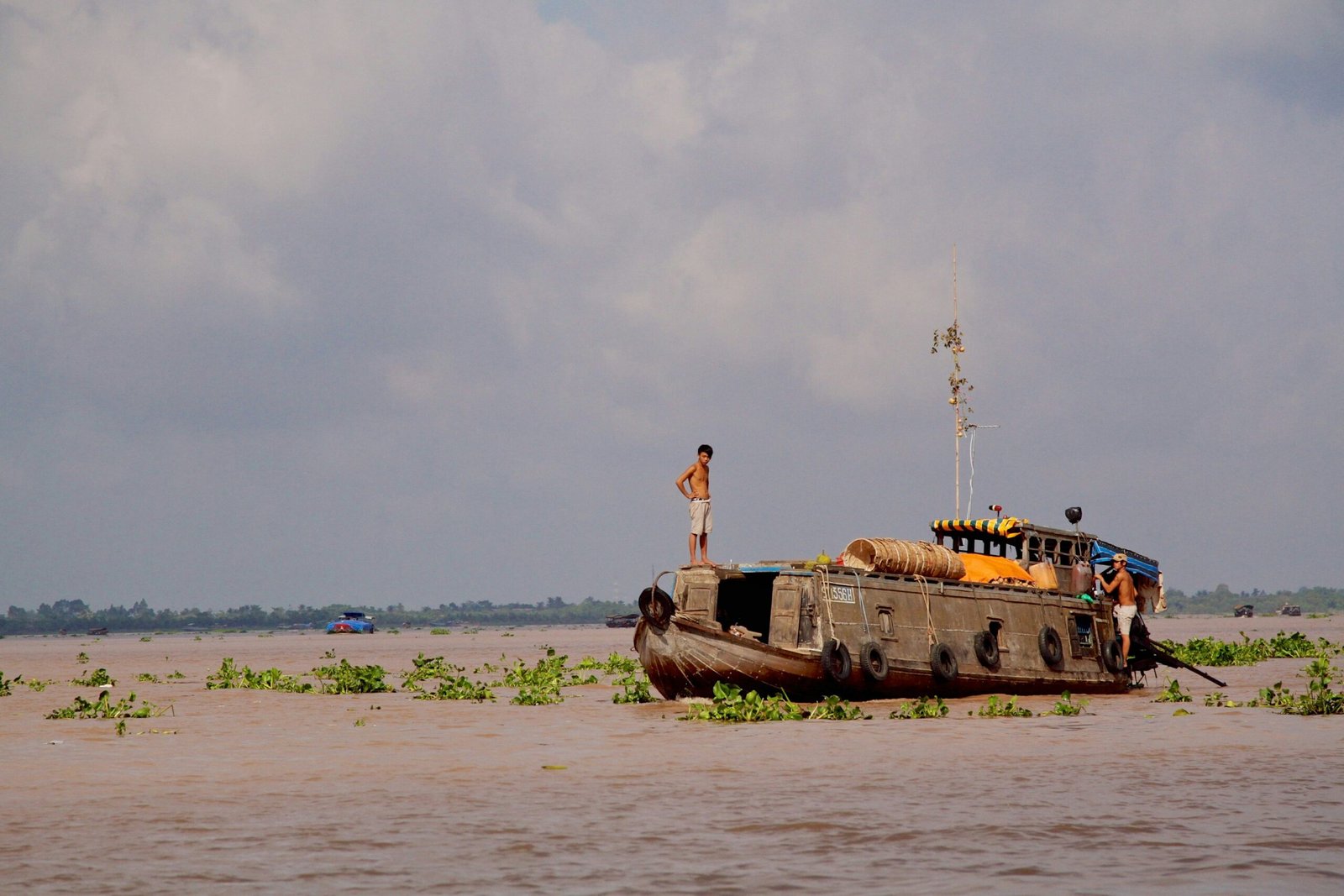
The Mekong Delta — the vast river delta where the Mekong splits into nine channels before reaching the South China Sea — is one of Vietnam’s most distinctive landscapes. A day trip from Ho Chi Minh City to areas like Ben Tre or Can Tho takes you into a world of narrow waterways, stilted river houses, floating markets, tropical fruit gardens, and traditional village life that feels completely different from the urban Vietnam of Hanoi or Ho Chi Minh City. Boat tours through the delta cost approximately $25 to $40 for an organised tour. For a more immersive experience, spending one night in Can Tho — Vietnam’s largest delta city — is strongly recommended and allows you to see the famous Cai Rang floating market at its best in the early morning.
Vietnam Sabbatical Budget 2026: Complete Breakdown
Vietnam’s affordability is one of its most compelling attributes for sabbatical travelers, but budgeting accurately requires understanding where costs are genuinely low and where they can catch you by surprise.
| Category | Budget Option | Mid-Range Option | Notes |
|---|---|---|---|
| Accommodation (per night) | $10 – $18 | $30 – $65 | Mid-range in Hoi An is exceptional value |
| Street food meal | $1.50 – $3 | — | The best food in Vietnam is on the street |
| Restaurant meal | $5 – $8 | $10 – $20 | Western food in tourist restaurants costs more |
| Vietnamese coffee | $0.50 – $1 | $2 – $4 (café) | Local street coffee is outstanding and cheap |
| Local transport (Grab/taxi) | $1 – $3 per trip | — | Grab app is reliable and affordable in all cities |
| Domestic flight | $35 – $60 | $60 – $100 | Book in advance for best prices |
| Overnight sleeper train | $25 – $40 | $45 – $65 | Saves a night’s accommodation cost |
| Ha Long Bay cruise (2 nights) | $120 – $160 | $200 – $350 | Worth investing in mid-range for this experience |
Estimated 3-week Vietnam sabbatical total cost (excluding international flights):
| Expense Category | Budget Traveler | Mid-Range Traveler |
|---|---|---|
| Accommodation (21 nights) | $250 – $380 | $600 – $900 |
| Food and drink | $150 – $200 | $300 – $450 |
| Transport (internal) | $150 – $200 | $200 – $300 |
| Ha Long Bay cruise | $120 – $160 | $200 – $350 |
| Activities and entry fees | $100 – $150 | $200 – $300 |
| Total (3 weeks) | $770 – $1,090 | $1,500 – $2,300 |
International flights from Europe to Vietnam typically cost $500 to $900 return depending on origin city and booking timing. From the US, expect $600 to $1,100. Adding flights to the above brings the total trip cost to approximately $1,300 to $2,000 for a budget traveler and $2,000 to $3,300 for a mid-range traveler — exceptional value for three weeks of travel in a country of this quality.
Getting Around Vietnam: Transport Options for Your Sabbatical
Planning your 3 week Vietnam sabbatical route budget means understanding how to move efficiently between the three main regions. Vietnam’s internal transport network has three main options for the north-to-south sabbatical route, each with different trade-offs between cost, speed, comfort, and experience.
Domestic flights are the fastest option and genuinely affordable. VietJet Air, Bamboo Airways, and Vietnam Airlines all connect Hanoi, Da Nang, and Ho Chi Minh City multiple times daily. Booking two to three weeks in advance typically produces prices of $35 to $60. The main disadvantage is that flying misses the coastal scenery — particularly the spectacular section of the Reunification Express between Da Nang and Hue where the train hugs the clifftops above the South China Sea.
The Reunification Express train is Vietnam’s great travel experience and the transport choice most aligned with the sabbatical ethos. The train connects Hanoi and Ho Chi Minh City on a route that takes 30 to 35 hours in total, with multiple trains daily covering different sections. Sleeper cabins with four bunks are comfortable, clean, and allow genuine engagement with the landscape passing outside. The section between Da Nang and Hue — the Hai Van Pass section where the track climbs above the sea — is one of the most beautiful train journeys in Asia. Tickets cost $25 to $65 depending on class and route length, and can be booked through the Vietnam Railways website or third-party booking platforms.
Open bus tickets offer an economical alternative to trains, with hop-on hop-off bus passes that allow travel between any cities on the north-south route. These are primarily used by budget backpackers. The buses are comfortable enough and the prices are low, but journey times are longer than trains and the experience is less atmospheric.
Best Time to Visit Vietnam for a Sabbatical
Vietnam’s climate is complicated by the country’s length — weather patterns differ significantly between north, central, and south regions, and there is no single month that is simultaneously perfect for all three. The good news is that the north-to-south sabbatical route can be timed to work reasonably well across several windows.
February to April is generally considered the best overall window for a north-to-south Vietnam trip. Hanoi and the north are cool and dry, Ha Long Bay is calm, the central region around Da Nang and Hoi An is warm and mostly sunny, and Ho Chi Minh City is hot and dry. This period avoids both the northern winter and the central Vietnam rainy season.
October to November is a second good window, though the central region around Da Nang and Hoi An can receive significant rainfall — sometimes heavy — during this period as the wet season affects the central coast. If you are doing the north-to-south route in October or November, be prepared for some rainy days in the Hoi An section.
June to August is the least ideal time overall. The north is hot and increasingly rainy. Ha Long Bay can be affected by summer storms. Only Ho Chi Minh City and the south are consistently dry during this period. If this is your only available window, it is still possible to have an excellent trip — but managing expectations around weather in the north is important.
Vietnam Visa and Entry Requirements 2026
Vietnam’s e-visa system, introduced for most nationalities in recent years, has made entry straightforward for the majority of international travelers. Citizens of most Western European countries, the USA, Canada, Australia, and many Asian countries can apply for a Vietnam e-visa online at evisa.xuatnhapcanh.gov.vn before travel. The e-visa allows a single entry stay of up to 90 days, which is more than sufficient for a three-week sabbatical.
The e-visa application requires a passport photo, a passport scan, and payment of approximately $25. Processing typically takes 3 to 5 business days. Apply at least one week before your departure date to allow for any processing delays. Citizens of some countries including India should check the current visa-on-arrival or e-visa eligibility for their specific nationality before travel, as requirements can change.
Frequently Asked Questions About a Vietnam Sabbatical
Is 3 weeks enough time for a Vietnam sabbatical?
Three weeks is an excellent amount of time for a Vietnam sabbatical using the north-to-south route described in this guide. It allows enough time in each region to experience it at a relaxed pace rather than rushing between sights. Some travelers end up extending their stay — particularly in Hoi An or Ho Chi Minh City — but three weeks covers the essential highlights very comfortably.
Is Vietnam safe for solo travelers in 2026?
Yes. Vietnam is considered one of the safer Southeast Asian destinations for solo travelers. Violent crime against tourists is rare. The main risks are petty theft in crowded tourist areas, traffic accidents (particularly for those renting motorbikes), and the standard scams targeting tourists in busy areas. Solo female travelers report generally positive experiences throughout Vietnam, with reasonable precautions.
Is Vietnam cheaper than Thailand for a sabbatical?
Vietnam is generally slightly cheaper than Thailand overall, particularly for accommodation and street food. Both countries offer exceptional value compared to Western destinations. Vietnam’s domestic transport costs are generally lower, and the quality of street food at very low prices is arguably even better in Vietnam than in Thailand.
Can you work remotely from Vietnam on a tourist visa?
Technically, working in Vietnam requires a work permit. However, many remote workers who are employed by companies outside Vietnam and work digitally do so on tourist visas without issue. Vietnam does not yet have a formal digital nomad visa, though this is under discussion as part of broader tourism development. If you are working remotely for a foreign company while in Vietnam, the practical risk of enforcement is very low, though it is not technically permitted on a tourist visa.
What is the best city in Vietnam for digital nomads?
Hoi An and Ho Chi Minh City are the most established digital nomad bases in Vietnam. Hoi An has a thriving community of remote workers attracted by its beauty, excellent café culture with reliable Wi-Fi, and lower costs than Ho Chi Minh City. Ho Chi Minh City has the most developed co-working infrastructure, the fastest internet connections, and the widest range of international networking opportunities. Da Nang is growing rapidly as a digital nomad destination and offers an excellent combination of beach lifestyle, modern cafés, and reasonable costs.
Final Verdict: Why Vietnam Is One of the World’s Best Sabbatical Destinations in 2026
The three-week Vietnam sabbatical described in this guide represents one of the best value extended travel experiences available anywhere in the world in 2026. The combination of extraordinary food at astonishing prices, world-class natural scenery from limestone bay to tropical delta, a north-to-south journey that reveals genuinely different cultures, landscapes, and experiences, and a travel infrastructure that is easy to navigate independently makes Vietnam uniquely suited to the sabbatical format.
The total in-country budget of $800 to $1,500 for three weeks of high-quality travel — including a Ha Long Bay cruise, comfortable accommodation, the best street food in Asia, and internal flights or train journeys — is a number that most Western travelers find genuinely surprising when they first encounter it. This is not budget travel that involves sacrifice and discomfort. It is simply a country where quality travel happens to be affordable.
Plan the route, book the Ha Long Bay cruise in advance, pack light, download Grab on your phone, and give yourself permission to stay longer than planned in any place that captures you. That is what a sabbatical is for — and Vietnam will give you more than enough reasons to stay.