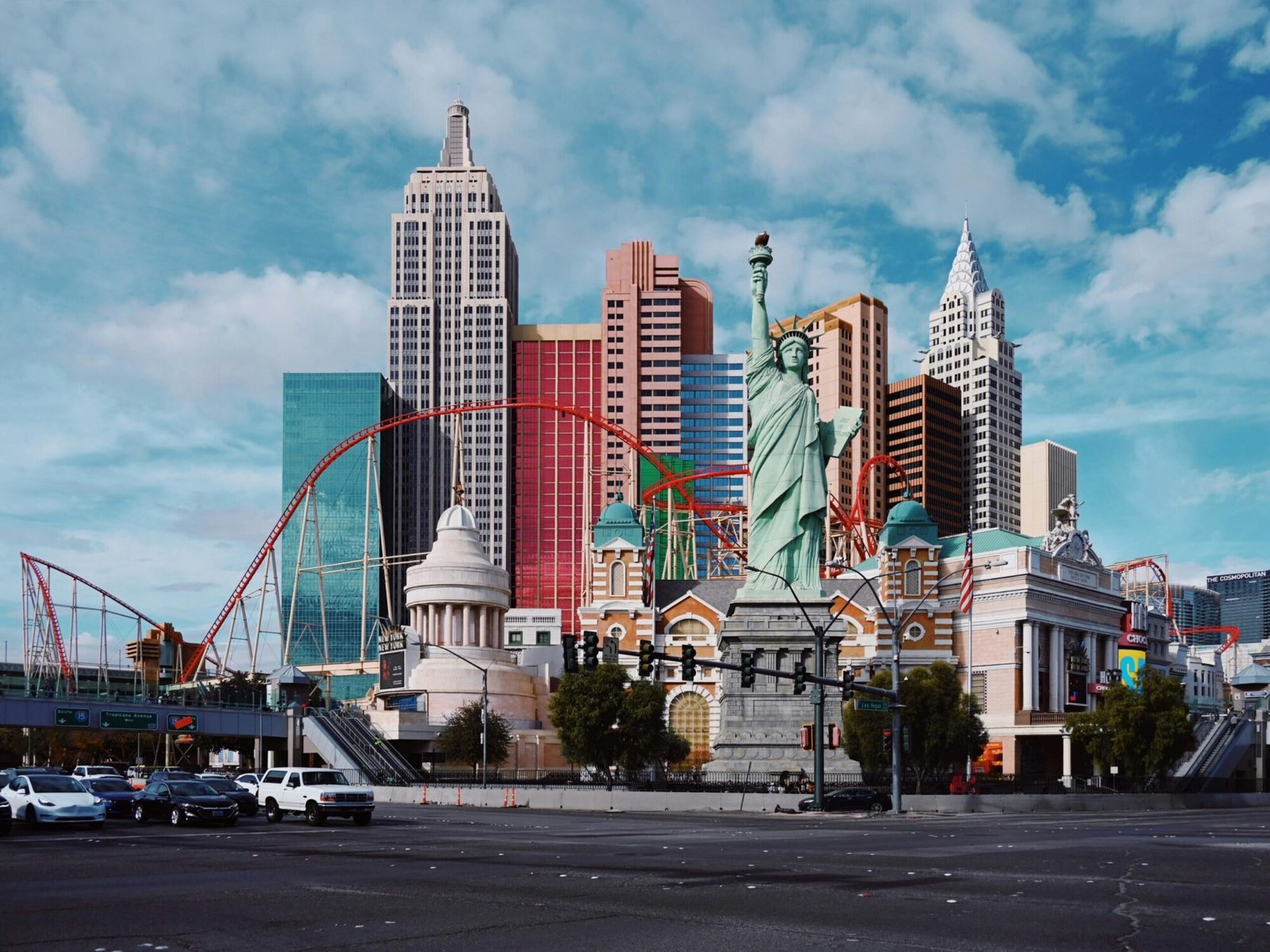
First time visiting USA is a trip that belongs on every international traveler’s list — and one that requires more preparation than most people expect. The United States is simultaneously the most familiar country in the world (you have seen it in thousands of films and TV shows) and the most consistently surprising one to actually visit. The scale alone catches people off guard every single time: what looks like a short drive between two cities on the map turns out to be an eight-hour journey. The price on the restaurant menu is never the final price you pay. The weather in one state bears no relationship to the weather 200 miles away in the next.
This guide covers everything an international visitor needs to know before landing in the USA in 2026 — entry requirements and the ESTA vs visa question, how much a US trip actually costs, which cities to visit first, how tipping works, what the sales tax situation means for your budget, how to get around a country with almost no intercity public transport, and the specific cultural differences that catch international visitors most off guard. Read this before you book anything.
Do You Need a Visa to Visit the USA? ESTA vs B-2 Visa Explained
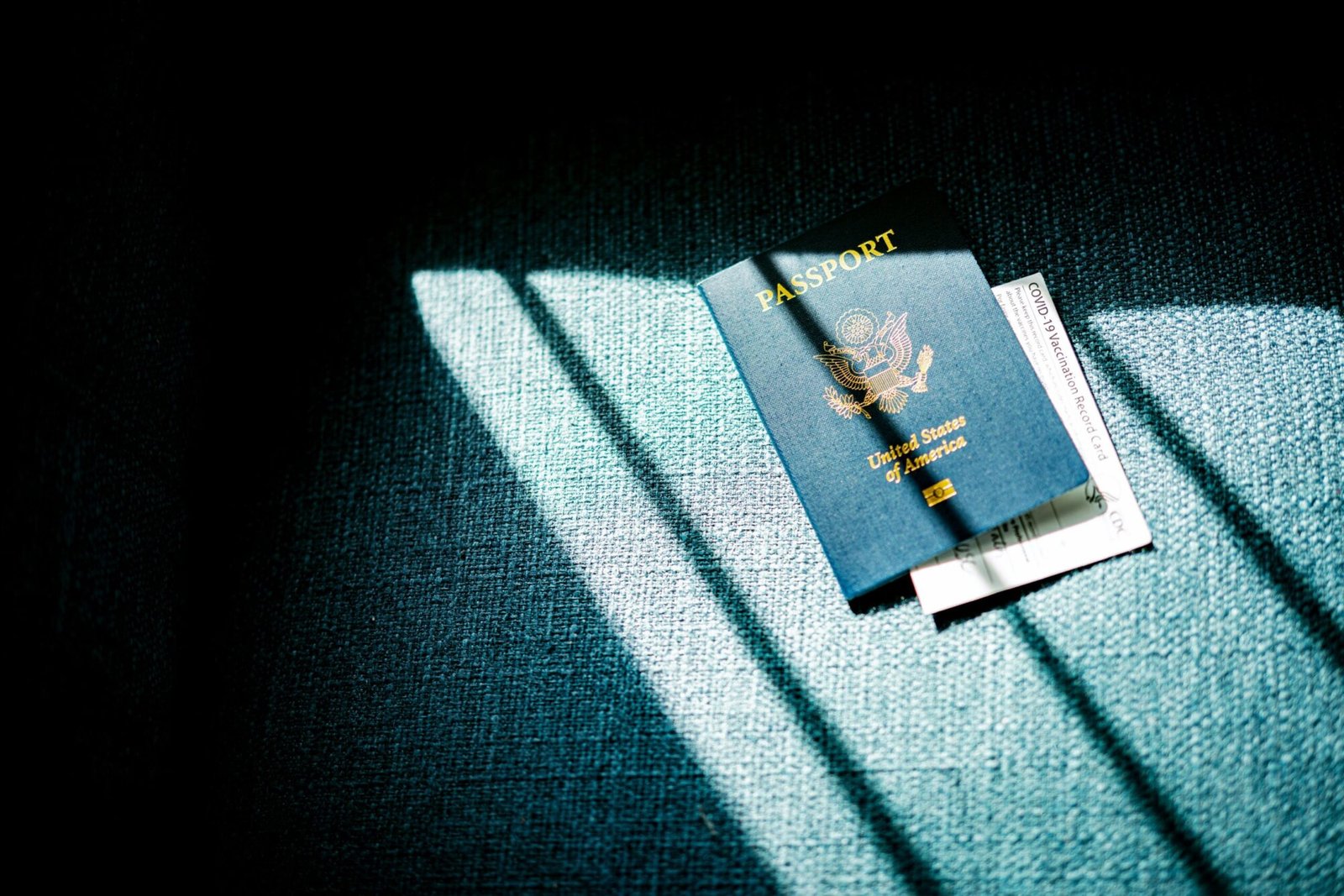
The single most important question to answer before planning any US trip is whether you need a visa or whether you qualify for ESTA — the Electronic System for Travel Authorization that allows visa-free entry under the Visa Waiver Program. These are two completely different processes with different costs, different timelines, and different permitted stay durations.
| Entry Type | Who Qualifies | Max Stay | Cost | How to Apply |
|---|---|---|---|---|
| ESTA (Visa Waiver Program) | Citizens of 42 countries including UK, Australia, New Zealand, Japan, South Korea, and most EU/Schengen countries | 90 days per visit — cannot be extended | USD $21 (~£17 / ~AU$33) | Online at esta.cbp.dhs.gov — takes 10 minutes, usually approved within 72 hours. Valid 2 years or until passport expires |
| B-2 Tourist Visa | All other nationalities not on the VWP list — including India, China, Brazil, South Africa, Philippines, Mexico and most of Africa, South Asia, Southeast Asia | Up to 6 months — exact duration set by CBP officer at entry | USD $185 (~₹15,540 / ~R3,400) non-refundable | Apply at US Embassy in your country — complete DS-160 form online, pay fee, attend in-person interview. Apply 3–6 months before travel |
Countries That Do NOT Need a Visa (ESTA Only)
The following nationalities can enter the USA visa-free using ESTA for stays of up to 90 days: United Kingdom, Australia, New Zealand, Japan, South Korea, Singapore, Germany, France, Italy, Spain, Netherlands, Belgium, Switzerland, Austria, Sweden, Norway, Denmark, Finland, Ireland, Portugal, Greece, Czech Republic, Poland, Hungary, Slovakia, Slovenia, Estonia, Latvia, Lithuania, Luxembourg, Malta, Iceland, Liechtenstein, Monaco, Andorra, San Marino, Brunei, Chile, and Taiwan.
USA Travel Insurance — Why It Is Non-Negotiable

Travel insurance for a USA trip is not a nice-to-have — it is the single most important thing you can buy before flying to America. The United States has the most expensive healthcare system in the world. A single emergency room visit for a broken bone costs USD $10,000 to $30,000 without insurance. An ambulance ride alone can cost USD $2,000 to $3,000. A serious illness requiring hospitalization can generate bills of USD $100,000 or more within days.
| Medical Scenario in USA | Approximate Cost Without Insurance |
|---|---|
| Emergency room visit (minor issue) | USD $1,500–$5,000 |
| Broken bone + X-ray + cast | USD $10,000–$25,000 |
| Ambulance ride | USD $2,000–$3,500 |
| One night hospital stay | USD $10,000–$30,000 |
| Appendix surgery | USD $35,000–$60,000 |
| Medical evacuation flight home | USD $50,000–$200,000 |
| Travel insurance (10-day USA trip) | USD $50–$150 — covers all of the above |
Buy travel insurance that specifically covers the United States with a minimum of USD $500,000 in medical coverage — the USA requires higher coverage limits than any other destination due to its healthcare costs. SafetyWing, World Nomads, and Allianz Travel are widely used by international visitors. Buy it the moment you book your flights.
How Much Does a USA Trip Cost — Complete Budget Guide
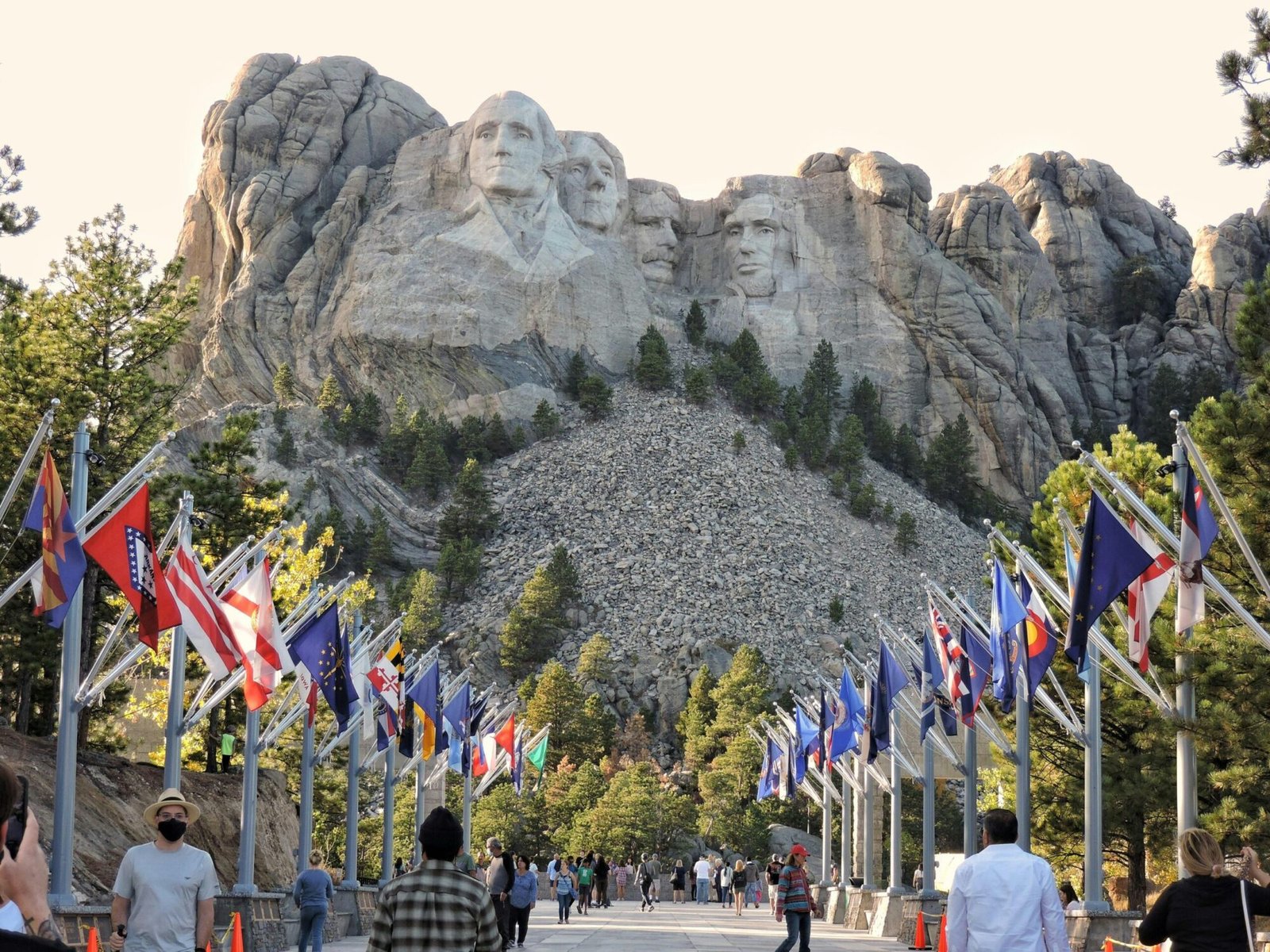
The USA is not as expensive as its reputation suggests — if you know how the pricing system works. The key surprises for first-time international visitors are sales tax (added at checkout, not shown on price tags), tipping (18–20% added to restaurant and service bills), and the sheer distances involved (flying within the USA is often necessary and adds significant cost to any multi-city itinerary).
| Expense Category | Budget | Mid-Range | Comfortable |
|---|---|---|---|
| Accommodation (per night) | USD $30–$70 (hostel / budget motel) | USD $100–$180 (3-star hotel) | USD $200–$400 (4-star hotel) |
| Food (per day) | USD $25–$40 (fast casual, grocery stores) | USD $50–$80 (mix of restaurants) | USD $100–$150 (sit-down restaurants) |
| Local transport (per day) | USD $10–$20 (public transit in cities) | USD $30–$60 (Uber/Lyft mix) | USD $60–$120 (rental car) |
| Activities (per day) | USD $15–$30 (free attractions + 1 paid) | USD $40–$80 (mix of attractions) | USD $80–$150 (tours + experiences) |
| Daily total (excluding flights) | USD $80–$160 | USD $220–$400 | USD $440–$820 |
The Sales Tax Surprise — What Every International Visitor Must Know
| State / City | Approximate Sales Tax Rate | Notes |
|---|---|---|
| Oregon | 0% | No sales tax — price shown is price paid |
| Montana | 0% | No sales tax |
| Delaware | 0% | Popular shopping destination for this reason |
| New York City | ~8.875% | State + city tax combined |
| Los Angeles, California | ~10.25% | Among the highest combined rates |
| Chicago, Illinois | ~10.25% | Varies by product type |
| Texas (most cities) | ~8.25% | No state income tax but higher sales tax |
| Florida (most areas) | ~7–8% | Varies by county |
The USA Tipping Guide — The Complete Rules for International Visitors
Tipping in America confuses almost every international visitor — not because it is complicated, but because it is so different from anywhere else. In most countries, service charge is included in the price. In the USA, servers, bartenders, and many other service workers are legally paid below minimum wage — as low as USD $2.13 per hour in some states — on the assumption that tips make up the difference. This makes tipping not a reward for exceptional service but a basic necessity for the worker’s income. Not tipping at a sit-down restaurant is considered genuinely rude — equivalent to refusing to pay part of the bill.
| Service | Standard Tip | Notes |
|---|---|---|
| Sit-down restaurant (table service) | 18–20% of pre-tax bill | This is mandatory, not optional. Check if gratuity is already added for groups of 6+ — if so, do not tip again |
| Bar (drinks) | $1–$2 per drink | Or 15–20% of total bar tab. Tipping well on the first round gets you faster service for the rest of the night |
| Uber / Lyft / taxi | 15–20% of fare | Add in the app for Uber/Lyft. Cash or app for taxis |
| Hotel housekeeping | $2–$5 per night | Leave cash on the pillow each morning — housekeeping staff changes daily |
| Hotel bellhop / luggage | $1–$2 per bag | For carrying bags to your room |
| Tour guide (half day) | $5–$10 per person | $15–$20 per person for full day tours |
| Fast food / counter service | Optional — 0% is fine | iPad screens asking for 20% tips at coffee counters and fast food are optional. You can press “No Tip” without any issue |
| Grocery stores / retail shops | No tip | Never tip at shops or supermarkets |
Getting Around the USA — Transport Guide for International Visitors
The United States is the most car-dependent developed nation in the world. Unlike Europe, Japan, or Australia, intercity public transport in the USA is extremely limited outside of the Northeast corridor (Boston–New York–Washington DC). Understanding this before you arrive saves enormous frustration and helps you plan a realistic itinerary.
| Transport Mode | Best For | Cost Range | Notes |
|---|---|---|---|
| Domestic flights | Traveling between cities more than 3 hours apart | USD $50–$300 per flight | USA is too big to drive everywhere. Flying between New York and Los Angeles (4.5 hours) beats driving (43 hours). Book 3–6 weeks ahead for best prices. Southwest, Delta, United, American, JetBlue are main carriers |
| Rental car | National parks, road trips, suburban areas, anywhere outside major cities | USD $40–$120 per day | Most practical option outside NYC, Chicago, San Francisco. Valid foreign driving license accepted in most states. Drive on the right. Minimum age usually 25 (21–24 pays young driver surcharge) |
| Amtrak (train) | Northeast Corridor (Boston–NYC–DC), California Zephyr road trip experience | USD $30–$200+ per journey | Practical only on the Northeast Corridor. Cross-country trains (Chicago to LA) are scenic but extremely slow — 2 to 3 days. Not useful for time-pressed visitors |
| Greyhound / FlixBus (bus) | Budget intercity travel on popular routes | USD $15–$60 | Cheapest intercity option but slow and uncomfortable for long distances. Better for short routes (NYC to Philadelphia, LA to San Diego) |
| Uber / Lyft | Within cities, airport transfers, short trips | USD $10–$60 per ride | Works in all major US cities. Download both apps — prices vary between them. Always check surge pricing before requesting |
| City public transit (subway/bus) | New York, Chicago, San Francisco, Washington DC, Boston | USD $2–$3 per ride | NYC subway is excellent and runs 24 hours. Most other US cities have limited or poor public transit outside downtown. Do not assume the bus system works like European cities |
Best Cities to Visit in the USA for First-Time International Visitors
| City | Why Visit | Best For | Days Needed |
|---|---|---|---|
| New York City | The quintessential American city — Times Square, Central Park, the Statue of Liberty, world-class museums, every cuisine on earth, extraordinary energy | First-time visitors, culture, food, architecture | 4–6 days minimum |
| Los Angeles | Hollywood, beaches, perfect weather, diverse food scene, road trip base for Southern California and national parks | Beach lovers, pop culture fans, road trippers | 3–5 days |
| Las Vegas | Unlike anywhere else on earth — the Strip, casinos, world-class shows, incredible restaurants, Grand Canyon day trip base | Entertainment, nightlife, day trips to national parks | 2–3 days |
| San Francisco | Golden Gate Bridge, cable cars, Alcatraz, extraordinary food, base for Yosemite and Napa Valley | First-timers, food lovers, nature day trips | 3–4 days |
| Washington DC | All the world-class Smithsonian museums are free, the National Mall, the Capitol, the monuments — the best free city in America | History lovers, families, budget travelers | 2–3 days |
| New Orleans | The most distinctive American city — jazz, Creole food, French Quarter architecture, Mardi Gras culture. Nothing like it | Food lovers, music fans, culture seekers | 2–3 days |
| Chicago | Stunning architecture, deep-dish pizza, world-class art museum, the most beautiful skyline in America, great public transit | Architecture, food, art, Midwest culture | 3–4 days |
| Miami | Art Deco South Beach, Cuban food in Little Havana, warm winter weather, Everglades nearby | Beach travelers, winter escapes, Latin culture | 2–3 days |
USA Cultural Tips — What Shocks International Visitors Most
| Cultural Difference | What to Expect |
|---|---|
| “How are you?” is not a real question | When an American asks “How are you?” or “How’s it going?” they expect “Good, thanks!” — not an actual answer about your health or feelings. It is a greeting, not an inquiry. Respond briefly and ask back |
| Free water and free refills | Tap water is provided free at restaurants without asking. Soft drink refills are usually free at casual restaurants. Never pay for tap water in a restaurant |
| Portions are enormous | American restaurant portions are significantly larger than in most other countries. Sharing a main course is completely normal. Asking for a “doggy bag” (takeaway box) for leftovers is standard practice — never wasteful or embarrassing |
| Drinking age is 21 — strictly enforced | Unlike most countries where the drinking age is 18, the USA enforces a minimum age of 21 for purchasing or consuming alcohol. You will be asked for photo ID at bars, restaurants, and shops even if you are clearly over 21. Always carry your passport or a government-issued ID |
| Personal space matters | Americans maintain a personal space bubble of approximately 1.5 to 2 feet. Standing closer than this in conversation feels invasive. Do not touch strangers. Handshakes are standard for introductions |
| Small talk with strangers is normal | Americans will casually chat with strangers in queues, shops, elevators, and public spaces. This is friendliness, not intrusiveness. Respond warmly — it is one of the genuinely pleasant cultural traits of the country |
| Marijuana — know the state laws | Marijuana is legal for recreational use in some states (California, Colorado, New York, Washington etc.) but illegal in others and illegal at the federal level. Never carry marijuana across state lines regardless of the laws in either state — this is a federal offense |
| Jaywalking tickets are real | Crossing the street outside a designated crosswalk (jaywalking) can result in a fine in many US cities. Use pedestrian crossings and wait for the walk signal |
Money and Payments in the USA

| Money Topic | What to Know |
|---|---|
| Card payments | The USA is extremely card-friendly. Visa and Mastercard accepted almost universally. Apple Pay and Google Pay work at most modern terminals. Carry some cash for tips at smaller establishments and parking meters |
| ATMs | Widely available at banks, convenience stores, and airports. Bank ATMs (Chase, Wells Fargo, Bank of America, Citibank) charge lower fees than standalone ATMs in shops. International withdrawal fees apply — check with your home bank before travel |
| Cash | USD $100 to $200 in cash is sufficient for most trips — for tips, small vendors, some parking. Most things can be paid by card |
| Foreign transaction fees | Many home-country bank cards charge 2–3% on every international transaction. Check your card’s foreign transaction fee before travel — or get a travel card (Wise, Revolut, Charles Schwab) that eliminates these fees |
| Credit card vs debit card | Credit cards offer better fraud protection in the USA. Hotels and car rental companies often require a credit card for the security deposit — debit cards are sometimes declined for this purpose |
Practical Checklist — Before You Fly to the USA
| Timeline | Task |
|---|---|
| 3–6 months before | Apply for B-2 visa if your country requires one. Embassy appointment wait times can be 3–6 months in busy periods |
| 6–8 weeks before | Book flights and accommodation. Domestic flights within USA get more expensive closer to travel date |
| 4–6 weeks before | Book any major attractions (Statue of Liberty ferry, Alcatraz, popular national park tours) — these sell out weeks in advance |
| 1–2 weeks before | Apply for ESTA if your country qualifies. Buy travel insurance. Notify your bank of travel dates. Book airport transfers |
| Before departure | Download Uber and Lyft apps. Download Google Maps offline for your destination cities. Get an eSIM (Airalo, Holafly) for immediate US mobile data on arrival |
| At the airport | Have ready: passport, printed ESTA or visa, return flight ticket, hotel booking for first night, bank statement or proof of funds. Answer CBP questions clearly and honestly |
Final Verdict
First time visiting the USA is an experience that rewards preparation and punishes assumptions. The country is too large, too varied, and too different from everywhere else to navigate comfortably without understanding the basics — the tipping system, the sales tax, the distances, the healthcare costs, the entry requirements. Get these things right before you arrive and you are free to focus on what actually matters: the extraordinary range of experiences the country offers, from the vertical drama of Manhattan to the silent red rock canyons of Utah to the live music pouring out of every bar in New Orleans on a Tuesday night.
Pick one region and go deep rather than trying to cover the whole country in one trip. Come back for the rest — and you will come back. Almost every international visitor who prepares properly and sets realistic expectations leaves with the same conclusion: the USA is bigger, more beautiful, more culturally diverse, and more genuinely fascinating than anything they watched on television suggested.
The Best City to Spend Winter in the USA (Warm, Fun, and Stress-Free) – Read Full Article
Winter Travel Destinations in USA for Couples (2026 Updates) – Read Full Article
Best Winter Destinations in USA that are not Expensive (2026 Updates) – Read Full Article
USA 250th Anniversary Events for Families in NYC – Read Full Article
Noctourism USA: Best after-dark nature tours 2026 – Read Full Article
Frequently Asked Questions
Do I need a visa to visit the USA?
It depends on your passport. Citizens of 42 countries — including the UK, Australia, New Zealand, Japan, South Korea, and most EU nations — can enter the USA visa-free for up to 90 days using ESTA (Electronic System for Travel Authorization), which costs USD $21 and is applied for online. All other nationalities — including India, China, Brazil, South Africa, and most of Africa, South Asia, and Southeast Asia — require a B-2 tourist visa, applied for at the US Embassy in their home country, costing USD $185, requiring an in-person interview, and allowing stays of up to 6 months.
How much money do I need per day in the USA?
Budget travelers spending carefully need approximately USD $80 to $160 per day (excluding flights) — staying in hostels or budget motels, eating at fast casual restaurants and grocery stores, and using public transit in cities. Mid-range travelers spending comfortably need USD $220 to $400 per day — 3-star hotels, mix of restaurants, Uber rides. Always add 18–20% for restaurant tips and 8–10% for sales tax on top of all listed prices — these are not optional additions and add significantly to daily costs.
Is tipping mandatory in the USA?
Yes — at sit-down restaurants with table service, tipping 18 to 20 percent of the pre-tax bill is expected and not optional. US servers are legally paid as little as $2.13 per hour in some states, on the legal assumption that tips make up the rest of their income. Not tipping at a table-service restaurant is considered equivalent to refusing to pay part of the bill. Tipping is optional at fast food counters and take-away service. Tipping is also expected for Uber/Lyft drivers (15–20%), hotel housekeeping ($2–5 per night), and tour guides ($5–10 per person for half-day tours).
What is the best time to visit the USA?
The USA has such extreme geographic and climate variation that the best time depends entirely on which region you are visiting. For New York City — spring (April–May) and autumn (September–October) offer the best weather and smaller crowds than summer. For national parks in the Southwest (Grand Canyon, Zion, Bryce) — spring (March–May) and autumn (September–October) avoid summer’s extreme heat and winter’s potential snow closures. For Florida — November to April avoids hurricane season and summer humidity. For Alaska — June to August is the only practical window for most visitors. In general, June to August is peak season nationally with highest prices and most crowds; May and September offer excellent value with good weather in most regions.
How do I get around the USA without a car?
Without a car, you are essentially limited to the major cities with decent public transit: New York, Washington DC, Chicago, San Francisco, and Boston all have excellent subway systems. For intercity travel, the Amtrak train is practical only on the Northeast Corridor between Boston, New York, and Washington DC. For everywhere else — Las Vegas, the national parks, Los Angeles suburbs, the South, the Midwest — a rental car or domestic flights are the only practical options. Greyhound and FlixBus cover some intercity routes cheaply but slowly. The USA is fundamentally designed around car ownership in a way that Europe and Asia are not.
Is the USA safe for international tourists?
The USA is safe for international tourists in the vast majority of situations and destinations. Standard urban precautions apply in all major cities — be aware of your surroundings, do not leave valuables visible in rental cars, use ATMs inside banks rather than on quiet streets at night. Some neighborhoods in every major city have higher crime rates — your hotel concierge or a quick Google search will tell you which areas to avoid. Natural hazards vary by region — hurricane season in Florida and the Gulf Coast runs June to November, tornadoes in the Midwest are most common in spring, and wildfires affect California and the West in summer and autumn. The 911 emergency number covers police, fire, and ambulance across the entire country.
Hello,
I hope you are well. I need guest post on your website. Could you please tell me price for per post.
Waiting for your positive response
Regards
Shahzaib
Hi Shahzaib,
Thank you for your inquiry.
Our price for one blog post is USD 5. If you are interested, please email me your blog content along with the images and relevant links.
Thank you.