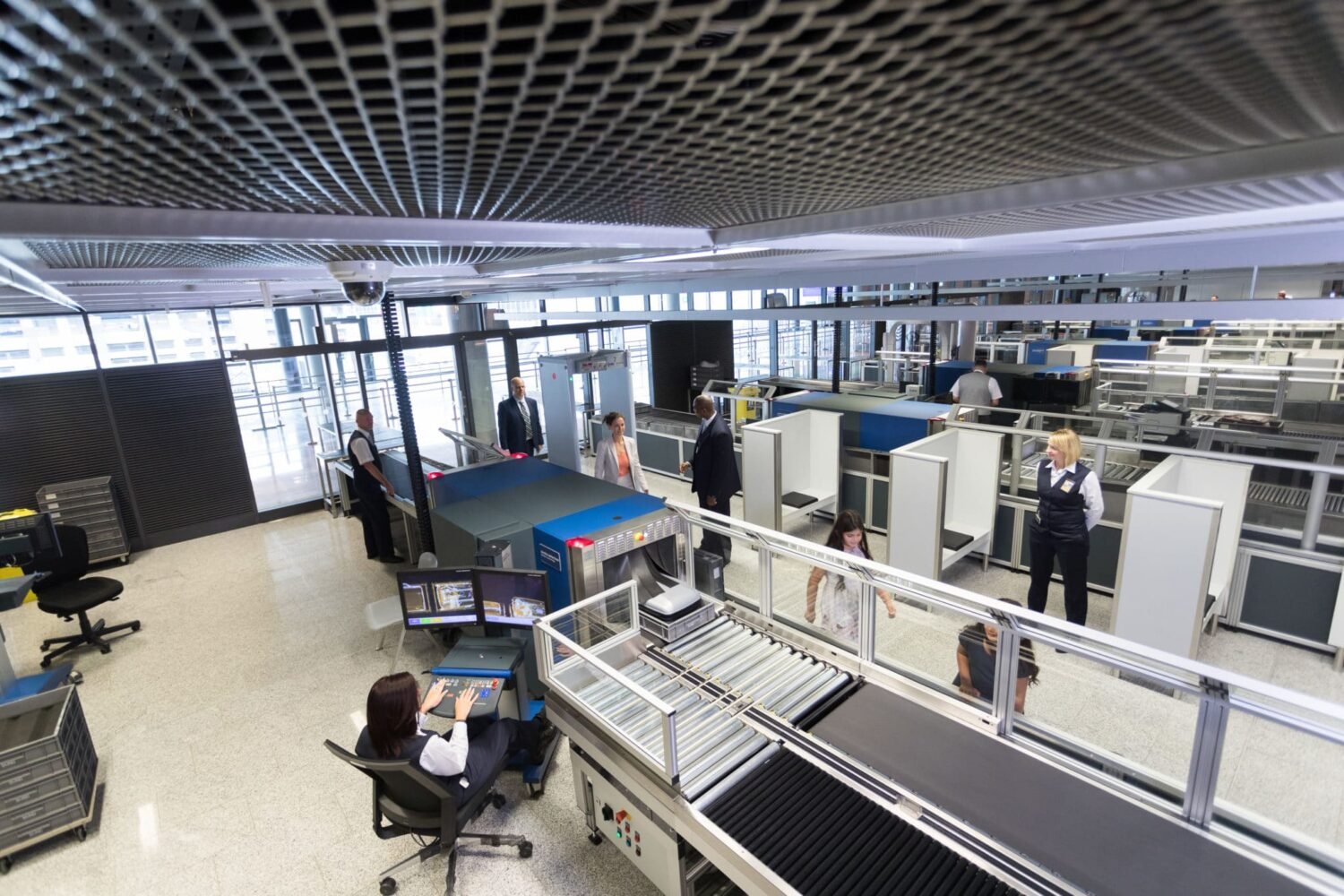
Flying within the United States is easier than international travel, but security screening still follows strict rules. That’s why many travelers search airport security procedures for domestic flights before heading to the airport. In 2026, these procedures are standardized across US airports, and knowing them helps you move faster and avoid common mistakes.
This guide explains airport security procedures for domestic flights in clear, simple language—exactly what happens, what you need, what gets checked, and what surprises travelers most.
The Big Picture (Simple Overview)
If you want airport security procedures for domestic flights in one quick list:
-
Enter the security checkpoint
-
Show ID and boarding pass
-
Prepare bags and clothing
-
Bags go through X-ray
-
You go through body screening
-
Extra screening if needed
-
Collect belongings and exit
Every US airport follows this same structure.
Step 1: Enter the Security Checkpoint
The airport security procedures for domestic flights begin when you enter the checkpoint area.
At this stage:
-
Officers manage line flow
-
Signs explain preparation rules
-
You choose the correct lane
Once you join the line, screening is mandatory.
Also Read:-
- Airport Security Screening Process Explained
- How Airport Security Decides Random Checks
- Why Airport Security Takes Longer Some Days
- What Happens After Security Screening?
Step 2: ID and Boarding Pass Check
The next step in airport security procedures for domestic flights is identity verification.
You must present:
-
A valid government-issued photo ID
-
A boarding pass (digital or printed)
The officer confirms you are cleared for domestic air travel.
Step 3: Preparing Your Belongings
Most delays in airport security procedures for domestic flights happen here.
You are typically required to:
-
Remove shoes
-
Empty pockets
-
Remove belts or heavy jackets
-
Take electronics out of bags
-
Separate liquid items
Everything goes into bins for screening.
Step 4: Bag Screening (X-Ray)
Your bags pass through an X-ray scanner as part of airport security procedures for domestic flights.
Security looks for:
-
Prohibited items
-
Oversized liquids
-
Sharp objects
-
Dense or unclear items
If something looks unclear, your bag may be pulled aside.
Step 5: Body Screening
Next, you go through body screening in the airport security procedures for domestic flights.
This may involve:
-
Walking through a metal detector
-
Standing briefly in a body scanner
You’ll be guided step by step and asked to hold still for a few seconds.
Step 6: Secondary Screening (If Required)
Sometimes travelers are selected for extra checks. This is a normal part of airport security procedures for domestic flights.
Secondary screening can include:
-
Additional bag inspection
-
Hand swab testing
-
Brief pat-down
Selection can be random or scanner-related.
Step 7: Collect Items and Exit
The final step in airport security procedures for domestic flights is reassembly.
You will:
-
Collect bags and shoes
-
Put clothing back on
-
Exit into the secure terminal
Once you leave the checkpoint, screening is complete.
What Is NOT Checked for Domestic Flights
Understanding airport security procedures for domestic flights also means knowing what doesn’t happen.
For domestic flights:
-
No passport check
-
No customs inspection
-
No immigration screening
Those steps only apply to international travel.
Liquids Rules for Domestic Flights
Liquids are a major part of airport security procedures for domestic flights.
You must:
-
Carry liquids in small containers
-
Place them together
-
Make them easy to inspect
Improper liquids are the most common reason for bag checks.
Electronics Rules Explained
Electronics slow down airport security procedures for domestic flights if not handled properly.
Typically:
-
Laptops must be removed
-
Tablets and large devices separated
-
Small electronics may stay in bags
Stacking devices often triggers bag inspection.
Shoes, Belts, and Jackets
Clothing rules are a frequent confusion point in airport security procedures for domestic flights.
In most cases:
-
Shoes must be removed
-
Belts may need removal
-
Light jackets come off
Always follow officer instructions at your lane.
Why Some Travelers Get Extra Screening
Extra screening is built into airport security procedures for domestic flights.
It may happen due to:
-
Random selection
-
Scanner alerts
-
Bag contents that need clarification
It does not mean suspicion.
How Long Domestic Security Screening Takes
Time varies widely in airport security procedures for domestic flights.
Typical wait times:
-
Off-peak: 10–20 minutes
-
Busy times: 30–60 minutes or more
Arrival timing matters more than anything else.
Peak Times That Slow Security
Security lines grow longer during:
-
Early morning departure waves
-
Mondays and Fridays
-
Sundays and holidays
These patterns explain many complaints about airport security procedures for domestic flights.
Common Mistakes That Cause Delays
Knowing airport security procedures for domestic flights helps avoid these errors:
-
Liquids buried in bags
-
Electronics left inside backpacks
-
Wearing hard-to-remove shoes
-
Digging through bags at the belt
Prepared travelers move fastest.
What Happens If You Refuse Screening
Refusal is not allowed in airport security procedures for domestic flights.
If you refuse:
-
You will not be allowed to fly
-
Airlines cannot override security
-
Your trip ends at the checkpoint
Screening is mandatory for all passengers.
Domestic Security vs International Security
While airport security procedures for domestic flights are strict, international travel adds more steps later.
Key difference:
-
Domestic screening ends at the checkpoint
-
International trips add passport and customs checks later
The security checkpoint itself is very similar.
Why Procedures Feel Stricter in 2026
Many travelers feel airport security procedures for domestic flights are stricter now.
Reasons include:
-
Higher passenger volume
-
Busier airports
-
Less tolerance for delays
-
Faster throughput expectations
Rules haven’t changed much—enforcement has.
How to Get Through Faster (Real Tips)
To master airport security procedures for domestic flights:
-
Pack liquids on top
-
Wear easy-to-remove shoes
-
Remove electronics early
-
Watch the line ahead
-
Follow instructions immediately
Preparation saves more time than anything else.
Common Myths (Cleared Up)
Understanding airport security procedures for domestic flights clears these myths:
-
❌ Security is random chaos
-
❌ Officers pick who to slow
-
❌ You can skip steps
All false.
Why Domestic Security Matters
The purpose of airport security procedures for domestic flights is simple:
-
Protect passengers
-
Protect aircraft
-
Keep flights operating safely
-
Prevent disruptions
Efficiency and safety work together.
Final Verdict
So, airport security procedures for domestic flights—what should you remember?
Final Answer
-
Screening follows a fixed step-by-step process
-
Most delays are caused by unprepared travelers
-
Extra screening is routine
-
Preparation makes the biggest difference
In 2026, domestic airport security in the US is predictable and manageable. Once you understand airport security procedures for domestic flights, you’ll move through checkpoints faster, stay calmer, and start your trip on the right note.
The key is simple: know the process before you reach the line.
Also Read:-