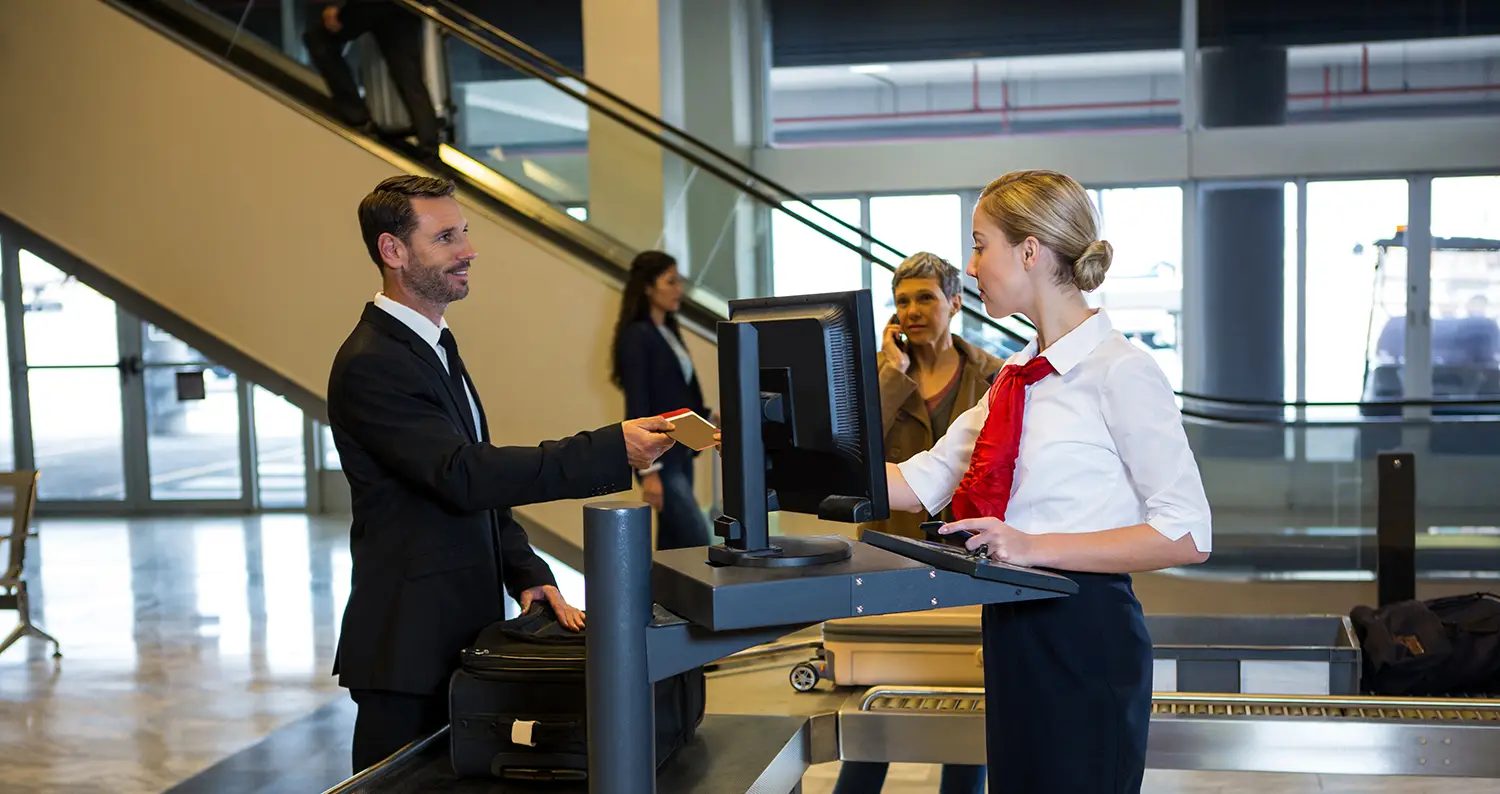
Airport security can feel stressful if you don’t know what’s coming next. That’s why many travelers search airport security screening process explained before flying in the U.S. In 2026, the process is structured, predictable, and designed to move people safely and efficiently—if you know how it works.
This guide explains the airport security screening process explained step by step, from joining the line to putting your shoes back on, so you know exactly what to expect and how to get through faster without mistakes.
The Big Picture (Simple Overview)
If you want the airport security screening process explained in plain terms:
-
Join the security line
-
Show ID and boarding pass
-
Place items in bins
-
Walk through screening scanner
-
Secondary screening (if needed)
-
Collect belongings and exit
Every U.S. airport follows this same basic structure.
Also Read:-
- Airport Security Screening Process Explained
- How Airport Security Decides Random Checks
- Why Airport Security Takes Longer Some Days
- What Happens After Security Screening?
- Airport Security Procedures for Domestic Flights
- Why Security Checks Bags Manually
- How Airport Scanners Detect Items
- Security Check Steps at US Airports
- What to Expect at Airport Security for the First Time
Step 1: Enter the Security Line
The airport security screening process explained begins when you enter the checkpoint area.
At this stage:
-
You choose the correct line (standard, expedited, or pre-screened)
-
Officers monitor crowd flow
-
Instructions are posted or announced
Staying alert here saves time later.
Step 2: ID and Boarding Pass Check
Next in the airport security screening process explained is document verification.
You will:
-
Present a valid photo ID
-
Show your boarding pass (digital or printed)
The officer confirms:
-
Your identity
-
Your flight eligibility
-
That you’re in the correct terminal
Once cleared, you move directly to the screening area.
Step 3: Prepare Your Items for Screening
This is where most delays happen in the airport security screening process explained.
You’ll be asked to:
-
Remove shoes (in most lanes)
-
Take electronics out of bags
-
Remove liquids bag
-
Empty pockets
-
Remove belts or jackets if required
Items go into plastic bins on a conveyor belt.
Step 4: Bag Screening (X-Ray)
While you prepare yourself, your bags go through X-ray machines. This part of the airport security screening process explained happens simultaneously.
Security scans bags for:
-
Prohibited items
-
Liquids over limits
-
Sharp objects
-
Dense or unclear materials
If something looks suspicious, your bag may be pulled aside.
Step 5: Body Screening (Scanner or Metal Detector)
Next, you go through body screening in the airport security screening process explained.
Depending on the lane:
-
You may walk through a metal detector
-
Or stand briefly in a body scanner
You’ll be asked to:
-
Follow hand placement instructions
-
Stand still for a few seconds
This step is fast and routine.
Step 6: Secondary Screening (If Needed)
Sometimes, travelers are selected for extra checks. This is a normal part of the airport security screening process explained.
Secondary screening may include:
-
Additional bag inspection
-
Hand swab for trace detection
-
Pat-down in specific areas
Selection can be random or based on scanner alerts.
Step 7: Repacking and Exit
The final step in the airport security screening process explained happens immediately after screening.
You’ll:
-
Collect shoes, bags, and electronics
-
Put items back on
-
Exit the checkpoint area
Once you step out, security screening is complete.
Why Security Screening Takes Time
Understanding the airport security screening process explained helps explain delays.
Screening slows down due to:
-
Unprepared passengers
-
Full bins backing up
-
Secondary screenings
-
Peak travel times
Most delays are caused by travelers—not the system.
Common Mistakes That Slow You Down
Knowing the airport security screening process explained helps you avoid these mistakes:
-
Liquids left in bags
-
Electronics not removed
-
Wearing bulky clothing
-
Not listening to instructions
-
Digging through bags at the belt
Avoiding these makes screening faster for everyone.
What Triggers Extra Screening
In the airport security screening process explained, extra checks are normal.
Triggers include:
-
Dense items in bags
-
Large electronics stacked together
-
Random selection
-
Scanner alerts
It’s procedural, not personal.
Shoes, Belts, and Jackets Explained
A frequent confusion point in the airport security screening process explained is clothing removal.
Typically:
-
Shoes must be removed
-
Belts may need removal
-
Light jackets often come off
Following instructions exactly prevents re-screening.
Liquids Rule (Still Enforced in 2026)
Liquids are a major part of the airport security screening process explained.
Rules generally require:
-
Liquids in small containers
-
All liquids placed together
-
Easy visibility for inspection
Improper liquids are the #1 cause of bag checks.
Electronics Screening Rules
Electronics slow down the airport security screening process explained if mishandled.
Common requirements:
-
Laptops removed from bags
-
Tablets separated
-
Large cameras screened individually
Stacking devices often triggers bag checks.
Why Random Screening Exists
Random checks are a key security layer in the airport security screening process explained.
They:
-
Prevent predictable patterns
-
Increase overall security
-
Apply to all travelers equally
Random does not mean suspicious.
Domestic vs International Flights
For U.S. departures, the airport security screening process explained is nearly identical for domestic and international flights.
The difference comes later at:
-
Passport control (international arrivals)
-
Customs screening
Security screening itself stays the same.
Why the Process Feels Stricter in 2026
In 2026, the airport security screening process explained feels stricter because:
-
Passenger volume is higher
-
Airports are busier
-
Less tolerance for delays
-
Faster screening expectations
Rules haven’t changed much—enforcement has.
How to Get Through Faster (Real Tips)
To master the airport security screening process explained, do this:
-
Wear easy-to-remove shoes
-
Keep liquids accessible
-
Pack electronics on top
-
Empty pockets early
-
Watch the line ahead
Prepared travelers move fastest.
What Happens If You Refuse Screening
Refusal is part of the airport security screening process explained consequences.
If you refuse:
-
You won’t be allowed to fly
-
Your trip ends at security
-
Airlines will not override screening
Screening is mandatory for all passengers.
Common Myths (Cleared Up)
Understanding the airport security screening process explained clears up myths:
-
❌ Screening is random chaos
-
❌ Officers choose people personally
-
❌ You can skip steps
All false. The process is standardized.
Why Security Screening Matters
The airport security screening process explained exists to:
-
Protect passengers
-
Protect aircraft
-
Maintain national air safety
-
Prevent disruptions
Efficiency and safety work together.
Final Verdict
So, airport security screening process explained—what’s the takeaway?
Final Answer
-
Screening follows a strict step-by-step system
-
Most delays are caused by unprepared travelers
-
Extra screening is normal and routine
-
Preparation makes the biggest difference
In 2026, airport security is predictable, not confusing. Once you understand the airport security screening process explained, you’ll move through checkpoints faster, calmer, and with far less stress.
The key is simple: prepare before you reach the belt.
Also Read:-
- Airport Security Screening Process Explained
- How Airport Security Decides Random Checks
- Why Airport Security Takes Longer Some Days
- What Happens After Security Screening?
- Airport Security Procedures for Domestic Flights
- Why Security Checks Bags Manually
- How Airport Scanners Detect Items
- Security Check Steps at US Airports
- What to Expect at Airport Security for the First Time