
Europe sleeper train routes 2026 are expanding faster than at any point in the past three decades — and for travelers across the continent, this is genuinely exciting news. What was once dismissed as a relic of pre-budget-airline travel has quietly transformed into one of the most exciting developments in European tourism, driven by a combination of environmental awareness, rising flight costs, airport frustration, and a growing appetite for the kind of slow, atmospheric travel that only a night train can provide.
The numbers tell the story clearly. In 2010, there were over 200 overnight rail routes operating across Europe. By 2016, that number had collapsed to fewer than 50 as budget airlines undercut train operators on price and speed. But from 2020 onwards, the trend began reversing — and by 2026, new sleeper services are being launched or expanded across the continent at a pace that would have seemed impossible just five years ago.
New routes connect Paris to Berlin, Amsterdam and Brussels to Milan, and Eastern European capitals to Germany and Austria overnight. The UK’s Caledonian Sleeper is expanding its network. Austrian operator ÖBB’s NightJet — the largest sleeper train network in Europe — continues adding connections. And newer independent operators like European Sleeper are launching services on routes that governments and national rail companies abandoned years ago.
This guide covers every significant new Europe sleeper train route launching or expanding in 2026, explains exactly what modern night trains are like to travel on, breaks down costs and booking options, and answers every question you need to know before booking your first overnight rail journey across Europe.
Why Europe Sleeper Trains Are Making a Comeback in 2026
Understanding why sleeper trains are returning helps explain why this revival looks genuinely sustainable rather than a short-term trend.
Environmental pressure is reshaping how Europeans travel. A flight from Amsterdam to Rome produces roughly 150 to 200 kg of CO2 per passenger. The equivalent overnight train journey produces approximately 15 to 20 kg — around 90 percent less. As European governments introduce flight taxes, expand carbon pricing, and some countries like France ban domestic flights where a train alternative under 2.5 hours exists, travelers are actively seeking lower-emission alternatives for short and medium-haul European journeys.
Airport fatigue is real and growing. Budget flights may still undercut train prices on paper, but the full cost comparison looks very different when you factor in: budget airport locations 40 to 90 minutes from city centres, 2-hour pre-flight check-in requirements, hand luggage restrictions, bag fees, flight delays, and the overall stress of modern air travel. A sleeper train departs from a central city station, allows generous luggage, and delivers you to another central city station — no security theatre, no middle seat, no 5am alarm for a 7am flight.
Night trains save both time and money on accommodation. A sleeper train from Paris to Berlin takes around 13 hours overnight. You board in the evening, sleep, and arrive at your destination in the morning — saving one night’s hotel cost that effectively subsidises the train ticket. For budget travelers especially, this changes the economics significantly.
The slow travel movement has given night trains cultural cachet. There is a growing audience of travelers — particularly among younger Europeans and international visitors — who actively want the experience of waking up in a different country after a night on the rails. The romance of train travel, which budget airlines entirely lack, is a genuine draw.
New Europe Sleeper Train Routes in 2026: The Complete List
Route 1: Paris to Berlin (European Sleeper)
The most significant new sleeper launch of 2026 is the revival of overnight rail between Paris and Berlin — two of Europe’s greatest cities, connected by a night train for the first time in years. The service is operated by European Sleeper, an independent Belgian-Dutch operator that has been gradually rebuilding the European night train network since its first Brussels to Prague service launched in 2023.
Key details:
- Launch date: March 26, 2026
- Operator: European Sleeper
- Frequency: approximately three times per week
- Stops: Paris — Brussels — Aachen — Cologne — Berlin
- Journey time: approximately 13 to 14 hours overnight
- Accommodation: seats, couchettes (shared berths), and private sleeper cabins
- Ticket prices: from approximately €49 for a seat, €79 for a couchette, €129+ for a private cabin
This route revives a connection that was abandoned when Deutsche Bahn cancelled its City Night Line services over a decade ago. The fact that an independent operator has revived it — rather than waiting for national rail companies to act — is a sign of just how much demand exists for this type of service.
For travelers, the Paris-Berlin sleeper is transformative. Board at Paris Gare du Nord in the late evening, wake up at Berlin Hauptbahnhof the following morning, and you have done a 1,000 km cross-continental journey without a flight, a hotel night, or an early alarm.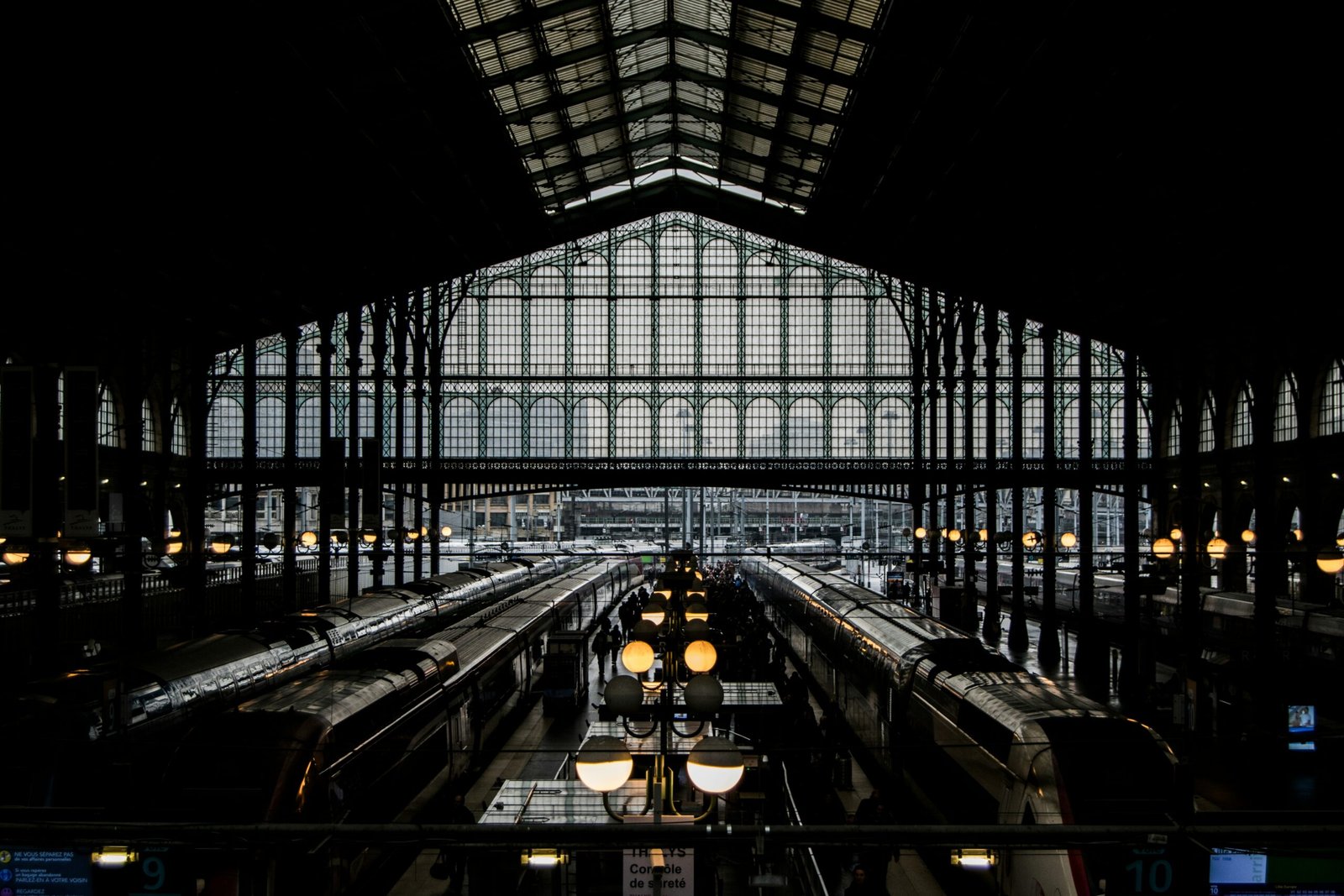
Route 2: Amsterdam and Brussels to Milan (New Alpine Sleeper)
One of the most scenically extraordinary new routes of 2026 connects Northern Europe to Northern Italy overnight, passing through the Swiss Alps in darkness — which means passengers wake up as the train descends toward Milan through some of the most dramatic mountain landscapes in Europe.
Key details:
- Route: Amsterdam / Brussels — Cologne — Basel — Bern — Brig — Stresa — Milan
- Launch: planned for mid-2026
- Countries crossed: Netherlands or Belgium, Germany, Switzerland, Italy
- Journey time: approximately 12 to 14 hours depending on boarding point
- The Alpine section through Switzerland is crossed overnight, with arrival in Milan in the morning
This route directly replaces the short-haul flights that currently connect Amsterdam, Brussels, and Cologne to Milan — flights that are increasingly subject to criticism for their carbon footprint on a corridor well-served by existing rail. For travelers heading from the Netherlands, Belgium, or Western Germany to Northern Italy, the overnight train now becomes a genuinely competitive option against flying.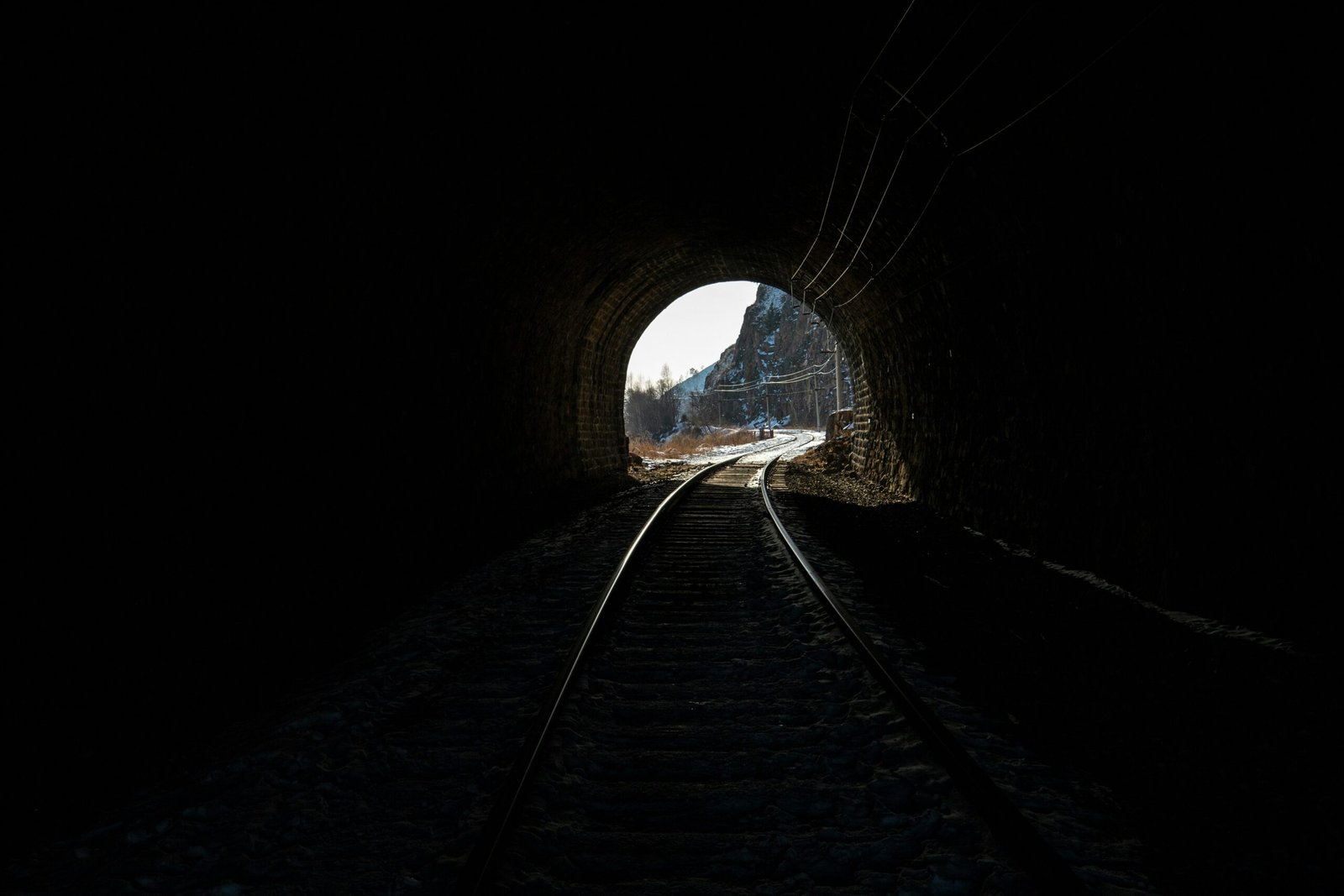
Route 3: Brussels to Zurich to Milan (Extended European Sleeper)
A second sleeper connection on the Belgium-Switzerland-Italy corridor launches in late 2026, expanding the network and offering additional departure options for travelers moving between Northwestern Europe and the Italian peninsula.
Key details:
- Route: Brussels — Cologne — Zurich — Milan
- Launch date: September 2026
- Accommodation: shared couchette cabins, private sleeper compartments, onboard lounge areas
- Wi-Fi available throughout the journey
- Ticket prices: from approximately €49 for shared couchettes
- Breakfast service included with private cabin bookings
The combination of these two Belgium-Italy sleeper routes — one via Bern and one via Zurich — creates a genuine overnight rail corridor between Northwestern Europe and Italy for the first time in the modern era, offering travelers flexibility in departure times and intermediate stops.
Route 4: Poland to Austria, Hungary and Germany Night Train (PKP Intercity)
Eastern Europe’s night train network is also expanding significantly in 2026, with Polish national rail operator PKP Intercity launching and extending overnight services connecting Central and Eastern European capitals in a single journey.
Key details:
- Route: Przemyśl (eastern Poland) — Kraków — Warsaw — Vienna — Bratislava — Budapest — Munich
- Journey time: approximately 16 hours overnight between the Polish and German endpoints
- Accommodation: couchette cabins (shared), private sleeper cabins with onboard showers
- Connects five Central European countries in a single overnight journey
- Particularly useful for travelers moving between Poland and Germany, Austria, or Hungary
This Eastern European corridor had largely been abandoned by overnight rail during the budget airline era, and its revival reflects both the growing environmental consciousness among Central European travelers and the practical advantages of overnight rail in a region where city-centre-to-city-centre rail connections are often significantly more convenient than flying through hub airports.
Route 5: NightJet Expansions — Vienna to Paris, Amsterdam and Brussels
ÖBB NightJet, the Austrian national rail operator that has led Europe’s sleeper train revival, continues expanding its network in 2026 with additional frequency and new connections from Vienna to Western European cities that were previously only served a few times per week.
Key NightJet routes operating or expanding in 2026:
- Vienna — Salzburg — Paris: 14 hours overnight, now operating more frequently
- Vienna — Munich — Amsterdam: overnight connection between Austria and the Netherlands
- Vienna — Brussels: expanded frequency with improved cabin options
- Zurich — Hamburg: a key North-South Germany connection with Alpine scenery
- Vienna — Rome: one of NightJet’s most popular routes, crossing the Alps overnight
NightJet’s continued expansion is significant because it provides the largest and most reliable sleeper network in Europe, with consistent service quality, well-maintained rolling stock, and integration with the broader Eurail pass system that makes multi-country rail travel accessible for international visitors.
Route 6: London to Scotland — Caledonian Sleeper Expansion
Within the United Kingdom, the Caledonian Sleeper — the overnight service connecting London Euston with destinations across Scotland — is expanding its reach in 2026 with improved connectivity via Birmingham, making the service accessible to passengers from England’s second-largest city for the first time.
Key details:
- New Birmingham connection added for 2026, allowing boarding at Birmingham New Street before the train continues north
- Scottish destinations served: Edinburgh, Glasgow, Stirling, Perth, Dundee, Aberdeen, Inverness, Fort William, and the Scottish Highlands
- Accommodation: seated carriages, club rooms (private rooms with seats that convert to beds), and double rooms
- Departs London Euston in the late evening, arrives in Scottish cities the following morning
- The Fort William and Inverness routes pass through some of the most spectacular Highland scenery in Britain
For travelers who want to explore the Scottish Highlands without a long daytime journey, the Caledonian Sleeper remains one of the most romantic and practical transport options in Britain. Waking up to the Scottish Highlands outside your window as the train approaches Fort William or Inverness is an experience unlike anything else in British travel.
What Are Modern Sleeper Trains Actually Like?
If your image of a European night train is based on films or travel memories from decades ago, the reality of modern sleeper trains in 2026 will likely surprise you — positively. The best services have genuinely transformed the experience.
Accommodation types available on most routes:
| Cabin Type | What It Includes | Typical Price From | Best For |
|---|---|---|---|
| Seat | Reclining seat, shared carriage | €29 – €49 | Budget travelers, short routes |
| Couchette | Shared cabin, 4–6 fold-down berths, pillow and blanket | €49 – €89 | Solo travelers, budget-conscious |
| Private sleeper cabin | Private lockable room, 1–3 berths, bedding, sometimes breakfast | €99 – €179 | Couples, families, business travelers |
| Deluxe cabin | Private room with en-suite shower and toilet, full breakfast | €189 – €299 | Comfort travelers, special occasions |
Beyond accommodation, modern sleeper trains in 2026 typically include Wi-Fi throughout the train, power outlets at every berth, a lounge or dining car serving drinks and light meals, breakfast service (included with private cabins on most NightJet and European Sleeper routes), and luggage storage at the end of each carriage.
New generation rolling stock — particularly ÖBB NightJet’s new fleet of trains entering service from 2024 onwards — features air conditioning in all classes, improved sound insulation for a quieter ride, and modernised bathroom facilities. The experience is not quite a hotel on wheels, but it is a significant upgrade from the aging carriages that gave overnight trains a poor reputation in the 2000s.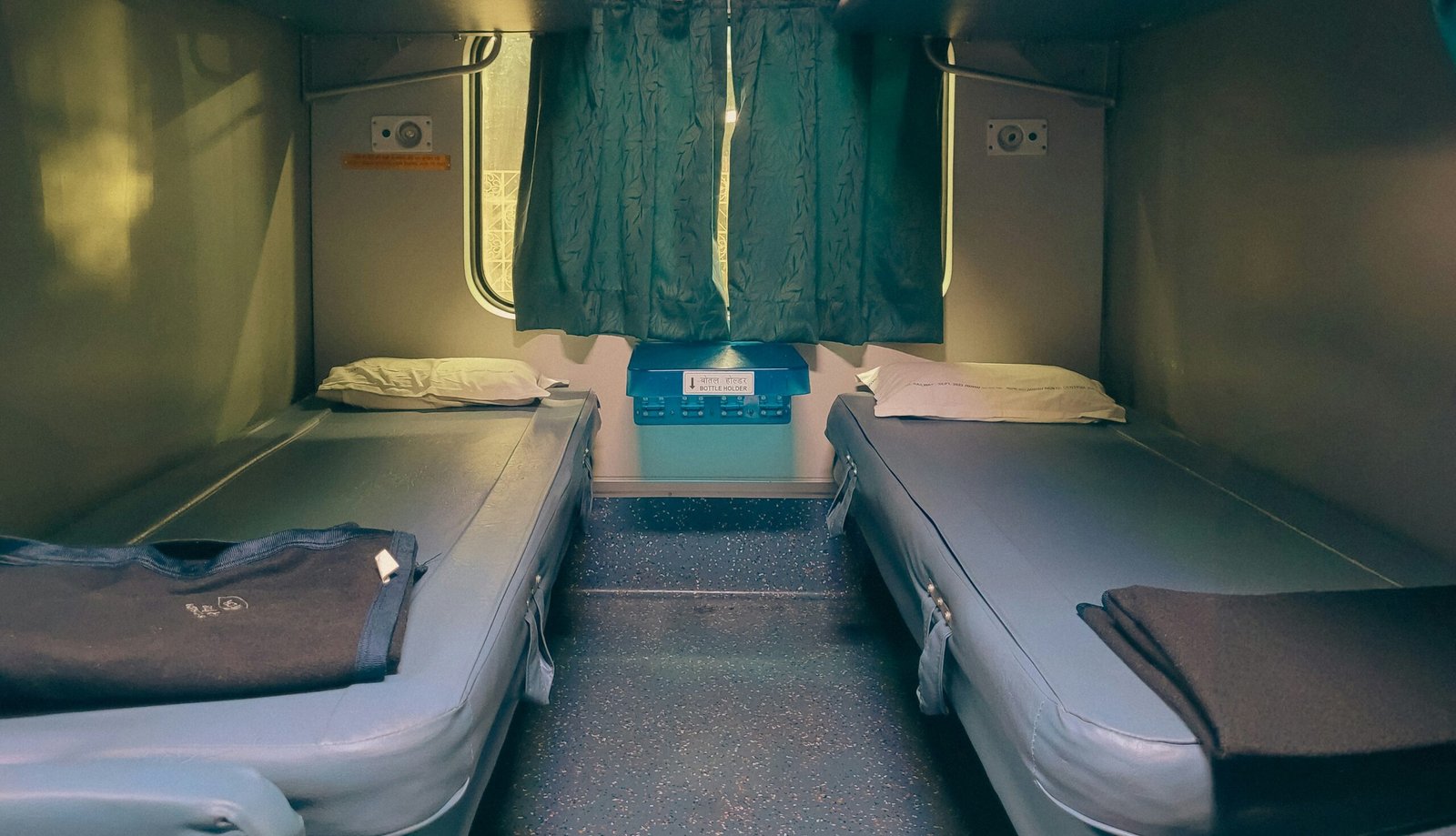
Are Europe Sleeper Trains Cheaper Than Flying?
This is the question every potential first-time night train traveler asks, and the honest answer is: it depends on how you compare them.
When comparing europe sleeper train routes 2026 against flying, the true cost picture is more nuanced than it first appears.
A bare budget airline seat from Paris to Berlin can be found for €30 to €50 on a good day. A couchette berth on the new European Sleeper service starts at €79. On headline price alone, the flight appears cheaper.
But the real cost comparison looks different. Add: airport transfer costs at both ends (typically €15 to €30 each way to budget airport locations), one night’s accommodation in either city (€60 to €120 for a basic hotel), and the time value of arriving at a budget airport 2 hours before a morning flight versus sleeping through the journey. Suddenly the night train — which departs from and arrives at city centre stations — becomes competitive or cheaper in total trip cost, particularly for travelers who would otherwise need a hotel night.
For Eurail pass holders, sleeper reservations are available at a significant discount — typically €10 to €35 on top of the pass, rather than the full ticket price. If you are planning multi-country rail travel across Europe, a Eurail pass combined with sleeper reservations can make overnight trains a very economical way to cover large distances.
How to Book Europe Sleeper Trains in 2026
Booking sleeper trains in Europe has become significantly easier than it was five years ago, though it still requires slightly more planning than booking a flight.
Best booking platforms for Europe night trains:
- ÖBB NightJet website (nightjet.com) — best for all NightJet routes including Vienna, Zurich, Hamburg, Amsterdam, and Rome connections. Releases tickets up to 180 days in advance.
- European Sleeper website (europeansleeper.eu) — for the Brussels-Prague, Paris-Berlin, and new Belgium-Italy routes. Book directly for best prices.
- Trainline — multi-operator platform that covers most European rail including sleeper services. Good for comparing options across routes.
- Rail Europe (raileurope.com) — specialist platform particularly useful for international visitors purchasing Eurail passes and sleeper reservations together.
- Caledonian Sleeper website — for the London-Scotland service only. Book directly for best availability.
Private cabins and couchette berths on popular routes sell out weeks in advance, particularly for summer 2026 travel. Booking as early as possible — ideally 2 to 3 months ahead — is strongly recommended. Early booking also typically unlocks the lowest advance fares, which can be significantly cheaper than tickets purchased close to departure.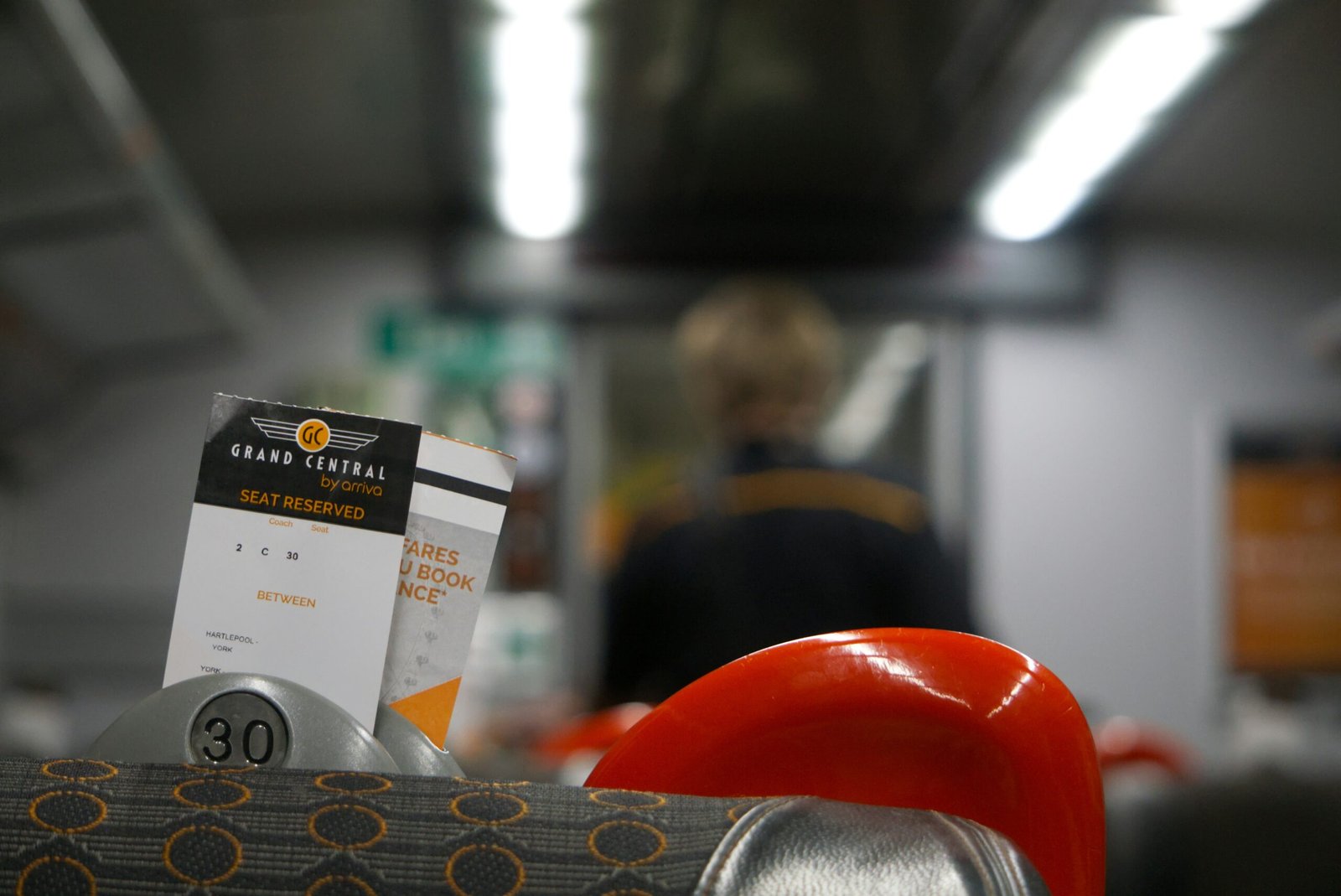
Frequently Asked Questions About Europe Sleeper Trains
Are sleeper trains included in a Eurail pass?
The base train journey is covered by Eurail passes, but sleeper reservation fees are additional and compulsory. Reservation fees for pass holders are significantly lower than full ticket prices — typically €10 to €35 for a couchette berth depending on the route and operator. Always book reservations in advance as pass holder berths are limited.
Are sleeper cabins safe and lockable?
Yes. Private sleeper cabins lock from the inside, and train staff can be contacted via an intercom throughout the night. Couchette compartments are shared but have a locking door. Valuables should be kept in your luggage and secured close to you while sleeping, as with any form of travel.
Do sleeper trains run on time?
Punctuality on sleeper trains varies by operator and route. NightJet services generally have good punctuality records. Night trains crossing multiple national rail networks — including the new Eastern European services — can experience delays at border crossings or when sharing tracks with freight trains overnight. Building in flexibility on arrival day is wise for important connections.
Is breakfast included with a sleeper ticket?
Breakfast is typically included with private sleeper cabin bookings on NightJet and European Sleeper services — usually a small breakfast box with pastries, yoghurt, juice, and coffee or tea delivered to your cabin before arrival. Couchette and seat passengers can purchase food and drink from the onboard lounge car.
What should I pack for a night train journey?
Essentials for a comfortable sleeper train journey: comfortable clothes or light pyjamas for sleeping, ear plugs (trains make noise at station stops overnight), an eye mask if you are a light sleeper, a water bottle, a small day bag to keep valuables with you while you sleep, and any snacks or drinks you want for the evening. Bedding — pillow and blanket — is provided in couchette and cabin bookings.
Can families with young children travel on sleeper trains?
Yes — private sleeper cabins are ideal for families with children. Most operators allow families to book an entire cabin for exclusive use, giving parents and children a private, secure space for the overnight journey. Children generally find night trains exciting, and the experience of waking up in a new country is genuinely memorable for young travelers.
Final Verdict: Should You Take a Sleeper Train Across Europe in 2026?
Europe sleeper trains in 2026 are not just back — they are better than they have been in a generation, and they are expanding rapidly. The combination of new routes, improved rolling stock, competitive pricing, and a cultural shift away from unnecessary short-haul flying makes this the ideal moment to experience overnight rail travel across Europe.
Are night trains right for every journey? No. If speed is your absolute priority and you are traveling between cities with good budget airline connections, a flight will still be faster point-to-point. But for travelers who value the experience of travel itself — who want to board a train in Paris in the evening, share a couchette with fellow travelers from across Europe, rock gently through the night across the continent, and wake up in Berlin, Milan, or Budapest with a coffee and a sunrise — there is simply nothing that competes with a sleeper train.
Book early, pack light, and let the rhythm of the rails take you somewhere new.