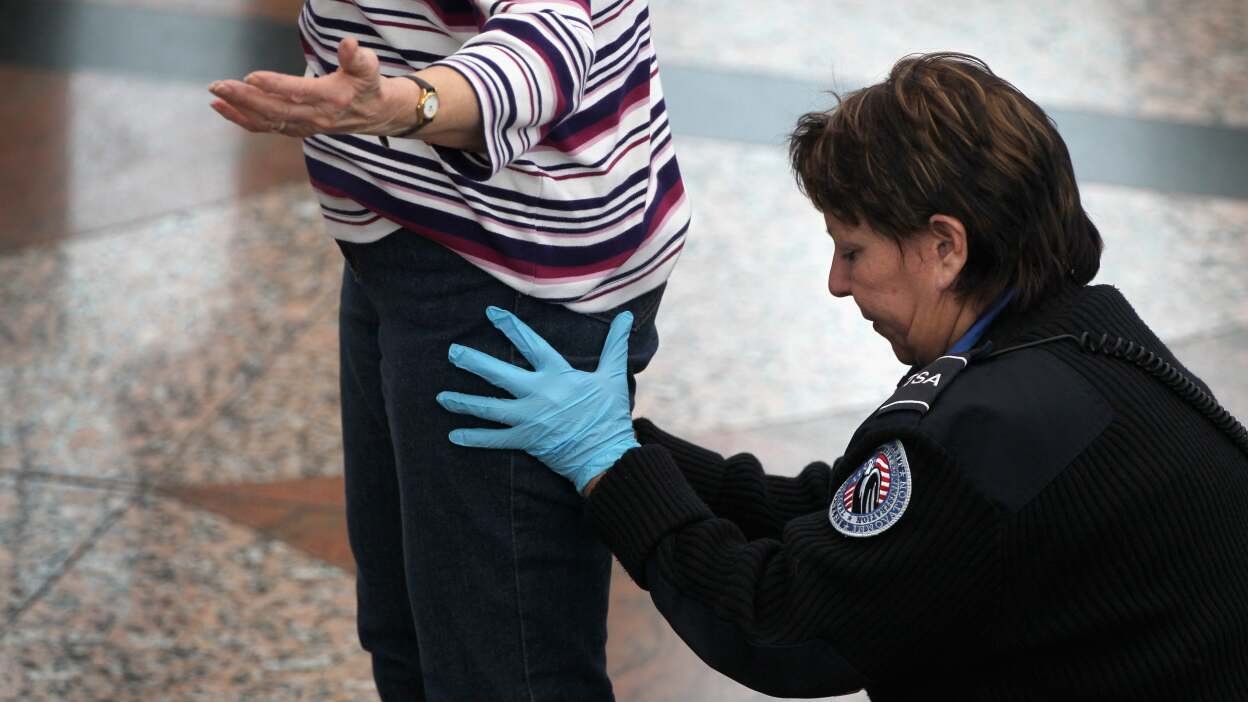
Getting pulled aside at airport security can feel personal, confusing, or unfair. That’s why so many travelers search how airport security decides random checks. In 2026, these checks are not guesses, moods, or personal judgments. They follow structured systems designed to keep security unpredictable while moving travelers efficiently.
This guide explains how airport security decides random checks in clear, simple language—what triggers them, what does not, how often they happen, and what travelers should expect when selected.
The Short Answer (Straightforward)
If you’re wondering how airport security decides random checks, here’s the truth:
-
Random checks are system-generated
-
Officers do not choose people manually
-
Selection is not personal
-
Random checks are required by policy
Understanding this makes how airport security decides random checks much less stressful.
Why Random Checks Exist at All
To understand how airport security decides random checks, you need to know why they exist.
Random checks:
-
Prevent predictable security patterns
-
Increase overall safety
-
Reduce the chance of system abuse
-
Apply unpredictability across all travelers
Security systems work best when outcomes cannot be guessed. That’s the foundation of how airport security decides random checks.
Also Read:-
- Airport Security Screening Process Explained
- How Airport Security Decides Random Checks
- Why Airport Security Takes Longer Some Days
- What Happens After Security Screening?
- Airport Security Procedures for Domestic Flights
- Why Security Checks Bags Manually
- How Airport Scanners Detect Items
- Security Check Steps at US Airports
- What to Expect at Airport Security for the First Time
“Random” Does Not Mean Guessing
A common misunderstanding about how airport security decides random checks is that officers just pick people.
That’s not how it works.
In most U.S. airports:
-
Computers control selection
-
Screening equipment flags outcomes
-
Officers follow system prompts
Humans enforce the process—they don’t invent it.
Automated Systems Make the Decision
The biggest factor in how airport security decides random checks is automation.
Random selection can be triggered by:
-
Scanner algorithms
-
Security software rotation
-
Pre-set probability models
These systems are designed to be unpredictable but fair.
When Random Selection Happens
Understanding how airport security decides random checks also means knowing when selection occurs.
Random checks can be triggered:
-
Before you enter the scanner
-
During body screening
-
After bag X-ray
-
At the document check stage
Selection can happen at multiple points in the screening process.
Why Two People Doing the Same Thing Get Different Outcomes
Travelers often ask why one person passes while another gets stopped. This question is central to how airport security decides random checks.
Reasons include:
-
Randomized software cycles
-
Time-based selection windows
-
System load balancing
Two identical travelers can have different results—and that’s intentional.
Random Checks Are Not Based on Appearance
One of the biggest myths around how airport security decides random checks is profiling.
Random checks are not based on:
-
Race or ethnicity
-
Clothing style
-
Age or gender
-
Accent or language
-
Destination city
Random means random within system rules.
Behavior Does Not Trigger “Random” Checks
Another misunderstanding about how airport security decides random checks is behavior.
Random checks are not triggered by:
-
Nervousness
-
Asking questions
-
Traveling alone
-
Being late
-
Carrying normal electronics
Behavior may matter in non-random screenings, but not in random selection.
What Actually Triggers Extra Screening (Not Random)
It’s important to separate random checks from triggered checks when learning how airport security decides random checks.
Extra screening may happen due to:
-
Dense items in bags
-
Electronics stacked together
-
Liquids incorrectly packed
-
Scanner alerts
These are not random—they’re technical.
Random vs Secondary Screening (Big Difference)
Understanding how airport security decides random checks also means knowing terminology.
-
Random screening → system-selected, no trigger
-
Secondary screening → triggered by scanner or item
Both are routine, but only one is truly random.
How Often Do Random Checks Happen?
Another common question about how airport security decides random checks is frequency.
In general:
-
A small percentage of travelers are selected
-
Selection rates vary by airport and time
-
Busy periods may feel more frequent
You can fly often and never be selected—or be selected twice in one trip.
Why You Might Get Selected More Than Once
Some travelers feel targeted. In reality, how airport security decides random checks allows repeat selection.
Reasons include:
-
Pure probability
-
Different checkpoints using different systems
-
Independent selection cycles
Past selection does not protect or punish you later.
What Happens During a Random Check
If selected, how airport security decides random checks leads to standard procedures.
You may experience:
-
Bag inspection
-
Hand swab test
-
Brief pat-down
-
Extra scanner pass
These checks are routine and usually quick.
How Long Random Checks Take
Most random checks are short. As part of how airport security decides random checks, timing is controlled.
Typical duration:
-
1–3 minutes for bag checks
-
2–5 minutes for body screening
-
Longer only if issues appear
Most travelers rejoin their bags quickly.
Why Officers Say “Random Selection”
Officers use this phrase intentionally. It reinforces how airport security decides random checks.
It means:
-
No trigger was found
-
No suspicion exists
-
The system selected you
It’s informational, not accusatory.
Can You Refuse a Random Check?
Understanding how airport security decides random checks also means knowing consequences.
If you refuse:
-
You will not be allowed to fly
-
Screening cannot be skipped
-
Airlines cannot override security
Screening is mandatory for all passengers.
Domestic vs International Differences
In the U.S., how airport security decides random checks is consistent for domestic and international departures.
Differences occur later with:
-
Passport control
-
Customs inspections
The security checkpoint logic stays the same.
Why Random Checks Feel More Common in 2026
Many travelers feel selected more often now. How airport security decides random checks hasn’t changed much—but volume has.
Reasons include:
-
More travelers overall
-
Busier checkpoints
-
Faster scanner systems
-
Higher throughput
More people means more visible checks.
Common Myths (Cleared Up)
Understanding how airport security decides random checks clears these myths:
-
❌ Officers choose people personally
-
❌ Clothing triggers random checks
-
❌ Nervous behavior causes selection
-
❌ Being selected means suspicion
All false.
How to Handle Random Checks Calmly
Knowing how airport security decides random checks, the best response is simple:
-
Stay calm
-
Follow instructions
-
Don’t argue or rush
-
Ask politely if unsure
Calm cooperation speeds things up.
Does Random Screening Affect Your Record?
Another fear around how airport security decides random checks is long-term impact.
Good news:
-
Random checks do not mark your profile
-
They are not stored as negative history
-
Selection does not affect future travel
It’s a one-time event.
Why Randomness Is a Security Strength
The reason how airport security decides random checks matters is effectiveness.
Randomness:
-
Prevents predictability
-
Increases deterrence
-
Improves overall safety
Predictable systems are weak systems.
Final Verdict
So, how airport security decides random checks?
Final Answer
-
Random checks are system-generated
-
Officers follow automated prompts
-
Selection is not personal
-
Everyone has a chance of being selected
In 2026, random security checks are a normal, necessary part of airport safety. Once you understand how airport security decides random checks, the experience feels routine instead of stressful.
The key is simple: random means random—cooperate and move on.
- Also Read:-
- Airport Security Screening Process Explained
- How Airport Security Decides Random Checks
- Why Airport Security Takes Longer Some Days
- What Happens After Security Screening?
- Airport Security Procedures for Domestic Flights
- Why Security Checks Bags Manually
- How Airport Scanners Detect Items
- Security Check Steps at US Airports
- What to Expect at Airport Security for the First Time