|
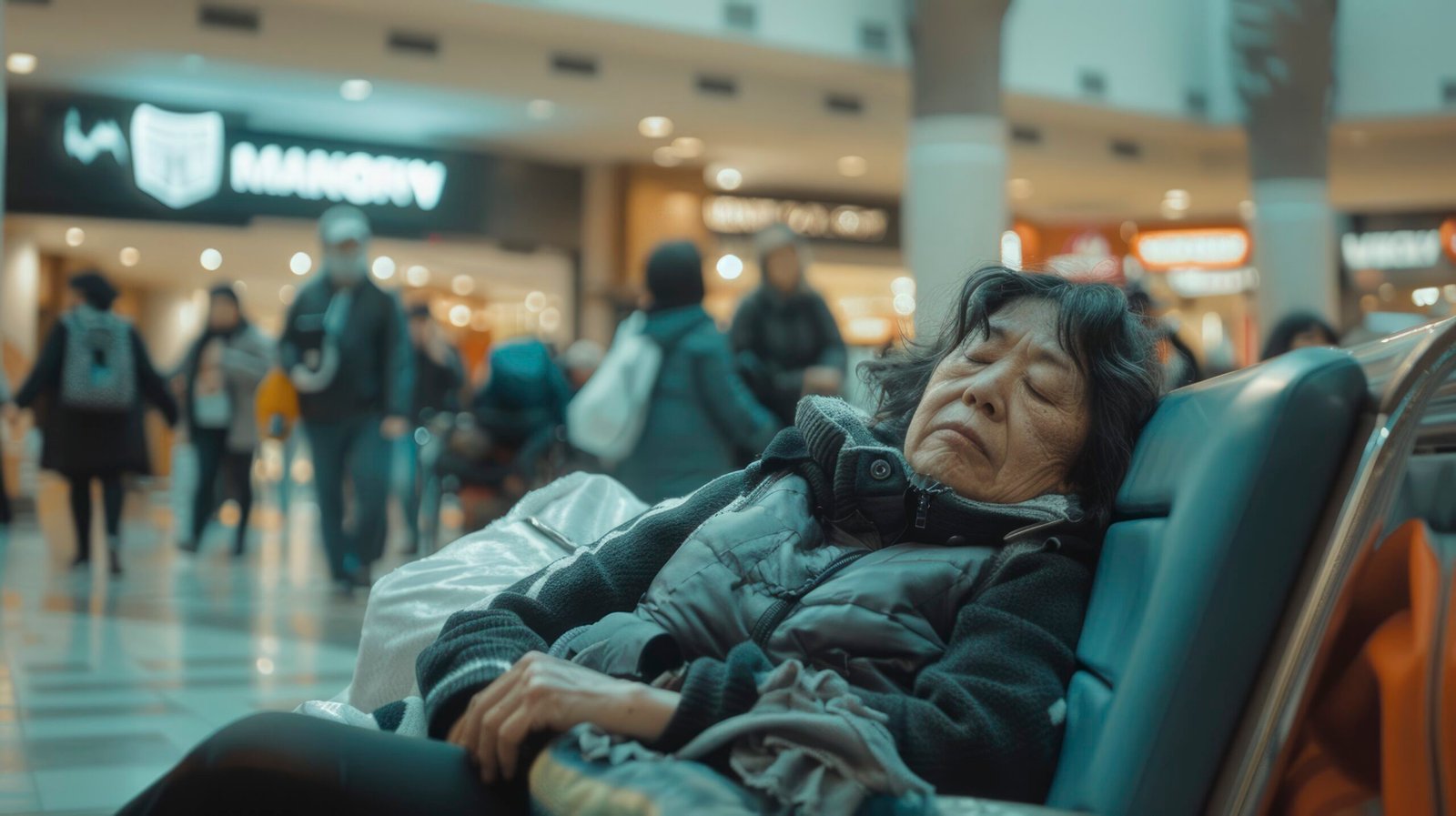
QUICK ANSWER: Sleeping in an airport overnight is generally safe in major international airports with 24-hour operations, especially in well-lit public areas near security or information desks. Your biggest risks are theft of belongings and discomfort rather than physical safety, though this varies significantly by airport and country. |
Thousands of travelers sleep in airports every night due to early flights, long layovers, missed connections, or budget constraints. The safety level depends heavily on which airport you’re in and where exactly you position yourself inside the terminal.
Large airports in developed countries maintain security presence throughout the night. Staff, cleaning crews, and other stranded passengers are usually around, which creates a safer environment than being completely alone. Cameras monitor most public areas, and security personnel make regular rounds.
Airports like Singapore Changi, Seoul Incheon, Munich, Amsterdam Schiphol, and many major U.S. airports are known for being safe and even comfortable for overnight stays. These facilities expect delayed passengers and have designed rest zones specifically for this situation.
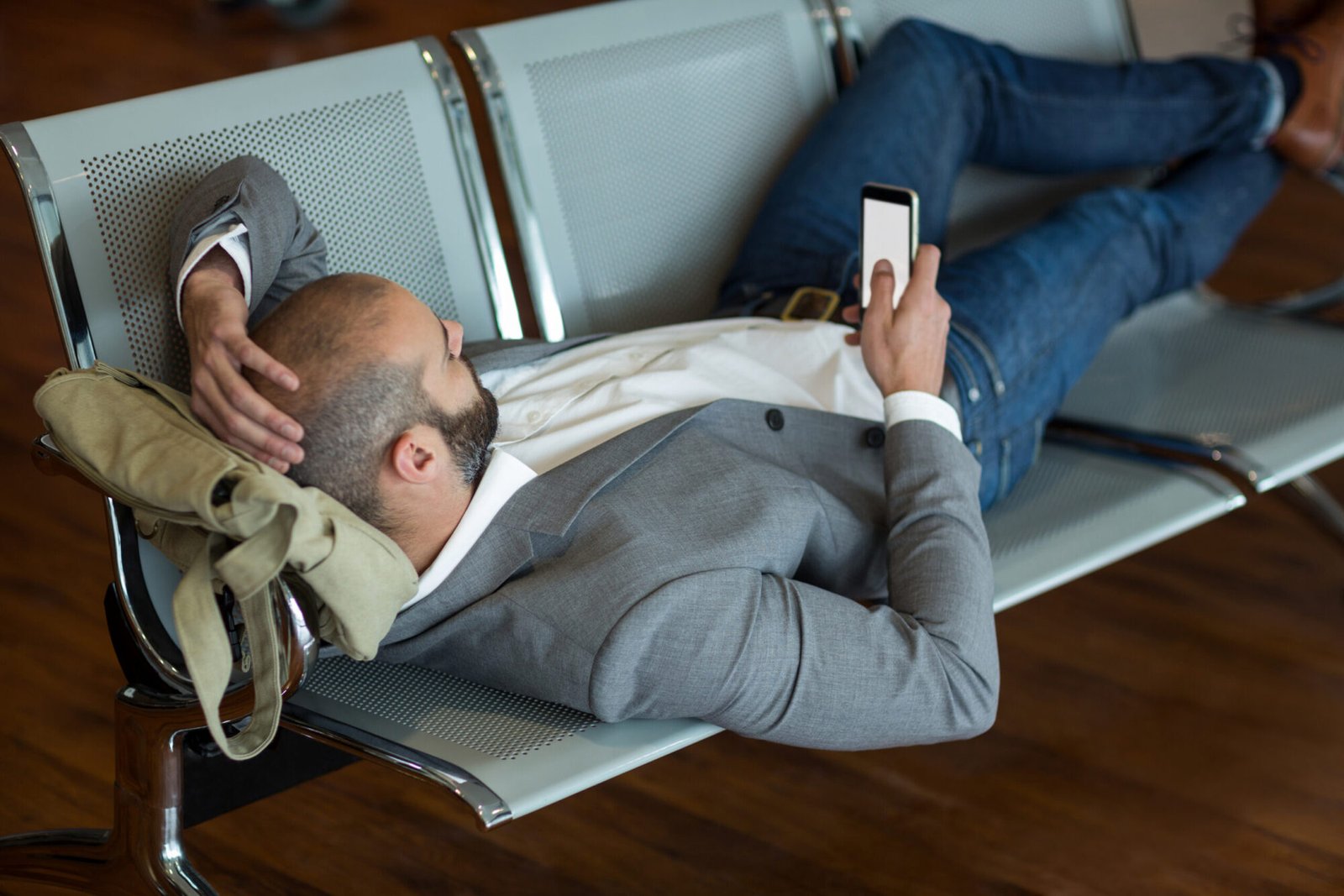
Location Inside the Airport Matters Most
Stay in well-lit areas near information desks, security checkpoints, or gates with late-night or early-morning flights. These spots have more foot traffic and staff presence. Avoid dark corners, empty wings, or areas far from other people.
If you’re inside the secure area past security, you’re generally safer than in the public pre-security zones. Only ticketed passengers can access these areas, which naturally filters out people who aren’t traveling.
Protecting Your Belongings Is Critical
Theft is the main safety concern when sleeping in airports. Use your bag as a pillow or loop the strap around your arm or leg. Keep valuables like passports, phones, and wallets in pockets close to your body, never in exterior bag pockets.
Some travelers use small cable locks to secure their bags to chairs or their bodies. Others sleep in shifts if traveling with companions. Never leave bags unattended, even for a bathroom break.
Some Airports Don’t Allow Overnight Sleeping
Certain airports close entirely at night or prohibit sleeping in terminals. Smaller regional airports often shut down after the last flight departs. You’ll be asked to leave by security if you try to stay.
Before planning to sleep at an airport, check online resources that track which airports are sleep-friendly. Some airports actively discourage it by designing benches with armrests, keeping lights bright, or having security wake up sleepers.
Solo Travelers Face Different Considerations
Women traveling alone should be extra cautious and choose high-traffic, well-monitored areas. Position yourself near families or other solo female travelers when possible. Trust your instincts about the environment.
Solo travelers of any gender should stay alert. Don’t drink alcohol heavily before trying to sleep, and keep your phone charged in case you need to contact someone or call for help.
Airports in Less Developed Regions Need More Caution
Safety standards vary dramatically by country and region. An airport that feels perfectly safe in Japan or Switzerland might have a very different security situation in parts of Africa, South America, or Southeast Asia.
Research specific airports online before committing to an overnight stay. Travel forums and airport sleeping guides provide real experiences from other travelers about safety, cleanliness, and overall conditions.
What to Bring for Comfort and Safety
A travel pillow, eye mask, earpill, and light blanket or jacket make sleeping much more comfortable. Airports keep temperatures cold, and announcements play throughout the night.
Wear layers you can adjust and shoes you can slip on quickly if you need to move. Keep a small flashlight or use your phone’s light if you need to navigate during the night.
Airport Hotels and Sleep Pods Are Safer Alternatives
Many major airports now have sleep pods, capsule hotels, or transit hotels inside the terminal. These cost money but provide privacy, security for your belongings, and actual beds.
If your layover is long enough and you can afford it, a pod or transit hotel room eliminates most safety concerns and gives you real rest. Some are available by the hour, which can be affordable for a 4-6 hour layover.
Know the Airport’s Operating Hours
Check if the airport operates 24 hours or closes overnight. Some airports force everyone out during closure hours, leaving you stuck outside the terminal, which is far less safe.
If you have a boarding pass for an early morning flight, you might be allowed to enter a few hours before your flight even if the main terminal closed. Confirm this with the airport ahead of time.
Trust Your Gut About the Situation
If an airport feels unsafe, it probably is. Don’t force yourself to stay somewhere that makes you uncomfortable. Pay for a nearby airport hotel, find a 24-hour restaurant in the terminal, or ask airport staff about safer waiting areas.
Your personal safety is worth more than saving money on accommodation. If the environment feels sketchy or you notice suspicious behavior, relocate to a busier area or leave the airport entirely.
Most overnight airport sleeping experiences are uneventful. You’ll be uncomfortable and tired but physically safe if you choose the right airport and location. Stay aware, protect your belongings, and don’t advertise that you’re vulnerable or carrying valuables.
FAQ
Which airports are safest for sleeping overnight?
Singapore Changi, Seoul Incheon, Munich, Amsterdam Schiphol, Tokyo Narita, and most major U.S. international airports are considered safe and sleep-friendly.
Can I sleep in the airport if I don’t have a boarding pass?
Most airports allow you in public areas without a boarding pass, but you cannot access secure areas past security checkpoints without one.
Will airport security wake me up?
Some airports will, especially if they prohibit sleeping or if you’re in a restricted area; most major international airports leave sleeping passengers alone.
Is it safer to sleep before or after security?
After security is generally safer because only ticketed passengers can access that area, reducing the chance of theft or unwanted encounters.
What should I do with my luggage while sleeping?
Use it as a pillow, loop straps around your arm or leg, or secure it to yourself with a cable lock to prevent theft.
Are airport sleeping pods worth the money?
Yes if you value privacy, security, and actual rest; they typically cost $30-80 for a few hours, which is much cheaper than a hotel.
Sleeping in airports works when you pick the right facility and take basic precautions. Most major international terminals see this daily and have adapted to accommodate stranded travelers safely.
Also Read:
Written by Prashant
Prashant writes practical travel guides about U.S. destinations, trip planning, and everyday travel tips for travelers.