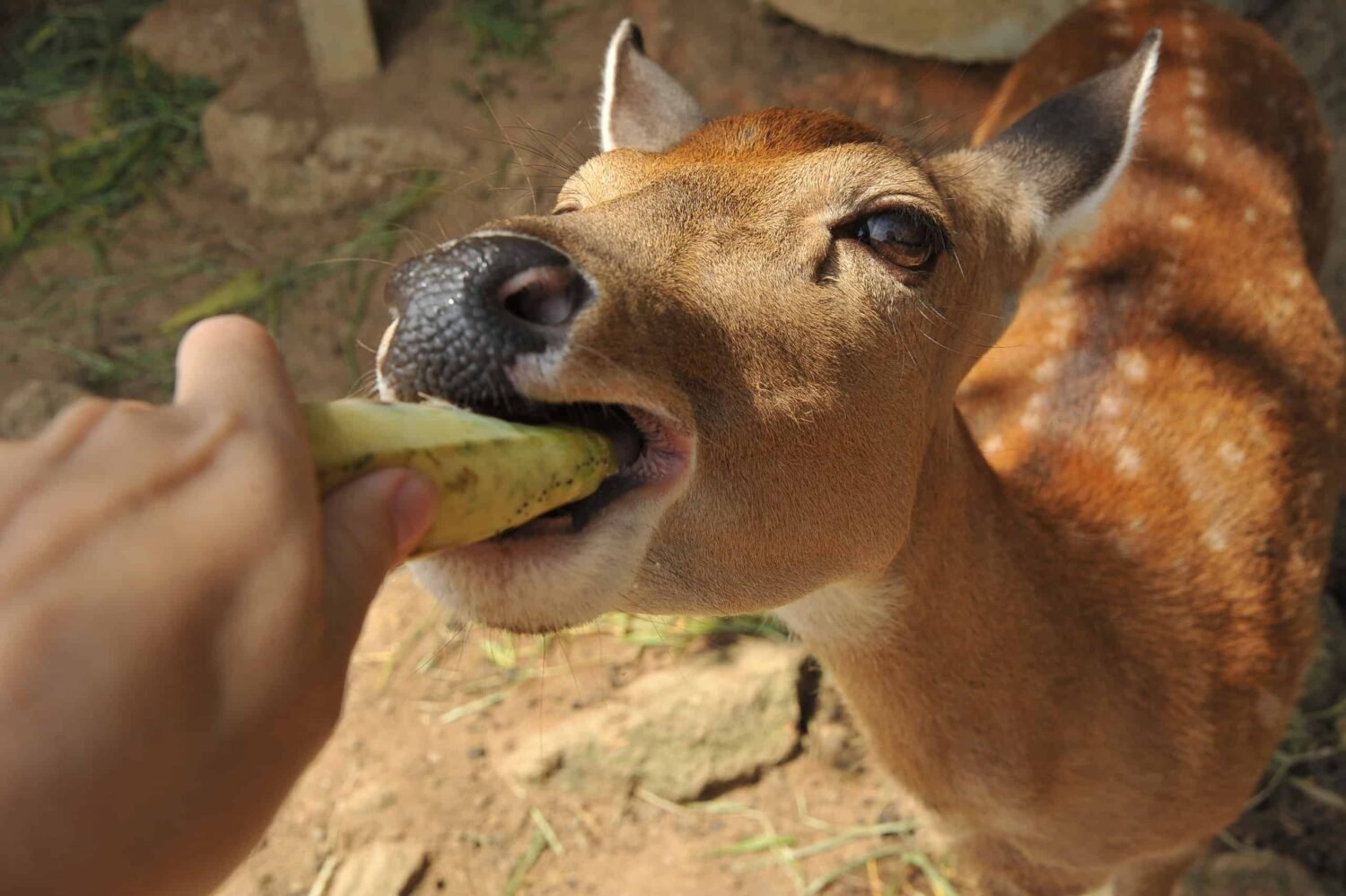
Understanding why food attracts animals in parks is critical for every visitor. A single snack left out can turn a peaceful park visit into a dangerous situation for both people and wildlife. Animals are not being aggressive or “trained badly.” They are simply following instincts that are millions of years old.
This guide explains why food attracts animals in parks, how animals detect food so easily, and why park rules around food are so strict across the USA.
Animals Have Stronger Noses Than You Think
The biggest reason why food attracts animals in parks is smell.
Many animals have an incredible sense of smell:
-
Bears can smell food from miles away
-
Raccoons can detect sealed snacks
-
Rodents sense crumbs instantly
What smells weak to humans can be overwhelming to animals. This powerful sense of smell is the foundation of why food attracts animals in parks so quickly.
Wild Animals Are Always Searching for Easy Calories
Another key reason why food attracts animals in parks is efficiency.
In the wild:
-
Finding food takes energy
-
Hunting and foraging are risky
-
Easy food means survival
Human food is high in calories, fat, sugar, and salt. To animals, it’s the easiest meal they will ever find. That’s a major reason why food attracts animals in parks more than natural plants or prey.
Animals Learn Fast and Remember Locations
Learning behavior explains a lot about why food attracts animals in parks.
When an animal finds food at:
-
A campground
-
A picnic area
-
A parked car
It remembers that location. Then it returns. Soon, other animals follow. This learning cycle is one of the most dangerous aspects of why food attracts animals in parks.
Food Changes Natural Animal Behavior
One reason park rangers stress why food attracts animals in parks is behavior change.
Animals that associate people with food may:
-
Lose fear of humans
-
Become bold or aggressive
-
Approach children or pets
Once this happens, the animal is considered dangerous—even if it never attacks. This is a serious consequence of why food attracts animals in parks.
Smell Travels Farther in Open Nature
Another overlooked reason why food attracts animals in parks is airflow.
In open environments:
-
Wind carries food scent farther
-
Valleys trap smells
-
Forests amplify odors
That’s why food left out for minutes can attract animals from far away. This natural scent travel explains why food attracts animals in parks even when no animals are visible at first.
Animals Don’t Understand “Human Rules”
Animals don’t know:
-
What a campsite is
-
What a backpack is
-
What food belongs to whom
To them, food is food. This simple truth explains why food attracts animals in parks regardless of signs, rules, or good intentions.
Even Food Trash and Wrappers Attract Animals
Many people misunderstand why food attracts animals in parks because they think only fresh food matters.
In reality:
-
Wrappers hold scent
-
Empty cans smell like food
-
Used napkins attract wildlife
Even trash counts as food to animals. That’s why trash management is central to why food attracts animals in parks policies.
Feeding Animals Creates Long-Term Damage
Feeding wildlife directly is illegal because it accelerates why food attracts animals in parks.
When animals are fed:
-
They stop hunting naturally
-
They approach humans more often
-
They become dependent
In many cases, animals that learn this behavior must be relocated or destroyed. This is the harsh reality behind why food attracts animals in parks warnings.
Human Food Makes Animals Sick
Another serious reason why food attracts animals in parks is health impact.
Human food:
-
Disrupts animal digestion
-
Causes illness
-
Weakens survival skills
Animals are not built to eat processed food. This is a major ecological reason why food attracts animals in parks is treated as a serious issue.
Why National Parks Are Extra Strict About Food
National parks enforce rules because they understand why food attracts animals in parks better than anyone.
Strict food rules protect:
-
Wildlife behavior
-
Visitor safety
-
Ecosystems
-
Park access for future generations
One mistake can affect an entire animal population. That’s why why food attracts animals in parks is a core safety topic.
How to Prevent Attracting Animals With Food
To reduce problems caused by why food attracts animals in parks:
-
Store food in bear-proof containers
-
Never leave food unattended
-
Clean eating areas immediately
-
Lock food in vehicles where allowed
-
Pack out all trash
These actions directly reduce the risks linked to why food attracts animals in parks.
Final Thoughts
So, why food attracts animals in parks isn’t a mystery. Animals smell better than us, learn quickly, and naturally seek easy food. Human food disrupts their behavior, health, and safety—and sometimes costs them their lives.
Following food rules isn’t about inconvenience. It’s about respect. When you understand why food attracts animals in parks, you help keep wildlife wild, people safe, and parks open for everyone.