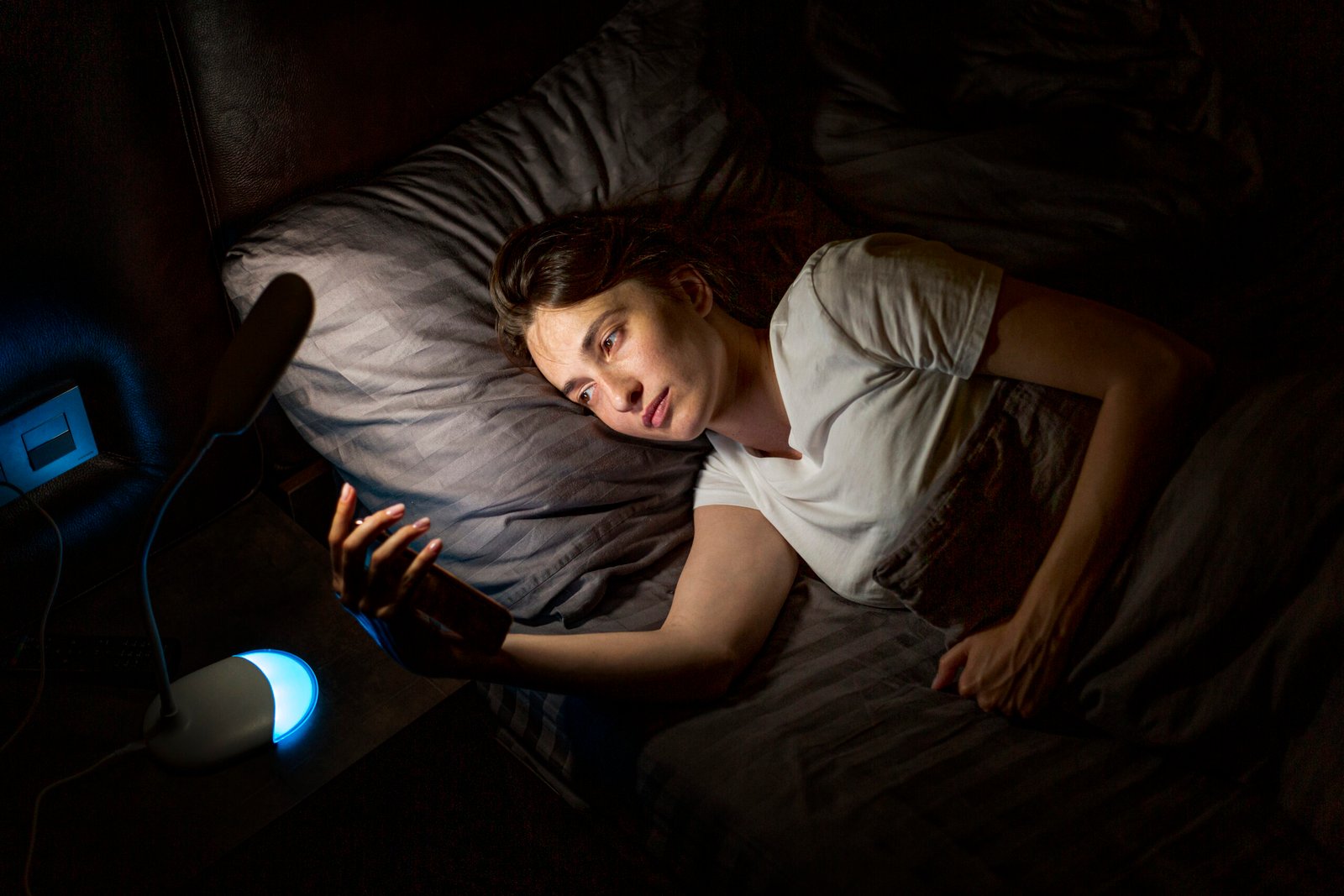
⬛ QUICK ANSWER (READ FIRST)
Sleeping in hotels feels uncomfortable because your brain is alert in a new place.
Different beds, pillows, noise, light, and room temperature all disturb sleep.
Nothing is “wrong” with you — your body is just not used to the space yet.
This is a very real travel problem
Many travelers feel this.
You are tired, the bed looks fine, but sleep just doesn’t come. You toss, turn, and wake up more than usual. This happens even in expensive hotels.
Understanding why sleeping in hotels feels so uncomfortable helps you stop blaming yourself.
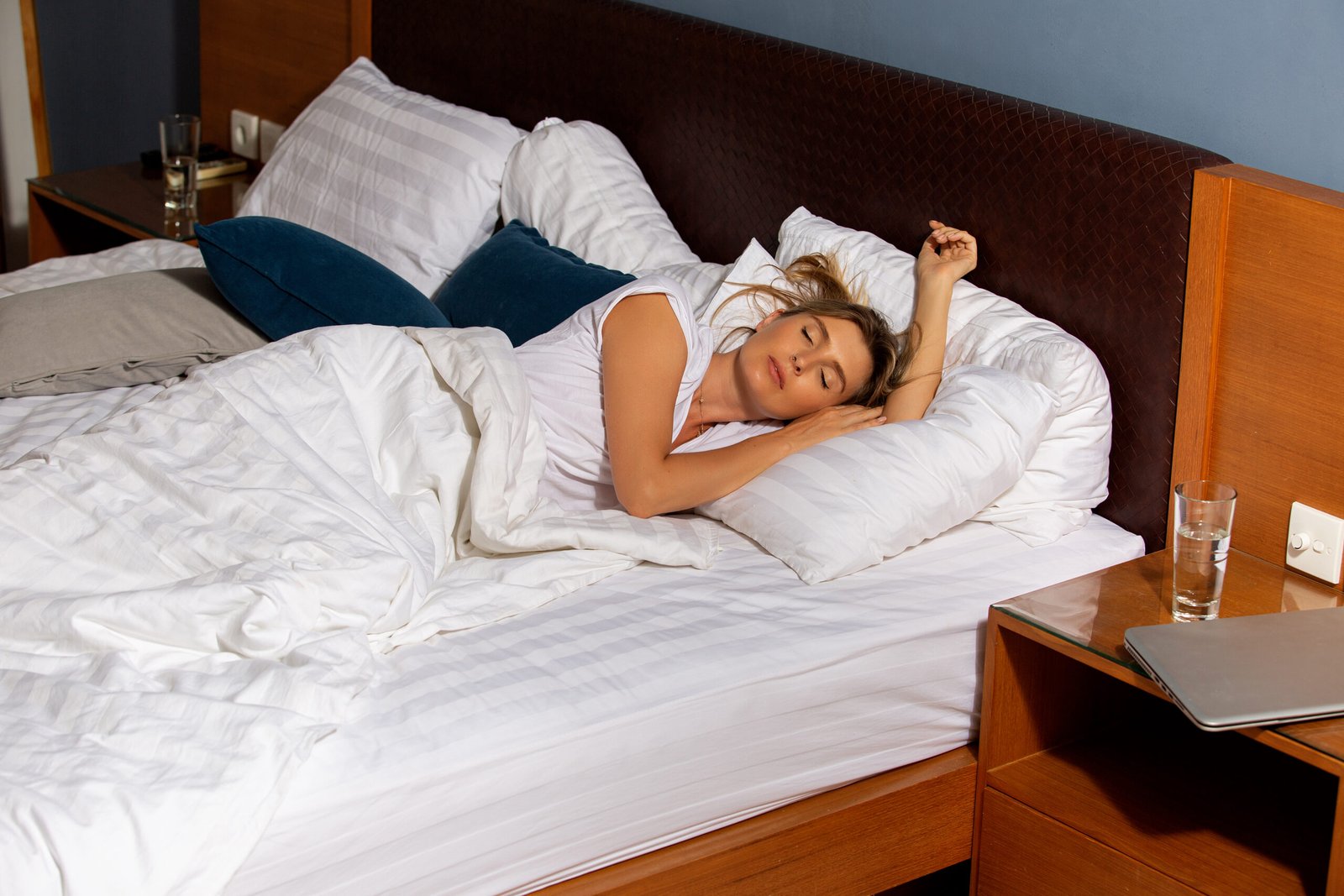
Your brain doesn’t fully relax in new places
This is the biggest reason.
When you sleep at home, your brain feels safe. In a hotel, your brain stays alert because the place is unfamiliar.
It’s a natural survival response. Part of your brain stays awake to “watch” the surroundings. That’s why hotel sleep often feels light and broken.
Also Read
- Why Hotel Prices Change Every Single Day
- What Happens If a Hotel Loses Your Reservation
- What Happens If a Hotel Overbooks Rooms?
- How Hotels Calculate Room Rates
- Why Hotel Prices Change Overnight
Hotel beds are not like your bed at home
Beds make a huge difference.
Hotels use:
-
Firmer mattresses
-
Standard pillows
-
Neutral bedding
Your body is used to your own mattress shape and pillow height. Even a good hotel bed can feel wrong for your body.
This is a major reason why sleeping in hotels feels so uncomfortable.
Pillows are often the main problem
Most hotel pillows are too soft or too flat.
They are made to suit many people, not you. Neck support may be wrong, which causes tension and poor sleep.
Many travelers sleep better just by changing or stacking pillows.
Noise you don’t notice at home feels louder
You may hear:
-
Doors closing
-
Elevators
-
Hallway footsteps
-
Street traffic
-
Air conditioners
At home, your brain ignores familiar sounds. In a hotel, every sound feels important.
Lighting messes with your sleep
Hotel rooms are often brighter than needed.
Light comes from:
-
Hallways under the door
-
Alarm clocks
-
Curtains that don’t block light fully
-
Street lights outside
Even small light sources can disturb sleep more than you expect.
Temperature is rarely perfect
Room temperature matters a lot.
Hotels often have:
-
Strong air conditioning
-
Dry air
-
Noisy climate controls
If the room is too cold or too warm, your sleep quality drops fast.
Different smells affect sleep
This is subtle but real.
Hotels smell different — cleaning products, perfumes, carpets, or air fresheners. Your brain notices these new smells and stays alert.
Smell is closely linked to comfort and memory, which explains part of why sleeping in hotels feels so uncomfortable.
Travel stress doesn’t turn off at bedtime
Even when you lie down, your mind stays busy.
You may think about:
-
Tomorrow’s plans
-
Early alarms
-
Safety of belongings
Mental stress keeps the body awake, even when you are physically tired.
One bad night doesn’t mean something is wrong
This is important to remember.
Many travelers sleep poorly on the first night and much better after that. Your body usually adjusts after one or two nights.
This is called the “first night effect” and it’s very common.
How experienced travelers sleep better in hotels
People who travel often do simple things:
-
Bring their own pillow or pillowcase
-
Use eye masks and earplugs
-
Lower lights early
-
Set room temperature manually
-
Avoid phone use before sleep
Small changes make a big difference.
Final takeaway from real travel experience
Sleeping badly in hotels is normal, not a failure.
Your body and brain just need time to adjust. New beds, sounds, light, and stress all work against deep sleep — especially on the first night.
Knowing why sleeping in hotels feels so uncomfortable helps you prepare better, worry less, and rest easier as your trip goes on.
FAQ – Sleeping in Hotels
| Question | Answer |
|---|---|
| Is it normal to sleep badly in hotels? | Yes, very common. |
| Does this happen more on the first night? | Yes, usually the first night is worst. |
| Are expensive hotels better for sleep? | Not always, comfort is personal. |
| Do hotel pillows cause sleep issues? | Yes, often they do. |
| Can noise really affect sleep this much? | Yes, unfamiliar noise keeps the brain alert. |
| Will sleep improve after a few nights? | Yes, most people adjust quickly. |
Also Read
- Why Hotel Prices Change Every Single Day
- What Happens If a Hotel Loses Your Reservation
- What Happens If a Hotel Overbooks Rooms?
- How Hotels Calculate Room Rates
- Why Hotel Prices Change Overnight
Author: Prashant
Prashant creates clear, helpful travel content covering U.S. places to visit, travel planning, and common travel questions.