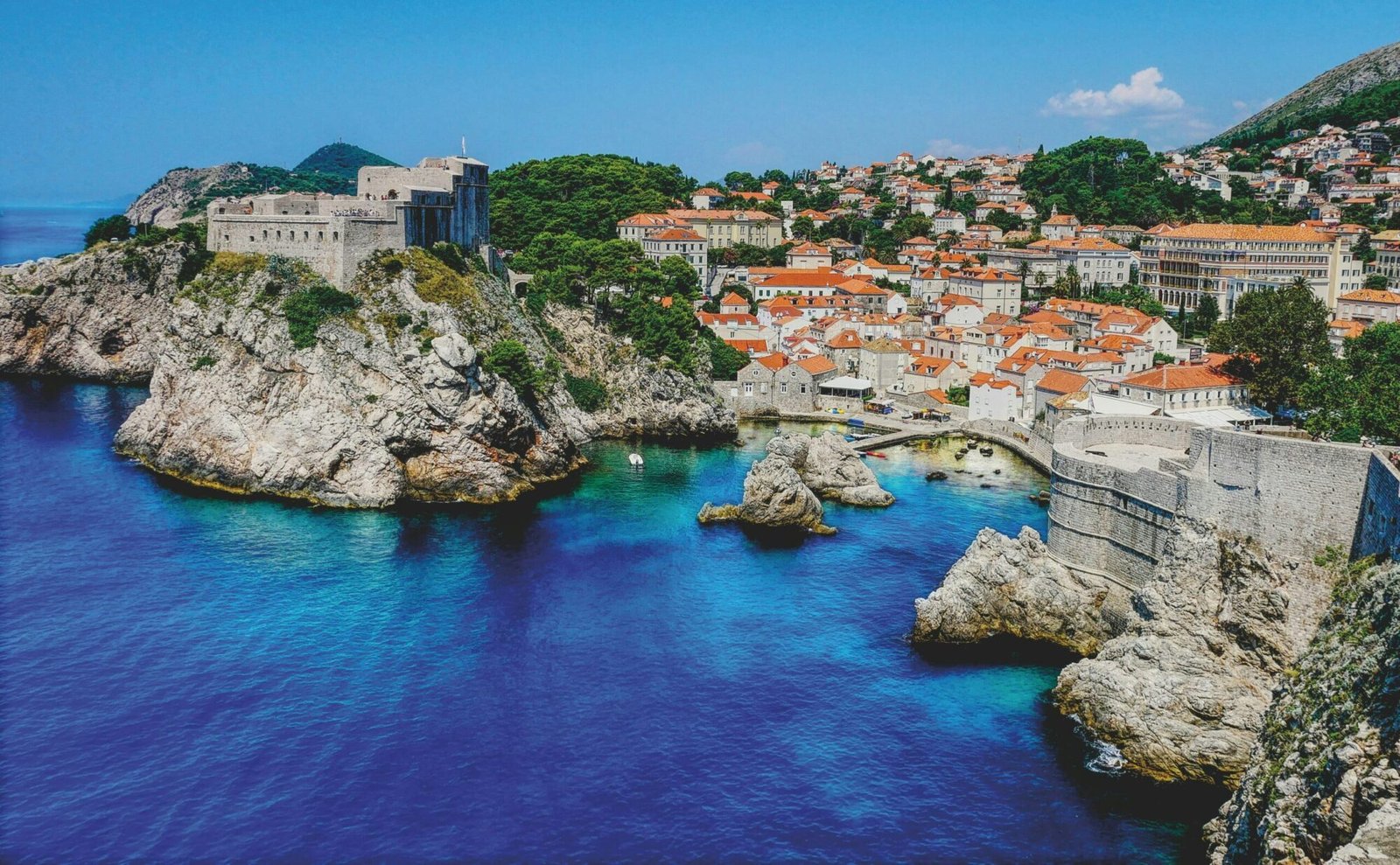
Albania vs Croatia safety report 2026 is one of the most searched travel comparisons for anyone planning a Balkan trip this year — and it deserves a more thorough and honest answer than most travel blogs provide. Both countries are experiencing significant tourism growth, both sit along the Adriatic and Ionian coasts with some of the most beautiful beaches and historic towns in Europe, and both are being actively marketed as alternatives to more expensive and overcrowded Mediterranean destinations. But when it comes to safety, the picture is nuanced in ways that matter enormously depending on how you travel, where you go, and what your specific concerns are.
The short answer is that both Albania and Croatia are safe destinations for tourists in 2026. Violent crime against visitors is extremely rare in both countries. Neither is a place where travelers need to feel anxious about their basic security. But the more detailed answer reveals meaningful differences in crime statistics, infrastructure quality, government travel advisories, specific risks for different types of travelers, and the practical day-to-day safety experience that anyone planning a trip should understand before they book.
This complete 2026 safety report compares Albania and Croatia across every dimension that matters to travelers — using crime index data, government travel advisories, Global Peace Index rankings, and the practical risk categories that most commonly affect tourists — to give you the most accurate and useful safety comparison available.
Albania vs Croatia Safety: Quick Comparison Overview
| Safety Category | Albania | Croatia |
|---|---|---|
| Global Peace Index ranking | ~60th (good) | ~15th (excellent) |
| Crime Index score | ~46 (moderate) | ~18 (very low) |
| Homicide rate per 100k | ~1.39 | ~0.67 |
| Violent crime against tourists | Extremely rare | Extremely rare |
| Petty theft risk | Moderate | Low to moderate |
| Road safety | Below EU average | EU standard |
| Healthcare quality | Developing | Good (EU member) |
| Government travel advisory (UK/US) | Exercise caution | Normal precautions |
| Overall tourist safety verdict | Safe | Very safe |
Crime Statistics: Albania vs Croatia in 2026
Raw crime statistics are the most objective starting point for any country safety comparison, and they tell a clear story when comparing Albania and Croatia. The data consistently shows Croatia as having significantly lower crime levels across nearly all categories — but the important context is that Albania’s crime levels, while higher than Croatia’s, are still low by global standards.
Croatia ranks 15th out of 163 countries in the Global Peace Index — placing it among the safest countries not just in Europe but in the entire world. This is not a minor achievement. Croatia sits ahead of Germany, France, and many other Western European nations in peace and safety rankings. Its crime index score of approximately 18 out of 100 places it in the “very low crime” category, with a homicide rate of around 0.67 per 100,000 people — one of the lowest in Europe.
Albania’s statistics are less impressive but still broadly positive. Its crime index of approximately 46 places it in the “moderate crime” category — similar to countries like Portugal and Hungary — and its homicide rate of approximately 1.39 per 100,000 people is higher than Croatia’s but lower than the global average and comparable to many Western European countries. Albania has improved substantially in safety metrics over the past decade as the country has developed economically and strengthened its law enforcement institutions.
The critical point that raw statistics do not capture is that crime targeting tourists is a very different category from general crime in a country. In both Albania and Croatia, violent crime against foreign visitors is extremely rare and not a realistic concern for the vast majority of travelers. The crime that most tourists actually encounter is in the petty theft category — pickpocketing, bag snatching, and scams — which is an issue in both countries but manageable with standard travel precautions.
Government Travel Advisories for Albania and Croatia in 2026
Government travel advisories from major Western nations provide another useful benchmark for comparing the safety of the two countries, as they are based on ongoing intelligence and risk assessment rather than historical statistics alone.
The UK Foreign Commonwealth and Development Office (FCDO) advises travelers to “exercise a high degree of caution” in Albania — the second-lowest of four advisory levels, indicating that the country is broadly safe but travelers should remain alert and take sensible precautions. The advisory specifically references road safety, petty crime in tourist areas, and the quality of healthcare infrastructure as the primary concerns, rather than violent crime or political instability.
For Croatia, the FCDO advises travelers to “exercise normal precautions” — the lowest advisory level, essentially equivalent to the advice given for countries like Germany, France, and Austria. This reflects Croatia’s status as a fully established EU member state with strong rule of law, well-developed tourism infrastructure, and very low crime rates.
The US State Department similarly rates Croatia at Level 1 (Exercise Normal Precautions) and Albania at Level 2 (Exercise Increased Caution), with specific mentions of crime in urban areas and road safety concerns in Albania. Neither country is rated at Level 3 or 4, which are reserved for destinations with genuine security threats.
The practical implication is that both countries are considered safe enough for routine tourist travel, but Croatia carries a cleaner government advisory profile that may matter to travelers who are particularly risk-averse or who are traveling with elderly family members or young children.
Safety for Tourists in Albania: Detailed 2026 Assessment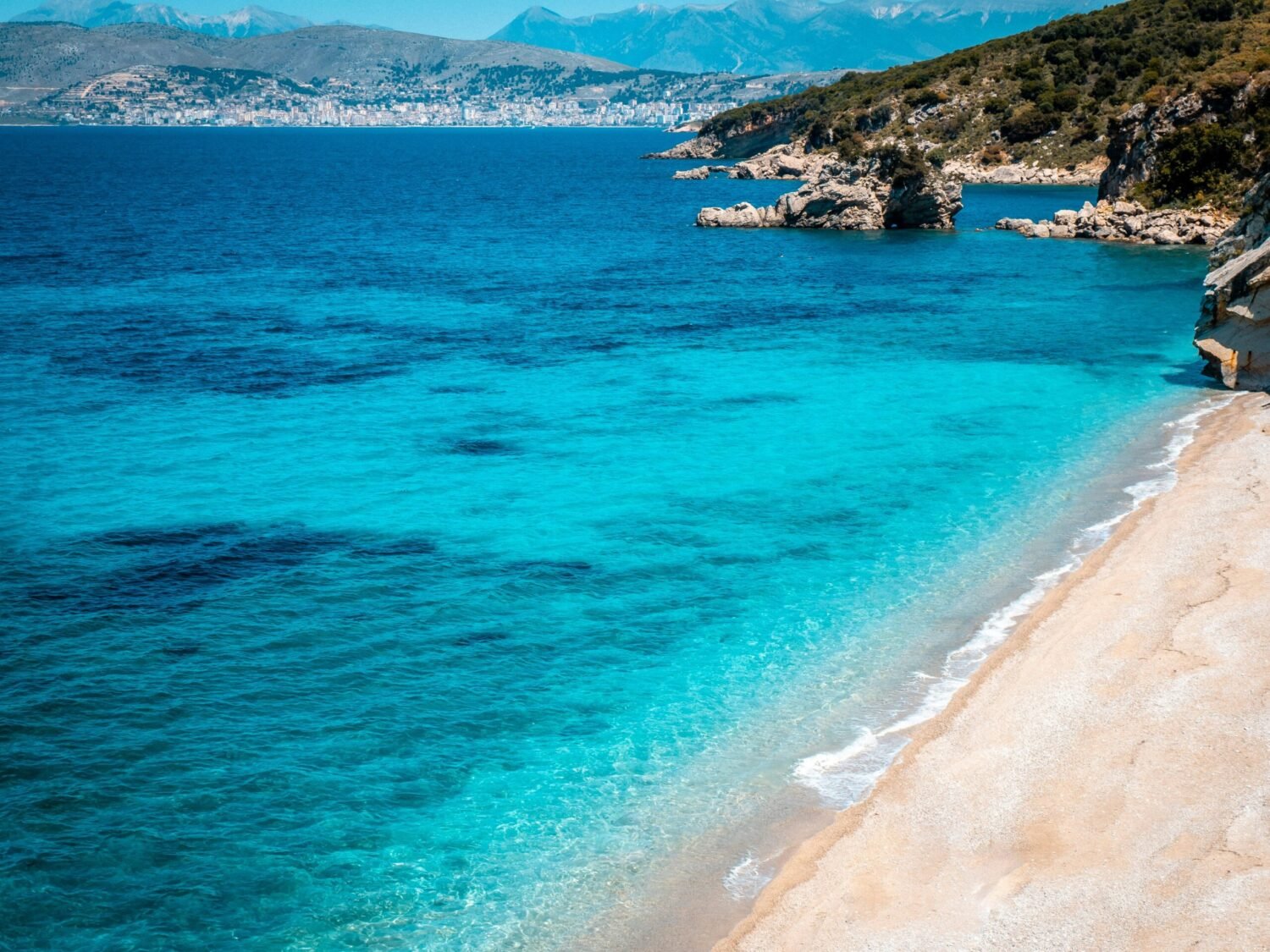
Albania has undergone a remarkable transformation in its safety profile over the past 15 to 20 years. The country that was isolated under communist dictatorship until 1991 and experienced significant civil unrest in the 1990s has developed into a functioning democracy with improving institutions, a growing economy, and a tourism industry that welcomed over 10 million visitors in 2024 — the majority of whom had entirely safe and positive experiences.
What makes Albania safe for tourists:
- Violent crime against tourists is genuinely rare. The Albanian code of hospitality — known as besa — creates a strong cultural expectation of protection for guests, and harming a visitor would be considered deeply shameful in Albanian society.
- Major tourist areas including Tirana, Berat, Gjirokastër, Shkodër, and the Riviera coast around Sarandë and Ksamil are safe to walk around during the day and evening.
- Local people are generally extremely welcoming to foreign tourists — Albania receives far fewer visitors than Croatia and tourists are often treated with genuine warmth and curiosity.
- The Albanian Riviera has developed rapidly as a tourist destination with improving infrastructure, accommodation, and services that compare favourably to Croatia at a fraction of the price.
Genuine risks that travelers to Albania should be aware of:
- Road safety is the most significant practical risk. Albanian roads vary enormously in quality — some major routes are excellent modern highways, while rural and mountain roads can be narrow, poorly maintained, and poorly lit. Albanian driving habits include frequent overtaking on blind corners, disregard for lane markings, and a high rate of road traffic incidents. If you are driving in Albania, particular caution is needed on mountain roads and after dark.
- Petty theft in crowded areas. Pickpocketing is a risk in Tirana’s Blloku district and in crowded markets. Standard precautions — keeping bags secure, not displaying expensive items, using a money belt — are advisable.
- Healthcare infrastructure is limited. Albania’s public healthcare system is not at EU standard. Serious medical emergencies in rural areas may require evacuation to Tirana or, in extreme cases, to Greece or Italy. Comprehensive travel insurance with medical evacuation cover is essential.
- Occasional minor scams. Overcharging tourists in restaurants, fake taxi meters, and currency exchange scams occur in Tirana and tourist areas, though these are generally easy to avoid with basic awareness.
- Rural areas warrant caution at night. While major cities and tourist areas are safe at night, isolated rural areas — particularly in northern Albania — should be treated with more caution after dark.
Safety for Tourists in Croatia: Detailed 2026 Assessment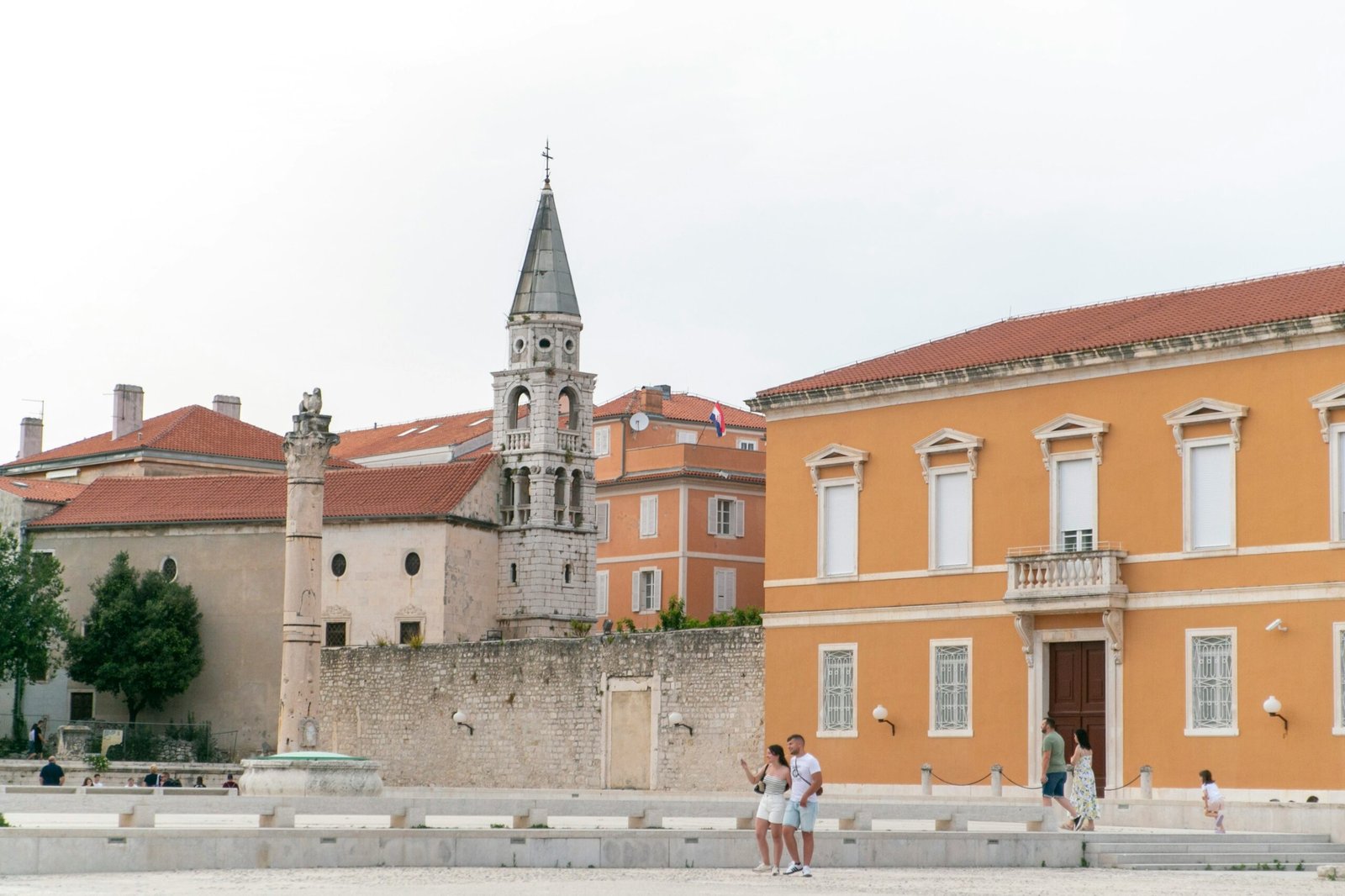
Croatia is genuinely one of the safest countries in Europe for tourists and has been for many years. As an EU and Schengen member state since 2023, Croatia benefits from EU standards of law enforcement, border security, consumer protection, and healthcare — all of which contribute directly to its safety profile for visitors.
What makes Croatia exceptionally safe for tourists:
- Croatia’s Global Peace Index ranking of 15th globally puts it among the safest destinations on Earth. The everyday experience of low crime, functioning institutions, and professional law enforcement is consistent with this ranking.
- EU membership means Croatian healthcare meets European standards. Medical facilities in major tourist areas including Dubrovnik, Split, Zadar, and Zagreb are of a standard comparable to Western European countries.
- Road infrastructure and driving standards are significantly better than in Albania and meet EU requirements, making self-drive holidays substantially safer.
- Tourism infrastructure is highly developed — tourist police, English-speaking staff, clear signage, and well-established emergency services in all major tourist areas.
- Schengen membership means that passport control at Croatian borders is aligned with the wider European security framework.
Risks that tourists in Croatia should still be aware of:
- Petty theft in crowded tourist areas. Dubrovnik’s Old Town, Split’s Diocletian’s Palace, and the Dalmatian islands during peak summer attract pickpockets who target distracted tourists. Keep bags secure and be particularly vigilant in very crowded areas.
- Nightlife scams. Some bars and clubs in Split and Dubrovnik have been reported to overcharge tourists, add items to bills that were not ordered, or operate with misleading menu pricing. Check prices carefully and review bills before paying.
- Taxi overcharging. Unofficial taxis and some licensed drivers in tourist areas can overcharge significantly. Using ride-hailing apps like Uber (available in Zagreb and Split) or agreeing on a price before the journey is advisable.
- Crowding at peak tourist sites. This is not a safety issue in the criminal sense, but the extreme overcrowding at Dubrovnik in July and August creates practical difficulties — long queues, heat exhaustion risk, and difficulty accessing emergency services in a genuine incident.
Safety by Traveler Type: Which Country Is Safer For You?
| Traveler Type | Safer Choice | Reason |
|---|---|---|
| First-time Europe traveler | Croatia | Better infrastructure, EU standards, English widely spoken |
| Solo female traveler | Both generally safe | Stick to tourist areas after dark in both countries |
| Family with young children | Croatia | Better healthcare, safer roads, more developed facilities |
| Budget backpacker | Albania | Much cheaper, fewer tourists, locals very welcoming |
| Elderly traveler | Croatia | EU healthcare, better road safety, more accessible tourist sites |
| Adventure/off-the-beaten-path traveler | Albania | Wilder landscape, authentic culture, less touristy |
| Luxury beach vacation | Croatia | More developed luxury infrastructure, better services |
| Self-drive road trip | Croatia | Significantly better road conditions and driving standards |
Solo Female Traveler Safety: Albania vs Croatia
Solo female travel safety is one of the most frequently asked questions in the Albania vs Croatia comparison, and the answer for both countries is broadly positive — with some important nuances.
In Croatia, solo female travelers consistently report feeling safe throughout the country. Croatian cities and tourist areas have a relaxed, family-friendly atmosphere. Harassment of tourists is not a widespread issue, nightlife areas are generally well-policed, and the well-developed tourism infrastructure means there are always other travelers and staff around in popular areas. Solo female travelers in Croatia can expect an experience broadly comparable to solo female travel in other Western European countries.
In Albania, the picture is also largely positive but with more variability. Many solo female travelers report extremely positive experiences — particularly noting the warmth and helpfulness of local people, the safety of the Albanian Riviera coastal areas, and the ease of traveling in major cities like Tirana and Berat. However, some areas of northern Albania are more conservative culturally, and solo female travelers should be aware that social norms around gender may differ from Western European expectations in rural areas.
For both countries, standard solo travel safety practices apply: stay in well-reviewed accommodation, share your itinerary with someone at home, avoid isolated areas after dark, and trust your instincts if a situation feels uncomfortable. Neither country should deter a confident solo female traveler with standard travel awareness.
Road Safety: A Critical Difference Between the Two Countries
Road safety is perhaps the most practically significant safety difference between Albania and Croatia for travelers who plan to drive, and it is one that does not always receive adequate attention in general safety comparisons.
Croatia, as an EU member state, has road infrastructure and traffic law enforcement that meets European standards. The coastal motorway network is well-maintained, road markings are clear, and driving in Croatia is broadly similar to driving in Austria, Slovenia, or other Central European countries. The main challenges are summer traffic congestion on the Dalmatian coast and occasional aggressive driving by locals on mountain roads.
Albania’s road situation is more complex. Major arteries like the SH1 and SH2 highways connecting Tirana to the coast have been significantly upgraded and are now good-quality roads. However, secondary and rural roads vary enormously — some are acceptable, others are narrow, poorly surfaced, and lack safety barriers on steep mountain sections. Albanian driving culture includes habits that are jarring for drivers from Western Europe: frequent overtaking in dangerous positions, ignoring lane markings, and inconsistent behaviour at junctions.
Albania’s road fatality rate is significantly higher than the EU average, and road accidents are a genuine risk that travelers driving in the country should take seriously. If you plan to drive in Albania, take extra time on mountain routes, avoid driving at night wherever possible, and ensure your travel insurance covers medical evacuation.
Organised Crime: Understanding the Real Picture
Albania’s association with organised crime is one of the most persistent elements of its negative international reputation, and it deserves a clear-eyed assessment rather than either dismissal or exaggeration.
It is true that Albania has historically had issues with organised criminal networks, and that Albanian organised crime groups operate internationally. This is documented fact. However, for the overwhelming majority of tourists visiting Albania in 2026, organised crime is simply not a factor in their experience. The criminal networks that operate in Albania are engaged in drug trafficking, smuggling, and other activities that do not intersect with the tourist economy in ways that affect visitors.
The Albanian government has made significant investments in law enforcement and anti-corruption measures as part of its EU accession process — Albania is an EU candidate country — and while progress is ongoing rather than complete, the security environment for tourists is far removed from the criminal underworld that dominates negative media coverage of the country.
Frequently Asked Questions: Albania vs Croatia Safety
Is Albania safe for tourists in 2026?
Yes. Albania is safe for tourists in 2026. Violent crime against visitors is extremely rare, major tourist areas are safe to explore, and Albania’s culture of hospitality creates a welcoming environment for visitors. The main practical risks are road safety and limited healthcare infrastructure, both of which can be managed with proper preparation and comprehensive travel insurance.
Is Croatia safer than Albania?
By most objective measures, yes. Croatia’s crime index, homicide rate, Global Peace Index ranking, government advisory level, road safety statistics, and healthcare infrastructure are all significantly better than Albania’s. However, both countries are safe for tourists — Croatia is simply more consistently safe across all categories.
Which country is better for solo female travelers?
Both countries are generally safe for solo female travelers with standard travel awareness. Croatia’s more consistent infrastructure and well-established tourist safety environment give it a slight edge. Albania is also safe for solo female travelers in major cities and tourist areas, though cultural conservatism in some rural areas should be factored into planning.
Is Albania dangerous because of organised crime?
Not for tourists. While organised crime is a documented issue in Albania, it does not affect the day-to-day safety experience of visiting travelers. The areas and activities that tourists engage with are entirely separate from the criminal networks that generate Albania’s international security concerns.
Which country has safer cities — Albania or Croatia?
Croatia’s cities have lower crime statistics overall. Zagreb, Split, and Dubrovnik all have very low violent crime rates. Tirana is safe by regional standards and has improved significantly, but its crime index is higher than Croatian cities. Both are safe to walk around in during the day and evening in tourist areas.
Which country should I choose if safety is my top priority?
Croatia, without question. Its combination of EU membership, excellent Global Peace Index ranking, strong healthcare infrastructure, good road safety, and well-developed tourism support systems make it the safer choice by every measure. If safety is your primary criterion and you are choosing between the two, Croatia is the right answer.
Final Verdict: Albania vs Croatia Safety in 2026
The Albania vs Croatia safety comparison in 2026 produces a clear winner by the numbers: Croatia is the safer country by every statistical and institutional measure. Its Global Peace Index ranking in the top 15 globally, its EU membership and associated standards, its superior healthcare and road infrastructure, and its lower government advisory level all point in the same direction.
But the comparison should not end there. Albania is safe enough for the vast majority of travelers in 2026 — not because the statistics are identical to Croatia’s, but because the risks that actually affect tourists are low and manageable. Road safety and healthcare infrastructure are real concerns that require preparation, not reasons to avoid the country. Petty crime is present but not dramatically worse than in many popular European destinations. And the cultural warmth, dramatic landscapes, pristine beaches, and dramatically lower cost compared to Croatia offer a travel experience that is genuinely rewarding.
If you are a first-time traveler, traveling with elderly relatives or young children, or prioritising peace of mind above all else — choose Croatia. If you are an experienced traveler who is comfortable with some additional preparation, interested in off-the-beaten-path experiences, and happy to trade some infrastructure quality for a fraction of the cost and a more authentic encounter — Albania will not let you down.