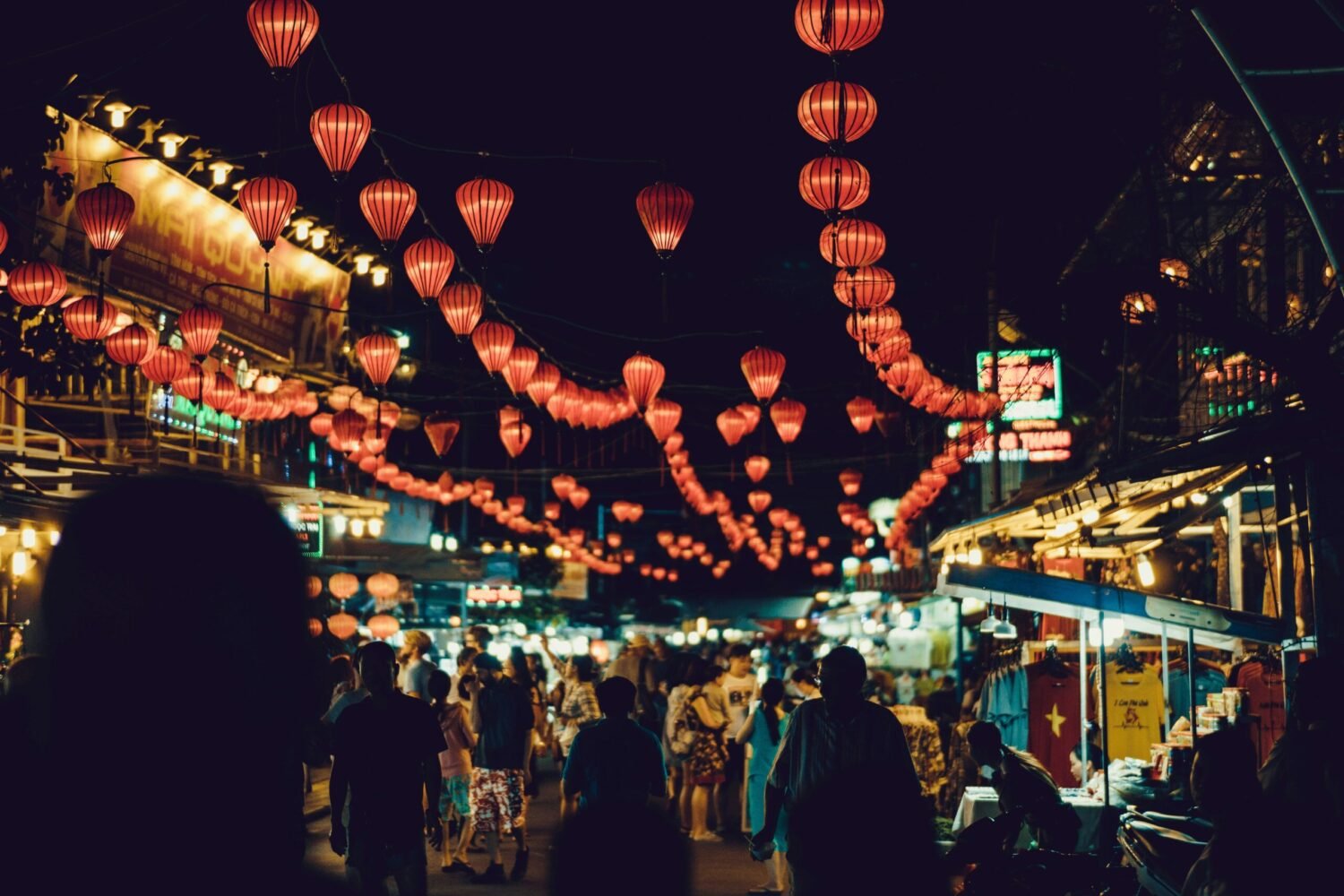
Vietnam Visa for Indians 2026 — Complete E-Visa Guide with Fees, Steps and Common Mistakes
Vietnam visa for Indians 2026 is simpler, faster, and more affordable than most travelers expect — but only if you know exactly what you are doing. The Vietnam e-visa system has been running since 2017 and has been significantly improved since then, with the stay duration now extended to 90 days, multiple entry options available, and the official application portal made considerably more user-friendly. The fee is $25 for a single-entry visa (approximately ₹2,100) and $50 for a multiple-entry visa (approximately ₹4,200), paid directly to the Vietnamese government.
This guide on Vietnam visa for Indians 2026 covers every single thing you need to know — the three types of visas available, the exact step-by-step e-visa application process, documents required, fees in rupees and dollars, processing time, entry points, common rejection reasons, the truth about visa-on-arrival, which airports you can fly into from India, and the most frequently asked questions that Indian travelers actually have. By the end of this guide, you will have everything you need to apply confidently and arrive in Vietnam without a single paperwork worry.
Does India Need a Visa for Vietnam in 2026?
Yes — Indian passport holders require a valid visa to enter Vietnam for any purpose, including tourism, business, and transit. Vietnam does not currently offer visa-free access to Indian nationals. This applies regardless of any other visas you hold — a valid US visa, UK visa, or Schengen visa does NOT exempt Indian passport holders from the Vietnam visa requirement.
There is one exception worth knowing: Phu Quoc Island in southern Vietnam allows visa-free entry for Indian and most other nationalities for stays of up to 30 days — but only if you arrive directly at Phu Quoc International Airport and do not travel to mainland Vietnam. If your Vietnam trip includes Phu Quoc as a transit point to the mainland (for example, flying Delhi to Phu Quoc and then taking a domestic flight to Ho Chi Minh City), you will need a full Vietnam visa.
Three Types of Vietnam Visa for Indians — Which One Is Right for You?
| Visa Type | Best For | Cost | Processing Time | Recommended? |
|---|---|---|---|---|
| E-Visa (evisa.gov.vn) | All tourists — simplest and most convenient option | $25 single / $50 multiple entry | 3–7 business days | Yes — strongly recommended for all Indians |
| Visa on Arrival (VOA) | Last-minute travelers, those who missed e-visa window | $25–$50 stamp fee + $10–$25 agency letter fee | 24 hours to 3 days (for approval letter) | Only for genuine last-minute situations |
| Embassy / Consulate Visa | Long stays beyond 90 days, business visas with invitation | Varies — typically $50–$100+ | 4–7 working days | Only if e-visa does not cover your needs |
For the overwhelming majority of Indian tourists visiting Vietnam in 2026, the e-visa is the right and only choice. It is faster than the embassy option, cheaper than visa-on-arrival when you factor in the agency letter fee, requires no physical visit to any office, and can be applied for from anywhere with an internet connection. The rest of this guide focuses primarily on the e-visa process because that is what you will use.
Vietnam E-Visa for Indians — Complete Fee Breakdown 2026
| Visa Type | Official Government Fee (USD) | Approx. Fee in INR | Stay Duration |
|---|---|---|---|
| E-Visa — Single Entry | $25 USD | ~₹2,100 | Up to 90 days |
| E-Visa — Multiple Entry | $50 USD | ~₹4,200 | Up to 90 days |
| E-Visa — Express (1–3 days) | $50 USD (single) / $95 USD (multiple) | ~₹4,200 / ~₹7,980 | Up to 90 days |
Vietnam E-Visa Application — Step-by-Step Process for Indians
Here is the complete, honest, step-by-step guide to applying for your Vietnam e-visa at the official government portal. Allow yourself 20 to 30 minutes to complete the application properly the first time.
- Go to the official portal: Open evisa.gov.vn in your browser. Click on “For outside Viet Nam Foreigners personally applying for e-Visa.” Do not use any other website.
- Start a new application: Click “Grant e-Visa.” You will be taken to an online form. Enter your nationality as Indian, select “Tourism” as your purpose of visit, and choose your entry point (the airport or border through which you plan to enter Vietnam — this is important and must match your actual travel plans).
- Fill in your personal details: Enter your full name exactly as it appears in your passport, your passport number, date of birth, nationality, and your intended entry and exit dates. Double-check every detail — errors in name or passport number are the most common cause of visa rejection or entry denial.
- Upload your documents: You need two images — a scanned copy of your passport data page (the page with your photo and details) and a recent passport-style photograph. Both must be in JPEG format. The photo must be taken against a white background, without glasses, clearly showing your face. File size limits apply — use a free online image compressor if your files are too large.
- Choose single or multiple entry: If you plan to visit Vietnam once, choose single entry ($25). If you plan to exit and re-enter Vietnam (for example, combining Vietnam with Cambodia or Laos and crossing back), choose multiple entry ($50).
- Review your application: Before payment, carefully review every field. Check your name, passport number, entry point, and travel dates one more time. Corrections after submission require reapplication and additional fees.
- Make payment: Pay using an international debit or credit card (Visa or Mastercard). Indian debit cards with international transaction capability work fine. Note that the fee is non-refundable even if your application is rejected or if you do not travel.
- Save your reference code: After payment, you will receive a reference code by email. Save this — you will need it to check your application status and download your approved e-visa.
- Wait for approval: Standard processing takes 3 to 7 business days (not calendar days — weekends and Vietnamese public holidays do not count). Check application status at evisa.gov.vn using your reference code.
- Download and print your e-visa: Once approved, download the e-visa PDF. Print it out and carry the physical copy to the airport. Also save a screenshot on your phone. Your airline may ask to see it before boarding, and Vietnam immigration will check it on arrival.
Documents Required for Vietnam E-Visa — Complete Checklist
| Document | Specifications | Notes |
|---|---|---|
| Valid Indian Passport | Minimum 6 months validity beyond arrival date, at least 2 blank visa pages | Most important — check validity before applying |
| Passport Data Page Scan | Clear JPEG scan of the photo/info page, all text readable | Not acceptable if blurry, cut off, or with glare |
| Passport Photo | Recent, white background, no glasses, face clearly visible, JPEG format, 4×6 cm or 2×2 inch | Photo rejections are the most common application failure — use a proper passport photo |
| International Debit/Credit Card | Visa or Mastercard with international transactions enabled | Enable international transactions on your card before applying — most Indian cards need this activated separately through banking app or call |
| Email Address | Active email you can access during the application period | All correspondence including approval sent to this email |
| Return/Onward Flight Ticket | Not required for e-visa application but required at immigration on arrival | Have proof of onward travel ready for the immigration officer |
Vietnam Visa on Arrival for Indians — How It Actually Works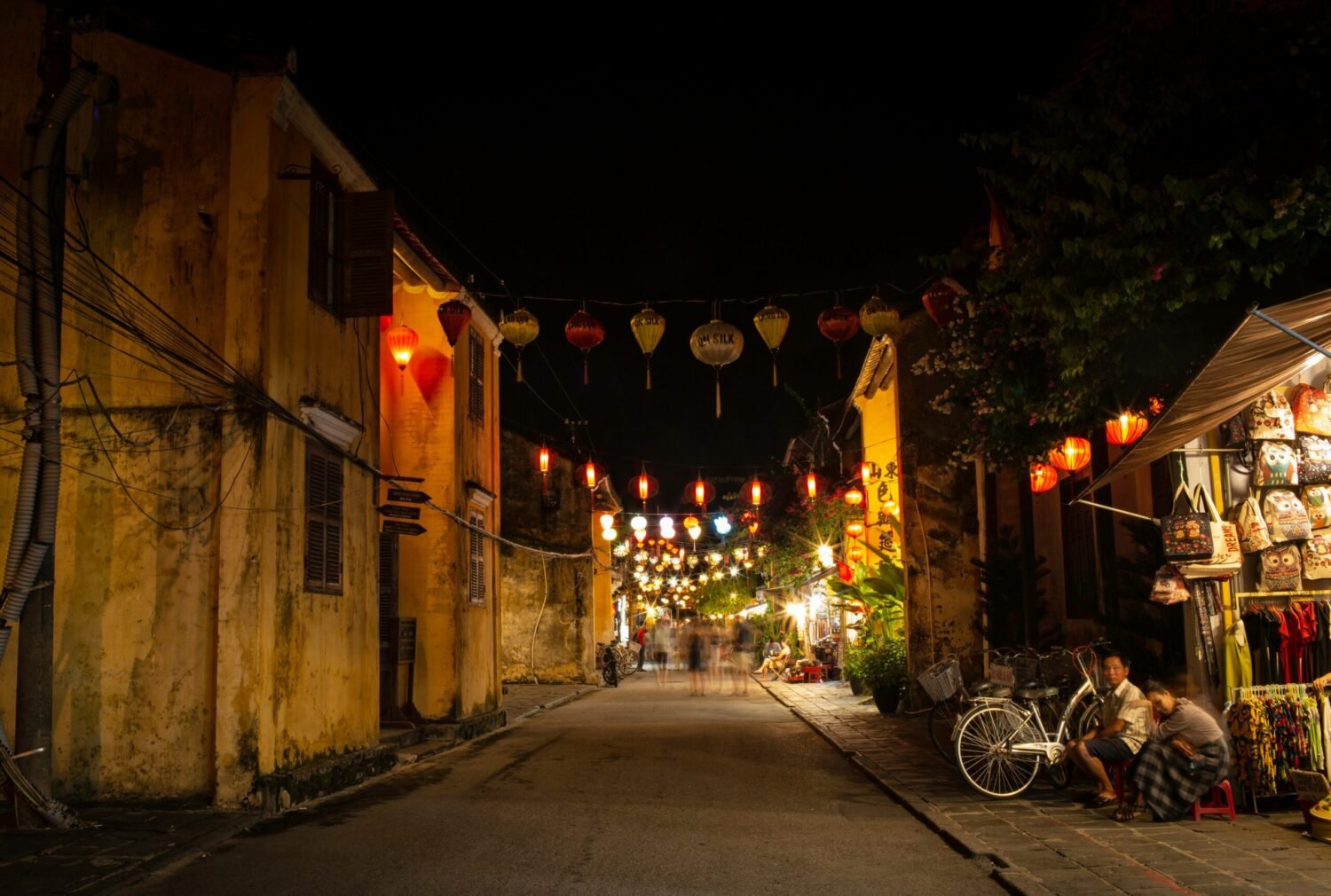
Despite what many websites suggest, the Vietnam Visa on Arrival (VOA) is not a true on-arrival visa. You cannot simply land at Hanoi or Ho Chi Minh City airport and obtain a visa at the counter without prior approval. The VOA process requires you to obtain a pre-approved visa approval letter from the Vietnamese Immigration Department through a licensed travel agency before you fly. Here is exactly how the process works:
| VOA Step | What You Do | Cost | Where |
|---|---|---|---|
| Step 1 — Get approval letter | Apply through a licensed Vietnam visa agency for a pre-approval letter from the Immigration Department | $10–$25 (agency service fee) | Online, via the agency’s website |
| Step 2 — Fly to Vietnam | Board your flight with the approval letter printed, passport, 2 passport photos (4×6 cm) | — | Your departure airport |
| Step 3 — VOA counter at airport | Go to the dedicated VOA counter (separate from immigration), present approval letter and passport | — | Noi Bai (Hanoi), Tan Son Nhat (HCMC), Da Nang, Phu Quoc airports only |
| Step 4 — Pay stamp fee | Pay the government stamping fee in cash — USD or VND only (no INR, no card) | $25 (single) / $50 (multiple) | VOA counter at airport |
| Step 5 — Receive visa stamp | Visa sticker is placed in passport — proceed to immigration as normal | — | VOA counter |
Vietnam E-Visa Entry Points — Where Can Indians Enter?
Your Vietnam e-visa is linked to a specific entry point that you declare during the application. You must enter Vietnam through the exact airport, land border, or seaport you specified. If your travel plans change and you need to use a different entry point, you must apply for a new e-visa. Here are the most important entry points for Indian travelers:
| Entry Point Type | Name | City / Region | Most Used By |
|---|---|---|---|
| International Airport | Noi Bai International Airport (HAN) | Hanoi | North Vietnam travelers, flights from Delhi, Kolkata |
| International Airport | Tan Son Nhat International Airport (SGN) | Ho Chi Minh City | South Vietnam travelers, flights from Mumbai, Bengaluru |
| International Airport | Da Nang International Airport (DAD) | Da Nang | Central Vietnam travelers, Hoi An, Hue visitors |
| International Airport | Phu Quoc International Airport (PQC) | Phu Quoc Island | Beach travelers, island holiday visitors |
| International Airport | Cam Ranh International Airport (CXR) | Nha Trang | Beach and coastal travelers |
| Land Border | Moc Bai — Bavet (Cambodia–Vietnam) | Tay Ninh Province | Cambodia-Vietnam overland travelers |
| Land Border | Lao Cai — Hekou (China–Vietnam) | Lao Cai Province | Sapa travelers from China side |
Flights from India to Vietnam — All Routes and Current Fares
| Indian City | Vietnam Destination | Flight Type | Duration | Round-Trip Fare (Budget) | Airlines |
|---|---|---|---|---|---|
| Delhi (DEL) | Hanoi (HAN) | Direct | ~4 hr 30 min | ₹16,000–₹28,000 | IndiGo, Air India, VietJet Air |
| Delhi (DEL) | Ho Chi Minh City (SGN) | Direct / 1 stop | ~5 hr / ~8 hr | ₹16,000–₹30,000 | Air India, IndiGo, VietJet Air |
| Mumbai (BOM) | Ho Chi Minh City (SGN) | Direct | ~5 hr | ₹18,000–₹32,000 | Air India, IndiGo, VietJet Air |
| Kolkata (CCU) | Hanoi (HAN) | Direct | ~3 hr | ₹15,000–₹24,000 | IndiGo, VietJet Air |
| Bengaluru (BLR) | Hanoi (HAN) / SGN | 1 stop | ~6–9 hr | ₹16,000–₹28,000 | IndiGo, VietJet Air, AirAsia |
| Ahmedabad (AMD) | Ho Chi Minh City (SGN) / HAN | 1 stop | ~8–11 hr | ₹15,000–₹26,000 | VietJet Air, IndiGo |
| Chennai (MAA) | Ho Chi Minh City (SGN) | 1 stop | ~6–8 hr | ₹16,000–₹27,000 | IndiGo, VietJet Air |
| Hyderabad (HYD) | Hanoi (HAN) / SGN | 1 stop | ~7–9 hr | ₹16,000–₹28,000 | IndiGo, VietJet Air |
Top 5 Reasons Vietnam E-Visa Applications Get Rejected — and How to Avoid Them
The Vietnam e-visa rejection rate for Indian travelers is relatively low when applications are completed carefully, but mistakes do happen. Here are the five most common reasons for rejection and exactly how to avoid each one.
| Rejection Reason | Why It Happens | How to Avoid It |
|---|---|---|
| Photo does not meet requirements | Coloured background, glasses, dark lighting, face not centered, file too large or wrong format | Use a plain white background, no glasses, face filling 70–80% of frame, recent photo, JPEG under 2MB. Use a professional passport photo or a reputable phone app like Passport Photo Maker |
| Name mismatch with passport | Name entered differently from passport — middle name omitted, spelling variation, initials used | Copy your name EXACTLY from your passport including all middle names and exact spelling. Do not abbreviate anything |
| Passport validity too short | Passport expires within 6 months of intended arrival date | Check your passport expiry date before applying. If it expires within 6 months of your Vietnam arrival, renew your passport first |
| Entry point mismatch | Traveler booked flight to Hanoi but selected Da Nang as entry point on e-visa application | Confirm your flight destination first, then select the matching airport as your entry point on the e-visa application |
| Payment failure | Indian debit card declined due to international transactions not enabled or 2FA not completed | Enable international transactions on your debit/credit card before applying. Keep your phone handy for OTP during payment. Visa/Mastercard credit cards are most reliable |
Vietnam E-Visa vs Visa on Arrival — Complete Comparison for Indians
| Factor | E-Visa | Visa on Arrival |
|---|---|---|
| Application process | 100% online — no agency needed | Requires a separate agency for approval letter |
| Total cost (single entry) | $25 (~₹2,100) — all-in | $35–$50 (letter fee + stamp fee) |
| Processing time | 3–7 business days | 24 hours to 3 days for letter |
| Airport wait on arrival | Normal immigration queue only | Separate VOA counter queue — can be 1–2 hours in peak season |
| Valid entry points | 83 airports, land borders, seaports | 4 international airports only |
| Reliability | Very high — government-issued directly | Dependent on agency quality and letter accuracy |
| Best for | All travelers planning 10+ days ahead | Genuine last-minute travelers (less than 72 hours to departure) |
| Recommended? | Yes — for almost all Indians | Only when no time for e-visa |
What to Do When You Arrive in Vietnam with Your E-Visa
Getting your e-visa approved is the main task. What happens when you land is straightforward, but knowing the process in advance avoids any confusion at a busy international airport.
- Have your printed e-visa ready — along with your Indian passport and the return/onward flight ticket. Keep all three together in a folder or the front pouch of your carry-on.
- Proceed to the immigration counter — unlike VOA, there is no separate counter for e-visa holders. Join the standard “Foreigner” immigration queue.
- Present your passport and e-visa — the immigration officer scans your passport, verifies the e-visa electronically against your passport number, and stamps your entry. The entire process takes 2 to 5 minutes per person.
- Keep your passport stamp page safe — the immigration entry stamp shows your permitted stay duration. Do not overstay this date — overstaying even by one day results in fines, possible detention, and complications for future Vietnam visa applications.
- Buy a local SIM at the airport — Viettel and Mobifone sell tourist SIM cards at arrival hall counters for approximately $3 to $5 (₹250 to ₹420). Get one immediately — Google Maps, PickMe equivalent apps (Grab works in Vietnam), and quick communication all depend on having data.
Vietnam Visa Extension — Can You Stay Longer Than 90 Days?
The Vietnam e-visa allows a maximum stay of 90 days per visit. If you want to stay longer, there are two options. The first is to exit Vietnam and re-enter with a new e-visa — this is the most straightforward approach and is commonly used by digital nomads and long-stay travelers. The second is to apply for a visa extension through the Vietnam Immigration Department office (Cục Quản Lý Xuất Nhập Cảnh) in Hanoi or Ho Chi Minh City before your current visa expires. Extensions are granted at the discretion of the immigration authorities and are not guaranteed — the process can take several days and typically requires the assistance of a local visa agent or hotel.
Complete Vietnam Trip Cost from India — Budget Summary
| Expense | Budget | Mid-Range |
|---|---|---|
| Return flights from India (Delhi/Kolkata) | ₹15,000–₹20,000 | ₹22,000–₹35,000 |
| Vietnam e-visa (single entry) | ₹2,100 ($25) | ₹2,100 ($25) |
| Accommodation (7 nights) | ₹4,900–₹8,400 | ₹12,000–₹22,000 |
| Food (7 days — street food to restaurants) | ₹2,100–₹3,500 | ₹5,000–₹9,000 |
| In-country transport (buses, trains, Grab) | ₹2,500–₹4,000 | ₹5,000–₹9,000 |
| Entry fees and activities | ₹2,000–₹3,500 | ₹4,000–₹7,000 |
| Local SIM + miscellaneous | ₹500–₹800 | ₹1,000–₹2,000 |
| Travel insurance | ₹600–₹900 | ₹1,000–₹1,800 |
| Total (7 days, including flights) | ₹30,000–₹43,000 | ₹52,000–₹86,000 |
Best Time to Visit Vietnam from India
| Period | Months | Weather | Best Region | Verdict for Indians |
|---|---|---|---|---|
| Winter (Dry Season) | November–April | Cool and dry in north, warm and sunny in south | Hanoi, Ha Long Bay, Hoi An, HCMC | Best time — ideal weather throughout the country |
| March–April | March–April | Warm and clear, transition season | Full country | Excellent — cheaper flights, fewer crowds |
| Summer | May–August | Hot and humid south, typhoon risk north/central | North (Sapa, Ha Giang) relatively better | Manageable but less ideal — book in advance |
| Monsoon | September–October | Heavy rain in central Vietnam, typhoon season | South (HCMC, Mekong Delta) relatively dry | Avoid central Vietnam — south is still okay |
Final Verdict
The Vietnam visa for Indians 2026 is a simple, affordable, and entirely manageable process when approached correctly. Pay $25 directly at evisa.gov.vn, upload your passport scan and photo carefully, wait 3 to 7 business days, print your approved e-visa, and you are done. The entire process takes less than 30 minutes of actual effort.
What makes Vietnam worth every rupee of that visa fee is the country itself — one of the most diverse, visually spectacular, historically layered, and genuinely affordable destinations available to Indian travelers anywhere in the world. From the ancient water puppet theatres of Hanoi to the limestone karsts of Ha Long Bay, from the silk lantern streets of Hoi An to the Mekong Delta’s floating markets, from the white sand beaches of Da Nang to the French-colonial charm of Ho Chi Minh City — Vietnam rewards every traveler who arrives prepared.
Apply early, fly smart, print your visa, and go. Vietnam is waiting.
Frequently Asked Questions
Is Vietnam visa free for Indians in 2026?
No. Vietnam does not offer visa-free entry to Indian passport holders in 2026. All Indian citizens require a valid visa — either an e-visa, visa on arrival, or embassy visa — before entering Vietnam. The only exception is Phu Quoc Island, where Indians can enter visa-free for up to 30 days if arriving directly at Phu Quoc International Airport without traveling to the mainland. For all other entry points, a visa is mandatory.
How much does Vietnam visa cost for Indians in 2026?
The Vietnam e-visa costs $25 USD (approximately ₹2,100) for a single-entry visa and $50 USD (approximately ₹4,200) for a multiple-entry visa. Both allow stays of up to 90 days. Express processing (1 to 3 days) costs $50 for single entry and $95 for multiple entry. Apply directly at evisa.gov.vn — third-party agencies charge additional service fees of ₹1,500 to ₹5,000 for the same application.
How long does Vietnam e-visa take to process for Indians?
Standard processing takes 3 to 7 business days from the date of submission and payment. Business days exclude weekends and Vietnamese public holidays, so plan accordingly. Apply at least 10 to 14 days before your travel date for a comfortable buffer. If your travel date is within 3 to 5 days, use the express processing option for $50 (single entry) which aims to deliver approval within 1 to 3 working days.
Can I apply for Vietnam visa on arrival without an agency?
No. The Vietnam Visa on Arrival requires a pre-approved visa approval letter from the Vietnamese Immigration Department, which must be obtained through a licensed travel agency before your flight. You cannot simply arrive at a Vietnam airport and get a visa at the counter without this letter. Airlines will also not let you board without either an approved e-visa or a VOA approval letter. For Indian travelers, the e-visa directly from evisa.gov.vn is a significantly better option than VOA in almost every situation.
Which airports can Indians fly into Vietnam directly?
Direct flights from India serve Hanoi (Noi Bai Airport), Ho Chi Minh City (Tan Son Nhat Airport), and Da Nang International Airport. IndiGo operates direct flights from Delhi and Kolkata to Hanoi. Air India operates direct flights from Delhi and Mumbai to both Hanoi and HCMC. VietJet Air offers the most frequent direct connections from multiple Indian cities. Connecting flights via Singapore, Bangkok, or Kuala Lumpur are available from all major Indian cities to all Vietnamese airports.
Can Indians enter Vietnam by land border?
Yes — Indians can enter Vietnam through several land border crossings, provided their e-visa specifies that land border as the entry point. Popular land crossings used by Indian travelers include Moc Bai–Bavet (from Cambodia to Ho Chi Minh City area) and Lao Cai–Hekou (from China to Sapa area). When applying for the e-visa, select the specific land border crossing you plan to use. You cannot use a different entry point than the one declared on your e-visa.
What is the maximum stay allowed on Vietnam e-visa for Indians?
The Vietnam e-visa allows a maximum stay of 90 days per visit, for both single-entry and multiple-entry visas. This is the visa’s validity in terms of stay duration — the visa itself must be used within 90 days of its issue date. After 90 days, you must either leave Vietnam or apply for an extension through the Vietnam Immigration Department (which is not guaranteed) or exit the country and apply for a fresh e-visa.
Do I need travel insurance for Vietnam as an Indian traveler?
Travel insurance is not a mandatory requirement for the Vietnam e-visa application or for entry into Vietnam. However, it is strongly recommended. Medical treatment in Vietnamese hospitals, while generally affordable, can become very expensive in serious emergencies — especially if hospitalization, surgery, or emergency evacuation is required. A basic international travel insurance policy for 7 to 10 days costs ₹600 to ₹1,200 and covers medical emergencies, trip cancellations, lost luggage, and passport loss. Buy it before every international trip, including Vietnam.