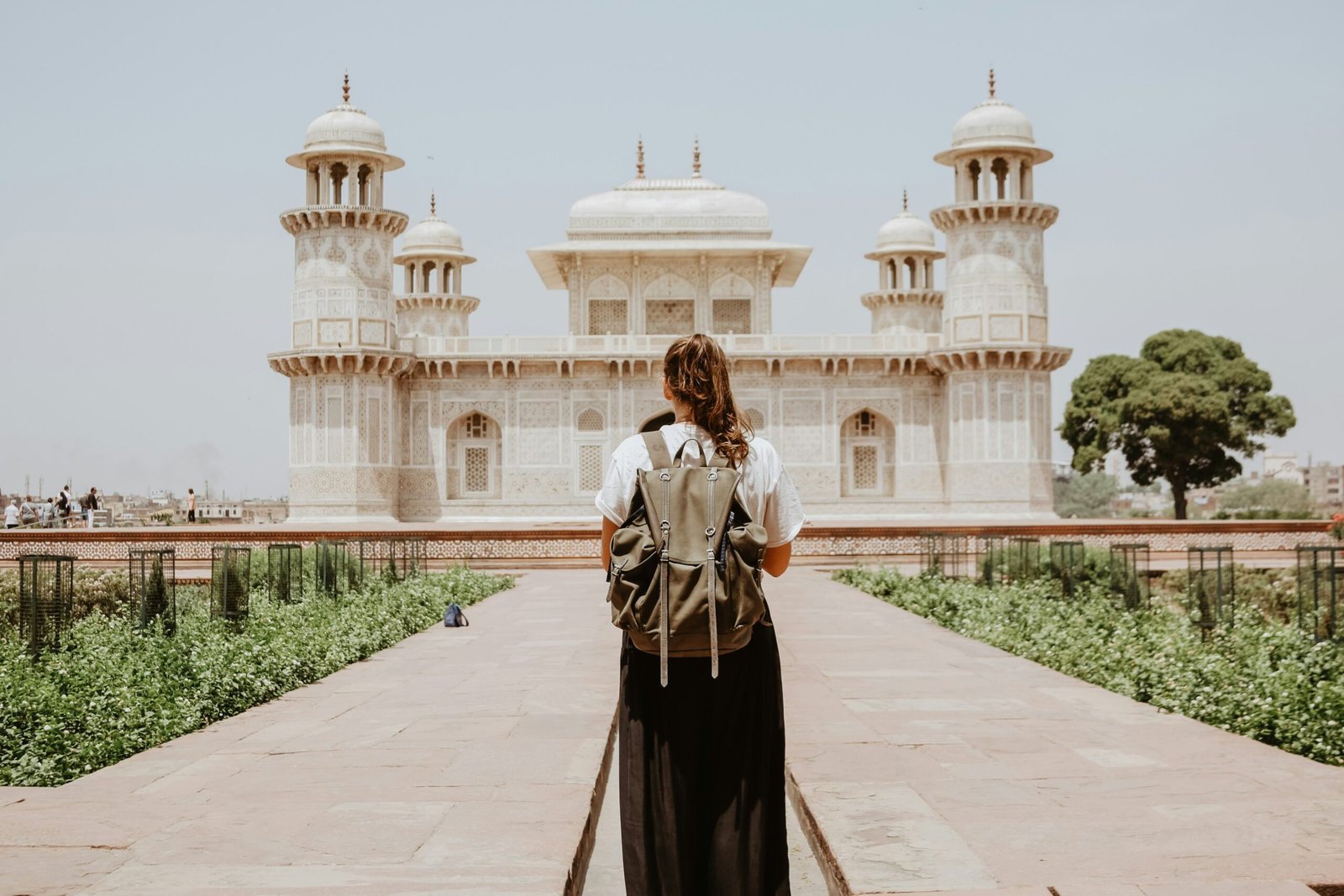
Budget Solo Travel India Tips for Beginners — The Complete 2026 Guide to Travelling India Alone on Less Than ₹2,000 a Day
Budget solo travel India tips for beginners is exactly what this guide is — not a vague list of generic advice, but a complete, practical, India-specific manual for anyone planning their first solo trip through one of the world’s most overwhelming, rewarding, and misunderstood travel destinations. India is genuinely one of the best countries on earth for solo budget travel. A daily budget of ₹1,500 to ₹2,000 covers a clean hostel bed, three decent meals, local transport, and entry fees to most sights in most Indian cities. That is not a backpacker’s pipe dream — it is a routinely achievable reality for anyone who knows how the system works.
The challenge is not the cost. The challenge is the learning curve. India’s transport booking systems, accommodation tiers, regional food cultures, safety considerations, and social dynamics all operate differently from anywhere else — and most travel guides written for Western tourists either overcomplicate it or dangerously oversimplify it. This guide is written specifically for Indian travelers — people who already understand the culture and language but are navigating solo and budget travel for the first time.
The Real Cost of Budget Solo Travel in India — What ₹2,000 a Day Gets You
Let us start with numbers because every other decision flows from here. The budget solo travel India landscape in 2026 breaks down into three honest tiers — and understanding which tier matches your comfort level is the foundation of good trip planning.
| Budget Tier | Daily Budget | Accommodation | Food | Transport | Best For |
|---|---|---|---|---|---|
| Ultra-Budget (Shoestring) | ₹800–₹1,200/day | Hostel dorm ₹300–₹500 | Street food + local dhabas ₹150–₹300 | Local buses + trains ₹100–₹200 | Students, gap year travelers, those with maximum time and minimum money |
| Smart Budget | ₹1,500–₹2,500/day | Private hostel room or budget hotel ₹600–₹1,200 | Mix of local restaurants + occasional sit-down ₹300–₹600 | Mix of trains, buses, metro ₹200–₹400 | First-time solo travelers — recommended starting point |
| Comfortable Budget | ₹2,500–₹4,000/day | Clean 2-3 star hotel ₹1,200–₹2,200 | Good restaurants, minimal street food ₹500–₹900 | Mostly Ola/Uber + trains ₹400–₹700 | Working professionals, those who want comfort without full luxury |
Best Destinations for First-Time Budget Solo Travelers in India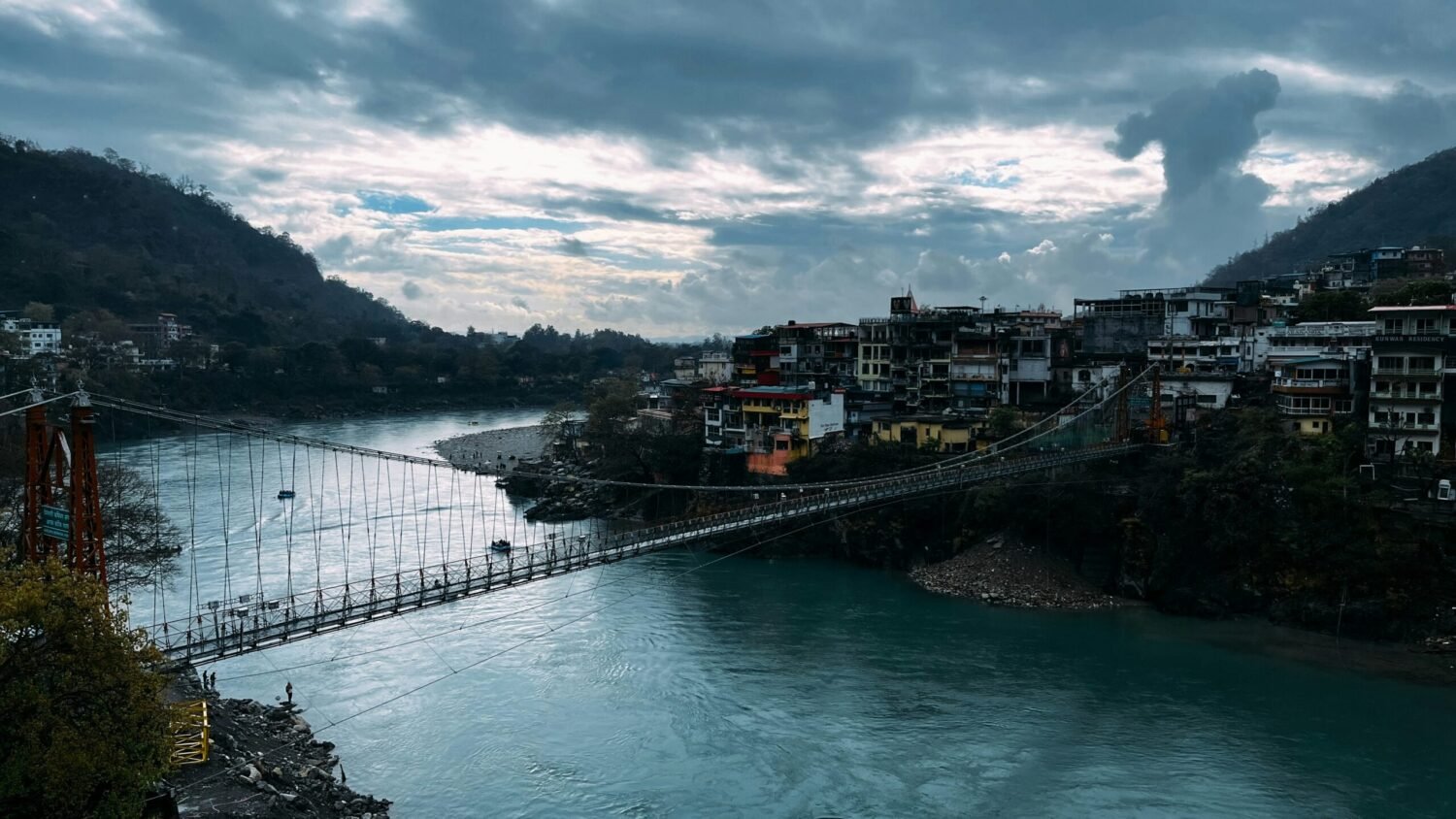
Not all Indian destinations are equally suited to first-time solo travel. Some cities and towns have excellent public transport, a well-developed hostel and budget guesthouse network, a social atmosphere that makes meeting other travelers easy, and a generally foreigner-friendly attitude toward solo visitors. Others are harder to navigate without experience, have limited budget accommodation, or present more significant safety considerations for those unfamiliar with the area.
| Destination | State | Daily Budget | Why It’s Great for Solo Beginners | Best Season |
|---|---|---|---|---|
| Rishikesh | Uttarakhand | ₹800–₹1,500 | Massive backpacker community, Zostel and multiple hostels, Ganga Aarti free, yoga culture, very safe, easy to meet other solo travelers | October–April |
| McLeod Ganj / Dharamsala | Himachal Pradesh | ₹900–₹1,600 | Tibetan culture, cafes full of solo travelers, good hostel network, Himalayan views, extremely safe and welcoming | March–June, Sept–Nov |
| Hampi | Karnataka | ₹700–₹1,200 | UNESCO ruins, legendary backpacker vibe, Virupapur Gadde guesthouses across the river, very cheap, easy cycling | October–February |
| Varanasi | Uttar Pradesh | ₹900–₹1,500 | Overwhelming but deeply rewarding, strong hostel culture in Assi Ghat area, free Ganga Aarti, boat rides from ₹100 | October–March |
| Pushkar | Rajasthan | ₹800–₹1,300 | Small, walkable, safe, spiritual, strong backpacker community, excellent cafes, Brahma Temple, camel rides | October–March |
| Pondicherry | Tamil Nadu / UT | ₹1,000–₹1,800 | French Quarter, Auroville, safe for solo women, good cafe culture, seaside promenade, easy to navigate | October–March |
| Manali | Himachal Pradesh | ₹1,000–₹1,800 | Strong traveler community, Old Manali cafes, trekking access, snow activities in winter, very popular solo destination | October–June |
| Udaipur | Rajasthan | ₹1,200–₹2,000 | City Palace, lake views, good hostel scene, excellent local food, manageable city size, very photogenic | October–March |
| Coorg | Karnataka | ₹1,200–₹2,000 | Coffee estates, waterfalls, trekking, green and cool climate, homestay culture excellent for solo travelers | October–May |
| Spiti Valley | Himachal Pradesh | ₹1,200–₹2,000 | For more adventurous solo beginners — epic landscape, monastery culture, homestays, off-grid experience | June–October |
Budget Solo Travel India — Transport Guide for Beginners
Transport is where most first-time solo budget travelers in India make their biggest mistakes — either overspending on taxis and flights out of anxiety, or underspending in ways that sacrifice safety. Here is the complete, honest breakdown of every mode of transport in India ranked by cost and what each suits best.
Indian Railways — The Budget Solo Traveler’s Best Friend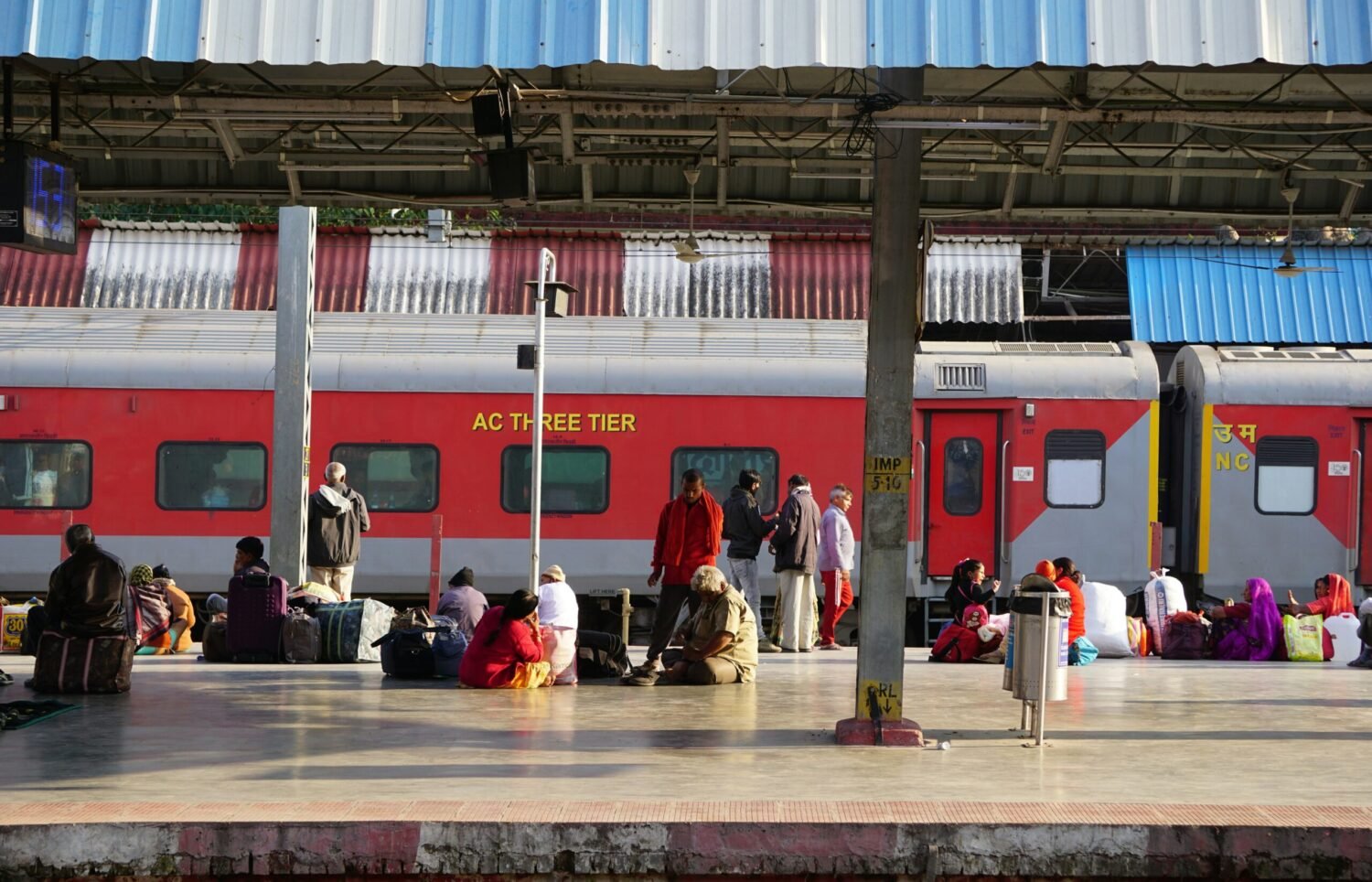
The Indian Railways network is the backbone of budget solo travel in India. With over 13,000 trains running daily across 67,000+ km of track, you can get almost anywhere in the country by train at a price that is often impossible to beat. The key is understanding the class system — because the same train can cost ₹200 or ₹2,000 depending on which class you book.
| Train Class | Code | Cost Level | What to Expect | Best For |
|---|---|---|---|---|
| Sleeper Class | SL | Cheapest (₹150–₹500) | Non-AC, open berths, ceiling fans, side berths available. Manageable in cooler months. Can be crowded and loud | Ultra-budget travelers in Oct–Feb |
| AC 3-Tier | 3A | Budget-Mid (₹400–₹1,200) | AC, 3 berths per bay, curtain for some privacy, charging points. Recommended for solo beginners | Most solo travelers — best value for comfort |
| AC 2-Tier | 2A | Mid (₹700–₹2,000) | AC, 2 berths per bay, more privacy, cleaner, better security. Worth it for overnight journeys | Solo women, longer overnight journeys |
| AC Chair Car | CC | Budget (₹200–₹600) | AC seats, no berths, for day journeys only — like Shatabdi and Jan Shatabdi trains | Short to medium day trips between cities |
| General / Unreserved | GEN | Ultra-cheap (₹50–₹200) | No reservation, can be extremely crowded, no guaranteed seat. Not recommended for solo beginners | Short local journeys only in emergency |
Buses — The Regional Workhorse
| Bus Type | Cost | Best For | How to Book |
|---|---|---|---|
| State-run AC Volvo / sleeper | ₹300–₹800 | Hill states (HP, Uttarakhand, Rajasthan) where trains don’t reach. HRTC, RSRTC are reliable | State transport websites or redBus |
| Private AC Volvo Semi-Sleeper | ₹400–₹1,200 | Popular tourist routes — Manali, Jaipur, Kasol, Rishikesh from Delhi | redBus, MakeMyTrip, AbhiBus |
| Local state bus (non-AC) | ₹30–₹200 | Short hops within states, rural areas, last-mile connectivity | Buy at bus stand counter, cash only |
| Shared jeeps / Sumo | ₹50–₹300 | Hill destinations — Spiti, Lahaul, Sikkim, North Bengal, Arunachal | From main bus stand at destination, fixed routes |
Within Cities — Metro, Auto, Ola / Uber
| Mode | Cost | Best For | Beginner Tips |
|---|---|---|---|
| Metro | ₹10–₹60 per trip | Delhi, Mumbai, Bengaluru, Hyderabad, Chennai, Kolkata, Pune, Ahmedabad | Use the city metro app or Google Maps for route planning. Buy a day pass for unlimited travel if you have many stops |
| Ola / Uber | ₹80–₹300 for most city rides | Door-to-door, safe, metered, no negotiation needed | Always verify driver name, photo, and number plate before getting in. Share your ride status with a contact |
| Auto-rickshaw | ₹30–₹150 per trip | Short distances, where apps are unavailable or surge pricing is high | Always agree on price before getting in or insist on meter. Ask your hotel for fair fare estimates before stepping out |
| Local bus | ₹5–₹25 per trip | Budget city travel, especially Mumbai BEST and Bengaluru BMTC routes | Ask locals at the bus stop for the correct bus number. Google Maps usually shows local bus routes now |
| Rented bicycle / scooter | ₹200–₹500/day | Hampi, Pushkar, Pondicherry, Coorg, Spiti — towns built for slow travel | Check brakes and tyres before renting. Carry driving licence for scooter rental. Avoid night riding in unfamiliar areas |
Budget Accommodation for Solo Travelers in India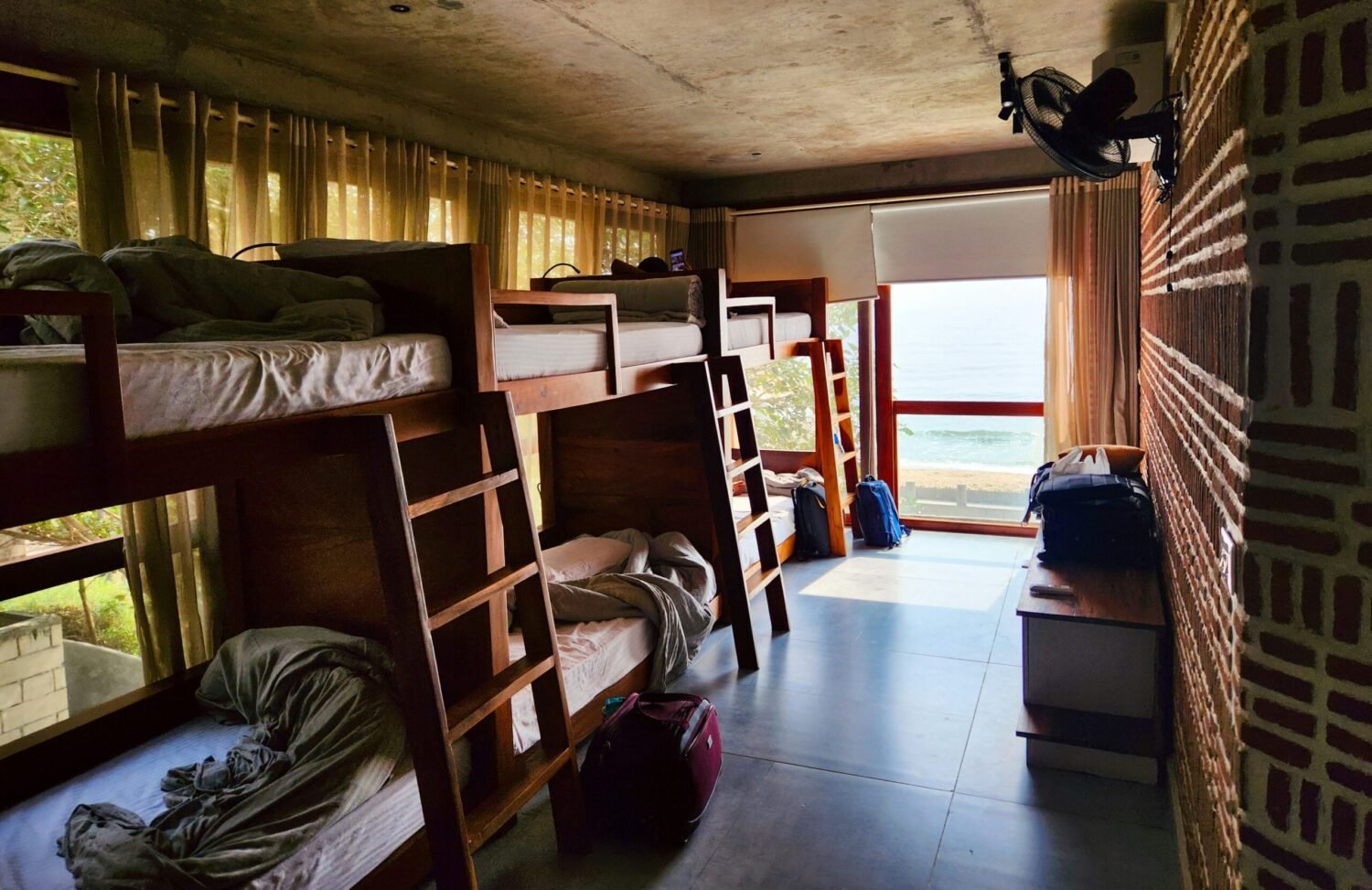
The accommodation landscape for budget solo travelers in India has transformed dramatically in the last 5 years. The arrival and expansion of hostel chains — Zostel, Gokulam, Backpacker Panda, Treebo Trend, and independent boutique hostels — has created a tier of accommodation that simply did not exist before 2015. These are clean, safe, social spaces with dorm beds at ₹300 to ₹600 per night and private rooms at ₹700 to ₹1,400 — and they are genuinely good.
| Accommodation Type | Cost Per Night | Best For | How to Book | Key Consideration |
|---|---|---|---|---|
| Hostel dorm (4–10 beds) | ₹300–₹600 | Meeting other travelers, ultra-budget, social experience | Zostel app, Hostelworld, MakeMyTrip | Use a padlock for your locker. Pick 4-bed dorms over 10-bed for a quieter experience |
| Hostel private room | ₹700–₹1,400 | Solo travelers who want privacy but hostel community access | Zostel app, Booking.com, MakeMyTrip | Best value sweet spot for most solo beginners — private room with common areas to socialise |
| Budget guesthouse / lodge | ₹600–₹1,200 | Cities and towns without hostels, family-run local stays | Booking.com, OYO, local search on Google Maps | Check Google reviews carefully — photos can be misleading. Filter by 4.0+ rating minimum |
| OYO rooms | ₹500–₹1,500 | Wide availability across tier 2 and 3 cities | OYO app | Quality varies enormously. Read recent guest reviews. OYO Townhouse is the more reliable sub-brand |
| Homestay | ₹800–₹2,000 (often including meals) | Rural areas, off-beat destinations, cultural immersion | Airbnb India, local tourism department listings, word-of-mouth | Excellent for Spiti, Sikkim, Kerala backwaters, Coorg. Often includes home-cooked meals |
| Dharamshala / temple guest house | ₹100–₹400 (donation-based sometimes) | Religious destinations — Varanasi, Rishikesh, Amritsar, Tirupati | Ask at temple/gurudwara on arrival | Gurudwara langars and accommodation are free at Golden Temple — world-class and genuinely welcome to all |
Food on a Budget — How to Eat Well for ₹300 a Day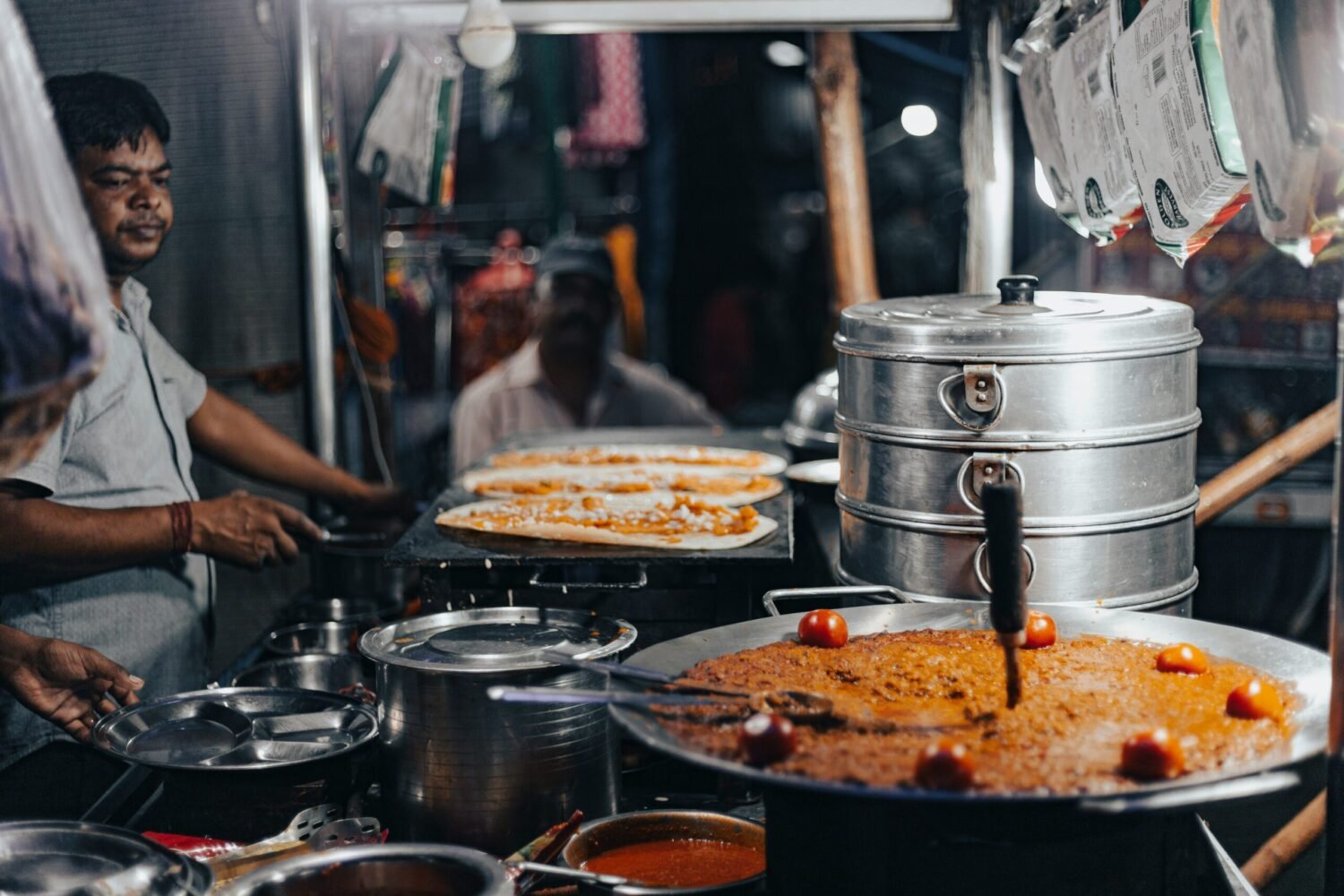
Eating well for ₹300 a day in India is not just possible — it is one of the genuine pleasures of budget travel here. The country’s street food and local restaurant culture is among the richest and most diverse in the world, and the best eating is almost always the cheapest. The mistake most beginners make is eating at tourist-facing restaurants because they feel safer. The reality is that the cleanest, freshest, most delicious food in India is at the busiest local food stalls — high turnover means fresh ingredients, not health risks.
| Food Type | Cost Per Meal | Examples | Best For |
|---|---|---|---|
| Street food | ₹20–₹80 | Vada pav (Mumbai), pav bhaji, chaat, momos, aloo tikki, dosa from street carts | Breakfast, snacks, late-night bites |
| Local dhaba / canteen | ₹80–₹180 | Dal rice, thali, sabzi roti, egg curry, regional specials | Lunch and dinner — best value anywhere in India |
| Udupi / South Indian restaurants | ₹60–₹150 | Idli, dosa, vada, sambhar, uttapam, filter coffee | Breakfast and lunch — widely available North and South India |
| Tourist cafe (backpacker area) | ₹150–₹350 | Pasta, momos, Israeli food, pancakes, fresh juice, chai | Occasional treat, social eating with other travelers |
| Thali meals | ₹120–₹250 | Rajasthani, Gujarati, South Indian, Odia, Marathi thalis — unlimited refills in most | Lunch — best value meal format in India |
Essential Apps for Budget Solo Travel in India
| App | Category | Why You Need It |
|---|---|---|
| IRCTC Rail Connect | Train booking | Official Indian Railways app — book all train classes, check PNR, track train live |
| ixigo Trains | Train tracking | Better interface than IRCTC for train status, PNR confirmation chances, live location |
| redBus | Bus booking | All private and many state buses across India — filter by seat type, operator rating, pickup point |
| Ola / Uber | City transport | Safe, metered rides across all major Indian cities — essential for solo travel safety, especially at night |
| Google Maps (offline) | Navigation | Download offline maps for each region before traveling — mobile data can be patchy in hills and rural areas |
| Zostel App | Accommodation | Book verified hostels across 100+ Indian destinations, see co-traveler profiles, common room activity |
| MakeMyTrip | Flights + hotels | Best for comparing domestic flight prices, booking budget hotels, package deals |
| Paytm / Google Pay / PhonePe | Payments | UPI-based — accepted at most shops, dhabas, autos in cities. Link to bank account before traveling |
| IndiGo / SpiceJet / Air India apps | Domestic flights | Direct booking often cheaper than aggregators for last-minute seat sales and web check-in |
| SkyScanner / Google Flights | Flight search | Compare domestic flight prices across all airlines, set price alerts for routes you plan to fly |
Safety Tips for Budget Solo Travel in India
India’s safety reputation is complicated — it is both better and worse than its international media coverage suggests, and the reality depends enormously on where you are, how you travel, and the basic precautions you take. Here is an honest, practical safety guide for solo travelers.
General Safety for All Solo Travelers
| Safety Tip | Why It Matters |
|---|---|
| Share your live location with a trusted person | WhatsApp live location sharing is free and works on any data connection. Turn it on whenever you are moving between cities or in a new area |
| Always use Ola/Uber at night | App-based rides are tracked, the driver’s details are recorded, and the fare is fixed. Never use an unlicensed cab or auto at night, especially at railway stations and airports |
| Keep photocopies of all documents | Aadhaar, phone with emergency contacts, travel itinerary. Keep digital copies on Google Drive or email to yourself. Physical copies in a separate bag from your originals |
| Save emergency numbers | 112 (universal emergency), 100 (police), 1091 (women’s helpline), 182 (railway security police). Save them before you leave home |
| Carry a small daypack, not your full backpack, when exploring | Leave your main luggage locked at your hostel or hotel. Carry only what you need for the day — wallet, phone, water, camera. Reduces theft risk and fatigue |
| Trust your gut above all other advice | If a situation or person feels wrong, remove yourself immediately. You do not owe politeness to strangers who make you uncomfortable. Your instincts are a survival tool — use them |
Safety Tips Specifically for Solo Women Travelers
| Tip | Practical Detail |
|---|---|
| Use Ladies compartments on trains and metros | Every Indian Railways sleeper and AC train has Ladies compartments. Every metro system has Ladies-only carriages. Use them — it is your legal right and significantly reduces discomfort |
| Book women-only dorms at hostels | Zostel and most established Indian hostels offer women-only dorm options — request them when booking. Significantly better experience and peace of mind for solo female travelers |
| Dress contextually, not conservatively by default | Rishikesh, McLeod Ganj, and Goa have more relaxed dress norms for tourists. Varanasi, Agra, and smaller religious towns expect more coverage. Read the room. You are not required to dress in any particular way — but understanding local norms is practical information |
| Stay in central, well-reviewed accommodation | Centrally located accommodation with 4.0+ reviews on Google or Zostel is important. Remote or poorly reviewed budget stays increase risk. Never compromise on accommodation location for the sake of ₹200 savings |
| Avoid isolated areas after dark | This applies everywhere in India — beaches at night, poorly lit lanes, empty platforms. Stick to busy areas, markets, and places where other people are present. Confidence and purposeful movement are your most effective tools |
| Connect with the solo female traveler community | Facebook groups like “Solo Female Travelers India” and “Zostel Women Who Travel” have thousands of members who share real-time safety advice, destination reviews, and travel partner connections. Join before you plan your first trip |
How to Plan Your First Solo Budget Trip to India — Step by Step
Step 1 — Choose One Destination, Not an Itinerary
The biggest mistake first-time solo travelers make is planning a 10-city, 15-day India itinerary and then burning out by Day 4. For your first solo trip, pick one destination — just one. Spend 5 to 7 days there. Learn how one Indian city’s transport works, find your favorite local dhaba, get comfortable being alone in public. The confidence you build in one place carries forward to every subsequent trip. Rishikesh, McLeod Ganj, or Hampi for 5 to 7 days is a better first solo trip than Delhi-Agra-Jaipur in 7 days.
Step 2 — Book Only Your First Night in Advance
Book your first night’s accommodation before you arrive — the logistics of arriving in an unfamiliar city tired and hungry without a confirmed place to sleep creates unnecessary stress. After the first night, let your trip breathe. Talk to other travelers at your hostel, ask the staff for recommendations, and decide on Day 2 where Day 3 takes you. Solo travel works best when it has space to be spontaneous — but that space should be built on a foundation of at least one known, confirmed element at the start.
Step 3 — Pack Light. Lighter Than You Think Is Necessary.
Everything you pack, you carry. On solo budget travel in India, you will be climbing stairs with your bag, lifting it into overhead train berths, carrying it through crowded bus stations, and walking it to guesthouses that are never quite as close to the station as Google Maps suggests. A 40-litre backpack is the maximum. A 30-litre daypack-style bag is even better for short trips. The most common packing mistake is bringing too many clothes — India has laundry services everywhere for ₹50 to ₹100 per kg. Pack 3 days of clothing and use the laundry.
Step 4 — Keep a Daily Budget Record
Use a simple notes app or a pocket notebook to record every expense daily. This is not about being miserly — it is about staying aware. Most budget overruns in solo travel happen through accumulated small expenses that individually seem trivial (one extra auto ride, one tourist restaurant lunch instead of a dhaba, one overpriced souvenir) but together quietly double your daily spend. A 2-minute daily expense review keeps you honest and in control.
Step 5 — Connect, But Also Protect Your Solitude
The social aspect of budget solo travel — meeting other travelers at hostels, sharing meals, joining impromptu day trips — is one of its great pleasures. But your solo trip also belongs to you. You do not need to be social every minute, join every group outing, or justify spending an afternoon alone reading in a cafe by the river. The combination of genuine connection when you want it and genuine solitude when you need it is what makes solo travel different from any other kind.
Budget Solo Travel India — Complete Packing Checklist for Beginners
| Category | Items |
|---|---|
| Documents | Aadhaar card (original + 2 photocopies), driving licence if applicable, student ID for discounts, travel insurance policy (digital + printed) |
| Clothing | 3 t-shirts / tops, 2 bottoms (pants or skirts), 1 light jacket or hoodie, 1 warmer layer for hills, 3 pairs socks and underwear, 1 pair walking shoes, 1 pair flip-flops, rain jacket or poncho (compact) |
| Health and Hygiene | Paracetamol, ORS sachets, loperamide (anti-diarrheal), antihistamine, bandages and antiseptic, sunscreen SPF 50, insect repellent (DEET-based for hill areas), hand sanitiser, personal medications + 5-day extra supply |
| Tech and Connectivity | Phone (primary), power bank (minimum 10,000 mAh), charging cable, universal adapter, headphones, offline downloaded entertainment, Google Maps offline maps downloaded for your region |
| Money | Debit card with UPI linked, one credit card (Visa/Mastercard for emergencies), ₹3,000–₹5,000 in cash on departure, small amounts in ₹10/₹20/₹50 notes for autos and street food |
| Bag | Main backpack (30–40 litres), small daypack (10–15 litres), padlock (combination type) for hostel lockers, dry bag or rain cover for main bag |
| Optional but Useful | Travel towel (hostels do not always provide), reusable water bottle with filter, sleep liner for hostel dorms, small LED torch, playing cards for hostel common rooms |
Final Verdict
Budget solo travel India tips for beginners all point toward one simple truth — India is not a difficult country to travel solo. It is a complex country. Those two things are not the same. The complexity is the point. The chaos of a railway station at 6 AM, the warmth of a hostel common room conversation that turns into a week-long friendship, the particular silence of a Himalayan morning before anyone else is awake, the confidence that comes from navigating a city by yourself for the first time and discovering you knew how all along — these are the experiences that solo budget travel in India delivers at a price that has no equivalent anywhere in the world.
Start with one place. Take the train. Stay in a Zostel. Eat at the busiest local dhaba you can find. Keep your documents safe, your phone charged, your gut trusted, and your plans loose. The rest of India — all 3.2 million square kilometres and 28 states of it — opens up from there, one solo trip at a time.
Frequently Asked Questions
What is the minimum budget for solo travel in India per day?
The absolute minimum daily budget for solo travel in India is approximately ₹800 to ₹1,000 per day — covering a hostel dorm bed (₹300 to ₹500), three meals at local dhabas and street stalls (₹200 to ₹300), and basic local transport like metro or bus (₹100 to ₹150). This is a shoestring budget that works in smaller towns and destinations like Hampi, Pushkar, and Rishikesh where costs are genuinely low. In major cities like Mumbai, Delhi, and Bengaluru, a more realistic minimum is ₹1,200 to ₹1,500 per day due to higher accommodation and transport costs.
Is solo travel safe in India for beginners?
Solo travel in India is safe for beginners who take sensible precautions — using app-based transport (Ola/Uber) rather than unlicensed vehicles, staying in well-reviewed accommodation in central areas, sharing live location with a trusted contact, and trusting their instincts when situations feel uncomfortable. The risk profile varies by destination — Rishikesh, McLeod Ganj, Hampi, Pondicherry, and Pushkar are considered very safe solo destinations with established traveler communities. Major cities require standard urban awareness. Night travel and isolated areas require specific caution regardless of gender.
Which is the best first destination for solo travel in India?
Rishikesh in Uttarakhand is the most recommended first solo destination in India for beginners. It has India’s best hostel infrastructure (including multiple Zostel properties), an enormous backpacker community that makes meeting other travelers effortless, a genuinely safe environment, free and paid activities for every budget (Ganga Aarti, yoga, white-water rafting, trekking), and enough energy to feel exciting without being overwhelming. McLeod Ganj in Himachal Pradesh is a close second — more peaceful, equally safe, with a beautiful Tibetan cultural layer that makes it memorable for all the right reasons.
How do I book train tickets for solo travel in India as a beginner?
Download the IRCTC Rail Connect app and create an account — this is mandatory for booking any Indian Railways ticket online. For a cleaner booking experience, use the ixigo Trains app which connects to IRCTC but has a significantly better interface. Book in the AC 3-Tier (3A) class for overnight journeys — it is safe, reasonably comfortable, and affordable. Book as early as possible — most trains open booking 60 days in advance. If a train is full, check the Tatkal quota which opens 24 hours before departure at a 30 to 40 percent premium on base fare.
What apps do I need for budget solo travel in India?
The essential apps for budget solo travel in India are IRCTC Rail Connect or ixigo (for train booking), redBus (for bus booking), Ola and Uber (for city transport), Google Maps with offline maps downloaded (for navigation), Zostel app (for hostel booking), MakeMyTrip (for flights and hotel comparison), and any UPI app like Google Pay or PhonePe for cashless payments. Download and set up all of these at home before your trip — setting up IRCTC and UPI requires bank verification that is much easier to do from home than from a hostel common room.
How much should I carry in cash for solo travel in India?
Carry ₹3,000 to ₹5,000 in cash at the start of any solo trip in India, in a mix of small denominations. While UPI and card payments work in most cities, ATMs can be unreliable in smaller towns and hill destinations (Spiti, Lahaul, parts of Uttarakhand), street food vendors and auto-rickshaws almost always need cash, and smaller guesthouses and homestays outside cities frequently require cash payment. Withdraw cash at bank-operated ATMs (SBI, HDFC, ICICI) rather than standalone ATMs in small towns — they are more reliable and have lower skimming risks.
Is it possible to solo travel India as a woman on a budget?
Yes — hundreds of thousands of Indian women travel solo on a budget every year, and the infrastructure for safe, affordable solo female travel has improved significantly in the last 5 years. Key practical steps are: book women-only dorms at Zostel properties, use the Ladies compartment on trains and metro carriages, stick to well-reviewed and centrally located accommodation, use Ola or Uber at night rather than street autos, keep emergency numbers (1091 — women’s helpline, 112 — emergency) saved on your phone, and connect with online communities like Solo Female Travelers India on Facebook before your first trip for real-time destination-specific advice.