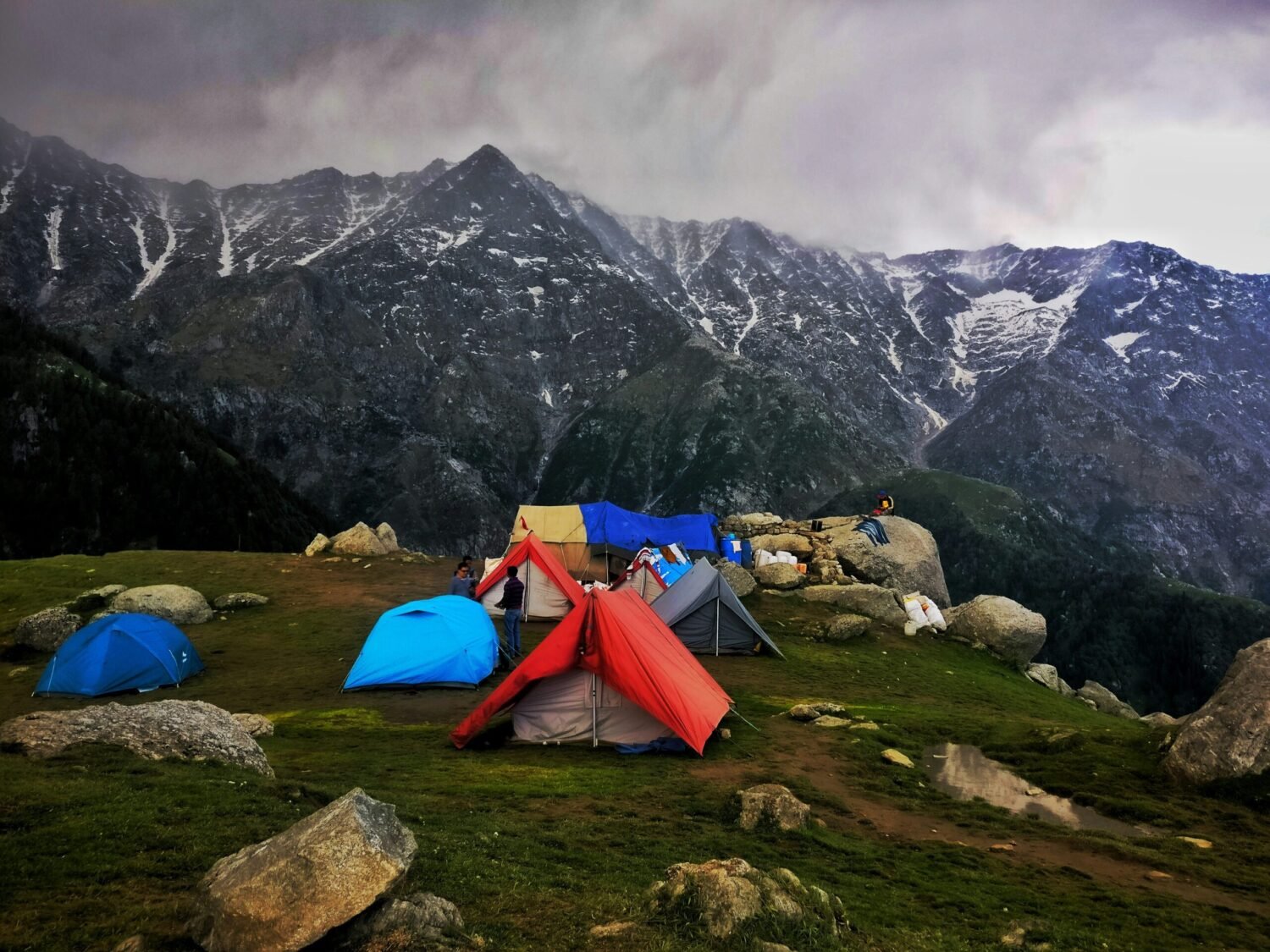
Offbeat Places in Himachal Pradesh — 12 Hidden Destinations Most Travelers Never Find in 2026
Offbeat places in Himachal Pradesh are not what most travel listicles would have you believe. Kasol is not offbeat — it has three music festivals a year and a permanent population of German bakeries. Chitkul is not offbeat — it has a parking lot and a postcard shop. And McLeod Ganj, for all its Tibetan charm, receives over 2 million tourists annually. If these are the “hidden gems” you keep reading about, then the hidden gems are not very hidden any more.
This guide is different. The offbeat places in Himachal Pradesh listed here are genuinely lesser-known — most do not appear on the first two pages of Google results, most do not have a single branded hotel, and most are visited by a few hundred rather than a few hundred thousand travelers per year. They require planning, flexibility, and the willingness to stay in a homestay rather than a resort. In return, they give you the Himachal that existed before the Instagram age — pine forests with no crowd noise, villages where the local dialect changes every twenty kilometers, high-altitude meadows where the only footprints are yours and the sheep that grazed through last week.
Why Most “Offbeat Himachal” Lists Are Wrong — And What Genuine Offbeat Means
Before the destinations, a brief honest note. The word “offbeat” has been so thoroughly overused in Indian travel content that it has become almost meaningless. A quick scan of the top-ranking posts for this keyword reveals that most of them include Tirthan Valley (which now has over 50 registered homestays and a dedicated tourism website), Jibhi (which has a Zostel), and Bir Billing (which hosts the Paragliding World Cup). These are wonderful places but calling them offbeat in 2026 is like calling Shimla a hidden gem.
Genuinely offbeat means a destination where advance accommodation booking is done by calling a local number, not logging into Booking.com. It means a place where the road sometimes becomes a question rather than a certainty. It means arriving and finding that the tea stall owner is genuinely curious about why you came, rather than handing you an English menu and asking if you need a token for the shared bathroom.
The twelve destinations in this guide meet that standard — or come close enough to it that the experience of visiting them is fundamentally different from anything on the mainstream Himachal circuit.
Quick Overview — All 12 Offbeat Places in Himachal Pradesh
| Destination | District | Altitude | Best Season | Difficulty to Reach | Best For |
|---|---|---|---|---|---|
| Barot Valley | Mandi | 1,800m | April–June, Sept–Nov | Easy | River camping, trout fishing, cycling |
| Shoja | Kullu (Seraj Valley) | 2,692m | April–June, Sept–Oct | Easy–Moderate | Forest walks, Jalori Pass, absolute quiet |
| Sangla Valley | Kinnaur | 2,680m | May–June, Sept–Oct | Moderate | Apple orchards, Kinnauri culture, Baspa River |
| Kalpa | Kinnaur | 2,960m | March–June, Sept–Nov | Moderate | Kinner Kailash views, apple season, old temples |
| Nako Village | Kinnaur | 3,662m | May–October | Moderate | High-altitude lake, ancient monastery, Tibet border |
| Gushaini | Kullu (Tirthan area) | 1,700m | Year-round (except heavy monsoon) | Easy | GHNP gateway, trout fishing, riverside homestays |
| Sarahan | Shimla | 2,165m | March–June, Sept–Nov | Easy | Bhimakali Temple, apple orchards, pheasant sanctuary |
| Barot to Bada Bhangal Trek | Mandi / Kangra | Up to 4,580m | June–September | Challenging | Remote wilderness trekking, zero tourist crowds |
| Chanshal Pass and Rohru | Shimla | 4,520m (pass) | June–October | Moderate | Highest pass in Shimla district, apple valley, offbeat drive |
| Kaza to Dhankar to Pin Valley | Lahaul-Spiti | 3,890m–4,600m | June–September | Challenging | Deep Spiti, cliff monastery, zero crowds vs Kaza base |
| Kheerganga via Barshaini | Kullu (Parvati Valley) | 2,950m | May–November | Moderate | Hot spring at trek end, pine forest camping, Parvati Valley without Kasol crowds |
| Chamba Valley and Bharmour | Chamba | 2,195m | May–October | Moderate | Ancient Chaurasi temples, Gaddi tribal culture, zero tourist infrastructure |
Barot sits quietly in the Mandi district at 1,800 metres, built around a trout hatchery on the Uhl River that has been running since the 1930s. It is one of the most genuinely offbeat places in Himachal Pradesh precisely because nothing dramatic has happened here to attract attention — no viral photograph, no Bollywood film location, no adventure sports brand has planted its flag. What Barot offers instead is a long river valley flanked by dense cedar and oak forests, a few dozen local families whose primary occupations are farming and fishing, riverside campsites that cost ₹300 to ₹500 per night, and a mountain atmosphere that the Kullu valley lost about fifteen years ago.
| Detail | Information |
|---|---|
| How to reach | From Mandi (55 km): hire taxi ₹800–₹1,200 or take bus to Joginder Nagar then shared jeep to Barot. From Delhi: overnight bus to Mandi, then taxi. No direct bus from Delhi to Barot |
| Daily budget | ₹700–₹1,200 (homestay + local food + trout fishing permit) |
| What to do | Fishing permit for the Uhl River (₹200–₹500/day from forest dept), trekking to Nargu Wildlife Sanctuary, cycling on the valley floor road, Barot dam viewpoint, overnight camping at riverside sites |
| Best time | April–June (green and lush), September–November (post-monsoon clarity). Avoid July–August (heavy rain, river flooding) |
| Nearest rail head | Joginder Nagar station (Kangra Valley Railway) — 25 km from Barot |
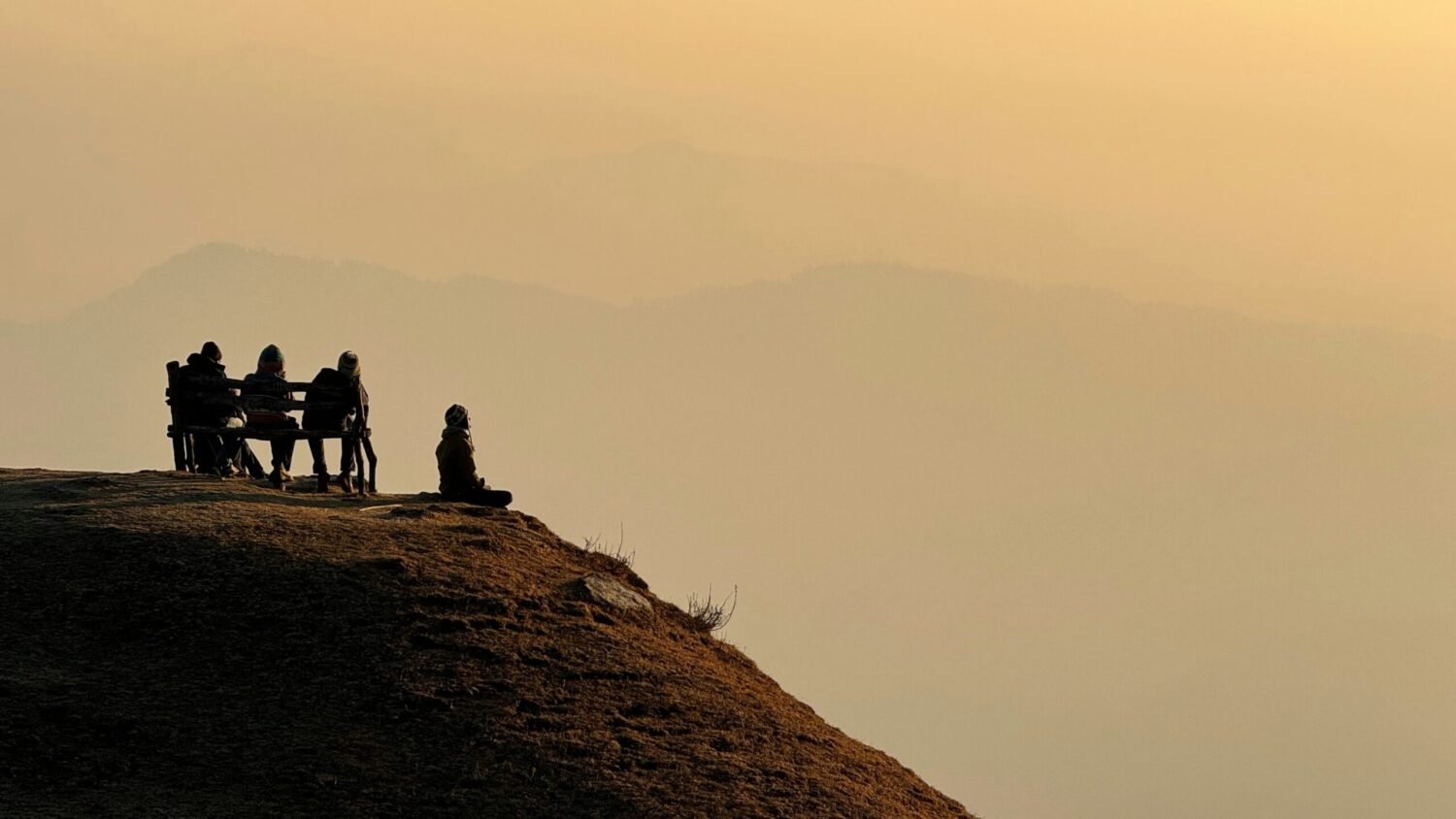
Shoja is a small cluster of wooden houses at 2,692 metres in the Seraj Valley of Kullu district, sitting just before the 3,120-metre Jalori Pass. It is the kind of place where the most common sound at 7 AM is the wood-burning stove in the guesthouse kitchen, and the most dramatic event of the afternoon is the cloud bank rolling in from the Beas River valley below. The trek from Shoja to Raghupur Fort — a 3 km uphill trail through dense oak forest — ends at a meadow with panoramic views of the Kullu Valley, Banjar Valley, and on clear days, the snow peaks above Manali. It costs nothing and takes two hours. No entry fee, no guide needed, no sign-in register.
| Detail | Information |
|---|---|
| How to reach | From Shimla (165 km): NH5 to Rampur → Kullu highway to Aut → Banjar → Shoja. Direct HRTC buses from Shimla to Banjar (₹180–₹220), then local taxi to Shoja (₹400–₹600). From Manali (130 km): via Banjar |
| Daily budget | ₹800–₹1,400 (wooden guesthouse rooms, home-cooked meals, no paid attractions) |
| What to do | Jalori Pass drive or walk (3 km from Shoja), Raghupur Fort trek, Serolsar Lake day hike (8 km from Jalori Pass), waterfall trail below Shoja village, apple picking in October season |
| Best time | April–June (rhododendrons blooming, crisp air). September–October (autumn colors, apple harvest). Jalori Pass closed November–March under snow |
| Why it is genuinely offbeat | No ATM within 45 km, no mobile data (BSNL basic coverage only), accommodation is 3 to 4 family-run guesthouses with a combined capacity of under 40 beds |
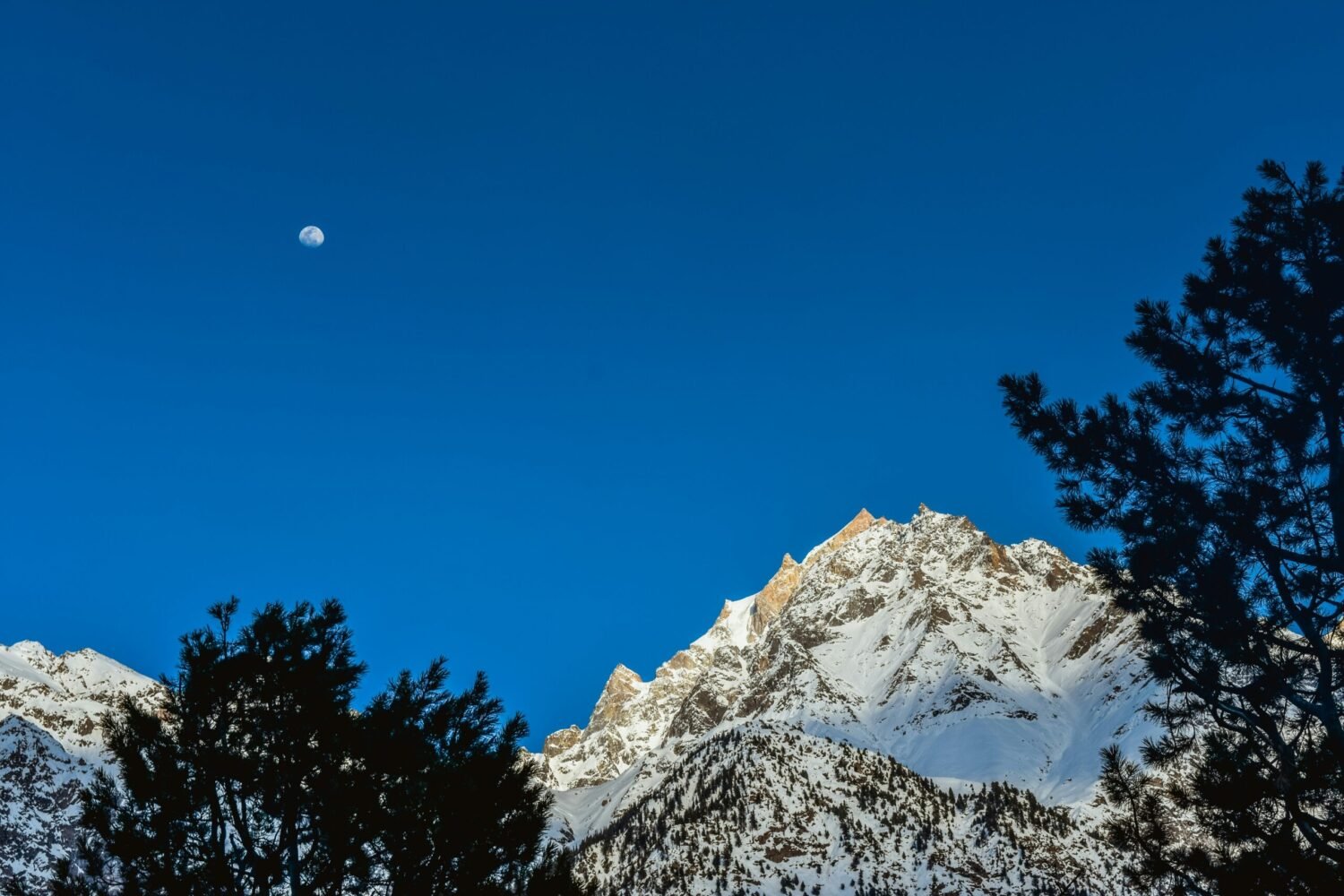
Sangla Valley in Kinnaur district is where Himachal Pradesh begins to feel less like the India you know and more like the Tibetan plateau you have only seen in photographs. At 2,680 metres, the valley floor is covered in apple orchards owned by Kinnauri families whose culture is a distinct blend of Hindu and Buddhist traditions — women wear traditional topis with silver pin ornamentation, wooden carved temples sit alongside prayer flag lines, and the Baspa River runs a startling turquoise-green color that no filter is required to enhance. Chitkul, 28 km up the valley at 3,450 metres, is the last inhabited village before the Indo-Tibetan border and carries a particular atmosphere of being genuinely at the edge of the accessible world.
| Detail | Information |
|---|---|
| How to reach | From Shimla (235 km): NH5 to Rampur → Karcham (at Baspa River confluence) → Sangla. HRTC buses from Shimla to Reckong Peo (daily, ₹280–₹350), then taxi to Sangla (₹800–₹1,200). Inner Line Permit required (obtained at Reckong Peo SDM office) |
| ILP requirement | Inner Line Permit required for Sangla, Chitkul and all of Kinnaur beyond Tapri. Available at SDM Reckong Peo on weekdays — ₹200 approximately. Carry Aadhaar + 2 photocopies |
| Daily budget | ₹1,000–₹1,800 (local homestays, Kinnauri food including siddu and traditional rajma) |
| Best time | May–June (apple blossom, rivers full). September–October (apple harvest — the best time for Kinnaur. Apples bought directly from orchards for ₹40–₹60/kg vs ₹150+ in Delhi) |
| What to do | Walk the Baspa River trail from Sangla to Rakchham, Mathi Temple at Chitkul, apple orchard walks, Charang Chitkul Pass trek (for fit, experienced trekkers only), village homestay cultural experience |
Kalpa at 2,960 metres is the kind of place where you wake up in the morning and cannot quite process what you are looking at. The Kinner Kailash range — the sacred five-peaked massif above the Sutlej Valley — is visible from the village at a proximity that seems architecturally impossible. The largest peak, Kinner Kailash (6,050m), looks close enough that the standard morning activity in Kalpa is simply standing on any rooftop or open ground, watching the light change on the rock face from pre-dawn blue to the first gold of sunrise. It is one of the finest mountain panoramas in India and almost nobody talks about it.
| Detail | Information |
|---|---|
| How to reach | From Reckong Peo (14 km by road): taxi ₹400–₹600. Reckong Peo is connected to Shimla by HRTC bus (₹280–₹350, ~10 hours). From Delhi: overnight bus to Shimla, then Reckong Peo bus next day |
| Daily budget | ₹900–₹1,600 (apple orchard guesthouses, home-cooked Kinnauri meals) |
| What to do | Suicide Point viewpoint (0 cost, 1 km walk from village), Kalpa-Roghi-Peo walk (morning trail with continuous Kinner Kailash views), Hu-Bu-Lan-Kar Temple, old Kalpa village with traditional wooden houses, apple buying in September–October season |
| Best time | March–April (snow still on peaks, apple blossoms just beginning), May–June (fully open, green and clear), September–November (harvest season — buy apples at orchard prices directly from farmers) |
| ILP requirement | Yes — same as Sangla. Obtain at Reckong Peo SDM office |
Nako sits at 3,662 metres in the Hangrang Valley of upper Kinnaur, near the point where the Sutlej River cuts through from the Tibetan plateau into India. The village is built around a sacred lake — Nako Lake — whose surface reflects the surrounding mountains and the ancient monastery walls that have stood at its edge for over a thousand years. The atmosphere in Nako is distinct from anywhere else in Himachal: it is quieter, higher, and feels culturally closer to Tibet than to Shimla. The monastery dates from the 11th century and houses original Spiti-era murals. The village population is under 1,500, and the number of tourists on any given day in non-peak season is often countable on both hands.
| Detail | Information |
|---|---|
| How to reach | From Reckong Peo (120 km): hired taxi or HRTC bus to Kaza (passes through Nako). From Kaza: taxi or shared jeep south toward Reckong Peo — Nako is 3 hours south of Kaza. The Hindustan-Tibet Highway (NH5) passes through |
| Altitude warning | 3,662m — acute mountain sickness possible. Spend at least 1 acclimatization night at Reckong Peo or Pooh before going higher. Carry Diamox if altitude-sensitive |
| Daily budget | ₹800–₹1,400 (basic homestays, local food) |
| What to do | Nako Lake walk (morning and sunset particularly beautiful), Nako Monastery, village walks through traditional stone houses, Shree Khanda peak viewpoint above village, photography of the Sutlej Valley from the rim road above Nako |
| Best time | May–October. Road can be blocked by snow October–April |
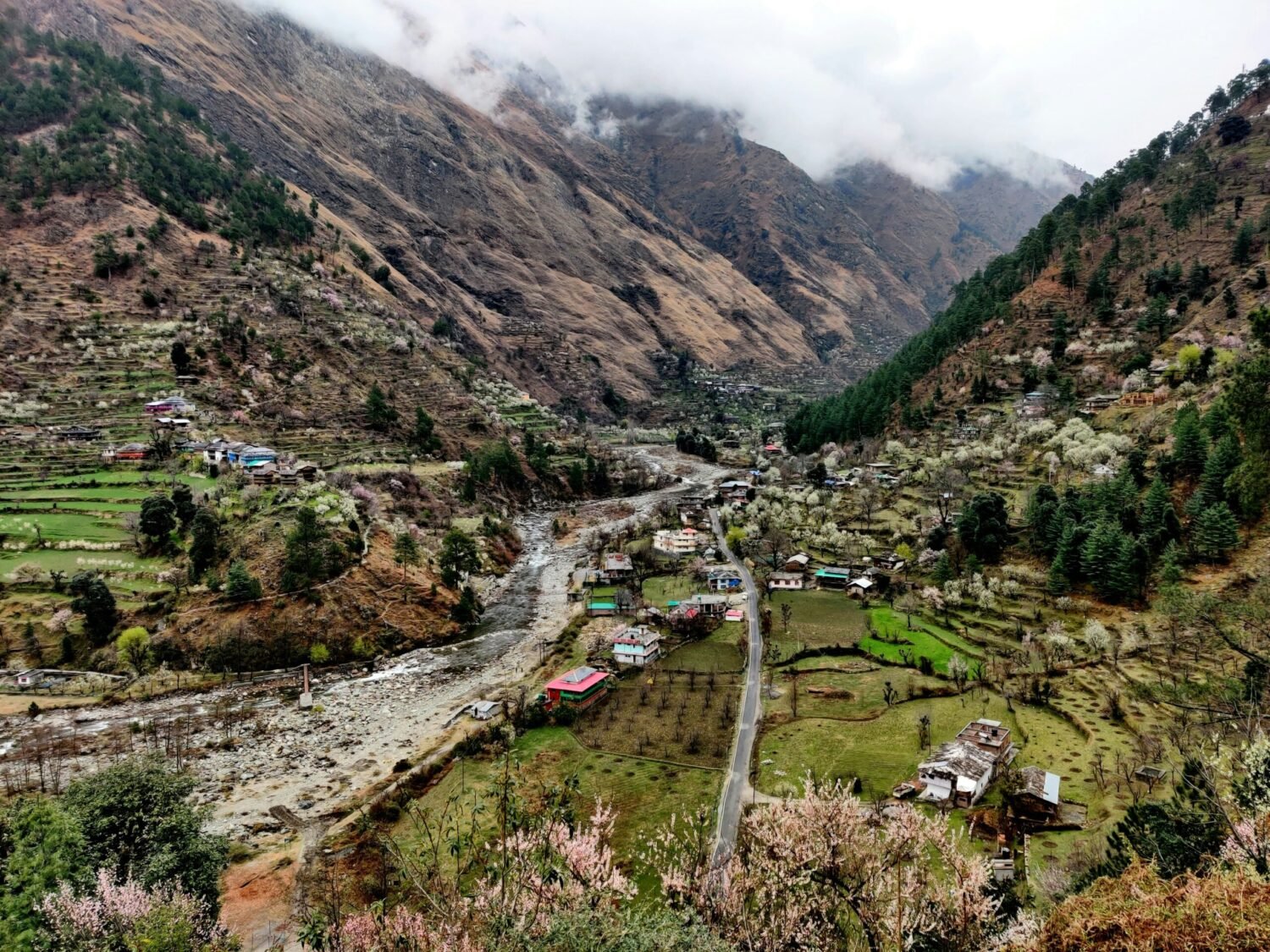
Everyone who researches Tirthan Valley eventually ends up in Jibhi — which now has a Zostel, a cafe that serves avocado toast, and a weekend crowd that would not feel out of place in Coorg. Gushaini, 8 km further up the Tirthan River, has none of these things. It has wooden homestays directly on the river, a trout population that remains genuinely fishable, the gateway to the Great Himalayan National Park (a UNESCO World Heritage Site), and a pace of life that does not accelerate to accommodate the tourism economy because there is not one yet. Gushaini is what Jibhi was five years ago.
| Detail | Information |
|---|---|
| How to reach | From Aut (NH3, Kullu-Manali Highway) — 65 km by road via Banjar. Shared taxis from Aut to Banjar (₹100–₹150), then local taxi to Gushaini (₹400–₹600). From Delhi: overnight bus to Aut or Kullu, then local transport |
| Daily budget | ₹900–₹1,500 (riverside homestays with meals, fishing permits from GHNP office) |
| What to do | GHNP entry permit (₹200 + guide mandatory for deep zones), Tirthan River trout fishing (permit from Sai Ropa GHNP check post), Rolla camping zone hike (8 km into GHNP), bird watching (Himalayan monal, koklass pheasant), riverside walking trails |
| Best time | October–November (post-monsoon — river clear, GHNP trails excellent). March–May (spring, best birdwatching). Manageable year-round except July–August monsoon peak |
| GHNP entry note | No entry into GHNP without a registered guide. Guide hire: ₹500–₹800 per day. Permits from the Sai Ropa entrance check post, not online |
Sarahan sits at 2,165 metres in the Shimla district, on the route to Kinnaur but off the road enough that most people drive past the turning without stopping. It is the old capital of the Bushahr kingdom and home to the Bhimakali Temple — one of Himachal Pradesh’s most architecturally significant religious structures, a multi-storeyed wooden tower temple that combines Himalayan, Buddhist, and Hindu architectural traditions in a building whose oldest portions date to the 8th century. The temple is not a ruin or a reconstruction — it is an active place of worship maintained in excellent condition, surrounded by apple orchards and a small town that has essentially remained unchanged since the pre-highway era.
| Detail | Information |
|---|---|
| How to reach | From Shimla (180 km): NH5 via Rampur. HRTC bus from Shimla to Rampur (₹150–₹200), then local bus or taxi to Sarahan (₹200–₹400). Total journey 5–6 hours |
| Daily budget | ₹700–₹1,300 (HPTDC guesthouse or local homestay, local food including siddu and madra) |
| What to do | Bhimakali Temple visit (free, men must wear cap — available at gate), Sarahan Pheasant Sanctuary (Western Tragopan breeding program — one of world’s rarest pheasants), short trek to the ridge above town for Srikhand Mahadev range views, apple orchard walks September–October |
| Best time | April–June (clear skies, apple blossoms). September–November (harvest season, best views, fewer visitors than peak summer) |
| Why visit | The Western Tragopan pheasant breeding sanctuary here is one of only a handful of such programs in India — rare wildlife experience completely unknown to mainstream tourism |
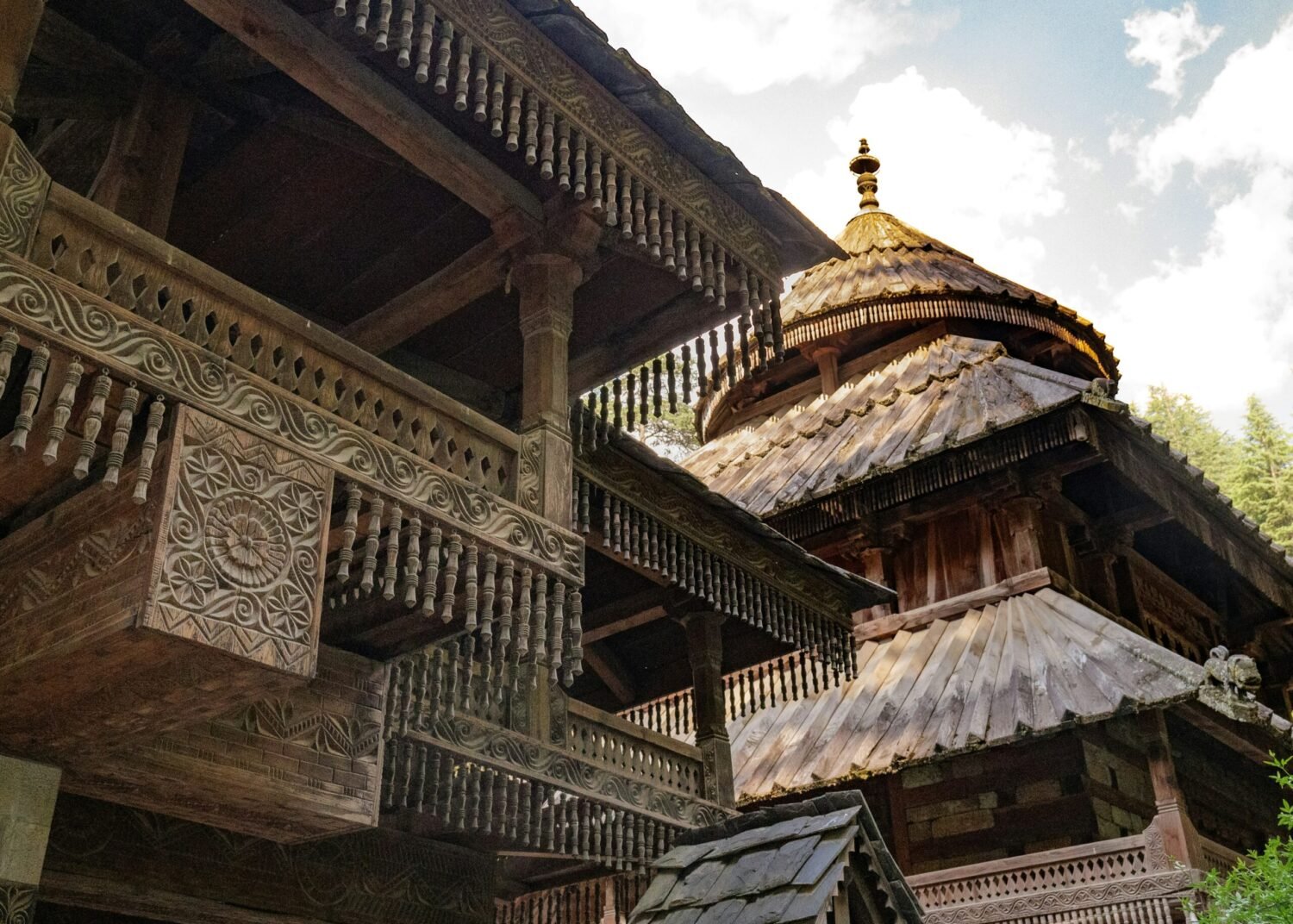
Chamba district is the most culturally underexplored district in all of Himachal Pradesh — a fact that becomes baffling the moment you stand in front of the Chaurasi temple complex at Bharmour. Eighty-four temples built between the 7th and 10th centuries, concentrated in a single courtyard, maintained by the Gaddi tribal community that has inhabited these mountains continuously since before recorded Himachali history. The most important of these, the Manimahesh Kailash peak (5,653 metres), is the sacred mountain that draws hundreds of thousands of Gaddi pilgrims to the annual Manimahesh Yatra in August-September — but outside of this pilgrimage period, Bharmour and the Manimahesh Lake trail are practically empty.
| Detail | Information |
|---|---|
| How to reach | From Pathankot (120 km): bus or taxi to Chamba. From Chamba to Bharmour: HRTC bus (₹80–₹100, 3 hours) or taxi (₹600–₹800). From Delhi: overnight bus to Pathankot or Dalhousie, then onward |
| Daily budget | ₹600–₹1,100 (very basic dharamshalas and guesthouses in Bharmour, simple local food) |
| What to do | Chaurasi temple complex (free, 1–2 hours), Manimahesh Lake trek (13 km one way from Hadsar, 2-day trek), Gaddi village walks around Bharmour, Chamba town’s Lakshmi Narayan temple complex and Rang Mahal museum |
| Best time | May–July (before monsoon, Manimahesh trail open). August–September (Manimahesh Yatra — culturally fascinating but crowded near the lake). October (post-Yatra quiet, autumn colors) |
| Cultural note | The Gaddi community is one of India’s few remaining pastoral nomad groups — their seasonal migration between Kangra Valley (winter) and Bharmaur highlands (summer) still happens on foot. Witnessing their Chhari procession during Manimahesh Yatra is a rare cultural experience |
Rohru sits at 1,525 metres in the Pabbar Valley of Shimla district, surrounded by apple orchards and the kind of unhurried small-town life that Shimla stopped having in the 1980s. It is known primarily to apple traders and to a very small number of travelers who have discovered that the road from Rohru to Chanshal Pass — at 4,520 metres, the highest motorable pass in Shimla district — is one of the most dramatically scenic drives in lower Himachal, with almost no traffic. The Chanshal Plateau itself is a high-altitude grassland that blooms with alpine flowers in July and remains snow-covered from November to May.
| Detail | Information |
|---|---|
| How to reach | From Shimla (125 km): HRTC bus to Rohru (₹120–₹160, 4 hours) or taxi. From Rohru to Chanshal Pass: hired taxi only (₹1,500–₹2,500 for the full day trip). Road open June–October |
| Daily budget | ₹700–₹1,200 (Rohru has basic hotels, Chanshal is a day trip from Rohru) |
| What to do | Chanshal Pass drive and meadow walk, Pabbar River fishing (one of HP’s best fishing rivers — permit from local forest dept), Hatkoti Temple (beautiful 8th-century stone temple), apple buying directly from orchard in season |
| Best time | June–October. July–August for alpine flowers at Chanshal. September–October for apple harvest in Pabbar Valley |
Most Spiti Valley visitors do the Kaza–Kibber–Langza–Hikkim–Komic circuit and call it done. What they miss — because it requires a deliberate 33 km detour from the main Kaza-Tabo highway — is Dhankar. Dhankar Monastery sits on a crumbling cliff face 300 metres above the confluence of the Pin and Spiti Rivers at 3,894 metres, looking for all the world like it was built by someone who considered gravity an optional consideration. The 1,000-year-old monastery is genuinely precarious — conservation efforts are ongoing and access to some sections is restricted — but the location and the views across the Pin-Spiti confluence are among the finest in all of high-altitude India.
| Detail | Information |
|---|---|
| How to reach | From Kaza (33 km): hired taxi or motorcycle, no direct bus. From Tabo (30 km): same. Road is paved to the village, final monastery approach is on foot (500m, steep) |
| What to do at Dhankar | Old Dhankar Monastery (entry by donation), Dhankar Lake trek (3 km above monastery — spectacular high-altitude lake), Pin River Valley views from the cliff path |
| Combine with Pin Valley | Pin Valley National Park starts 16 km from Dhankar at Attargo Bridge. End village is Mud (3,760m) — same trekking and snow leopard tracking zone covered in our Spiti winter guide. In summer, the Pin Valley road is excellent and almost entirely crowd-free |
| Daily budget | ₹800–₹1,500 (basic homestays at Dhankar village and Mud village in Pin Valley) |
| Best time | June–September (road fully open). Avoid October–May (road may close, extreme cold) |
Kheerganga is not unknown — but it is consistently overlooked in favor of the lower Parvati Valley experience around Kasol, which has become almost unbearable with crowds during peak season. The trek to Kheerganga begins at Barshaini (not at Kasol) and climbs 14 km through pine forest, alpine meadows, and alongside the Parvati River to a natural hot spring at 2,950 metres where you can soak in the thermal water looking at the surrounding peaks at any time of day. The camping area around the hot spring is large, the setting is genuinely spectacular, and the walk itself — particularly the section through the forest between Nakthan and Kheerganga — is among the most beautiful moderate treks in Himachal.
| Detail | Information |
|---|---|
| How to reach trailhead | From Bhuntar (Kullu-Manali Highway): local bus or taxi to Barshaini (45 km, ₹100–₹200 by bus or ₹800–₹1,000 by taxi). Do not go via Kasol — it adds time and crowds without benefit |
| Trek details | Barshaini to Kheerganga: 14 km one way, 6–7 hours, moderate difficulty, well-marked trail. Overnight camping at Kheerganga or return same day |
| Daily budget | ₹600–₹1,000 at Kheerganga camp (tents for rent ₹200–₹400, food available at basic dhabas, hot spring free) |
| Best time | May–November. July–August is greenest but some trail sections are slippery in rain. October is ideal — cool, clear, fewer people than June–July |
| Why go without Kasol | Starting from Barshaini instead of Kasol cuts 8 km off the trek distance, avoids the overcrowded Israeli-restaurant strip entirely, and gives you a quieter, faster approach to the actual destination |
Barog at 1,560 metres is one of those places that exists in plain sight and remains invisible anyway. It sits on the Kalka-Shimla narrow-gauge railway line — a UNESCO World Heritage Site — and has its own station, its own 1906-era HPTDC hotel, and its own history involving a colonial-era tunnel engineer whose miscalculation led to a legendary piece of Himalayan railway folklore. The longest tunnel on the Kalka-Shimla line (1,144 metres, Tunnel 33) passes directly through Barog. The town has pine-covered ridges, morning mist, and a quiet that Shimla — 40 km away — lost several decades ago.
| Detail | Information |
|---|---|
| How to reach | By train from Kalka to Barog station (Kalka-Shimla narrow gauge, 3 hours, ₹30–₹300 depending on class). By road from Shimla: 40 km, 1.5 hours by taxi or bus (₹80–₹300) |
| Daily budget | ₹800–₹1,500 (HPTDC hotel is a heritage property at very reasonable prices, local dhabas for food) |
| What to do | Walk along the toy train tracks between Barog and Solan (this walk is perfectly safe, scenic, and free), Choor Chandni peak trek (4 km, great views), forest department rest house walks through dense pine, Barog HPTDC Heritage Hotel history tour |
| Best time | Year-round. Best in October–November (autumn, low crowds) and February–March (occasional light snow, very quiet) |
| The Colonial Story | Colonel Barog (the British engineer the town is named after) was fined Re 1 for a surveying error that caused the tunnel to be bored from both ends but fail to meet in the middle — the mistake required a complete new tunnel to be dug. He reportedly died by suicide on the failed tunnel’s route. The replacement tunnel is now the longest on the line |
Practical Guide — How to Travel to Offbeat Places in Himachal Pradesh
Best Base Cities for Offbeat Himachal Travel
| Base City | Best Offbeat Destinations Accessible | How to Reach from Delhi | Approx. Cost |
|---|---|---|---|
| Mandi | Barot Valley, Prashar Lake, Jogindar Nagar area | Volvo bus from ISBT Kashmiri Gate (12 hrs, overnight) | ₹800–₹1,400 |
| Shimla | Sarahan, Rohru-Chanshal, Narkanda, Barog, Sangla access | Train to Kalka, toy train to Shimla OR direct Volvo bus | ₹600–₹1,400 |
| Reckong Peo | Kalpa, Sangla Valley, Chitkul, Nako, Spiti access | Overnight bus to Shimla + next day HRTC bus to Peo (total 2 days) | ₹700–₹1,200 |
| Kaza (Spiti) | Dhankar, Pin Valley, Langza, Hikkim, Kibber | Bus from Shimla via Kinnaur (16–18 hrs, only summer) | ₹800–₹1,200 |
| Aut (NH3 Junction) | Gushaini, Shoja, Jibhi, Banjar Valley | Overnight bus Delhi to Kullu or Manali, deboard at Aut | ₹700–₹1,200 |
| Pathankot | Chamba, Bharmour, Dalhousie | Train from Delhi to Pathankot (Pathankot Express, 8–9 hrs, ₹300–₹800) | ₹500–₹900 |
Essential Tips for Offbeat Himachal Travel
| Tip | Why It Matters |
|---|---|
| Carry cash always | ATMs do not exist in most offbeat Himachal destinations. Nearest ATM from Shoja is 45 km. Nearest from Gushaini is Banjar (20 km). Nearest from Chitkul is Reckong Peo (80 km). Carry ₹5,000–₹8,000 minimum in small notes before leaving the last major town |
| BSNL or Airtel postpaid SIM | Jio has patchy or no coverage in Kinnaur, Chamba, and all of upper Himachal. BSNL postpaid is the most reliable across remote HP. Switch before departing Delhi for destinations above 2,500m or in border districts |
| Book homestays by phone call | Most offbeat Himachal homestays are not on Booking.com or Airbnb. Local tourism department websites for Spiti, Kinnaur, and Tirthan list registered homestay numbers. Call the day before arrival. Arrive without booking only in low season |
| Check road status before travel in monsoon | NH5 (Kinnaur route) regularly sees landslides between July and September. Check HP PWD website or call the local police helpline before traveling. A blocked road in upper Kinnaur can mean a 2-day wait |
| ILP for restricted areas | Inner Line Permit required for Sangla, Chitkul, Nako, Spiti, and areas near Indo-China LAC. Obtain at the nearest SDM office (Reckong Peo for Kinnaur, Kaza for Spiti). Free or minimal cost. Carry Aadhaar and 3 photocopies |
| Altitude sickness preparation | Destinations above 3,000m require acclimatization. Never drive or ride directly from Delhi to Kaza or Chitkul in one go. Spend one night at Shimla or Reckong Peo before going higher. Carry Diamox if altitude-sensitive. Descend immediately if symptoms worsen |
Season Guide — Best Time for Offbeat Himachal Pradesh by Region
| Region | Best Months | Avoid | Special Highlight |
|---|---|---|---|
| Lower Himachal (Barot, Barog, Rohru) | April–June, Sept–Nov | July–Aug (heavy rain) | Apple harvest in Rohru, Sept–Oct |
| Seraj Valley (Shoja, Jibhi area) | April–June, Sept–Oct | Nov–Mar (Jalori Pass closed) | Rhododendron bloom, April |
| Kinnaur (Sangla, Kalpa, Nako) | May–June, Sept–Oct | Dec–March (very cold, roads patchy) | Apple harvest and orchards, Sept–Oct |
| Spiti (Dhankar, Pin Valley) | June–September | Oct–May (extreme cold, road closures) | Snow leopard season, Dec–Feb (via Shimla route) |
| Chamba/Bharmour | May–July, Sept–Oct | Aug (heavy monsoon in Ravi catchment) | Manimahesh Yatra, Aug–Sept |
| Parvati Valley (Kheerganga) | May–Nov | Dec–April (trail can be snowed in) | Hot spring experience, Oct (cool air + warm water) |
Final Verdict
The offbeat places in Himachal Pradesh listed in this guide are not the ones that trend on Instagram every spring. They are the ones that Himachal’s own people point to when you ask them — away from the tourist circuit, away from the branded resorts and the overpriced cafes — where the actual mountains are. Where the actual culture is. Where the actual Himachal is.
Barot’s river silence, Shoja’s morning mist, Kalpa’s impossible mountain view, Nako’s high-altitude monastery lake, Bharmour’s millennium-old temple courtyard, the walk to Kheerganga without the Kasol crowd — these are experiences that cost very little money and deliver something that the mainstream Himachal circuit, for all its infrastructure and accessibility, increasingly cannot: the feeling that you found something, rather than just followed someone else there.
Pick one destination from this list, call the homestay number you find on the district tourism site, pack for three days, and go. The reward is exactly proportional to the effort — which in this case is not much effort at all. Just the willingness to take a road that is slightly less obvious.
Frequently Asked Questions
Which are the most offbeat places in Himachal Pradesh in 2026?
The genuinely offbeat places in Himachal Pradesh in 2026 — meaning destinations with minimal tourist infrastructure and authentic local character — include Barot Valley (Mandi), Shoja (Seraj Valley), Gushaini (Tirthan), Kalpa and Nako (Kinnaur), Bharmour and Chamba, Dhankar in Spiti, Rohru and Chanshal Pass (Shimla district), and Barog on the Kalka-Shimla railway. These are distinct from destinations like Tirthan Valley, Jibhi, and Bir Billing which are now fairly well-developed tourist areas despite frequently appearing on “offbeat” lists.
Do I need a permit for offbeat places in Himachal Pradesh?
An Inner Line Permit (ILP) is required for restricted area destinations in Himachal Pradesh. This applies to Kinnaur district destinations including Sangla Valley, Chitkul, Kalpa, and Nako, as well as all of Spiti Valley including Dhankar and Pin Valley. The ILP is obtained at the SDM office in Reckong Peo for Kinnaur and in Kaza for Spiti. It costs approximately ₹200 and requires your Aadhaar card and photocopies. The permit can also be obtained at the District Collector’s office in Shimla before your trip. Most other destinations in this guide do not require a permit.
What is the best season to visit offbeat places in Himachal Pradesh?
September to October is the best overall season for visiting offbeat places in Himachal Pradesh. The monsoon has cleared, roads are in their best post-rain condition, the landscape is green, skies are clear, and Kinnaur’s apple orchards are in full harvest — a particularly special experience in Sangla, Kalpa, and Rohru. April to June is excellent for destinations in Seraj Valley (Shoja, Jibhi area) and lower Himachal. High-altitude destinations like Spiti, Nako, and Chanshal Pass are best visited June to September when roads are reliably open.
How much does a budget trip to offbeat Himachal Pradesh cost per day?
A budget solo trip to genuinely offbeat places in Himachal Pradesh costs approximately ₹800 to ₹1,500 per day covering homestay accommodation (₹400–₹700), three home-cooked meals (₹200–₹400), and local transport and activity costs. Most offbeat destinations do not have paid attractions — the experiences are free treks, river walks, temple visits, and village exploration. The main cost is transport from the nearest base city or railway head, which ranges from ₹400 to ₹1,500 depending on how remote the destination is.
Is Kasol an offbeat place in Himachal Pradesh?
No — Kasol is not offbeat in any meaningful sense in 2026. It receives hundreds of thousands of tourists annually, has dozens of restaurants and cafes, multiple ATMs, established guesthouses with online booking, and regular bus connections from Delhi. Similarly, Chitkul, Tirthan Valley, Jibhi, Bir Billing, and Malana — all frequently described as “offbeat” in travel content — are now well-established tourist destinations with developed infrastructure. Genuinely offbeat destinations are those where accommodation must be arranged by phone, ATMs are absent, and the ratio of travelers to local residents on any given day heavily favors the locals.
Can I visit offbeat Himachal Pradesh solo?
Yes — solo travel to offbeat Himachal Pradesh destinations is entirely manageable and in many cases more rewarding than group travel, since you move at your own pace and integrate more easily into local communities. Essential preparation includes carrying sufficient cash (₹5,000–₹8,000), having a BSNL or Airtel postpaid SIM for connectivity, downloading offline Google Maps for your region before departure, booking at least your first night’s accommodation by phone, informing someone of your itinerary, and carrying basic altitude sickness medication if going above 3,000 metres. For destinations in Spiti and upper Kinnaur, solo travel is recommended only for experienced hill travelers — first-timers to high altitude should travel with at least one companion.