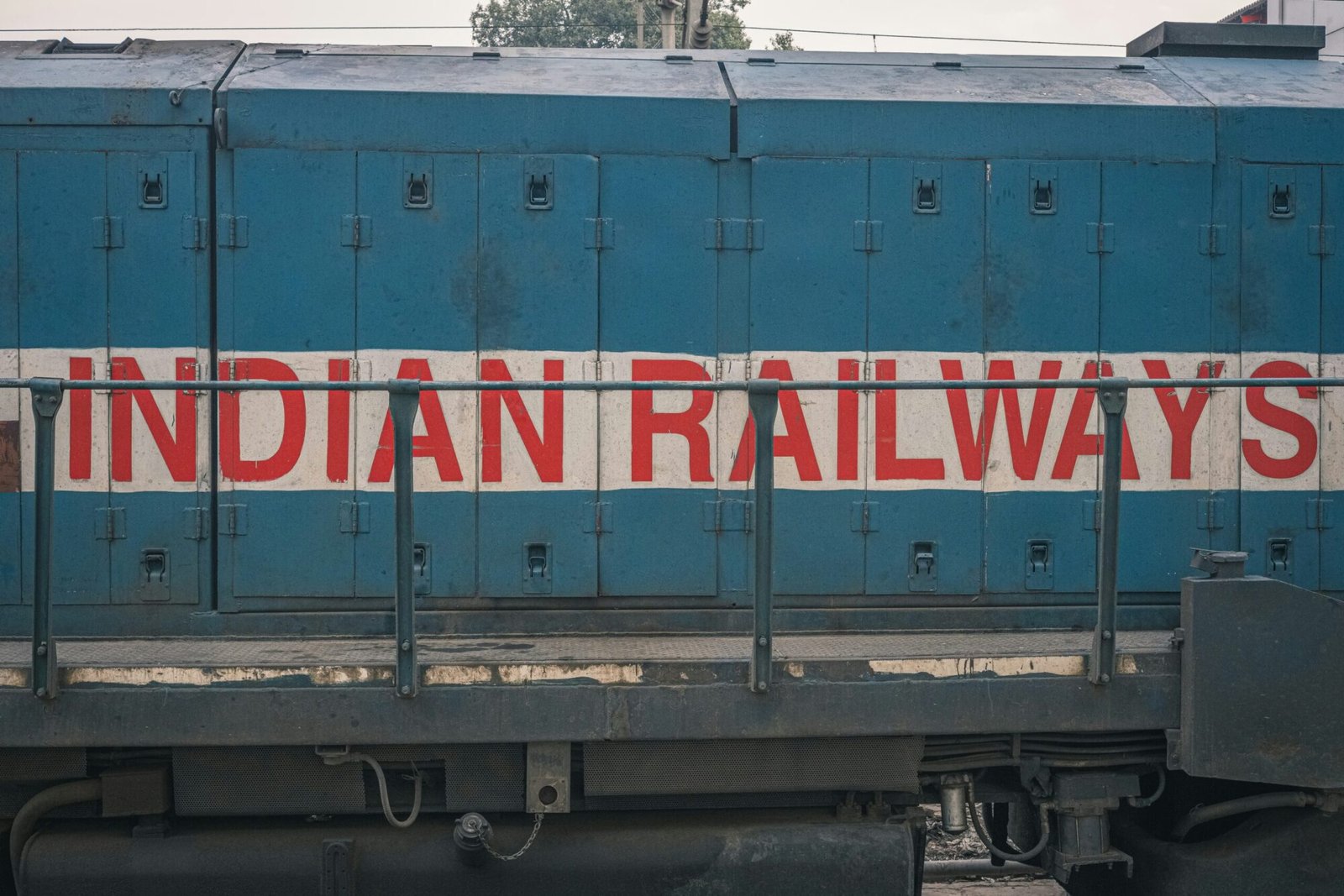
The train from Delhi to Varanasi is one of the most travelled rail routes in northern India — connecting the nation’s capital to one of the world’s oldest continuously inhabited cities across approximately 780 km of UP’s heartland. This guide covers every practical detail you need: the complete list of the best trains on this route with exact departure times and fares in 2026, which train class to choose depending on your budget and comfort preference, which Delhi station to board from, how to book and what to do when waitlisted, and — crucially — what to do in Varanasi after you arrive, with a complete ghat and temple guide including exact Ganga Aarti timings and Kashi Vishwanath darshan fees that most posts never include.
Varanasi is not simply a destination. It is the spiritual capital of India — a city that has drawn pilgrims, philosophers, poets, and travelers for over three thousand years. The ghats at dawn, when the mist hangs low over the Ganga and the sound of bells and conch shells carries across the water, constitute one of the most powerful sensory experiences available on the Indian subcontinent. This guide makes sure you arrive prepared, rested, and ready for all of it.
Delhi to Varanasi Distance and Route — What You Need to Know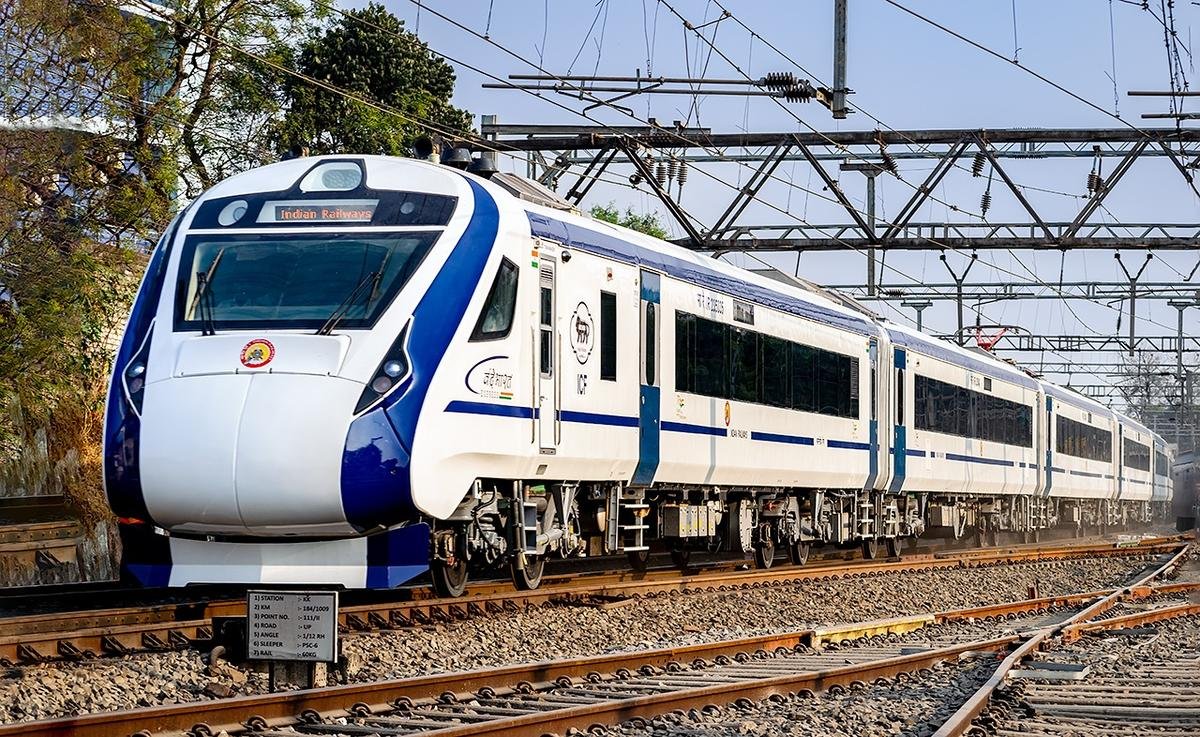
The train from Delhi to Varanasi. The rail distance between Delhi (New Delhi station, NDLS) and Varanasi Junction (BSB) is approximately 775 to 780 km depending on the specific route each train takes. Most trains travel via Allahabad/Prayagraj (Mughal Sarai, now Pandit Deen Dayal Upadhyaya Junction or DDU) — the classic North Central Railway corridor that runs parallel to the Ganga through Uttar Pradesh. A smaller number of trains take the longer route via Lucknow and Faizabad, adding distance but passing through different towns.
There are multiple Delhi stations that serve as departure points for Varanasi trains. Knowing which station your specific train departs from is critical — these stations are spread across the city and require very different approaches from different parts of Delhi.
| Delhi Station | Code | Location | Metro Access | Trains to Varanasi |
|---|---|---|---|---|
| New Delhi | NDLS | Connaught Place area, Central Delhi | New Delhi Metro Station (Yellow + Orange Line) | Most major trains including both Vande Bharat services, Shiv Ganga, Rajdhani, Shramjeevi |
| Old Delhi (Delhi Junction) | DLI | Chandni Chowk, Old Delhi | Chandni Chowk Station (Yellow Line) | Poorva Express, Farakka Express, some weekly services |
| Anand Vihar Terminal | ANVT | East Delhi, near UP border | Anand Vihar ISBT Station (Pink Line) | Several weekly trains including Mahamana Express (22418) |
| Hazrat Nizamuddin | NZM | South Delhi | Hazrat Nizamuddin Station (Pink Line) | Dibrugarh Rajdhani passes through |
Best Trains from Delhi to Varanasi — Complete 2026 Guide
The Vande Bharat Express is the fastest and most comfortable way to travel from Delhi to Varanasi in 2026. Train 22436 departs New Delhi (NDLS) at 06:00 and arrives at Varanasi Junction (BSB) at 14:00 — a journey of exactly 8 hours, covering 745 km. It runs 6 days a week (Monday, Tuesday, Wednesday, Friday, Saturday, Sunday — no Thursday). A second Vande Bharat service (22416) departs at 15:00 and arrives at 23:05, also taking 8 hours on the same days except Monday and Wednesday.
| Train | No. | Departs NDLS | Arrives BSB | Duration | Days | Classes |
|---|---|---|---|---|---|---|
| Vande Bharat Express (Morning) | 22436 | 06:00 | 14:00 | 8 hrs | Mon, Tue, Wed, Fri, Sat, Sun | EC (Executive Chair Car), CC (Chair Car) |
| Vande Bharat Express (Evening) | 22416 | 15:00 | 23:05 | 8 hrs 5 min | Sun, Mon, Wed, Thu, Fri, Sat | EC, CC |
| Class | Vande Bharat Fare (Approx.) | What You Get |
|---|---|---|
| Executive Chair Car (EC) | ₹2,400–₹3,200 | Wide reclining seats in 2-2 layout, meals included, power sockets at every seat, fully air-conditioned, quieter cabin |
| Chair Car (CC) | ₹1,500–₹1,900 | Comfortable reclining seats in 2-3 layout, meals included, power sockets, air-conditioned |
Overnight trains are the preferred option for travelers who want to maximize time in Varanasi without spending money on a hotel night. Board in Delhi in the evening, sleep through the journey, and arrive in Varanasi in the early morning — just in time for the sunrise boat ride on the Ganga, one of the defining experiences of visiting the city.
| Train | No. | Departs | From | Arrives BSB | Duration | Days | Best For |
|---|---|---|---|---|---|---|---|
| Shiv Ganga Express | 12560 | 18:35 | NDLS | 06:05 | 11 hr 30 min | Daily | Best overall overnight — arrives perfectly timed for sunrise boat ride |
| Swatantra Sainani SF Express | 12562 | 18:40 | NDLS | 05:45 | 11 hr 5 min | Daily | Excellent daily superfast, similar timing to Shiv Ganga |
| Shramjeevi SF Express | 12392 | 13:10 | NDLS | 02:10 | 13 hrs | Daily | Afternoon departure — arrives at 2 AM (not ideal for solo travelers without pre-booked hotel) |
| Poorva Express | 12382 | 17:40 | NDLS | 04:35 | 10 hr 55 min | Mon, Tue, Fri | One of the faster overnight options — arrives before dawn, excellent for the morning aarti |
| Kashi Vishwanath Express | 15128 | 11:35 | NDLS | 04:40 | ~17 hrs | Daily | Slower but runs daily — named after the temple itself. Budget option via Mail/Express route |
| Mahamana SF Express | 22418 | Evening | ANVT | Morning | ~11 hrs | Selected days | Premium superfast from Anand Vihar — good choice for East Delhi travelers |
| Lichchivi Express | 14006 | 18:00 | NDLS | 06:00 | 12 hrs | Daily | Cheapest daily option — SL class from ₹425. Takes 12 hours but timing is convenient |
| Dibrugarh Rajdhani | 20504 | 11:25 | NDLS | 22:50 | 11 hr 25 min | Mon, Tue, Wed, Fri, Sat | Premium Rajdhani with meals — expensive but reliable and fast for a day train |
Train Class Guide — Which Class Should You Book?
Indian Railways offers multiple travel classes on the Delhi to Varanasi route and choosing the right one makes a significant difference to both your comfort and your total trip cost. Here is an honest, practical guide to each class available on overnight and daytime trains on this route.
| Class | Code | Approx. Fare (Delhi–Varanasi) | What You Get | Best For |
|---|---|---|---|---|
| 1st AC | 1A | ₹3,200–₹4,500 | Private 2-berth or 4-berth lockable cabin, linen included, finest privacy on Indian trains | Families, senior travelers, couples wanting maximum privacy |
| 2nd AC | 2A | ₹1,800–₹2,500 | 4-berth bay (2 side berths), AC, linen included, curtain for some privacy | Solo travelers and couples wanting comfort with security — recommended for women traveling solo |
| 3rd AC | 3A | ₹900–₹1,400 | 6-berth bay, AC, linen included, best value for comfort on overnight journey | Budget-conscious travelers who still want AC — most popular class on this route |
| AC Chair Car | CC | ₹600–₹900 | Reclining seats, AC, no berths — for day trains only (Vande Bharat and Jan Shatabdi) | Day travelers on fast trains — not available on overnight trains |
| Executive Chair Car | EC | ₹2,000–₹3,200 | Wide reclining seats, meals included — Vande Bharat only | Premium day travel comfort |
| Sleeper Class | SL | ₹400–₹600 | Non-AC open berths, fans, no linen — basic but functional | Ultra-budget travelers comfortable with non-AC. Not recommended June–September (extreme heat) |
Fare Comparison — Delhi to Varanasi by Train 2026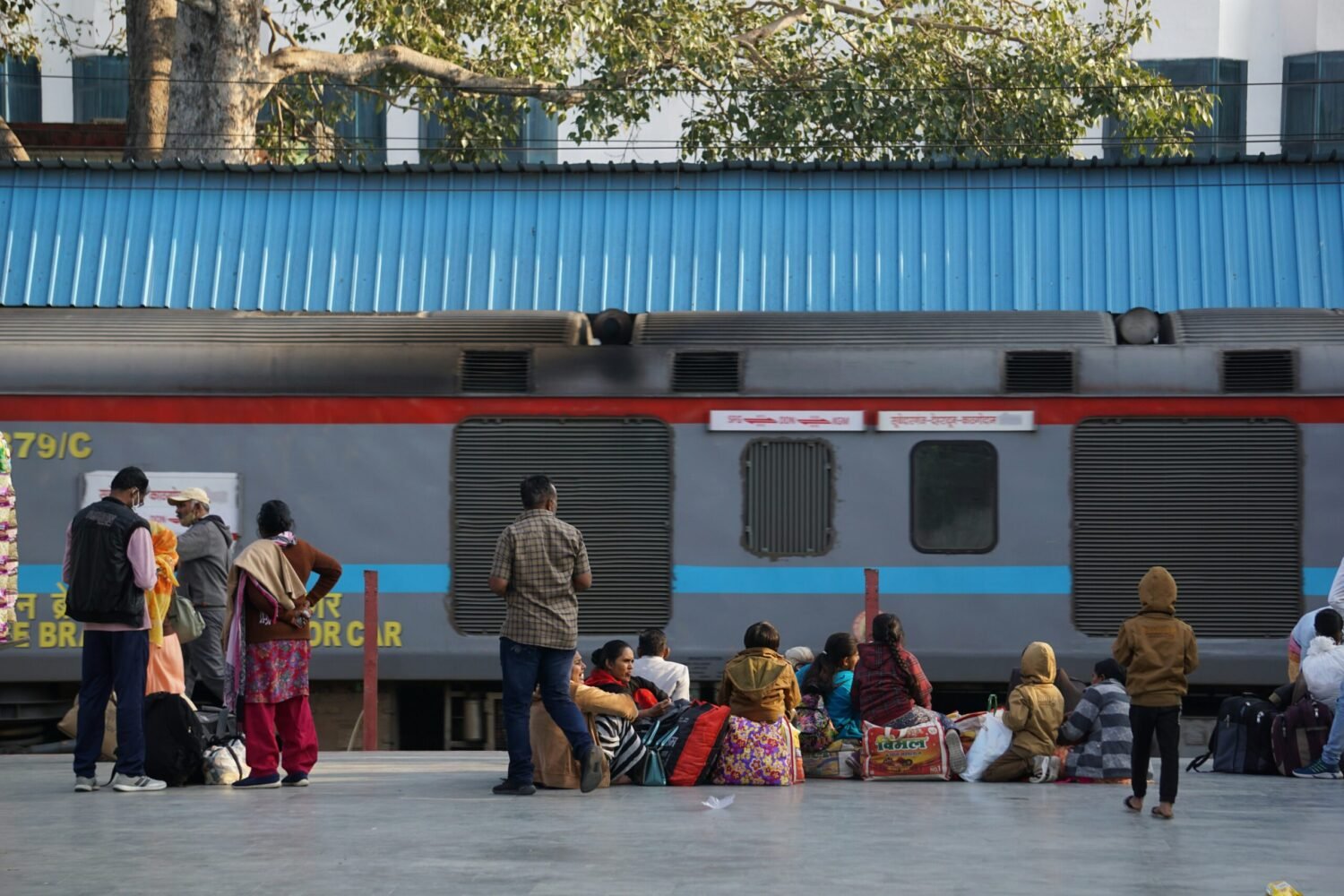
| Train | SL | 3A | 2A | 1A | CC/EC |
|---|---|---|---|---|---|
| Vande Bharat 22436/22416 | — | — | — | — | CC: ₹1,500–₹1,900 / EC: ₹2,400–₹3,200 |
| Shiv Ganga 12560 | ₹445 | ₹1,155 | ₹1,700 | ₹2,910 | — |
| Swatantra Sainani 12562 | ₹450 | ₹1,160 | ₹1,710 | ₹2,925 | — |
| Poorva Express 12382 | ₹440 | ₹1,145 | ₹1,695 | ₹2,900 | — |
| Lichchivi Express 14006 | ₹425 | ₹1,125 | ₹1,680 | — | — |
| Dibrugarh Rajdhani 20504 | — | ₹1,640 | ₹2,320 | ₹3,900 | — |
| Kashi Vishwanath Exp 15128 | ₹390 | ₹1,050 | — | — | — |
Note: Fares are approximate base fares for general quota. Tatkal fares are 30–40% higher. Senior citizen, student, and other concessions reduce the base fare by 25–50%. Fares vary slightly by exact booking date and dynamic pricing on some trains.
How to Book Delhi to Varanasi Train Tickets
Method 1 — IRCTC (Official, Best for Advance Booking)
The Indian Railway Catering and Tourism Corporation (IRCTC) at irctc.co.in is the only official source for train ticket booking in India. You must create an account (takes 10 minutes, requires Aadhaar or mobile OTP verification) before booking. Once registered, booking takes under 5 minutes per ticket. Pay using UPI, net banking, debit or credit card — no payment gateway charges when using UPI.
- Regular quota opens 60 days before travel date at 8 AM IST — set an alarm for popular trains
- Tatkal quota opens 1 day before travel (at 10 AM for AC classes, 11 AM for Sleeper)
- Tourist quota available for foreigners and NRI travelers at select stations
- Download the IRCTC Rail Connect app for mobile booking — same functionality as website
Method 2 — ixigo Trains App (Best Interface for First-Timers)
The ixigo Trains app connects directly to IRCTC but has a significantly cleaner, more beginner-friendly interface. It shows seat availability across 60 days in a visual grid, gives PNR confirmation probability scores for waitlisted tickets, shows real-time train running status and live platform numbers, and sends SMS alerts when your waitlisted ticket gets confirmed. No payment gateway charges when paying via UPI through ixigo. Highly recommended for first-time train bookers on this route.
Understanding Waitlisted Tickets
| Ticket Status | Meaning | What to Do |
|---|---|---|
| CNF | Confirmed — you have a seat/berth | Board the train — look for your name on the coach chart pasted on the platform |
| RAC | Reservation Against Cancellation — half a berth, shared with another RAC passenger (side berth split into 2 seats) | You CAN board the train. You share a lower side berth as a seat. Likely to get a full berth after departure as cancellations happen |
| WL1–WL10 | Waitlisted — likely to confirm before chart preparation | Monitor daily. Low-number WL on popular trains often confirms |
| WL20+ | Unlikely to confirm unless on a very busy route | Book an alternative train or use Tatkal on a different date |
Varanasi Railway Stations — Where You Arrive and What to Do Next
Varanasi has two main railway stations that serve different parts of the city. Most long-distance trains from Delhi arrive at Varanasi Junction (Varanasi Cantt, code BSB) which is approximately 6 km from the Vishwanath Gali and Dashashwamedh Ghat area. A smaller number of trains terminate at Pandit Deen Dayal Upadhyaya Junction (DDU, formerly Mughal Sarai) which is 18 km from central Varanasi — requiring a separate taxi or auto ride into the city.
| Station | Code | Distance from Dashashwamedh Ghat | Best Transport to Ghats | Approximate Fare |
|---|---|---|---|---|
| Varanasi Junction (Varanasi Cantt) | BSB | ~6 km | Ola/Uber auto or cab, prepaid taxi | ₹80–₹180 by auto, ₹150–₹250 by cab |
| Manduadih (Banaras) | MUV | ~4 km | Auto-rickshaw | ₹60–₹120 |
| Pandit DDU Junction (Mughal Sarai) | DDU | ~18 km | Cab or shared jeep to city | ₹300–₹500 by cab |
What to Do in Varanasi — Complete Sightseeing Guide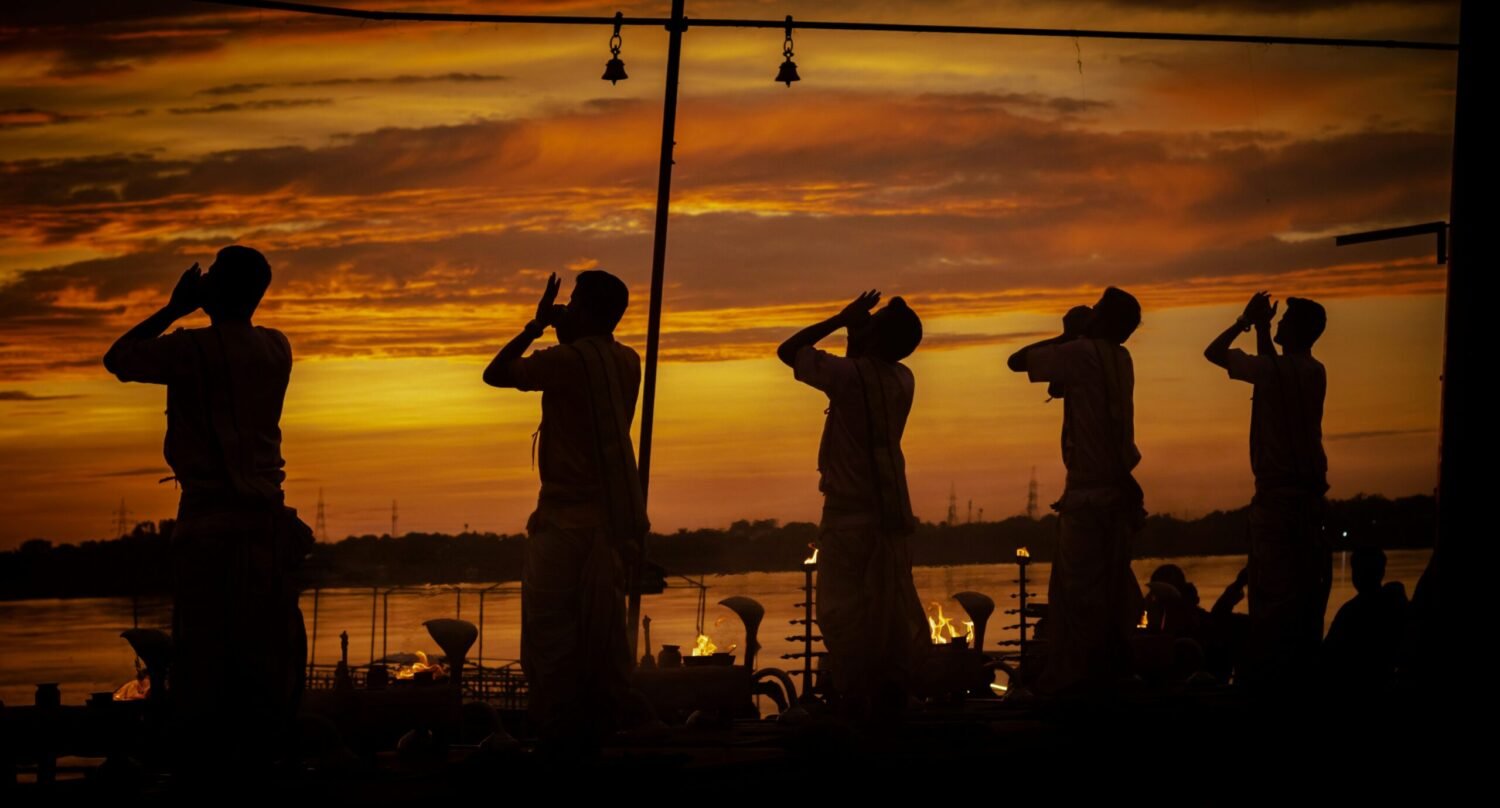
Varanasi has 84 ghats stretching along a roughly 7 km crescent of the Ganga’s western bank. Each ghat has a distinct character, a distinct deity associated with it, and a distinct role in the city’s ritual and social life. Walking the ghats — ideally from south (Assi Ghat) to north (Raj Ghat) — is the essential Varanasi activity, best done at dawn before the city’s full heat and traffic builds.
| Ghat | What Makes It Special | Best Time to Visit | Distance from BSB Station |
|---|---|---|---|
| Dashashwamedh Ghat | The main ghat — site of the evening Ganga Aarti performed by 7 priests simultaneously with massive brass lamps. Most photographed ghat in India | Dusk (6:30–7:30 PM for aarti) | ~6 km |
| Assi Ghat | Southernmost main ghat — quieter, local feel, morning yoga and bhajan sessions, good sunrise boat ride starting point | Dawn (5:30–7:00 AM) | ~7 km |
| Manikarnika Ghat | The sacred burning ghat — cremation fires burn 24 hours a day, 365 days a year. One of the most profound and arresting sights in India. Photography strictly prohibited out of respect for grieving families | Any time of day — evening is most atmospheric | ~5.5 km |
| Scindia Ghat | Famous for a partially submerged Shiva temple that sank into the river — extraordinary photographic subject at dawn | Dawn or golden hour | ~5.5 km |
| Panchganga Ghat | Ancient ghat marking the mythical confluence of five rivers — Bindu Madhava temple above it is worth visiting | Morning | ~5 km |
| Harishchandra Ghat | Second cremation ghat after Manikarnika — older and more historic, quieter than Manikarnika | Evening | ~6 km |
Sunrise Boat Ride on the Ganga — Why This is Non-Negotiable
If you do only one thing in Varanasi — and you should obviously do many more — make it the sunrise boat ride. Renting a wooden rowing boat from Dashashwamedh or Assi Ghat at 5:00 AM to 5:30 AM and rowing along the ghats as the city wakes up is one of the finest one-hour experiences India offers. The light as it catches the riverside temples, the smoke from the burning ghats visible in the distance, the sound of bells and morning prayers drifting across the water, the bathers descending to the steps — all of this is experienced from a position of absolute peace on the river.
| Boat Ride Option | Duration | Approximate Cost | Notes |
|---|---|---|---|
| Sunrise boat ride (private) | 1–1.5 hours | ₹300–₹600 per boat (up to 4 people) | Negotiate before boarding. Early morning — most atmospheric. Choose a rowing boat, not motorized, for silence |
| Sunset boat ride | 45 min–1 hr | ₹200–₹400 per boat | Good for watching the Dashashwamedh Ghat aarti preparations from the river |
| Evening aarti boat ride | 1–1.5 hours | ₹400–₹800 per boat | Watch the Ganga Aarti from the river — excellent perspective though more crowded |
The Kashi Vishwanath Temple — the Golden Temple dedicated to Lord Shiva at the heart of the Varanasi old city — is one of the twelve Jyotirlingas and the most sacred Shiva temple in Hinduism. The temple opens at 3:00 AM and closes at 11:00 PM. The Kashi Vishwanath Corridor, inaugurated in 2021, has transformed the approach to the temple — a wide, beautifully designed walkway now connects the Ganga ghats directly to the temple’s main entrance, eliminating the confusion of the old maze of narrow lanes.
| Aarti / Darshan | Time | Fee | Notes |
|---|---|---|---|
| Mangala Aarti (first aarti of the day) | 3:00 AM – 4:00 AM | ₹500 per person | Most spiritually significant aarti — arrive 30 minutes early. Extremely powerful atmosphere. Book ticket online at the official temple website or at counter |
| General Free Darshan | 6:00 AM – 6:00 PM | Free | Join the general queue — can be 1 to 3 hours during peak season and weekends. Arrive early for shorter wait |
| Sugam Darshan (Priority Entry) | 6:00 AM – 6:00 PM | ₹250 per person | Shorter dedicated queue — worth it during festival season or if time-pressed |
| Bhog Aarti (midday) | 11:15 AM – 12:20 PM | ₹300 per person | Food offering to Lord Vishwanath — intimate ritual |
| Saptarishi Aarti (evening) | 7:00 PM – 8:15 PM | ₹300 per person | One of the most atmospheric aartis of the day — seven-sage ritual |
| Night Shringar/Bhog Aarti | 9:00 PM – 10:15 PM | ₹300 per person | Final major aarti before the temple prepares for Shayan |
| Shayan Aarti (temple closing) | 10:30 PM – 11:00 PM | Free | Lullaby aarti putting the deity to sleep — peaceful and final |
The Dashashwamedh Ghat evening Ganga Aarti is, alongside the sunrise boat ride, the most essential Varanasi experience. Seven priests in identical white and saffron robes perform synchronized rituals using massive brass lamps, incense, conch shells, and flowers — a ceremony that begins with the lighting of the first lamp and builds in sound and spectacle over 45 minutes until the entire ghat is blazing with light and the air is thick with incense. It happens every single evening, 365 days a year, without exception.
| Season | Evening Aarti Start Time | Morning Aarti Time | Arrive By |
|---|---|---|---|
| Winter (Oct–Feb) | 6:30 PM – 7:00 PM | 5:30 AM | At least 45 min before for good spot |
| Spring/Autumn (Mar–Apr, Sep) | 7:00 PM – 7:30 PM | 5:15 AM | 45 min before for steps, 30 min for boat |
| Summer (May–Jun) | 7:30 PM – 8:00 PM | 5:00 AM | 30–45 min before |
| Monsoon (Jul–Aug) | 6:45 PM – 7:15 PM | 5:15 AM | Rain gear essential — aarti happens rain or shine |
Other Must-See Attractions in Varanasi
| Attraction | Entry Fee | Time Required | Distance from BSB Station | Notes |
|---|---|---|---|---|
| Sarnath Buddhist site | ₹40 Indians, ₹600 foreigners | 2–3 hours | ~12 km from BSB | Where Buddha gave his first sermon after enlightenment. Dhamek Stupa, Ashoka Pillar, excellent archaeological museum (₹5 entry). Essential for history travelers |
| Kaal Bhairav Temple | Free | 30–45 min | ~5 km from BSB | Varanasi’s guardian deity — traditionally visited before Kashi Vishwanath. Unusual for a Shiva temple: offerings of alcohol are made here |
| Sankat Mochan Hanuman Temple | Free | 30 min | ~7 km from BSB | Deeply revered temple near Assi Ghat — peaceful setting, significant for devotees |
| Tulsi Manas Temple | Free | 30 min | ~7 km from BSB | Built where Tulsidas wrote the Ramcharitmanas. White marble temple with scenes from the Ramayana carved in walls — beautiful craftsmanship |
| Banaras Hindu University (BHU) + Vishwanath Temple | Free campus entry | 1.5–2 hours | ~8 km from BSB | India’s largest residential university — beautiful campus. The Vishwanath Temple inside BHU (built by Birla family) is open to all and has no queue issues |
| Old City Lanes (Galis) | Free | 1–3 hours | ~6 km from BSB | The labyrinthine lanes behind the ghats are Varanasi’s living museum — chai shops, saree weavers, street food, ancient havelis, neighborhood shrines. Get genuinely lost. You will find your way out |
Where to Stay in Varanasi — Accommodation Guide for Every Budget
| Accommodation Type | Cost Per Night | Best Areas | Notes |
|---|---|---|---|
| Budget guesthouse / hostel | ₹400–₹900 | Assi Ghat, Dashashwamedh area, Godaulia | Many family-run guesthouses in the old city lanes — basic but atmospheric. Book on Booking.com with free cancellation |
| Mid-range hotel (ghat-facing) | ₹1,500–₹4,000 | Assi Ghat, Dashashwamedh Ghat, Bhelupur | Ghat-facing rooms with Ganga views are worth the premium — waking up to the river is the Varanasi experience. Book well ahead for Nov–Feb |
| Heritage hotel / haveli | ₹4,000–₹10,000 | Old city, Assi Ghat | Converted merchant mansions and palace properties — some of the finest budget luxury in India. Brijrama Palace and Suryauday Haveli are the benchmark properties |
| Business hotel (near station) | ₹1,200–₹3,000 | Cantonment area, near BSB station | Convenient if arriving/departing early or late — 15–20 min auto ride to ghats but clean and reliable |
Best Time to Visit Varanasi from Delhi
| Season | Months | Weather | Crowds | Verdict |
|---|---|---|---|---|
| Winter | October–February | Cool, 10–22°C, foggy mornings | Peak — especially Diwali, Chhath Puja, Dev Deepawali | Best overall — ideal for ghats and sightseeing. Dev Deepawali in November is unmissable (entire Ganga lit with diyas) |
| Spring | March–April | Warm, 20–32°C, pleasant | Moderate | Excellent — Holi in Varanasi is one of India’s most extraordinary festival experiences |
| Summer | May–June | Very hot, 38–45°C | Low | Avoid if possible — extreme heat makes ghat walking uncomfortable. Train fares are cheaper |
| Monsoon | July–September | Heavy rain, flooding possible | Low–Moderate | Ganga floods often reach the ghats — atmospheric but access can be restricted. Sawan month sees huge Shiv devotee crowds |
Delhi to Varanasi — Practical Tips Summary
| Tip | Why It Matters |
|---|---|
| Book 60 days in advance on IRCTC | Shiv Ganga and Swatantra Sainani fill within hours of opening. Vande Bharat fills within days. Never leave this to the last week |
| Carry a power bank | Varanasi’s narrow lanes can drain your phone battery navigating with Google Maps and photographing ghats all day |
| Wear comfortable footwear you can slip on/off | You will remove shoes at every temple and at multiple ghat steps. Lace-up shoes slow you down significantly |
| Carry cash | Many smaller ghats, local chai shops, boat riders, and guesthouse lanes are cash-only. ATMs are available near BSB station and near Godaulia crossing |
| Visit Manikarnika with silence and respect | Do not photograph or video record the cremations — this is both a strict rule and a basic matter of human decency. Observe from a respectful distance |
| Do the sunrise boat ride before everything else | Your first morning in Varanasi should begin on the river. Everything else follows from that orientation |
Final Verdict
The train from Delhi to Varanasi is the best way to make this journey — not just economically, but experientially. Waking up in a train berth somewhere in the UP plains with dawn beginning to show outside the window, knowing that in an hour you will be walking toward the most ancient and continuous city in the world — that is something a flight from Delhi’s T3 to Varanasi’s small airport simply cannot give you. The Shiv Ganga and Swatantra Sainani overnight trains are the recommended choice for most travelers: affordable, reliable, correctly timed for a dawn arrival, and carrying you directly to Varanasi Junction for a short auto ride to the ghats.
Varanasi rewards full presence. Leave the itinerary loose after the first day’s essentials — the sunrise boat ride, the Kashi Vishwanath darshan, and the evening Ganga Aarti. The rest of the city — the lanes, the tea stalls, the conversations with sadhus and silk weavers and students of philosophy — reveals itself to those who stay a little longer and walk a little further into the labyrinth.
Book your train. Go to Varanasi.
Also Read : –
| how to travel from Delhi to Manali by bus | Click here |
| budget solo travel India tips for beginners | Click here |
| Nepal trip from India budget | Click here |
| first international trip tips for Indians | Click here |
| offbeat places in Himachal Pradesh | Click here |
Frequently Asked Questions
Which is the best train from Delhi to Varanasi?
For daytime travel with maximum speed and comfort, the Vande Bharat Express (22436, departs NDLS 06:00, arrives BSB 14:00) is the best train from Delhi to Varanasi — 8 hours, clean, air-conditioned Chair Car and Executive Chair Car only, meals included. For overnight travel, the Shiv Ganga Express (12560, departs NDLS 18:35, arrives BSB 06:05) is the top recommendation — daily service, arrives perfectly timed for dawn at the ghats, available in all AC classes and Sleeper. The Swatantra Sainani SF Express (12562, departs 18:40 daily) is an equally good alternative running on the same timing.
How long does the train from Delhi to Varanasi take?
The fastest train from Delhi to Varanasi is the Vande Bharat Express which covers the approximately 775 km distance in 8 hours. Most superfast overnight trains (Shiv Ganga, Swatantra Sainani, Poorva Express) take 11 to 12 hours. Regular mail and express trains take 12 to 15 hours depending on the number of stops and the specific route taken. The slowest trains on this route can take 17 to 19 hours.
What is the train fare from Delhi to Varanasi?
Train fares from Delhi to Varanasi in 2026 range from approximately ₹390 to ₹425 in Sleeper class, ₹1,050 to ₹1,160 in 3rd AC, ₹1,680 to ₹1,710 in 2nd AC, and ₹2,900 to ₹2,925 in 1st AC on overnight superfast trains. The Vande Bharat Express costs approximately ₹1,500 to ₹1,900 in Chair Car and ₹2,400 to ₹3,200 in Executive Chair Car. Tatkal fares (booked 1 day before travel) are 30 to 40 percent higher than the base fare. Senior citizens receive a 40 percent discount on base fares.
Which station in Delhi do most Varanasi trains depart from?
The majority of the best trains to Varanasi — including both Vande Bharat services, Shiv Ganga Express, Swatantra Sainani, Shramjeevi Express, Poorva Express, and the Dibrugarh Rajdhani — depart from New Delhi station (station code NDLS). Some trains depart from Old Delhi Junction (DLI), Anand Vihar Terminal (ANVT), or Hazrat Nizamuddin (NZM). Always verify the departure station in your specific booking confirmation — the station code is clearly printed on every IRCTC ticket.
What is the Ganga Aarti timing in Varanasi?
The Ganga Aarti at Dashashwamedh Ghat in Varanasi is performed every evening without exception. The exact start time varies slightly by season: approximately 6:30 to 7:00 PM in winter (October to February), 7:00 to 7:30 PM in spring and autumn (March–April, September), and 7:30 to 8:00 PM in summer (May–June). Arrive at least 45 minutes before the start time to secure a seated position on the ghat steps. The aarti lasts approximately 45 minutes. A morning aarti also takes place at approximately 5:30 AM at Dashashwamedh Ghat.
What are the Kashi Vishwanath Temple darshan timings and entry fees?
Kashi Vishwanath Temple opens at 3:00 AM for Mangala Aarti and closes at 11:00 PM. General darshan (free) runs from 6:00 AM to 6:00 PM. Sugam Darshan (priority queue) costs ₹250 per person from 6:00 AM to 6:00 PM. The Mangala Aarti at 3:00 AM costs ₹500 per person. The Bhog Aarti (11:15 AM), Saptarishi Aarti (7:00 PM), and Night Shringar Aarti (9:00 PM) each cost ₹300 per person. Cameras, phones, leather items, and bags are not permitted inside the inner sanctum. Book aarti tickets on the official Shri Kashi Vishwanath Temple website to avoid queues.
How many days should I spend in Varanasi?
A minimum of 2 nights and 2 full days in Varanasi is needed to experience the essential sights without rushing: the sunrise boat ride, Kashi Vishwanath Temple darshan, Dashashwamedh Ghat evening aarti, the old city lanes, Manikarnika Ghat, and Sarnath. Three nights is the recommended duration for a comfortable, unhurried visit that also includes BHU, secondary temples (Sankat Mochan, Kaal Bhairav), and more time wandering the ghats at different times of day. Four nights is ideal for those who want to attend a morning aarti at 3 AM, explore Sarnath properly, and experience Varanasi’s early morning and late-night ghats at full atmospheric depth.